Cecilia Chamidah Nur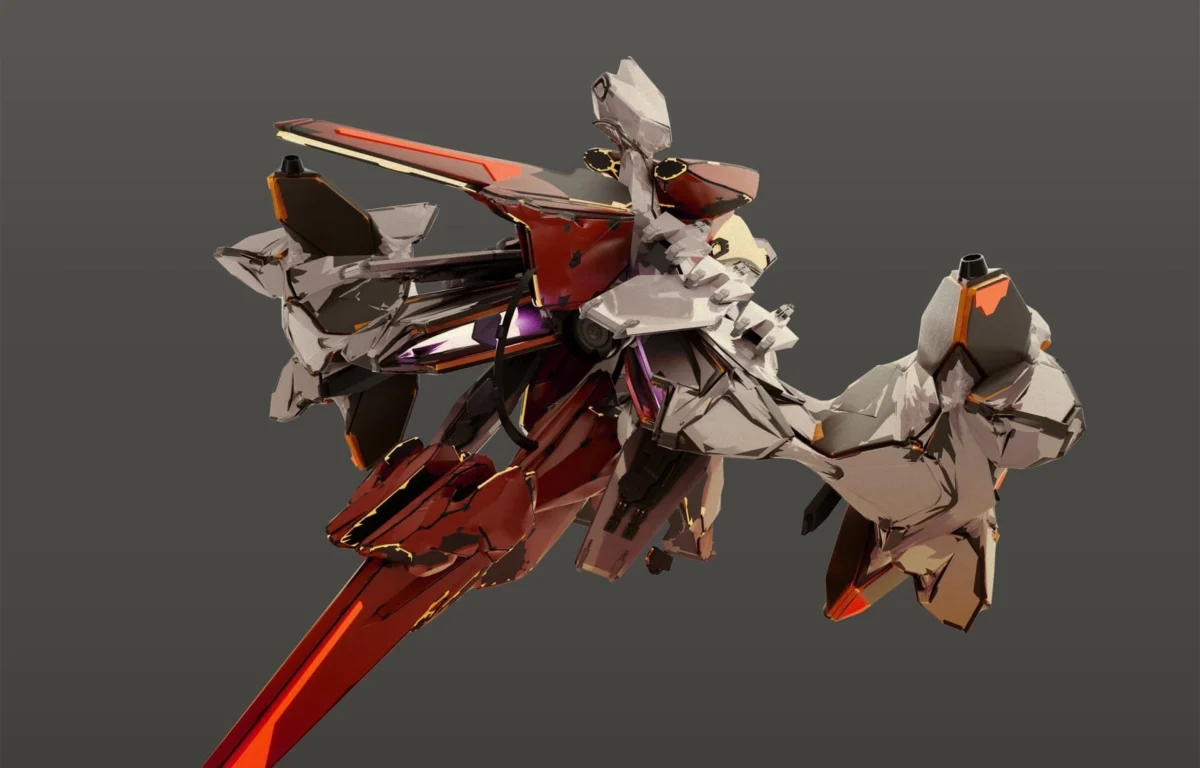
Tokyo, Japan – M2, the renowned Japanese video game developer celebrated for its meticulous porting work and occasional original titles, has officially announced the cancellation of Ubusuna, the long-anticipated spiritual successor to the seminal shoot ’em up (shmup) Ikaruga. Concurrently, it has been confirmed that Hiroshi Iuchi, the visionary designer behind Ikaruga and Ubusuna, has parted ways with M2. This dual announcement brings to a close a development saga spanning nearly a decade and marks a significant shift for both the developer and the highly respected game creator, sending ripples of disappointment through the dedicated shmup community.
A Decade of Anticipation: The Genesis of Ubusuna
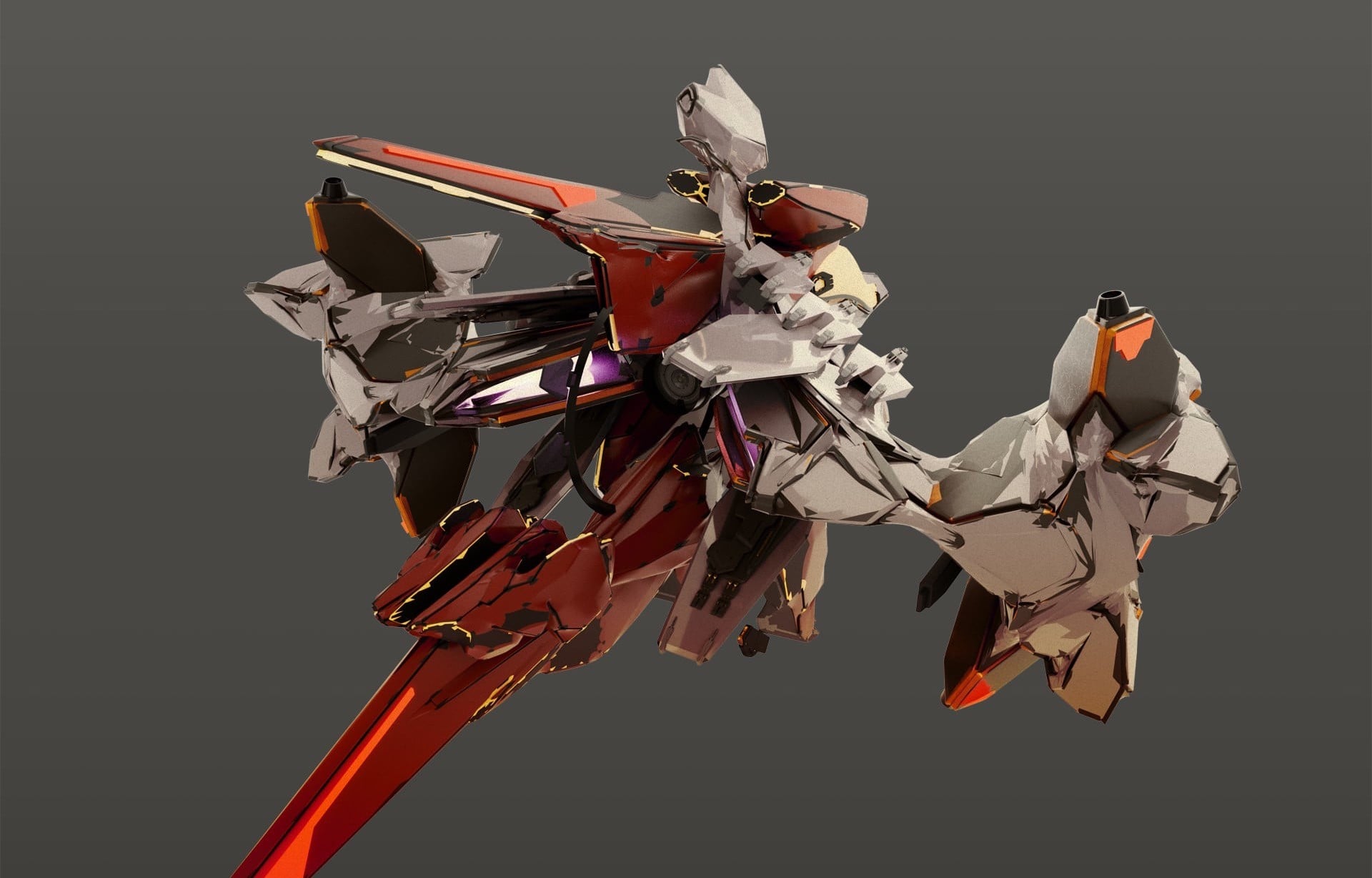
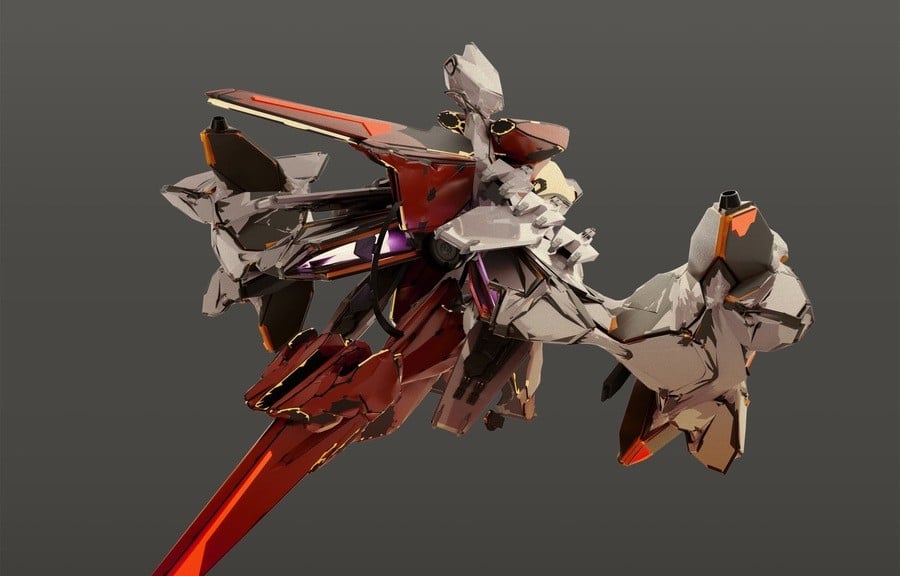
Ubusuna was first revealed to the public in 2014, immediately capturing the attention of retro gaming enthusiasts and shmup aficionados worldwide. The game was pitched as a spiritual successor to Ikaruga, a title that had achieved cult status for its innovative polarity-switching mechanic, intricate level design, and challenging gameplay. The promise of a new project from Hiroshi Iuchi, often revered as a master of the genre, working under the M2 banner, a company known for its deep understanding and reverence for classic arcade experiences, created immense excitement. Fans envisioned a modern evolution of the genre, blending Iuchi’s distinctive design philosophy with M2’s technical prowess.
However, despite the initial fanfare, details surrounding Ubusuna remained exceptionally sparse over the subsequent years. Beyond a few conceptual art pieces and vague statements hinting at its direction, very little concrete information, gameplay footage, or development milestones were ever publicly shared. This prolonged silence fueled both speculation and hope, with many anticipating a grand reveal once the project reached a more mature stage. The cancellation, therefore, while perhaps not entirely unexpected given the lack of updates, represents a definitive end to nearly ten years of patient waiting.
The Legacy of Ikaruga: A Benchmark in Shoot ’em Ups
To fully appreciate the significance of Ubusuna‘s cancellation and Hiroshi Iuchi’s involvement, it is crucial to understand the towering legacy of Ikaruga. Developed by Treasure and initially released in Japanese arcades in 2001, Ikaruga quickly garnered critical acclaim for its unique "polarity" system. Players could switch their ship’s attribute between black and white, absorbing bullets of the same color to charge a powerful homing laser, while taking damage from opposing colors. This mechanic transformed the typical bullet-hell shmup from a test of pure dodging reflexes into a strategic puzzle, demanding foresight, pattern recognition, and quick decision-making.
Ikaruga was subsequently ported to the Sega Dreamcast in 2002, the Nintendo GameCube in 2003, and later to Xbox Live Arcade (2008), PC (2014), Nintendo Switch (2018), and PlayStation 4 (2018). Its enduring popularity is a testament to its timeless design and challenging gameplay, making it a perennial favorite among shmup enthusiasts and often cited as one of the greatest games in the genre. Its influence extends beyond its immediate sequels, inspiring numerous other titles that have attempted to replicate or build upon its innovative mechanics. The idea of Ubusuna carrying this torch made its development a focal point for a passionate segment of the gaming community.
M2: Masters of Preservation and Occasional Innovation
M2’s reputation in the gaming industry is primarily built upon its unparalleled expertise in porting, emulation, and faithful preservation of classic video games. The company has earned widespread acclaim for its "M2 ShotTriggers" series, which brings beloved arcade shmups to modern consoles with an array of customizable options, display filters, and training modes that enhance accessibility without compromising authenticity. Their work on the "Sega Ages" and "3D Classics" series for Nintendo platforms is similarly lauded, showcasing a meticulous attention to detail that often surpasses the original arcade experience.
While M2 is best known for its exceptional porting work, it has also occasionally ventured into original game development. Titles like Gaist Crusher for the Nintendo 3DS and Girl Friend Beta: Colorful Note for the PlayStation Vita demonstrated their capacity for original IP, albeit not always within the shmup genre. The collaboration with Hiroshi Iuchi on Ubusuna represented a significant commitment to original shmup development, leveraging their technical prowess with a visionary designer. The cancellation of Ubusuna thus raises questions about M2’s future strategy concerning ambitious, internally developed niche titles, especially given the significant investment of time and resources over nearly a decade.
Hiroshi Iuchi: A Career Defined by Distinctive Design
Hiroshi Iuchi’s career is marked by a distinctive artistic and design philosophy that has consistently pushed the boundaries of the shmup genre. Before his work on Ikaruga at Treasure, Iuchi contributed to other highly regarded titles. He notably worked on Gradius Gaiden for Konami, a PlayStation-exclusive entry in the legendary Gradius series, where his artistic direction helped define its memorable aesthetic. His move to Treasure saw him direct Radiant Silvergun (1998), an intricate and sprawling shmup that introduced complex scoring systems and weapon progression, laying some groundwork for the ideas later explored in Ikaruga.
Iuchi’s games are often characterized by their striking visual flair, intricate bullet patterns, challenging difficulty, and a unique sense of atmosphere. He is known for crafting experiences that demand precision, strategic thinking, and a deep understanding of game mechanics rather than just brute-force dodging. His last major project before Ubusuna‘s cancellation was Night Striker Gear, a modern reimagining of the classic Taito arcade game Night Striker, which M2 developed and released. This project, while distinct from Ikaruga, showcased Iuchi’s continued engagement with arcade-style action and his ability to infuse new life into established franchises. His departure from M2 suggests a desire to pursue new creative avenues, potentially independently, or with another studio that can support his unique vision.
The Challenges of Niche Game Development
The cancellation of Ubusuna underscores the inherent challenges faced by developers of niche genres like shmups, especially for ambitious, long-term projects. While the shmup community is passionate and dedicated, it remains a relatively small market compared to mainstream genres. This often translates to limited budgets, extended development cycles, and increased financial risk for studios.
Developing a game for nearly a decade without significant public updates or clear monetization strategies can become unsustainable. Game development costs escalate over time, encompassing salaries, technology licenses, marketing, and operational overhead. For a project like Ubusuna, which aimed to be a spiritual successor to a critically acclaimed but commercially niche title, securing continuous funding and maintaining development momentum would have been a constant battle. The lack of public demonstrations or early access opportunities might also indicate internal struggles with direction, scope, or technical hurdles that ultimately proved insurmountable within M2’s operational framework.
Official Confirmation and Statements
The official announcement of Ubusuna‘s cancellation and Hiroshi Iuchi’s departure came via M2’s official channels, as referenced by bsky.app. While specific details regarding the reasons for cancellation were not exhaustively enumerated, the company’s statement expressed deep regret. It is common in such situations for developers to cite a combination of factors, including challenges in meeting design goals, evolving market conditions, or internal restructuring.
Crucially, M2’s statement also included a hopeful note: "However, it is hoped the game might be revived in some form outside of M2." This particular phrasing suggests that while M2 will no longer be developing Ubusuna, the intellectual property or at least the core concept may not be entirely abandoned. This offers a glimmer of hope for fans that Iuchi might eventually secure new funding or a new development partner to bring his vision to fruition. Such a move would allow him to retain creative control while alleviating the financial and logistical burdens that likely contributed to the project’s demise at M2.
The Future for Ubusuna and Hiroshi Iuchi

Hiroshi Iuchi’s departure from M2 opens a new chapter in his distinguished career. Given his reputation and the unique aesthetic and gameplay mechanics he brings to his projects, it is highly probable that he will continue to design games, whether independently or with a new studio. The explicit mention of Ubusuna potentially being revived outside M2 suggests that Iuchi might be actively exploring options to continue the project. This could involve crowdfunding, partnering with an indie publisher, or joining another established developer willing to take on a high-concept, niche title.
For fans, the prospect of Ubusuna being revived outside M2, while uncertain, offers a silver lining. It implies that the creative vision for the game is still alive and that Iuchi himself may be committed to seeing it through. However, any such revival would likely entail a fresh start, potentially with new technologies, a revised scope, and an entirely new development timeline. The gaming community will undoubtedly be watching closely for any future announcements from Iuchi regarding his next steps and the potential fate of Ubusuna.
Broader Implications for the Shmup Genre
The cancellation of Ubusuna and Iuchi’s departure from M2 carries broader implications for the shmup genre. It serves as a stark reminder of the financial realities and developmental hurdles that even highly anticipated projects from legendary designers can face within a niche market. While the indie scene has seen a resurgence of interest in shmups, with numerous smaller titles offering innovative twists, large-scale, high-budget shmup productions remain rare.
This event might lead other developers to re-evaluate the viability of long-term, ambitious shmup projects, potentially favoring smaller, more manageable scopes or relying heavily on existing IPs with established fanbases. Conversely, it could also highlight the need for alternative funding models, such as crowdfunding or early access programs, which can engage the passionate shmup community directly and provide more transparent development cycles.
Ultimately, while the news of Ubusuna‘s cancellation is undoubtedly a blow to many, it also marks a transition point. For M2, it may signal a refocus on their core strengths of porting and preservation. For Hiroshi Iuchi, it represents an opportunity for a new beginning, potentially allowing him to pursue his creative endeavors with renewed vigor and a different operational framework. The hope remains that the innovative spirit of Ikaruga and the vision behind Ubusuna will one day find a new home and finally reach the players who have waited so patiently.