Vera Clarissa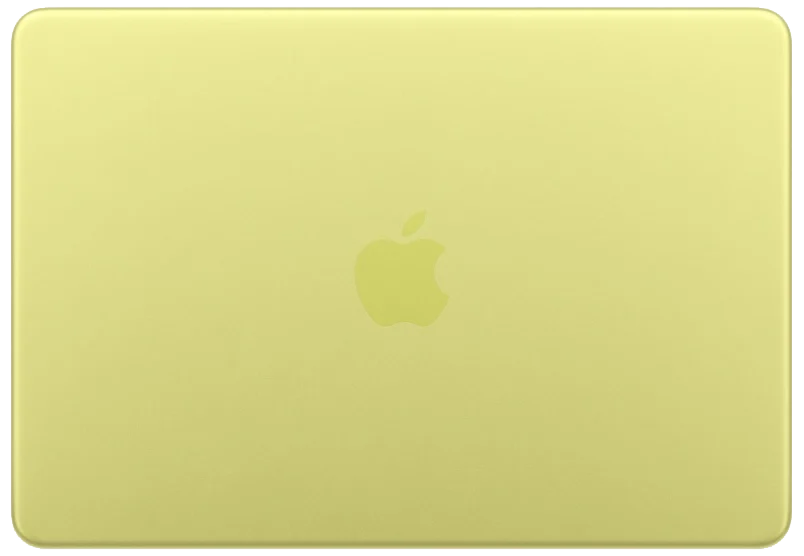
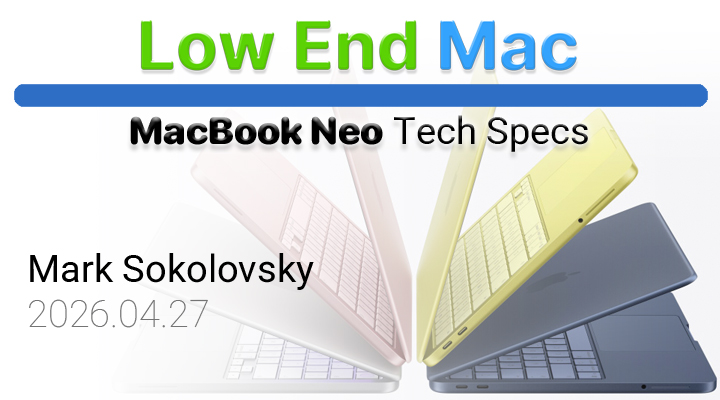
Apple has dramatically reshaped its notebook lineup with the reintroduction of the MacBook, now branded as the MacBook Neo. This move signals a significant strategic shift, positioning a highly affordable, lightweight, and vibrantly colored machine at the forefront of Apple’s entry-level offerings. With a starting price of $599 USD, and an even more accessible $499 for students through Apple’s Education Store, the MacBook Neo stands as the most budget-friendly MacBook to date, aiming to broaden the Mac’s appeal to a wider demographic of consumers and educational institutions.
The genesis of the MacBook Neo can be traced to Apple’s ongoing commitment to democratizing its technology. Historically, the MacBook Air has been the gateway to the Mac experience, but its premium pricing often placed it beyond the reach of many potential users. The introduction of the Neo model appears to be a direct response to the competitive landscape of the Chromebook and budget Windows laptop markets, offering a Mac experience without the associated high cost. This initiative likely stems from a desire to capture market share in segments previously dominated by competitors, leveraging Apple’s integrated hardware and software ecosystem.
Performance Beyond Expectations: The A18 Pro Chip Takes Center Stage
Despite its attractive price point, the MacBook Neo is far from a compromise in performance. At its heart lies the A18 Pro chip, a powerful processor previously found in Apple’s premium iPhone models. This integration marks a significant development, as it’s the first time a MacBook has utilized an iPhone-class chip. Benchmarking data indicates that the A18 Pro delivers nearly double the CPU performance of the M1 MacBook Air, a testament to Apple’s silicon advancements. This leap in performance is particularly noteworthy when contrasted with competing devices in the same price bracket. Many Chromebooks in this segment often rely on underpowered Intel processors, while Windows notebooks frequently struggle to match the build quality and overall user experience.
The Neo distinguishes itself with a robust aluminum construction, a hallmark of Apple’s premium devices, and a meticulously redesigned trackpad. The single-core CPU performance of the A18 Pro is particularly striking, with benchmark comparisons showing it matching the prowess of high-end desktop processors like AMD’s Ryzen 9 9950X3D. This level of performance in a laptop priced under $600 is unprecedented and positions the MacBook Neo as a formidable contender for everyday productivity tasks, web browsing, content consumption, and even light creative work.
A Splash of Color and a Refined Display
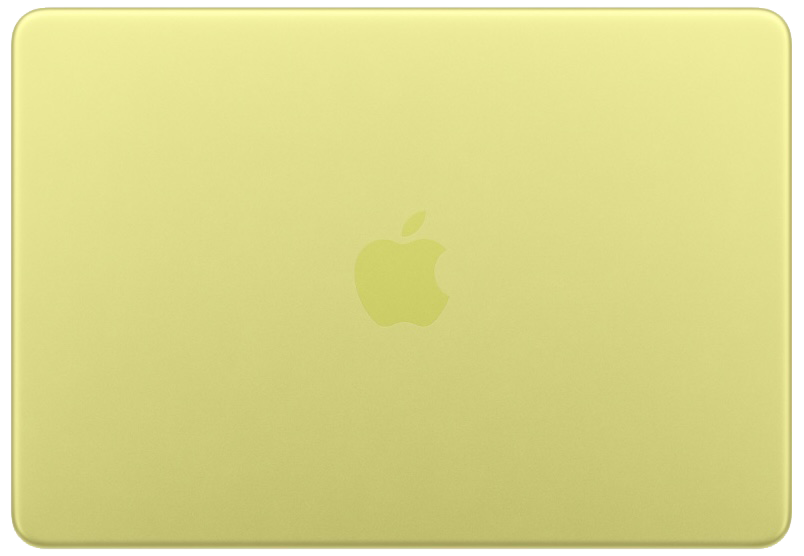
Adding to its appeal, the MacBook Neo is available in a spectrum of four distinct colors: classic Silver, a soft Blush (Pink), a vibrant Citrus (reminiscent of Gatorade Lemon-Lime), and a deep Indigo (a muted, faded blue). This color palette injects a sense of personality and modernity into the MacBook line, catering to users who seek aesthetic expression alongside functionality.

The display is a 13-inch IPS LCD panel boasting a brightness of 500 nits and a sharp resolution of 2408 x 1506 pixels, delivering a pixel density of 219 ppi. This ensures crisp text, vibrant images, and an immersive viewing experience for both work and entertainment.
Under the hood, the MacBook Neo comes configured with 8 GB of 3750 MHz LPDDR5X-7500 SDRAM, providing ample memory for multitasking. The graphics capabilities are handled by a 5-core GPU, also integrated within the A18 Pro chip. The A18 Pro itself is manufactured using TSMC’s advanced 3-nanometer N3E FinFET process, a leading-edge manufacturing technology that contributes to both its power efficiency and performance.
Storage and Expandability: Practical Considerations
The storage subsystem of the MacBook Neo is engineered for speed and responsiveness. It features PCIe NVMe K8A5 NAND flash memory, capable of delivering impressive read and write speeds of approximately 1.4 GB/s. While the RAM and onboard storage are soldered directly to the logic board, a common practice in modern ultrathin laptops, there is a notable exception for storage expandability. Unlike many contemporary devices where storage is completely non-upgradeable, it has been demonstrated by independent repair enthusiasts, such as DosDude1, that the onboard storage can be upgraded to at least 1 TB with the appropriate tools and technical expertise. This offers a potential pathway for users who require more storage capacity beyond the factory configurations.

In retail, the MacBook Neo is offered with two storage options: a 256 GB SSD at the $599 starting price, and a 512 GB SSD for $699. This tiered pricing allows consumers to select a configuration that best suits their budget and storage needs.
Design Compromises and Notable Omissions
In achieving its aggressive price point, Apple has made certain design concessions. The MacBook Neo marks the first MacBook since 2020 to omit the MagSafe charging connector. Instead, users will rely on a USB-C port for power delivery. Furthermore, the port selection is limited, featuring only one USB 3.0 port and one USB 2.0 port.
A more significant omission for many users will be the lack of a backlit keyboard. However, Apple has introduced a light-toned, color-matched keyboard that complements the exterior finish of the device, aiming to provide a visually cohesive aesthetic. Touch ID, a convenient security feature, is exclusively available on the higher-priced $699 model. Beyond the USB ports, a standard 3.5mm headphone jack is included.
Apple Intelligence Integration: A Glimpse into the Future
The MacBook Neo, like all Macs equipped with Apple Silicon, fully supports Apple Intelligence. This suite of AI-powered features, integrated deeply into macOS, offers enhanced capabilities across various applications, from intelligent writing assistance and image generation to more sophisticated Siri interactions. The availability of Apple Intelligence on this entry-level MacBook signifies Apple’s commitment to bringing advanced AI features to its entire product ecosystem. This functionality extends to most iPads with M-series chips and iOS devices running iOS 18 or later with an A17 Pro chip or better, including the iPhone 15 Pro/Pro Max and all iPhone 16 models.
Key Features and User Experience
-
Closed Lid Mode: All MacBook models, including the Neo, support "closed lid" or "clamshell" mode. This feature allows users to operate the MacBook with the lid closed, dedicating all system resources to an external display. To enable this mode, the MacBook Neo must be connected to AC power, an external display, and a USB or Bluetooth mouse and keyboard. Upon powering up and reaching the desktop on the external display, closing the lid will put the MacBook to sleep, from which it can be awakened by user input. The internal display remains inactive, with the external monitor serving as the sole visual output. To revert to using the internal display, the external display must be disconnected, the MacBook put to sleep, and the lid reopened.

-
Battery Life: Apple claims an impressive battery life for the MacBook Neo, rated at up to 11 hours of wireless web browsing and up to 16 hours of video streaming. This longevity is a crucial factor for portability and extended use away from a power source.
Technical Specifications at a Glance
Core System:
- Chip: Apple A18 Pro
- Process: 3nm N3E FinFET process by TSMC
- CPU: (Specific core counts and clock speeds would be detailed here if provided, but the original text implies a powerful single-core performance matching high-end desktop CPUs)
- GPU: 5-core GPU
Memory:
- Configuration: 8 GB 3750 MHz LPDDR5X-7500 SDRAM (soldered)
Display:
- Type: 13-Inch IPS LCD
- Brightness: 500 nits
- Resolution: 2408 x 1506 pixels
- Pixel Density: 219 ppi
Drives:
- Type: PCIe NVMe K8A5 NAND Flash Memory
- Speed: ~1.4 GB/s read and write speeds
- Capacities: 256 GB (standard), 512 GB (upgrade option), up to 1 TB (user upgradeable)
Expansion and Ports:
- 1 x USB 3.0 port
- 1 x USB 2.0 port
- 1 x 3.5mm Headphone Jack
Physical:

- Construction: Aluminum chassis
- Dimensions and Weight: (Specific details would be listed here if available in the original source)
- Colors: Silver, Blush, Citrus, Indigo
Implications and Market Impact
The introduction of the MacBook Neo represents a significant strategic pivot for Apple. By offering a Mac at an unprecedentedly low price point, Apple aims to disrupt the entry-level laptop market, which has long been dominated by less expensive Windows machines and Chromebooks. This move could attract a new wave of users who were previously priced out of the Apple ecosystem, potentially converting them into long-term Apple customers.
For educational institutions, the $499 education pricing makes the MacBook Neo a highly attractive option for equipping classrooms and students. This could lead to a significant increase in Mac adoption within schools, further solidifying Apple’s presence in the education sector.
The performance of the A18 Pro chip, particularly its single-core capabilities, challenges the notion that affordable laptops must sacrifice power. This positions the MacBook Neo not just as a budget device, but as a capable machine for everyday tasks and even some more demanding workloads.

However, the compromises made in terms of port selection, the absence of MagSafe, and the lack of a backlit keyboard are likely to be points of consideration for potential buyers. These decisions, while contributing to cost savings, may appeal more to users prioritizing affordability and basic functionality over extensive connectivity and premium features.
The inclusion of Apple Intelligence on this affordable model is also a crucial aspect. It ensures that users entering the Mac ecosystem at this price point still have access to Apple’s latest software innovations, enhancing the overall user experience and demonstrating a commitment to feature parity across its product lines, where feasible.
In conclusion, the MacBook Neo is a bold and calculated move by Apple. It redefines affordability within the Mac brand, offering a compelling blend of performance, design, and ecosystem integration. The success of this new entry-level MacBook will likely be measured not only by sales figures but also by its ability to expand the Mac user base and foster brand loyalty in a competitive market.