Ganda Hendra Perkasa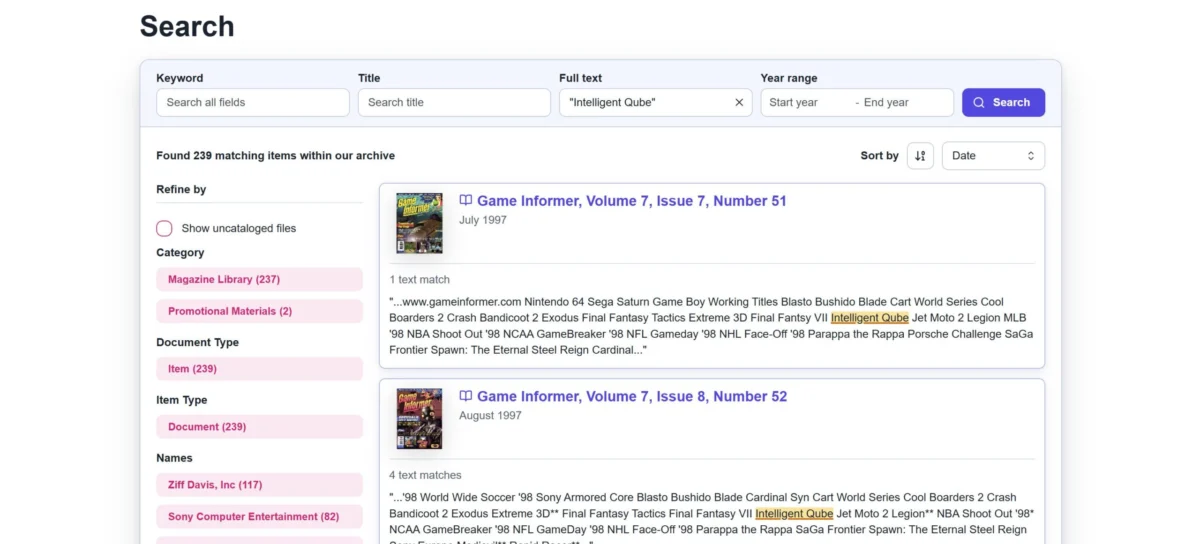
The International Center for the History of Electronic Games (ICHEG) at The Strong National Museum of Play has launched a significantly revamped version of its digital archive platform, marking a substantial leap forward in making its vast collection of video game history more accessible and user-friendly. The update, released today, incorporates a comprehensive rebuild of the interface, directly addressing user feedback to enhance the browsing and research experience for enthusiasts, scholars, and developers alike. This initiative underscores the growing importance of preserving and providing access to the rich, often ephemeral, history of video games.
A Reimagined Digital Gateway to Gaming’s Past
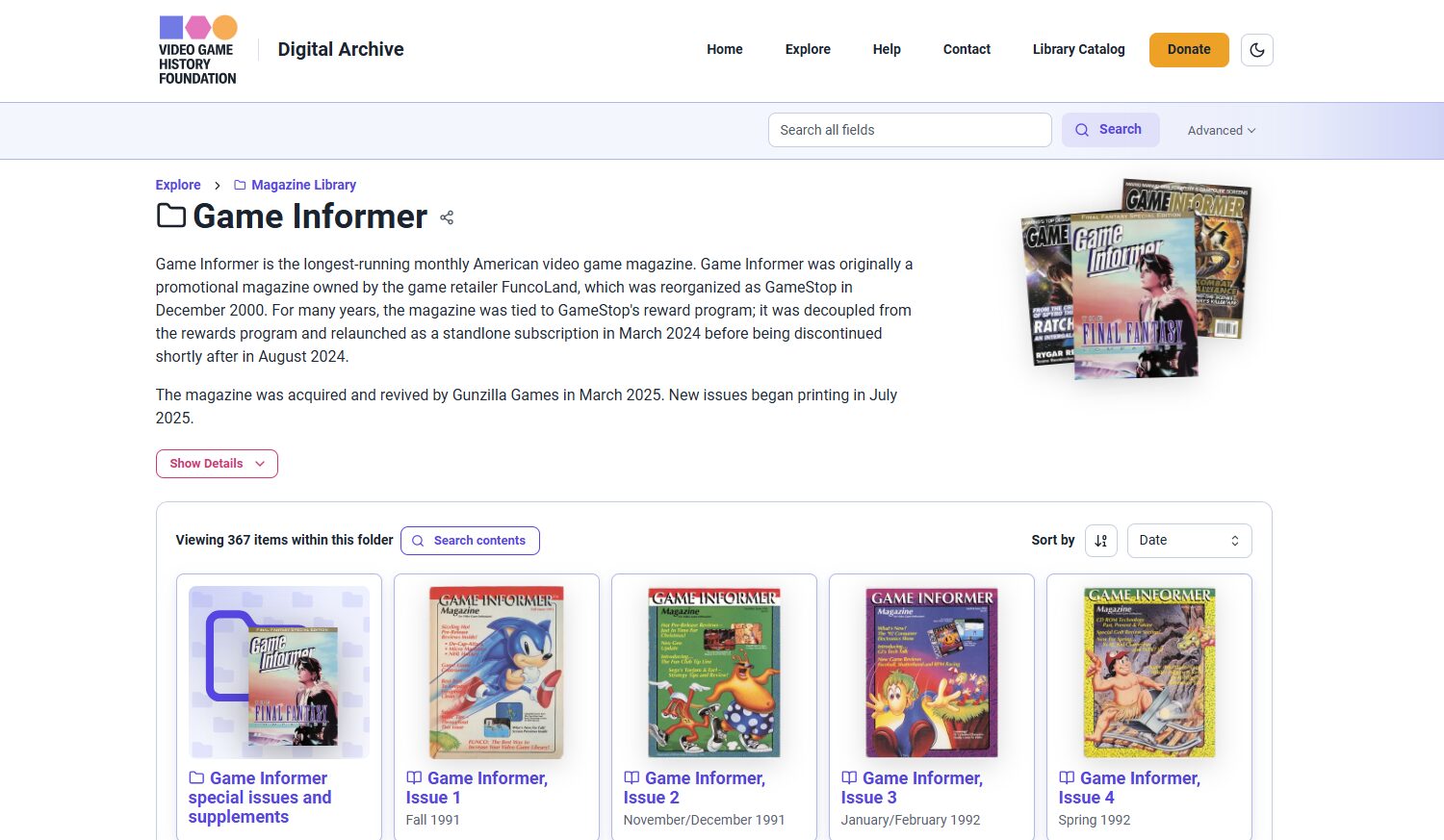
The core of this update lies in a complete redesign of the digital archive’s front-end. Gone is the previous iteration, replaced by a system engineered from the ground up to prioritize intuitive navigation and visual clarity. A key improvement is the expansion of thumbnail sizes for displayed assets. This enhancement allows users to more readily identify the content of folders and individual files at a glance, reducing the cognitive load when sifting through extensive collections. The distinction between different types of archival items is now more pronounced, streamlining the initial stages of exploration.
Furthermore, the new interface boasts a demonstrably faster loading speed compared to its predecessor. This is a critical factor for digital archives, where users often interact with large volumes of data and images. The improved loading states provide clearer visual cues during data retrieval, minimizing user frustration. The platform also exhibits enhanced navigation tracking, a feature that ensures a smoother transition between different sections of the archive, preventing users from losing their place as they delve deeper into historical materials. This attention to detail in user experience is a direct response to the growing demand for seamless digital access to historical resources.
Enhanced Search Capabilities for Deeper Discovery
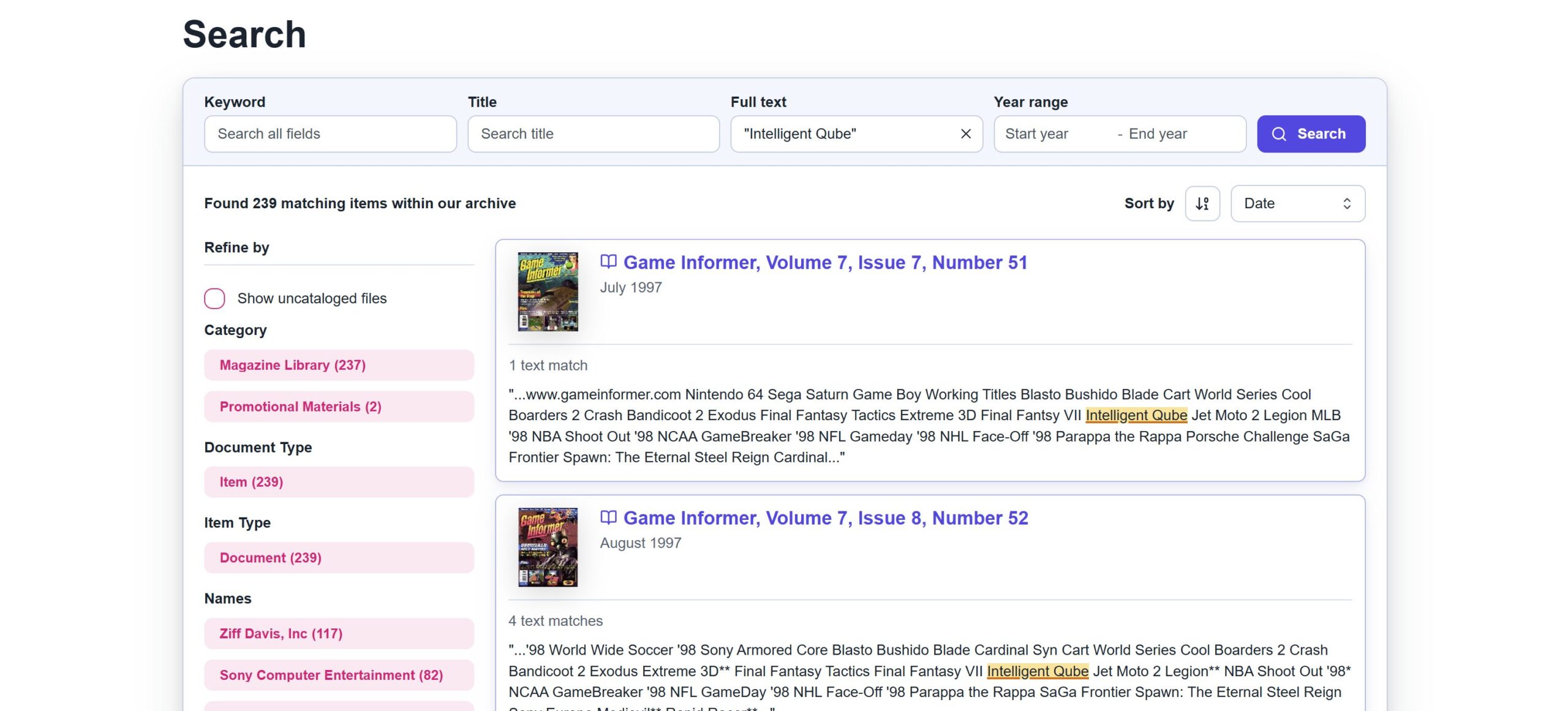
Beyond browsing, the update introduces significant improvements to the archive’s search functionality. Recognizing that effective research hinges on precise and context-rich search results, the platform now offers an expanded "snippet view." This feature provides a considerably larger window of text surrounding a keyword match, offering users approximately four times more surrounding content than before. This allows for a more rapid assessment of the relevance of search results without requiring users to open each individual document or file. For researchers working with extensive textual archives, such as digitized magazines or design documents, this enhancement can dramatically accelerate the discovery process.
The screenshot provided, illustrating a search for "Intelligent Qube," showcases how the expanded snippet view presents a more comprehensive context for each hit. This granular detail is invaluable for historical analysis, enabling researchers to quickly ascertain the significance of a particular mention within a larger document. This upgrade reflects a commitment to not just housing historical artifacts but also to providing the tools necessary for their meaningful study and interpretation.
Streamlined Access and Featured Content
The homepage itself has undergone a strategic redesign to facilitate immediate engagement with the archive’s holdings. A new "Explore the Archive" section has been prominently integrated, allowing users to directly navigate into the main collection categories without the need to visit a separate landing page. This "at-a-glance" approach to collection discovery aims to lower the barrier to entry for new users and encourage immediate exploration.
Further down the homepage, a "Featured Collections" bar highlights new and notable additions to the archive. This dynamic element serves to keep the archive fresh and to draw attention to the ongoing efforts of ICHEG in acquiring and digitizing new materials. By showcasing these items, the platform actively encourages repeat visits and engagement with the ever-growing repository of game history.
A Timeline of Development and Future Aspirations
The development of this new platform represents a significant investment in the future of video game preservation. While specific dates for the initial launch of the digital archive are not provided, this latest iteration signifies a maturation of the platform, moving beyond a foundational stage to a more robust and user-centric system. The iterative nature of this update, driven by user feedback, suggests a continuous development cycle.
The ICHEG’s commitment to the digital archive is further evidenced by their stated plans for future enhancements. These include the development of a new image file viewer, which will likely improve the experience of examining digitized artwork, screenshots, and promotional materials. The introduction of character recognition for Japanese magazines is a particularly significant undertaking, promising to unlock a wealth of untransliterated historical content. Ultimately, the integration with the full library catalog of The Strong Museum is envisioned, creating a unified portal for accessing all of the institution’s extensive collections related to play and gaming. This long-term vision speaks to a comprehensive strategy for digital preservation and accessibility.
Broader Impact and Implications for Game History
The implications of this revitalized digital archive are far-reaching. For academic researchers, it provides an increasingly accessible and sophisticated resource for studying the cultural, technological, and economic evolution of video games. The improved search and browsing capabilities can facilitate new lines of inquiry, from tracing the lineage of game design mechanics to analyzing the socio-cultural impact of specific titles.
For game developers and industry professionals, the archive serves as an invaluable repository of inspiration and a historical reference point. Understanding past design decisions, marketing strategies, and technological innovations can inform contemporary development practices. The accessibility of digitized historical materials, such as design documents and marketing collateral, can offer unique insights into the creative processes of previous eras.
For the gaming community at large, this update democratizes access to a crucial part of cultural heritage. Enthusiasts can now more easily delve into the history of their favorite medium, exploring the magazines, advertisements, and internal documents that shaped the industry. This fosters a deeper appreciation for the legacy of video games and the individuals who contributed to their development.
The International Center for the History of Electronic Games, as a leading institution in this field, plays a vital role in safeguarding and disseminating this history. Their ongoing work, exemplified by this substantial platform update, is essential in ensuring that the rich and dynamic history of electronic games is preserved for future generations. The investment in user experience not only benefits current users but also lays the groundwork for broader engagement and deeper scholarly and public understanding of this significant cultural phenomenon. The successful implementation of such digital preservation initiatives is crucial in the ongoing effort to recognize video games as a legitimate and important subject of historical study.