Cecilia Chamidah Nur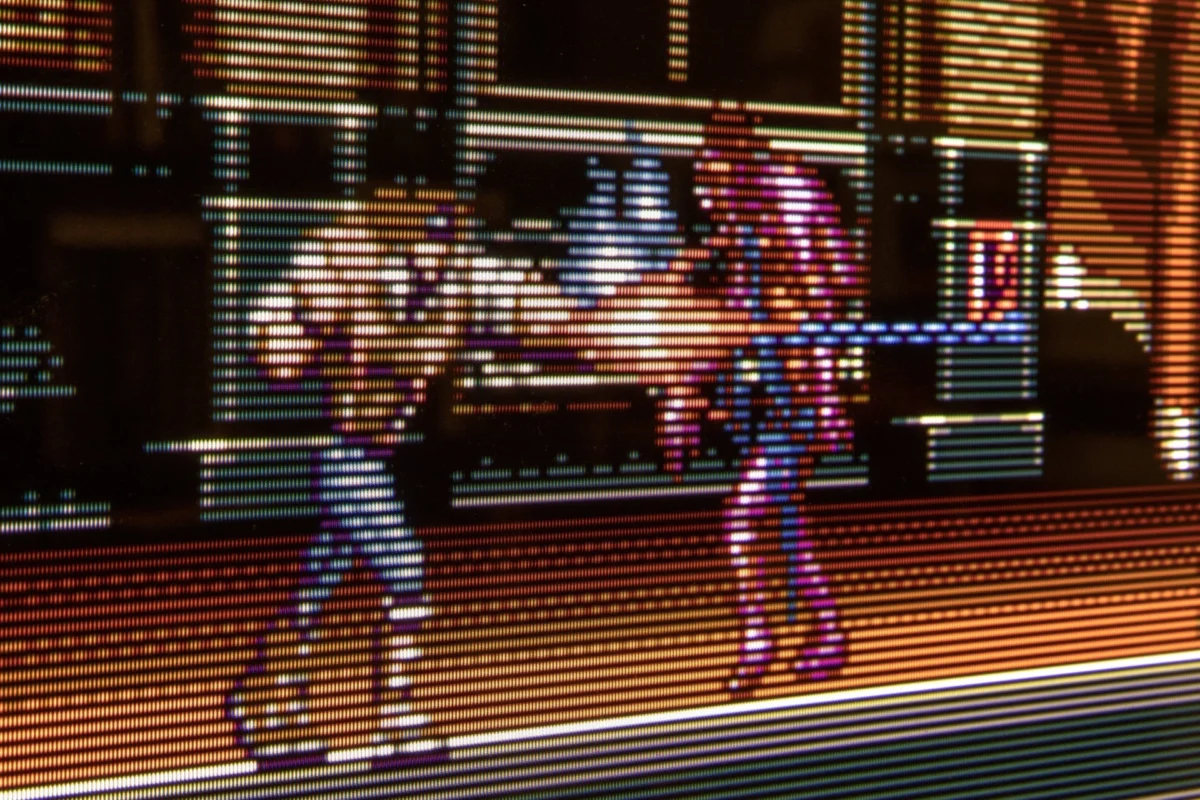
The RetroTink 5X, a highly regarded video upscaler for vintage gaming consoles, has received a substantial firmware update, version 4.0, dubbed the "CRT Simulation Edition." This update, developed by creator Mike Chi, backports several advanced features previously exclusive to its more powerful successor, the RetroTink 4K. The move significantly enhances the 5X’s capabilities, particularly in the realm of CRT (Cathode Ray Tube) display simulation, offering true HDR10 output, energy-normalized scanlines, and "Quasi-4K" horizontal resolution support, thereby extending the lifespan and appeal of this established device within the retro gaming community.
A New Lease on Life for the RetroTink 5X
The RetroTink 5X, released to critical acclaim, quickly became a cornerstone for retro gaming enthusiasts seeking to connect their classic consoles to modern high-definition displays without sacrificing visual fidelity. Its ability to upscale various analog video signals (composite, S-Video, component, RGB) to digital formats with minimal latency and superior image processing made it an indispensable tool. However, the subsequent launch of the RetroTink 4K, a more advanced and costly device boasting native 4K output and a more sophisticated processing pipeline, had naturally positioned it as the new benchmark. Conventionally, product developers tend to focus resources on their latest flagship models. Yet, Mike Chi’s decision to invest significant development effort into the 5X demonstrates a unique commitment to his existing user base and a strategic understanding of the retro gaming market’s diverse needs.
This latest update, version 4.0, is not merely incremental; it represents a fundamental overhaul of the 5X’s image processing pipeline. Mike Chi elaborated on the core improvements, stating, "The 5X pipeline now uses the same 12bpc RGB 4:4:4 Linear Light pipeline as the 4K. This allows it to output real Rec. 2020 HDR10 to produce CRT effects that are bright and color correct — much better than the old ‘injection’ method." This technical leap is critical, as it enables the 5X to render CRT simulations with unprecedented accuracy and vibrancy, leveraging the expanded color gamut and dynamic range of modern HDR televisions.

Unpacking the Technical Innovations
The significance of the 4.0 update lies in several key technical advancements:
- 12bpc RGB 4:4:4 Linear Light Pipeline: This sophisticated processing method, borrowed directly from the RetroTink 4K, ensures that video signals are handled with the highest possible color depth and fidelity throughout the upscaling process. Linear light processing is crucial for accurate color representation, especially when dealing with advanced effects like HDR and complex CRT mask simulations. It minimizes color banding and preserves subtle gradations that might otherwise be lost.
- True HDR10/HLG Output with Rec. 2020 Conversion: The ability to output genuine HDR10 (High Dynamic Range) or HLG (Hybrid Log-Gamma) signals, coupled with Rec. 2020 color space conversion, is a game-changer. Older methods of simulating HDR or wide color gamuts often relied on "injection" techniques, which could result in clipped highlights, crushed blacks, or inaccurate colors. With true HDR10, the RetroTink 5X can now produce CRT effects that exhibit a much broader range of brightness and a richer, more accurate color palette, mimicking the luminous qualities of a real CRT more effectively. Rec. 2020 is a wide-gamut color space standard used in modern UHD televisions, allowing for a much larger spectrum of colors to be displayed than the older Rec. 709 standard.
- Scanline Engine with Energy Normalization: Scanlines are an essential component of authentic CRT simulation, replicating the horizontal lines visible on older displays. However, implementing variable-width scanlines can sometimes lead to "black crush," where darker areas of the image become indistinguishable. The 4.0 update introduces energy normalization, a feature first seen in the RT4K, specifically designed to counteract this issue. By intelligently adjusting the brightness of pixels around scanlines, it ensures that even with aggressive scanline settings, shadow detail is preserved, leading to a more balanced and visually pleasing image.
- RGB Shadowmask and New CRT Presets: The update includes enhanced RGB shadowmask capabilities and new CRT presets. A shadowmask is a perforated metal sheet inside a CRT that helps direct electron beams to the correct color phosphors, creating the characteristic dot or stripe pattern. Replicating this on an LCD or OLED display is crucial for a convincing CRT look. The improved shadowmask support, combined with new presets, offers users a wider array of options to fine-tune their CRT simulation to match various monitor types (e.g., arcade monitors, consumer TVs, professional broadcast monitors).
- "Quasi-4K" Output Modes: This innovative feature, supporting horizontal resolutions of 3880×960, 2880×1200, and 2880×1080, allows the RetroTink 5X to leverage the native horizontal pixel density of 4K televisions. Mike Chi explained, "Native horizontal 4K preserves the quality of RGB masks while letting the TV do the soft interpolation of scanlines in the vertical." By focusing on horizontal resolution, the 5X can render intricate RGB mask patterns with sharp detail, while offloading the vertical scaling, which is less critical for mask integrity, to the TV’s internal scaler. This intelligent approach maximizes the visual impact of the CRT simulation without requiring the 5X to render a full 4K frame, which would be beyond its hardware capabilities.
The Context: The Enduring Appeal of Retro Gaming and CRT Simulation
The demand for high-quality retro gaming experiences has surged in recent years. The global video game market, valued at over $200 billion in 2023, includes a significant and growing segment dedicated to vintage titles. For many enthusiasts, part of the appeal lies not just in the games themselves but in experiencing them as they were originally intended. This often means replicating the unique visual characteristics of CRT displays, which were integral to the aesthetic and gameplay of classic consoles.
CRTs, with their natural scanlines, phosphor glow, subtle color bleed, and specific geometry, offered a distinct visual presentation that modern flat-panel displays, with their pixel-perfect clarity, often struggle to reproduce accurately. This discrepancy led to the rise of dedicated upscaling hardware like the RetroTink series, which aims to bridge the gap between analog console outputs and digital display inputs, while also reintroducing those beloved CRT characteristics. The RetroTink 5X, with its robust feature set and relatively accessible price point compared to the 4K, has been a favorite for many seeking this authentic experience without the bulk and maintenance of actual CRTs. This update reinforces its position as a highly capable device for this purpose.
Hardware Revisions and Compatibility Considerations
It is important for RetroTink 5X owners to understand the implications of their specific hardware revision for this update. Mike Chi provided clear guidance:
- Rev A (Launch PCBs): Units from the initial production run may experience instability above 1080p resolutions. Chi noted that this limitation persists "until the Gen Lock code is reworked," indicating potential future improvements but advising caution for current high-resolution use.
- Rev B (Before mid-2022): These units exhibit "degraded shadow mask quality." Owners may need to opt for a mono-type mask setting rather than the full RGB shadowmask to achieve optimal results.
- Rev C (After mid-2022): The majority of units sold after mid-2022 are Rev C hardware. These units have full RGB 4:4:4 shadow mask support and are capable of fully leveraging all the new features without limitations.
Chi also clarified that this 4.0 firmware should be considered a "branch" firmware, specifically "hyper-focused on CRT simulation." He added, "For 480i heavy users, the older 3.XX firmware with edge-interpolated MADI may be better unless you prefer CRT simulation scanlines." This distinction is crucial, as the current build of 4.0 does not include inverse telecine or MADI (Motion Adaptive Deinterlacing) – features important for optimal handling of interlaced signals from systems like the PlayStation 2 or Xbox. These features require extensive re-optimization and memory management that were not prioritized in this CRT-centric branch. This strategic decision highlights the developer’s intent to cater to specific user preferences: a "plug and play" experience for those primarily seeking to replace their CRT with a high-quality simulation, versus those who prioritize pristine deinterlacing for certain console generations.
Overwhelming Positive Reception and Expert Endorsement
The announcement of the 4.0 update has been met with enthusiastic acclaim from the retro gaming community and industry experts. Voultar, a well-known figure in the retro hardware modification scene and creator of the SNES Edge Enhancer, expressed his astonishment: "Holy shit – this is AMAZING. RT5X running in 4K (horizontal) with real HDR10 and the same shaders that the Tink4K shines with. Mike’s a wizard for pushing and overclocking this old puppy. I’ve never seen a legacy product have cutting-edge features like this!"

This sentiment is widely echoed across forums, social media, and dedicated retro gaming channels. The update is perceived not just as a technical achievement but as a testament to product longevity and customer value. In an era where consumer electronics often see planned obsolescence, Chi’s continued support for the RetroTink 5X stands out, providing owners with advanced capabilities without the need to upgrade to the more expensive 4K model, especially if their primary interest lies in CRT simulation.
Implications for the Retro Gaming Ecosystem
This firmware update carries several significant implications for the retro gaming hardware market:
- Extended Product Lifespan and Value: By infusing the RetroTink 5X with features from its newer sibling, Mike Chi has significantly extended the device’s relevance and competitive edge. This increases the return on investment for existing owners and makes the 5X an even more attractive option for new entrants to the retro upscaler market, especially given its more accessible price point compared to the 4K.
- Enhanced Accessibility to Premium Features: The update democratizes access to high-end CRT simulation. Previously, true HDR output and advanced scanline processing were largely confined to the RetroTink 4K. Now, a wider segment of the retro gaming community can experience these premium visual enhancements.
- A Niche, Yet Growing, Market Segment: The dedication to CRT simulation highlights the specific demands of a passionate niche within the broader gaming market. As original CRTs become rarer and more difficult to maintain, high-fidelity digital alternatives become increasingly important. The RetroTink 5X update solidifies its position as a leading solution in this space.
- Innovation in "Legacy" Hardware: Voultar’s comment about "a legacy product have cutting-edge features like this" underscores a broader trend. In specialized hardware communities, particularly for retro enthusiasts, there’s a strong appreciation for developers who continue to innovate and optimize existing platforms, pushing hardware to its limits rather than simply releasing new iterations. This fosters loyalty and builds a stronger community around the brand.
- Strategic Product Differentiation: While the RetroTink 4K remains the top-tier, no-compromise solution, the 5X update helps differentiate it not as a lesser product, but as a highly specialized tool for a particular use case (CRT simulation) at a lower price point. This allows for a more nuanced product offering within the RetroTink lineup.
The firmware, available for download from the official RetroTink website, represents a remarkable achievement in hardware optimization and developer commitment. It solidifies the RetroTink 5X’s position as a robust and future-proof device for authentic retro gaming experiences, proving that even "legacy" products can continue to evolve and surprise with cutting-edge capabilities.