Retno Hari Mulyono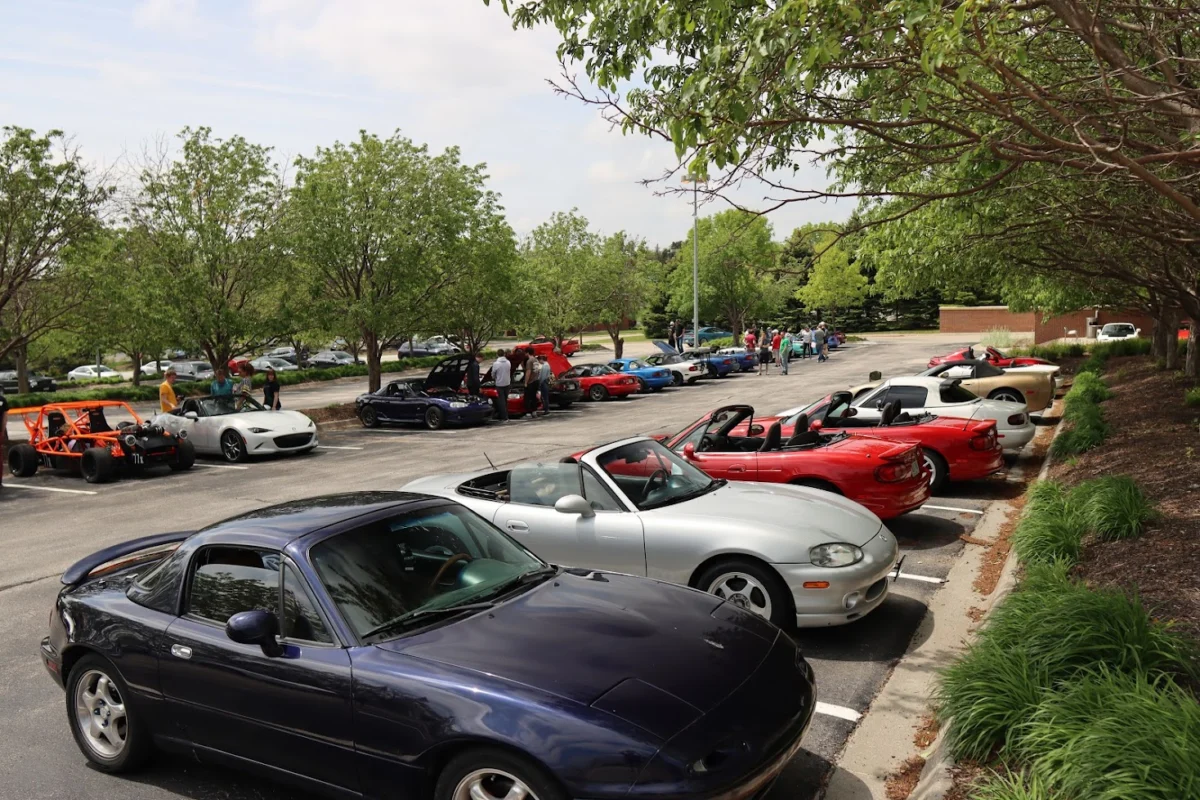
The second-generation Mazda MX-5, known internally as the NB, has solidified its reputation within the automotive enthusiast community as a premier platform for mechanical restoration and grassroots motorsports. This report details a comprehensive twelve-month evaluation of a 2000 Mazda Miata, beginning with its acquisition in March 2021 and concluding with its preparation for the 2022 racing season. Over the course of one year, the vehicle underwent significant transformations, ranging from baseline reliability maintenance to aesthetic overhauls and advanced safety modifications. The data gathered during this period underscores the enduring viability of the NB platform, particularly for operators seeking a balance between mechanical simplicity and modern performance capabilities.
Phase I: Acquisition and Baseline Reliability Standards
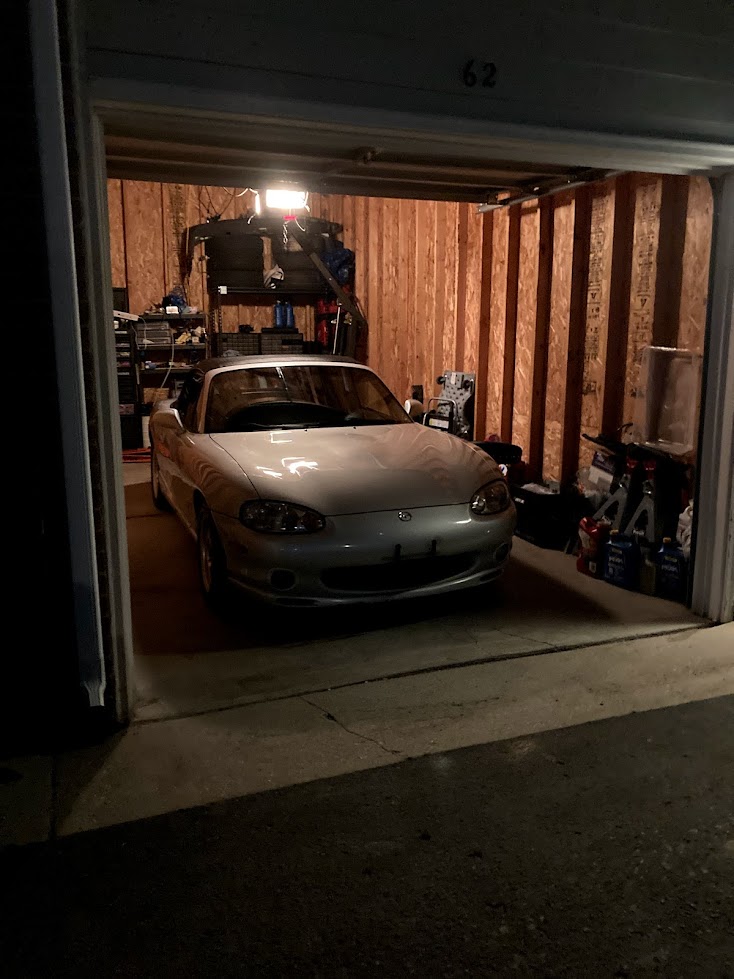
The subject vehicle, a 2000 Mazda Miata, was acquired on March 19, 2021. At the time of purchase, the vehicle represented a stock example of the NB1 sub-generation, featuring the 1.8-liter BP4W engine. While the NB generation lacks the iconic pop-up headlights of its predecessor, the NA, it offers a more rigid chassis and improved engine output, producing approximately 140 horsepower in its factory configuration.
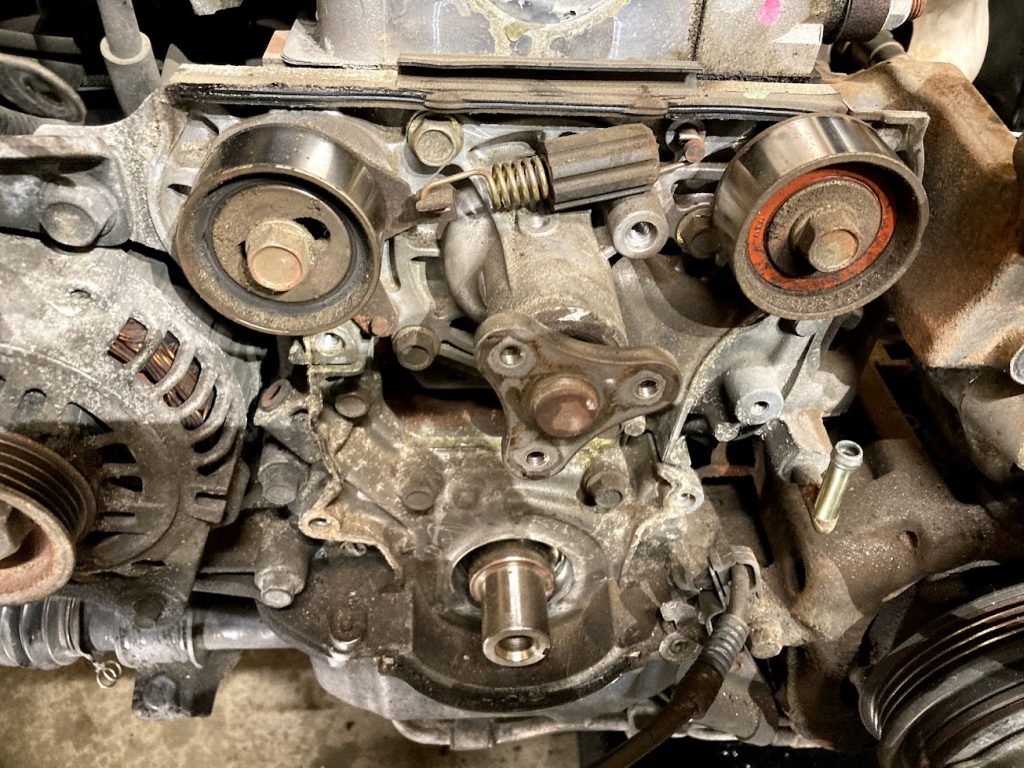
Upon acquisition, the primary objective was the establishment of a "known good" mechanical state. This is a critical step in the lifecycle of any used performance vehicle, particularly those lacking a documented maintenance history. In April 2021, the vehicle underwent a series of preventative measures. Central to this was the inspection of the timing belt and water pump. Although the BP4W is a non-interference engine—meaning a timing belt failure will not result in catastrophic valve-to-piston contact—reliability remains paramount for vehicles intended for high-stress environments such as track days. This phase of the project focused on eliminating variables that could lead to mechanical failure during competitive use.
Phase II: Community Integration and Exhaust System Optimization
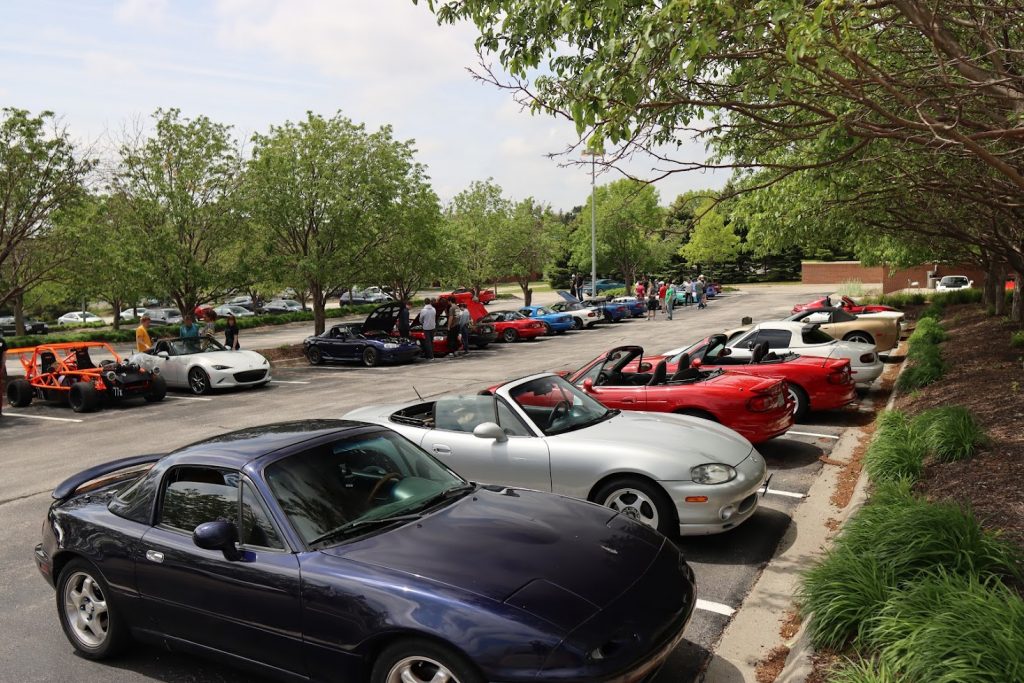
By May 2021, the vehicle was integrated into the local enthusiast community, providing an opportunity for benchmarking against other iterations of the MX-5 platform. Observations from regional gatherings indicated a broad spectrum of modification paths, including forced induction (turbocharging and supercharging) and engine swaps, such as the V8-powered Exocet kit cars. These interactions confirmed the modularity of the NB chassis.
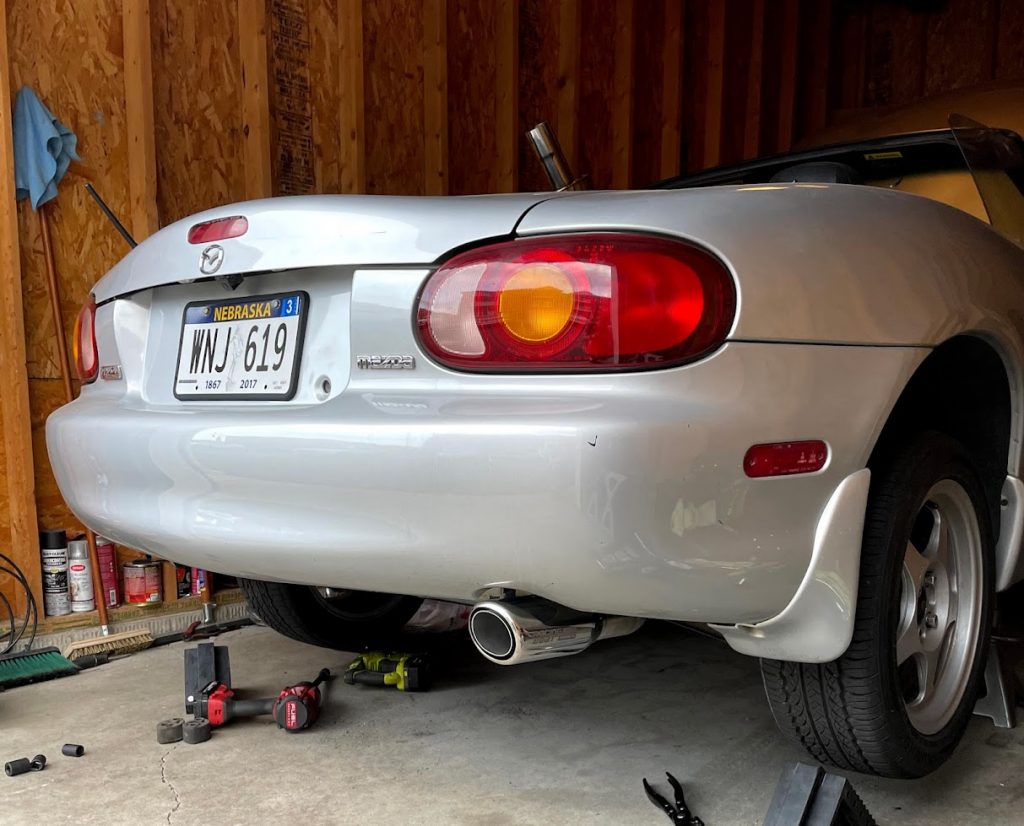
In June 2021, the technical focus shifted to the vehicle’s respiratory system. The factory exhaust components, suffering from age-related corrosion and restrictive flow, were replaced with an aftermarket suite designed to enhance the engine’s acoustic profile and marginal power output. The installation included:
- Raceland Header: A stainless steel manifold designed to improve exhaust scavenging.
- Cobalt Midpipe: A component intended to reduce backpressure while maintaining a reasonable decibel level.
- Racing Beat Power Pulse Muffler: A premium silencer known for producing a deep, mature tone without the "drone" often associated with budget exhaust systems.
The installation process revealed common challenges associated with twenty-year-old hardware, specifically rusted fasteners and brittle gaskets. Furthermore, the omission of the Exhaust Gas Recirculation (EGR) pipe during the initial reassembly resulted in the activation of Diagnostic Trouble Codes (DTCs), highlighting the sensitivity of the NB’s On-Board Diagnostics (OBD-II) system to atmospheric leaks.
Phase III: Aesthetic Transformation and Aerodynamic Preservation
The summer months of 2021 were dedicated to the vehicle’s exterior. In July, the original silver paint—a common but understated color for the era—was prepared for a color change. To address a dented front fender, a replacement panel was sourced and finished with a temporary aerosol coating to provide a uniform surface for a vinyl wrap.
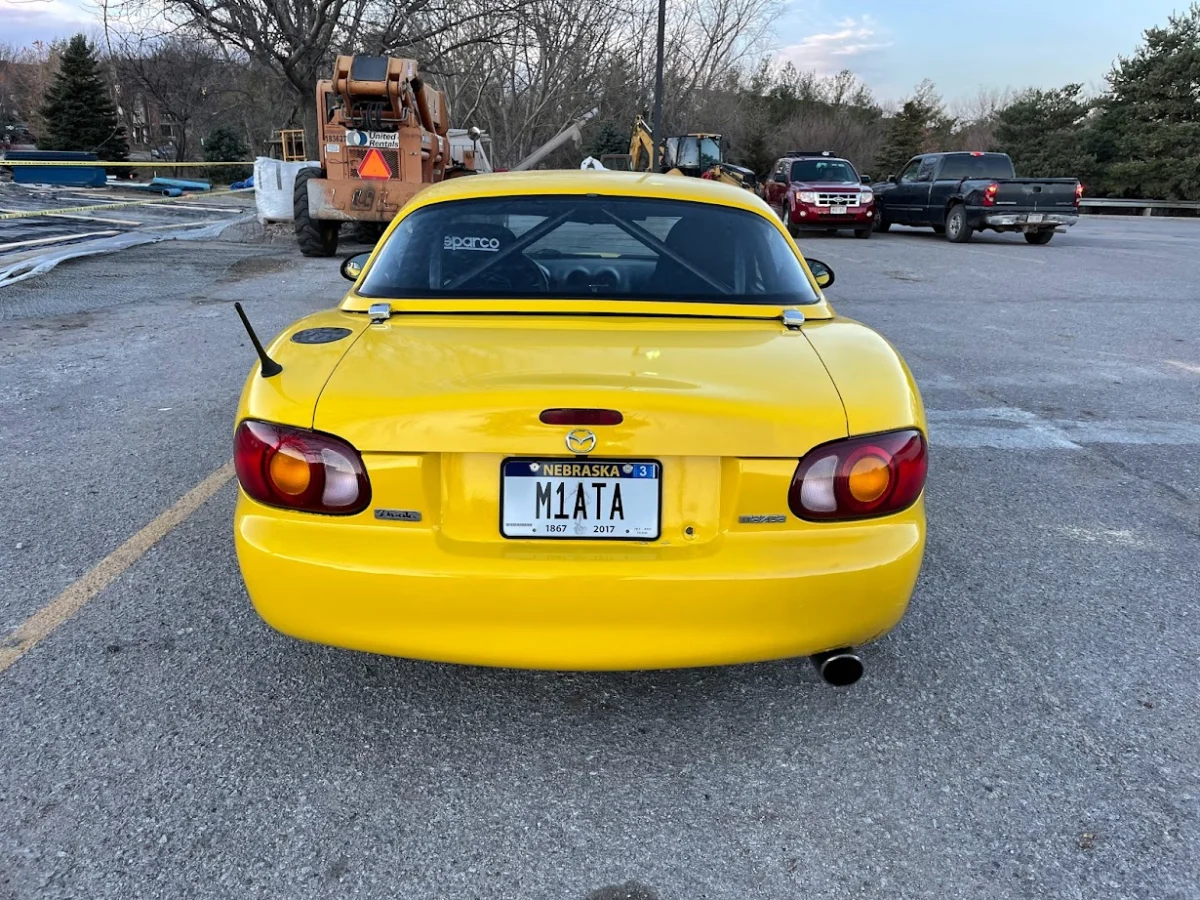
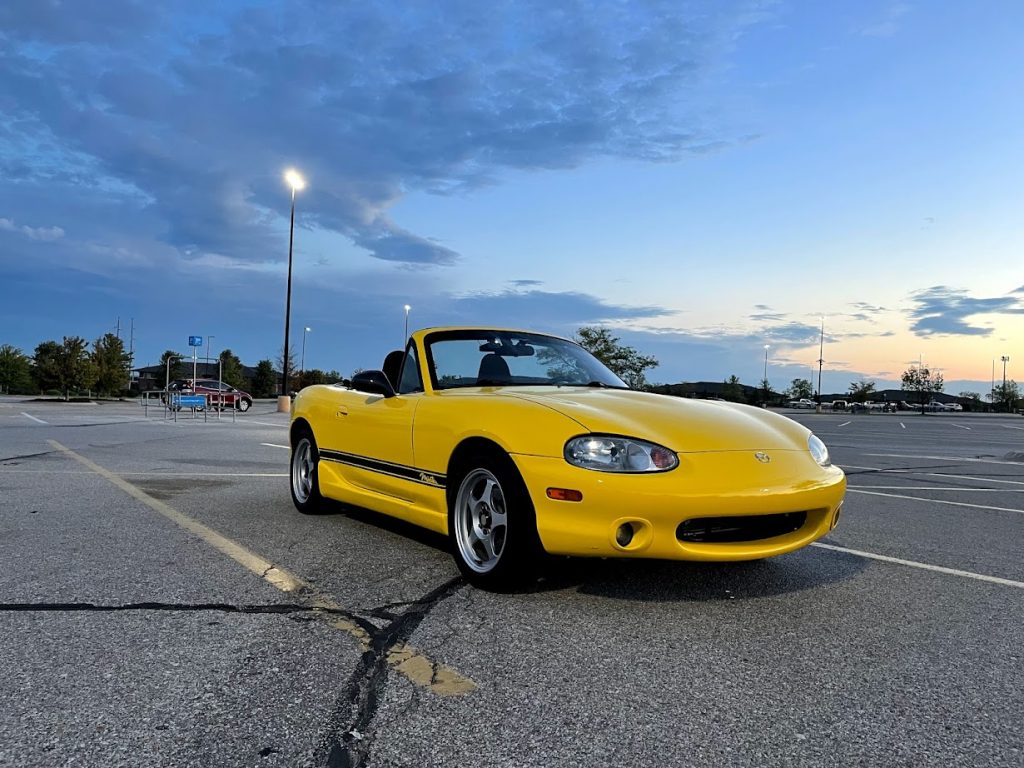
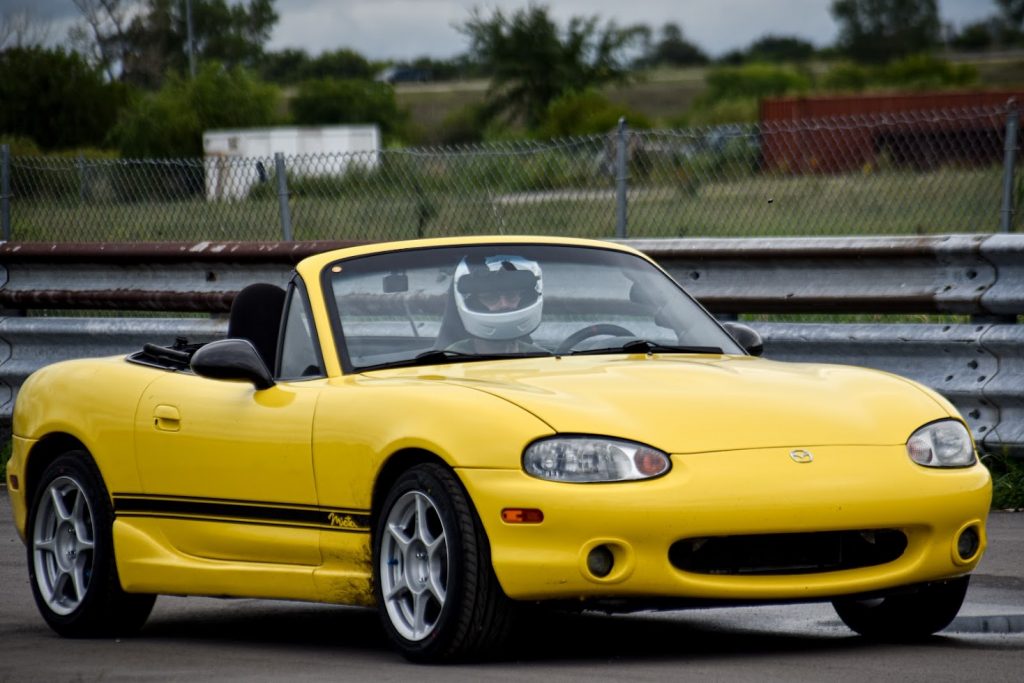
By August 2021, the vehicle had been fully encapsulated in a yellow vinyl wrap. This modification serves a dual purpose: it provides a distinctive visual identity suitable for a performance vehicle and protects the underlying factory paint from UV degradation and minor abrasions. The transition to a high-visibility color is a common trend in the Miata community, reflecting the car’s playful yet purposeful design language.
Phase IV: Competitive Testing and Performance Evaluation
The fourth quarter of 2021 marked the transition from aesthetic refinement to dynamic testing. In September, the vehicle participated in its first sanctioned track day at Raceway Park of the Midlands. Track days differ from standard driving in their sustained high-RPM operation and extreme thermal loading on the braking and cooling systems. The NB platform demonstrated its inherent balance, with its lightweight footprint (approximately 2,300 lbs) allowing for high cornering speeds despite its modest straight-line acceleration.
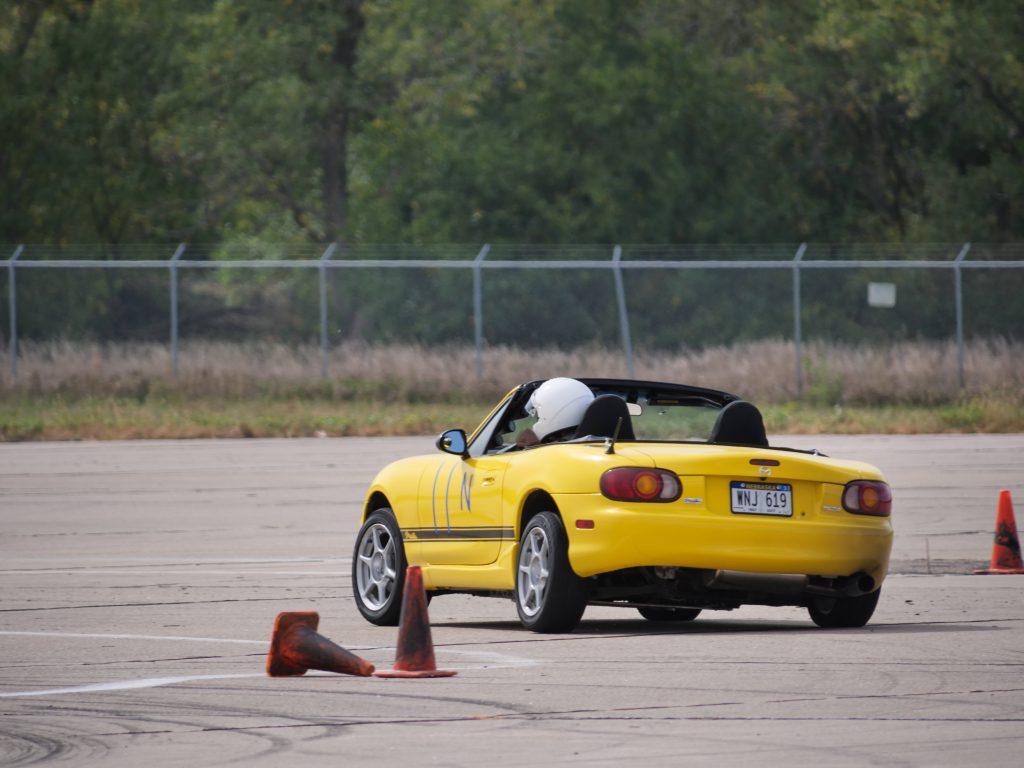
In October 2021, the vehicle was entered into autocross competitions. Autocross, characterized by low-speed, high-precision maneuvers through a pylon-defined course, emphasizes transitional handling and driver input. Data from these events indicated that while the vehicle was competent in stock form, improvements in suspension geometry and tire compound would be necessary to remain competitive in standardized classes.
Phase V: Winter Preservation and Structural Upgrades
As the climate in the Nebraska region transitioned to winter, the vehicle’s operational status was modified to avoid exposure to road salt, which is highly corrosive to the NB’s steel unibody. The NB generation is particularly susceptible to "quarter panel rot" and front frame rail corrosion. Consequently, the vehicle was utilized only during periods of dry, clear weather.
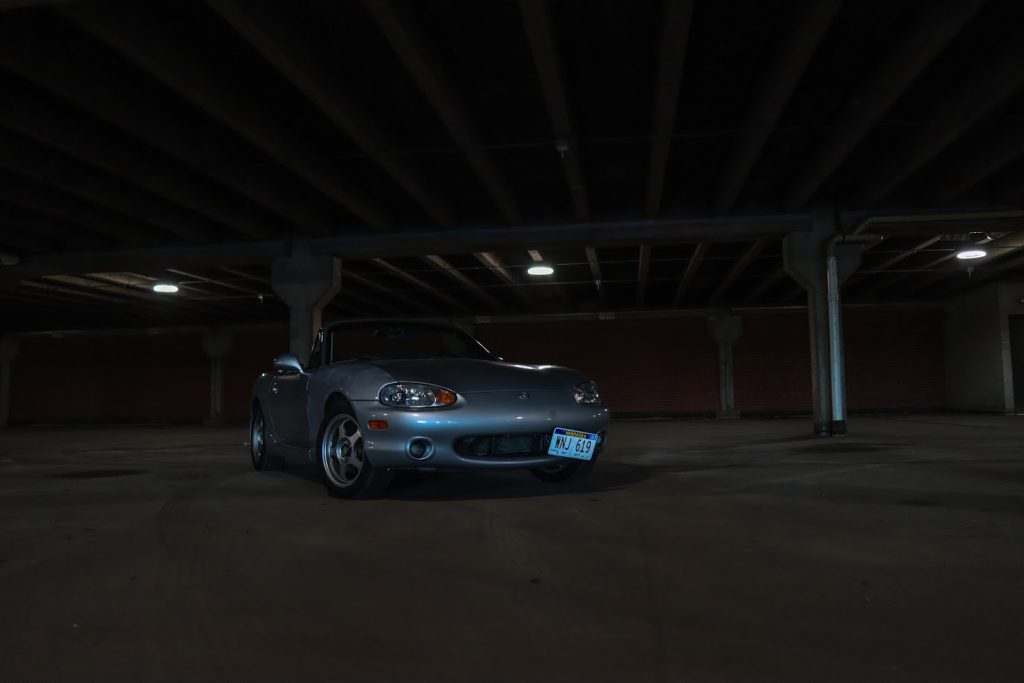
During the winter months of November and December 2021, the vehicle underwent a significant suspension overhaul. This included the installation of upgraded dampers and springs to lower the center of gravity and increase roll stiffness. Additionally, the vehicle was fitted with "M1ATA" vanity plates, coinciding with its registration renewal.
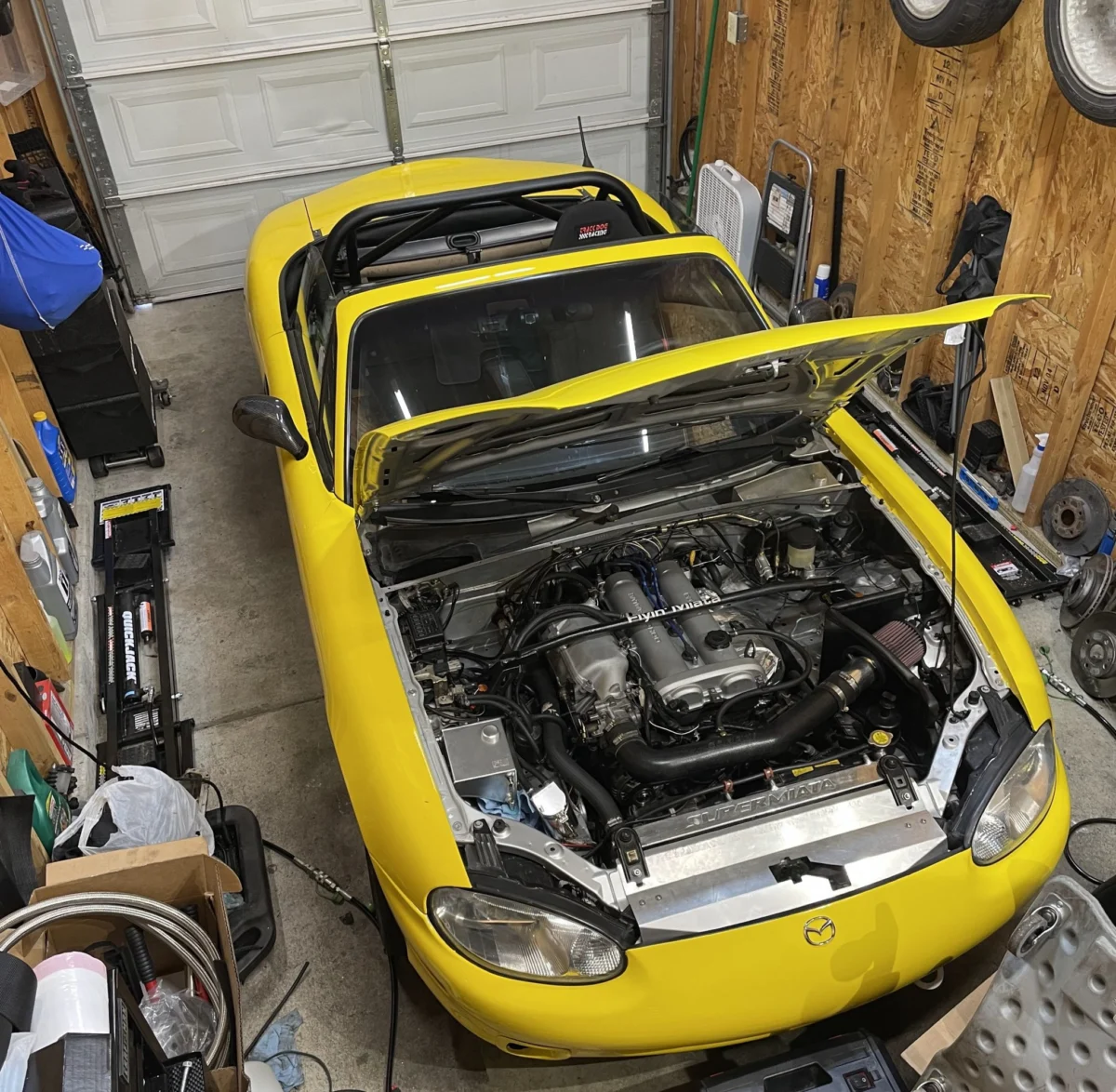
In January 2022, the project reached its most intensive mechanical phase: an "engine-out" service. While the engine was removed, several critical maintenance items were addressed:
- Rear Main Seal Replacement: To rectify a persistent oil leak at the crankshaft.
- Oil Drain Plug Repair: Remedying stripped threads in the oil pan.
- Coolant Reroute Installation: A critical cooling system modification for the B-series engine. In the factory transverse-to-longitudinal conversion, the cooling flow is suboptimal, leading to higher temperatures at the rear cylinders (Cylinder 4). The reroute kit restores the flow path to the original design intended for the 323 GTX, ensuring uniform thermal management across the cylinder head.
Phase VI: Safety Integration and Precision Alignment
The final phase of the first-year cycle occurred in February 2022, focusing on occupant safety and chassis precision. As the vehicle was slated for increased track usage, the factory seating and restraint systems were deemed inadequate. The following safety components were integrated:
- Track Dog Racing UltraShield Rally Sport Seats: Fixed-back racing seats that provide superior lateral support.
- Six-Point Racing Harnesses: To secure the driver more effectively than standard three-point belts.
- HANS Device: A Head and Neck Support system required by many sanctioning bodies to prevent basilar skull fractures during high-impact decelerations.
- Fire Extinguisher: Securely mounted within reach of the driver for emergency suppression.
A critical metric for track safety is the "broomstick test," which requires the driver’s helmet to sit below a line drawn from the top of the roll bar to the front structural members of the car. Achieving this clearance in a Miata often requires specialized "ultra-low" seat mounts.
Finally, the vehicle underwent a DIY alignment. Using manual measurement tools, the operator adjusted the camber, caster, and toe settings to optimize the contact patch during cornering. While less precise than a laser-guided professional alignment, the DIY approach allows for frequent "at-track" adjustments based on tire wear and handling characteristics.
Broader Impact and Market Implications
The year-long progression of this 2000 Mazda Miata reflects a broader trend in the automotive secondary market. As modern vehicles become increasingly complex and insulated, enthusiasts are gravitating toward "analog" platforms from the late 1990s and early 2000s. The NB Miata, in particular, represents a finite resource of lightweight, rear-wheel-drive engineering.
Market data suggests that the valuation of clean NB chassis has stabilized and, in many regions, begun to appreciate. This appreciation is driven by the vehicle’s dual-purpose nature; it remains one of the few platforms that can serve as a reliable daily driver while being capable of competitive motorsports with minimal modification. The technical journey outlined in this report demonstrates that with a disciplined approach to maintenance and a strategic upgrade path, a twenty-year-old economy sports car can meet and exceed modern performance standards.
Conclusion
One year after the initial acquisition, the 2000 Mazda Miata has transitioned from an unverified used car to a purpose-built performance machine. The transition involved 12 months of systematic upgrades, addressing every major automotive system: powertrain, drivetrain, suspension, safety, and aesthetics. As the 2022 season begins, the vehicle stands as a testament to the longevity of Mazda’s engineering and the robust support of the aftermarket industry. The project continues to serve as a benchmark for the NB platform’s capabilities in the modern era.