Johny Imanuel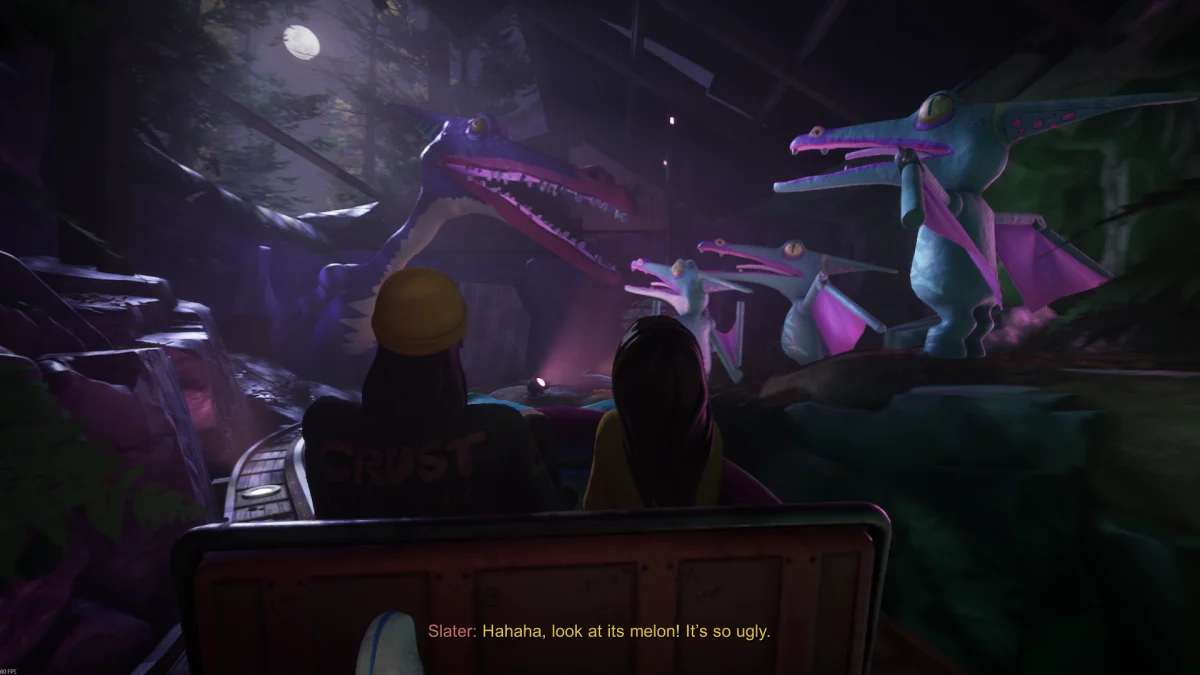
Mixtape, the latest narrative-driven project from developer Beethoven & Dinosaur and publisher Annapurna Interactive, represents a focused exploration of teenage rebellion, friendship, and the evocative power of music. Following the critical success of the studio’s previous title, The Artful Escape, Mixtape pivots from cosmic rock-and-roll odyssey to a more grounded, though no less stylized, coming-of-age story set against the backdrop of the 1990s. The game centers on Stacey Rockford, a self-described "playlist sommelier," as she and her two closest friends, Slater and Cassandra, navigate the final days of high school. The experience is structured as a series of playable vignettes triggered by a licensed soundtrack, blending low-stakes gameplay with a heavy emphasis on atmospheric storytelling.
Narrative Framework and Character Dynamics
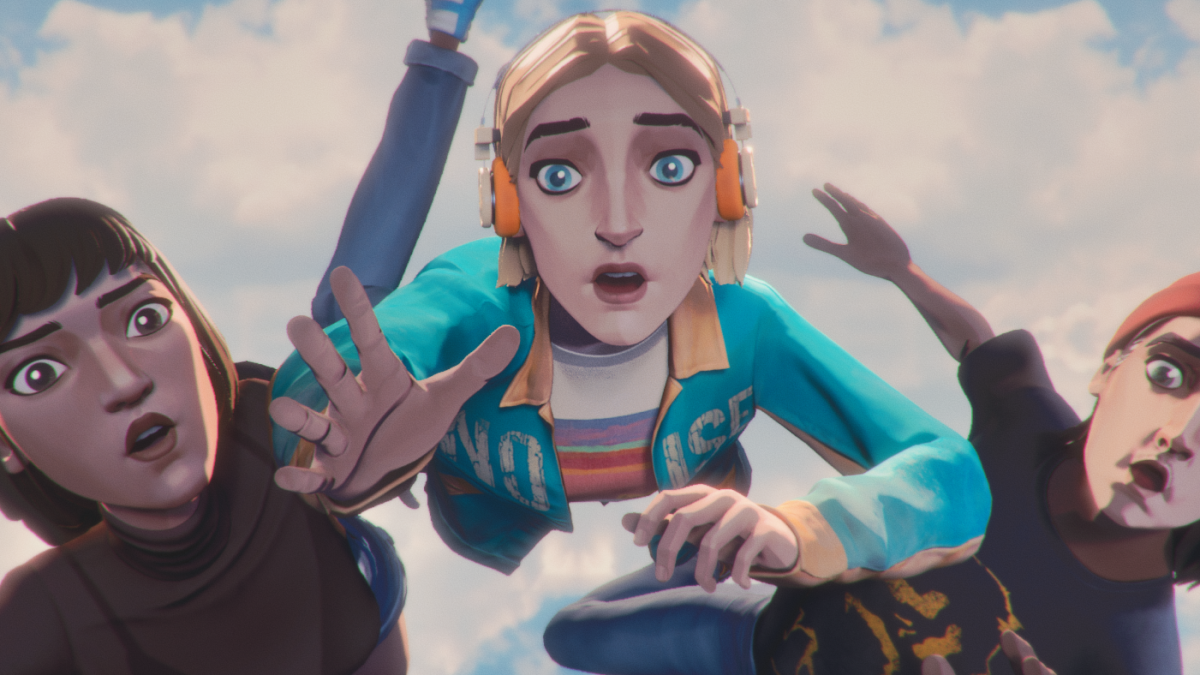
The narrative core of Mixtape is built upon the interpersonal chemistry of three distinct archetypes, each representing different facets of the teenage experience in the late 20th century. Stacey Rockford serves as the primary protagonist and the lens through which the player experiences the world. Characterized by her reckless confidence and an obsessive devotion to music, Stacey exhibits traits often associated with neurodivergence, particularly her hyper-fixation on auditory aesthetics and her "cosmic" belief in the power of the curated playlist. This fixation drives the game’s progression, as Stacey views her life not as a linear sequence of events, but as a compilation of moments defined by specific tracks.
Contrasting Stacey’s high-energy persona is Slater, who initially appears to fulfill the "stoner-bro" stereotype common in 90s media. However, the narrative introduces layers of sensitivity and empathy to his character, suggesting a depth that challenges his outward appearance. The trio is rounded out by Cassandra, who functions as the emotional anchor of the group. Raised in a strictly controlled household, Cassandra is an overachiever attempting to forge an independent identity by associating with the school’s more rebellious elements. Her character arc explores the tension between parental expectations and the desire for self-actualization, a theme that resonates throughout the game’s various flashbacks.
Gameplay Mechanics and Structural Design
Mixtape departs from traditional gaming conventions by prioritizing "structureless play" over complex mechanics or high-difficulty challenges. The gameplay loop typically involves exploring highly detailed environments, such as the protagonists’ bedrooms, and interacting with various objects to trigger narrative sequences. These interactions lead to "flashback" mini-games that simulate the aimless, often whimsical activities of adolescence.
The mini-games are diverse in theme but uniform in their simplicity. Players may find themselves engaged in backyard sports, participating in petty acts of vandalism like toilet-papering a principal’s house, or making trivial choices such as selecting flavors for a slushie. These segments are designed to be "fail-proof"; if a player stumbles, the game utilizes a rewind mechanic to allow for immediate retry, ensuring that the narrative flow remains uninterrupted. This design philosophy emphasizes the "vibe" of the moment over technical mastery, aiming to evoke a sense of nostalgia for a period of life characterized by lack of responsibility and spontaneous exploration.
The Role of the Licensed Soundtrack
Central to the identity of Mixtape is its titular feature: a curated selection of licensed music that dictates the pace and tone of the experience. The soundtrack spans several decades but maintains a heavy focus on the alternative rock and indie genres of the 1990s. This selection is intentionally anglocentric, reflecting Stacey’s specific—and perhaps narrow—musical tastes.
The music serves as more than just a background element; it is the diegetic engine of the game. Stacey’s belief that her mixtapes have the power to influence those around her is a recurring thematic point. While the game presents this as a "cosmic talent," the narrative also hints at a more grounded reality: Stacey’s forceful personality often overrides the preferences of her peers. This creates a subtle tension within the group, as Slater and Cassandra occasionally push back against Stacey’s musical authority, though the game largely focuses on the shared emotional resonance the music provides for the trio.
Development Context and Technical Specifications
Developed by the Australian studio Beethoven & Dinosaur, Mixtape continues the developer’s tradition of high-fidelity art styles and sound-focused gameplay. The studio first gained international recognition with The Artful Escape (2021), which was praised for its visual spectacle and its use of music as a primary interaction tool. Mixtape appears to be an evolution of this philosophy, moving away from the fantastical and toward a more relatable, nostalgic aesthetic.
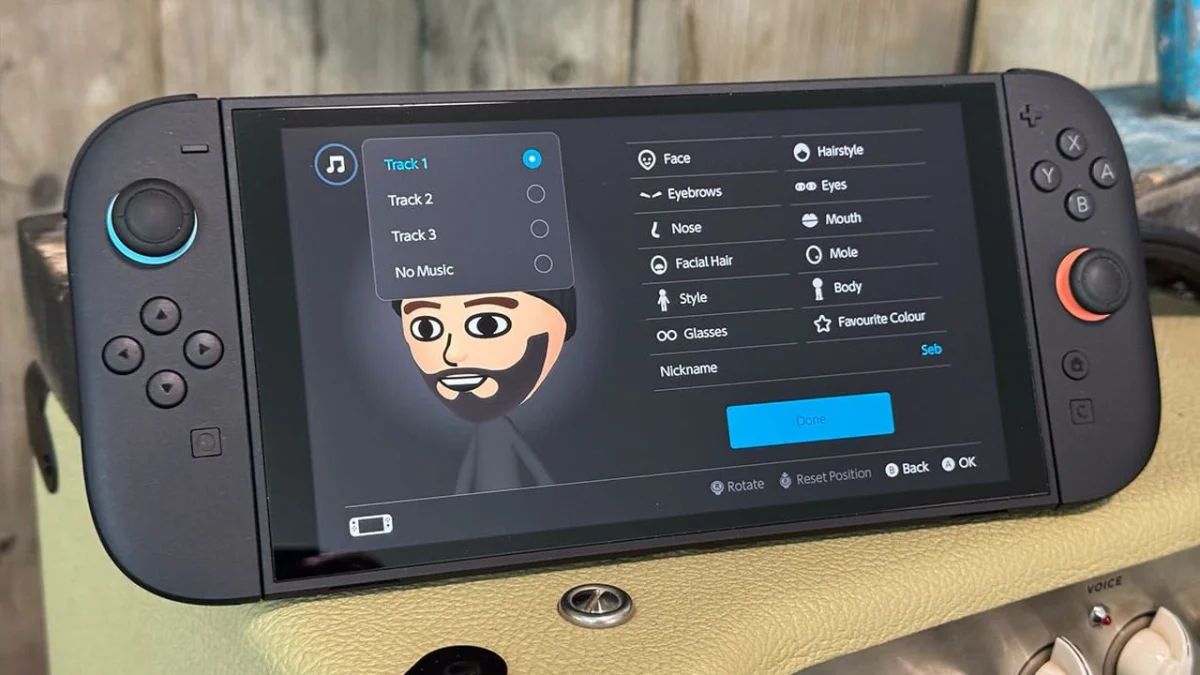
The game is slated for a multi-platform release, targeting both current-generation consoles and high-end PC hardware. Notably, the game is listed for the PlayStation 5, Xbox Series X/S, and PC via Steam and the Epic Games Store. References to the "Nintendo Switch 2" in promotional materials suggest that the developers are optimizing the game for upcoming hardware iterations, ensuring that the stylized visuals and complex audio layering are maintained across all versions.
Chronology of the Project
The development of Mixtape has followed a strategic rollout, beginning with its initial reveal during a major industry showcase.
- Announcement: The project was officially unveiled as a collaboration between Beethoven & Dinosaur and Annapurna Interactive, positioning it as a flagship indie title for the upcoming release cycle.
- Gameplay Previews: Early hands-on sessions highlighted the "vignette" structure of the game, focusing on the transition between exploration and musical flashbacks.
- Soundtrack Reveal: While the full tracklist remains under wraps to preserve narrative surprises, the developer has confirmed the inclusion of several high-profile alt-rock anthems that define the 90s era.
- Current Status: The game is in the final stages of optimization, with playtests focusing on the seamless integration of licensed tracks and the emotional pacing of the story.
Market Context and Genre Analysis
Mixtape enters a market that has shown a significant appetite for "nostalgia-core" and narrative-heavy indie games. It follows in the footsteps of titles like Life is Strange and Gone Home, which utilize specific time periods and cultural touchstones to ground their emotional beats. However, Mixtape distinguishes itself through its specific focus on the 90s and its refusal to rely on traditional "walking simulator" tropes, opting instead for a more interactive, albeit low-stakes, mini-game structure.
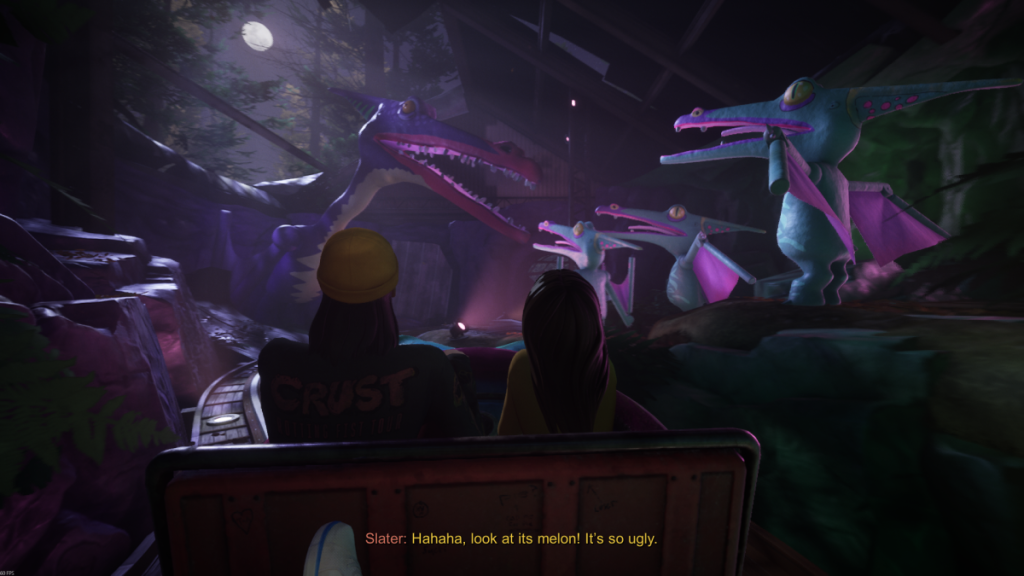
The game’s reliance on licensed music also places it in a unique category of "prestige indie" titles that invest heavily in audio rights to enhance the player’s immersion. This strategy, while expensive and legally complex, allows for a level of cultural authenticity that original scores often cannot replicate. By tapping into the collective memory of the 90s, Mixtape aims to appeal to both older players who lived through the era and younger audiences drawn to the aesthetic of "weapons-grade nostalgia."
Broader Implications and Industry Impact
The release of Mixtape highlights several ongoing trends within the video game industry. First, it underscores the continued importance of "mood" and "atmosphere" as primary selling points for independent titles. In an era where AAA games often compete on the basis of scale and graphical fidelity, indie developers are finding success by focusing on specific, relatable human experiences and stylized art directions.
Second, the game’s structure reflects a growing interest in "low-friction" gameplay. By removing the threat of failure and focusing on the joy of interaction, Beethoven & Dinosaur are catering to a demographic of players who view games as a medium for relaxation and emotional engagement rather than high-octane challenge. This "cozy" approach to a teen drama suggests a broadening of the genre’s appeal.
Finally, the thematic exploration of Stacey’s neurodivergence and the trio’s search for identity suggests a move toward more nuanced character writing in the medium. While the game acknowledges the tropes of the 90s teen movie, it seeks to interrogate them by providing a more intimate look at the internal lives of its protagonists. Whether Mixtape will successfully balance its "kitschy" presentation with its genuine emotional core remains a point of interest for critics and players alike as the game moves toward its official launch.