Retno Hari Mulyono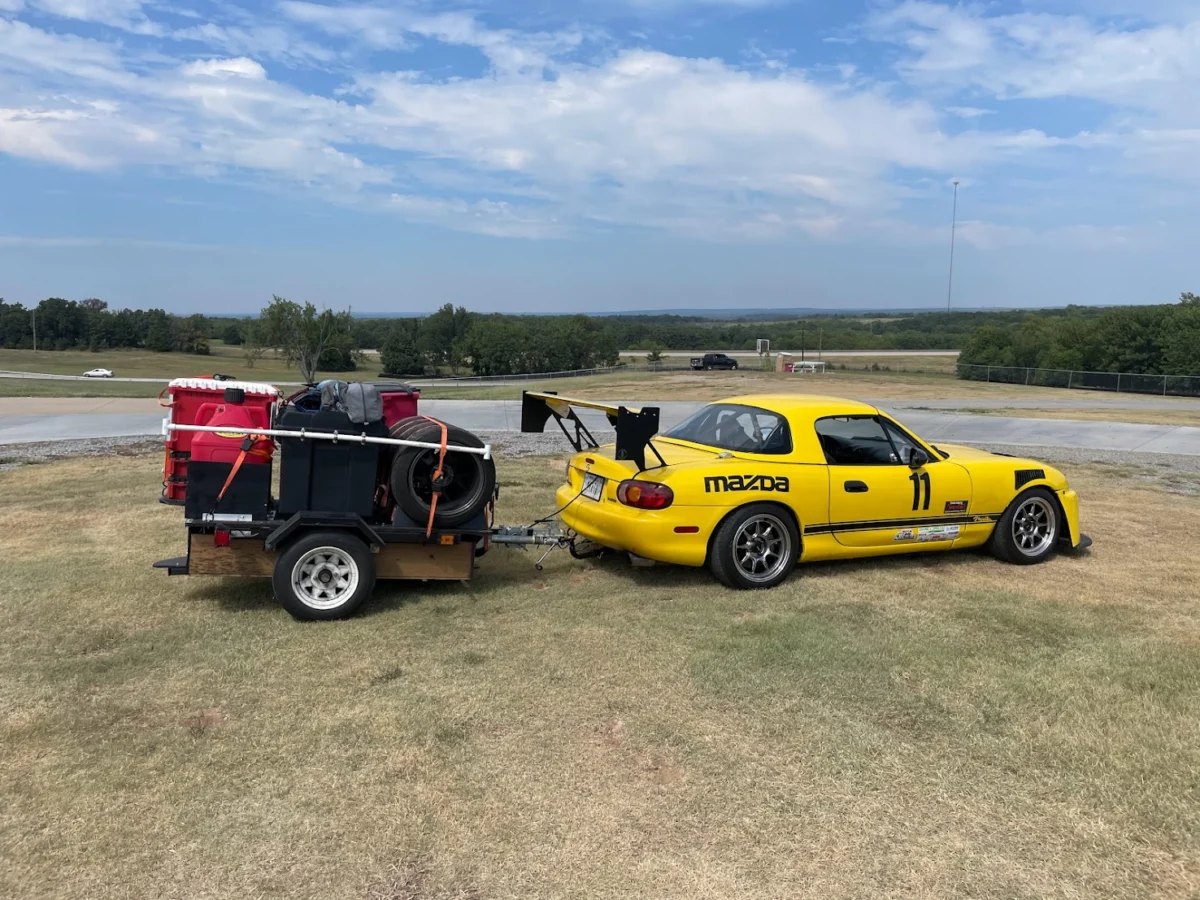
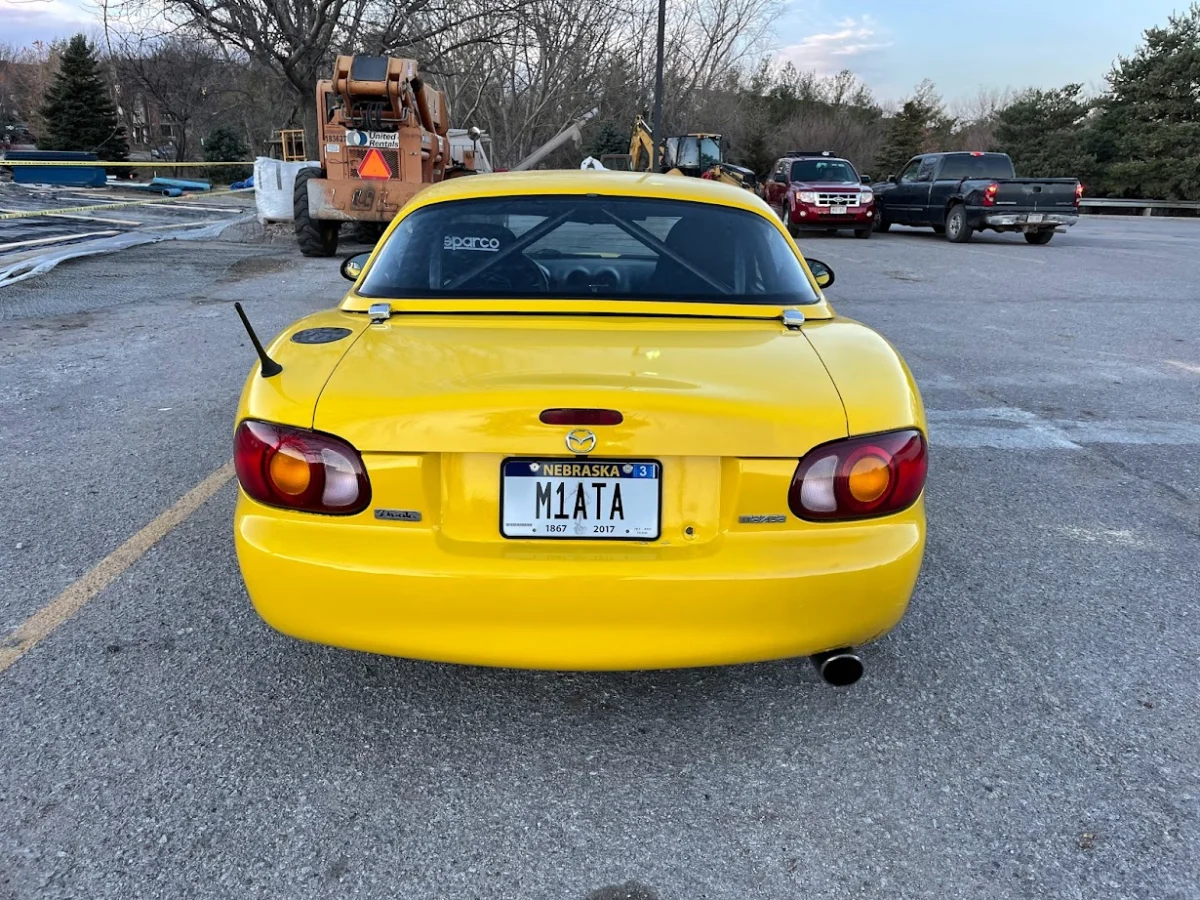
Three Years of NB Miata Ownership: A Comprehensive Journey Through Track Development, Technical Refinement, and Regional Motorsports Evolution marks a significant milestone in the lifecycle of a grassroots motorsports project, documenting the transition from a street-capable convertible to a dedicated, aerodynamically optimized time-attack vehicle. Over the course of a 12-month period spanning March 2023 to February 2024, the vehicle underwent a rigorous schedule of 15 track days and 15 autocross events across five different states. This period was defined by technical setbacks, the acquisition of critical performance data, and a shifting regional racing landscape characterized by both the opening of world-class facilities and the controversial closure of historic venues.
Technical Infrastructure and Logistics: The Tire Trailer Evolution
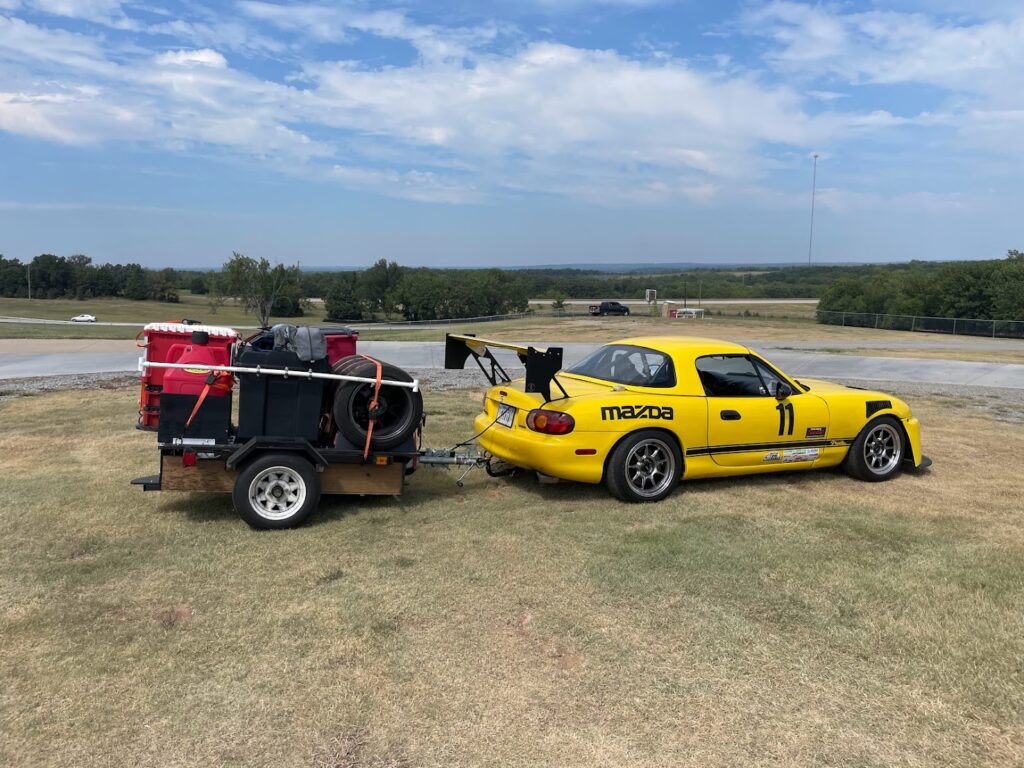
The 2023 season began not with modifications to the vehicle itself, but with enhancements to the support infrastructure required for long-distance track travel. In March 2023, the owner implemented a series of upgrades to a custom-built tire trailer, a necessity for drivers who eschew traditional truck-and-trailer setups in favor of "driving to the grid."
The upgrades included the installation of a lower deck positioned just below the axle to lower the center of gravity and increase storage volume. Logistics were further streamlined by replacing dual five-gallon fuel jugs with a single 15-gallon cell, reducing pit-stop complexity. Most notably, the trailer was modified to serve as a mobile workshop, featuring mounts for spare aerodynamic splitters and a specialized tube for transporting varying sizes of Gurney flaps. This emphasis on logistical self-sufficiency reflects a growing trend in the "Drive It To The Track" (DITT) community, where reliability and organization are as critical as lap times.
Aerodynamic Development and Structural Challenges
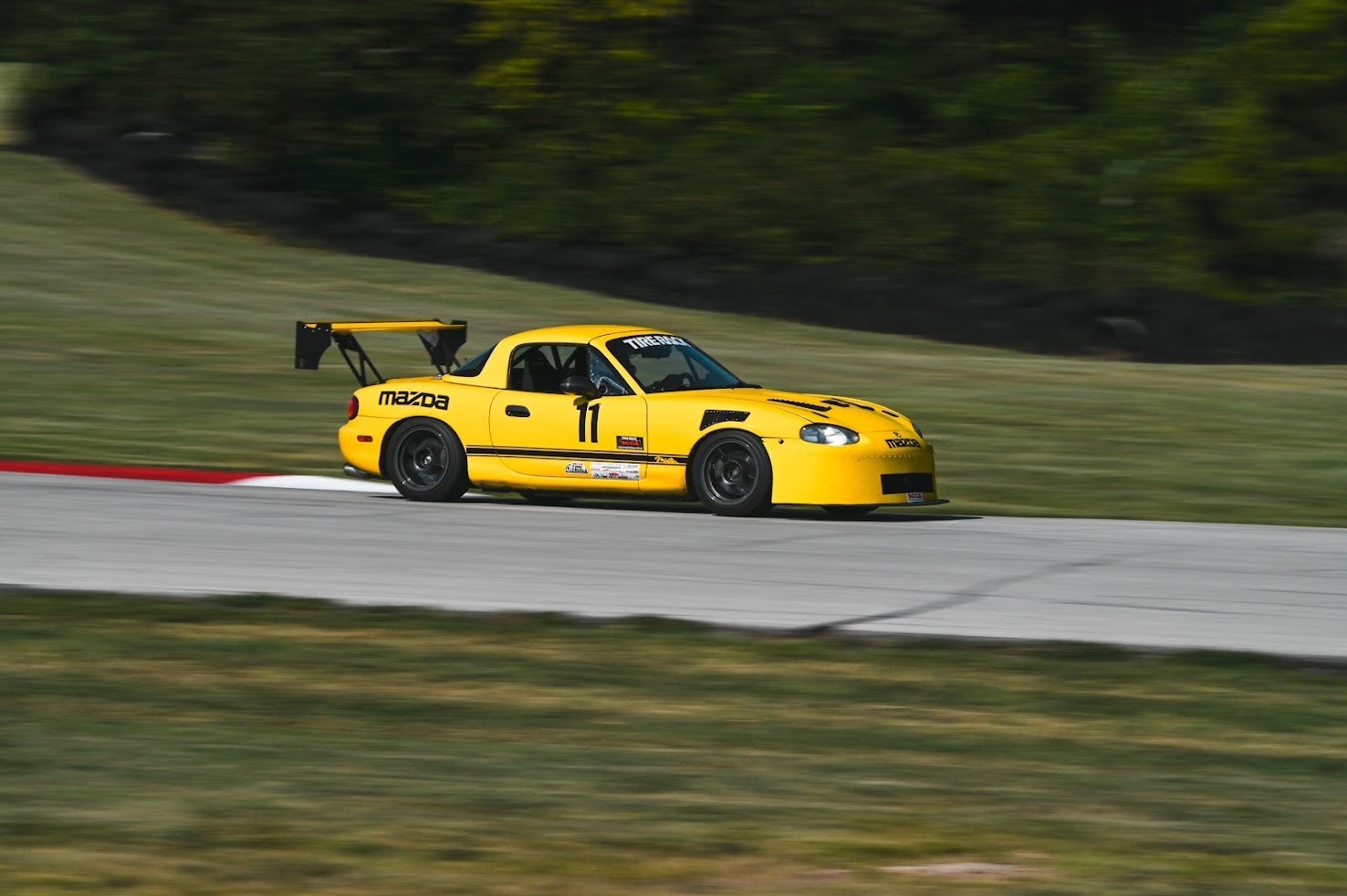
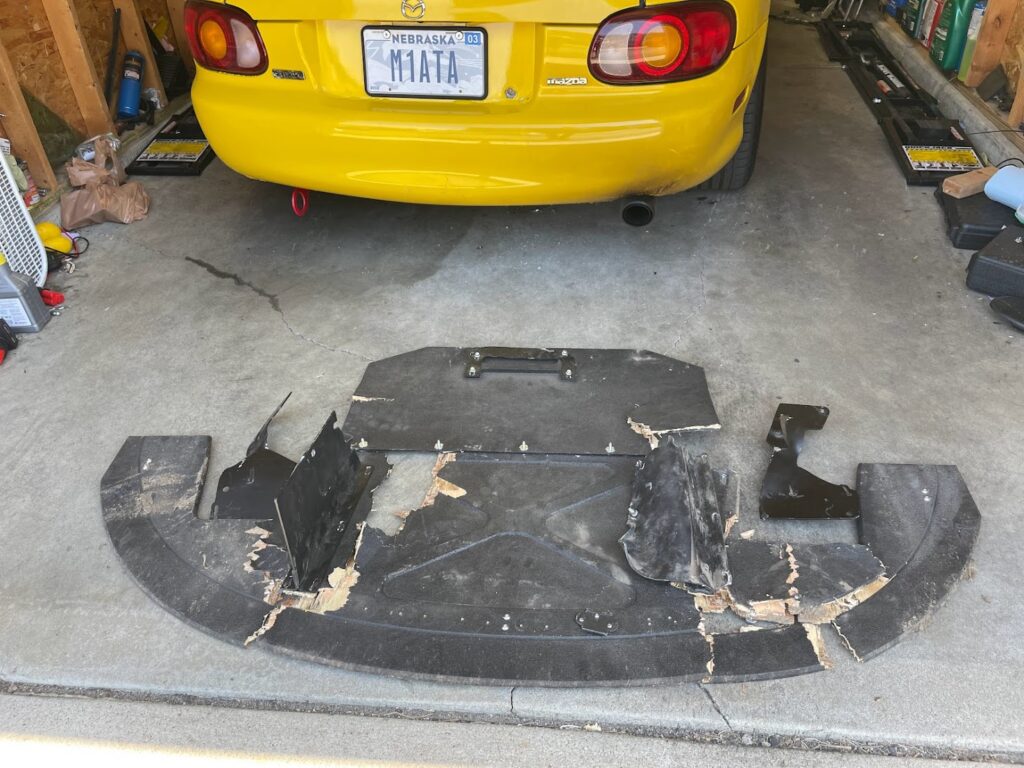
The integration of high-downforce aerodynamics often introduces new failure points in a chassis not originally designed for such loads. Following the installation of a Nine Lives Racing medium downforce kit, the vehicle faced its first major setback in April 2023. During a high-speed session at a regional circuit, an off-track excursion resulted in the total destruction of the front splitter and significant damage to the radiator support and splitter mounts.
The recovery process highlighted the practicalities of grassroots racing. The driver utilized 1/4-inch plywood to fabricate a temporary replacement for an autocross event the following day, eventually settling on a more robust 1/2-inch plywood design with reinforced side supports. Engineering analysis of the incident suggested that while the Nine Lives Racing kit provided substantial grip, the increased front-end "bite" required a recalibration of entry speeds and a more robust mounting strategy to withstand the physical realities of track-side curbing and occasional off-track excursions.
The Regional Landscape: Heartland Closure and Ozarks Expansion
The 2023 season was set against the backdrop of significant changes in the Midwestern motorsports infrastructure. In May, the vehicle competed in the SCCA Time Trials at Heartland Motorsports Park in Topeka, Kansas. This event took on historical weight following the track’s subsequent closure at the end of the 2023 season. The facility, a staple of American road racing for decades, shuttered following a protracted dispute over property taxes, with the land eventually being auctioned off in separate parcels.
The loss of Heartland was partially offset by the rise of Ozarks International Raceway (OIR) in Missouri. The vehicle’s visit to OIR in July 2023 provided a stark contrast to the flatter Midwestern circuits. Characterized by extreme elevation changes and blind apexes, OIR has quickly gained a reputation as one of the most challenging tracks in North America. The driver’s experience there emphasized the importance of aerodynamic stability and mechanical reliability, as the track’s concrete barriers offer little room for error compared to the wide runoff areas of older SCCA-style venues.
Drivetrain Reliability and Engine Management
Mechanical endurance remained a central theme throughout the third year of ownership. In July 2023, en route to an event, the vehicle suffered clutch slippage. Due to immediate scheduling pressures, a standard organic replacement was installed, highlighting the constant tension between optimal performance parts and the immediate need for "seat time."
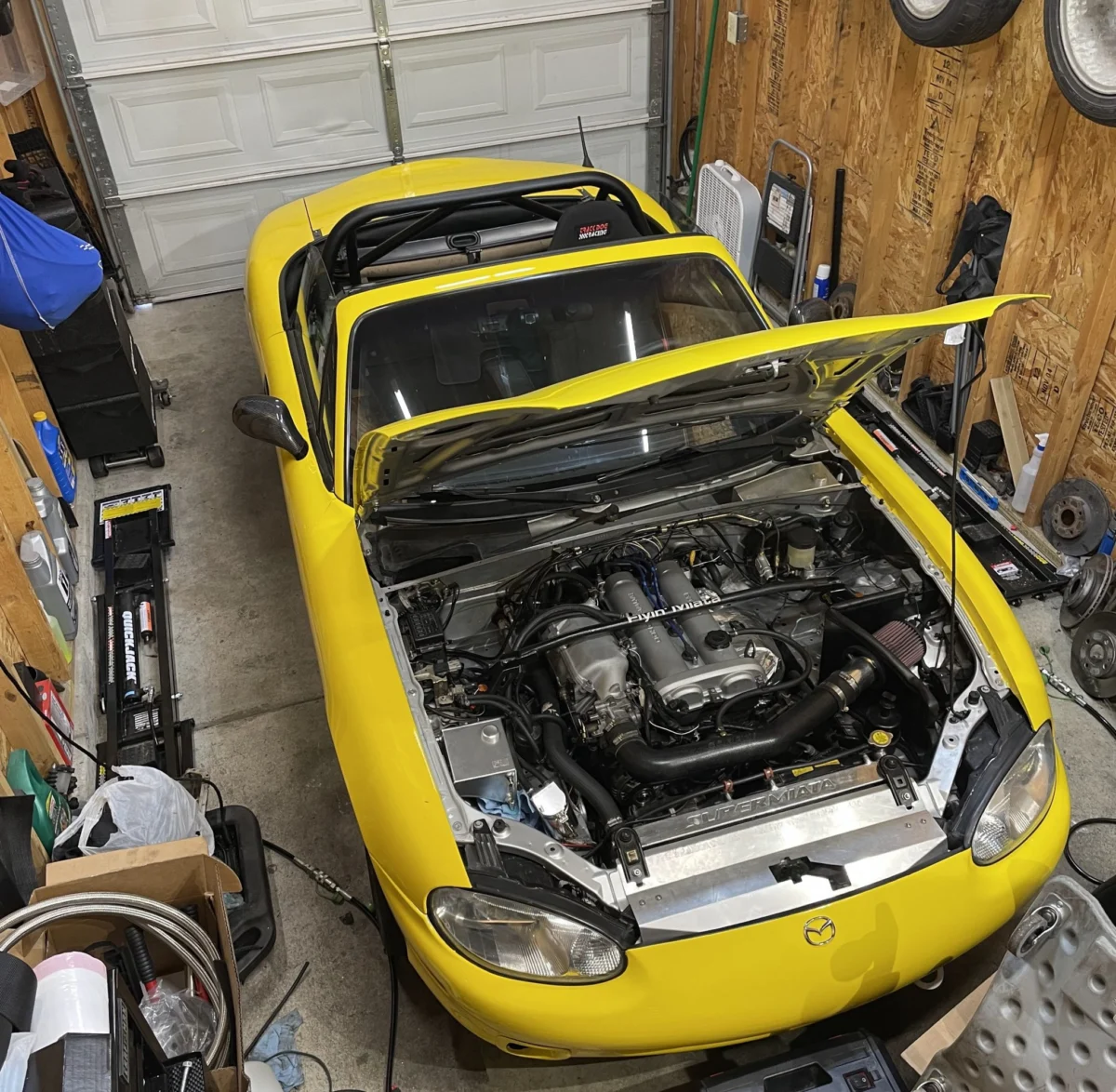
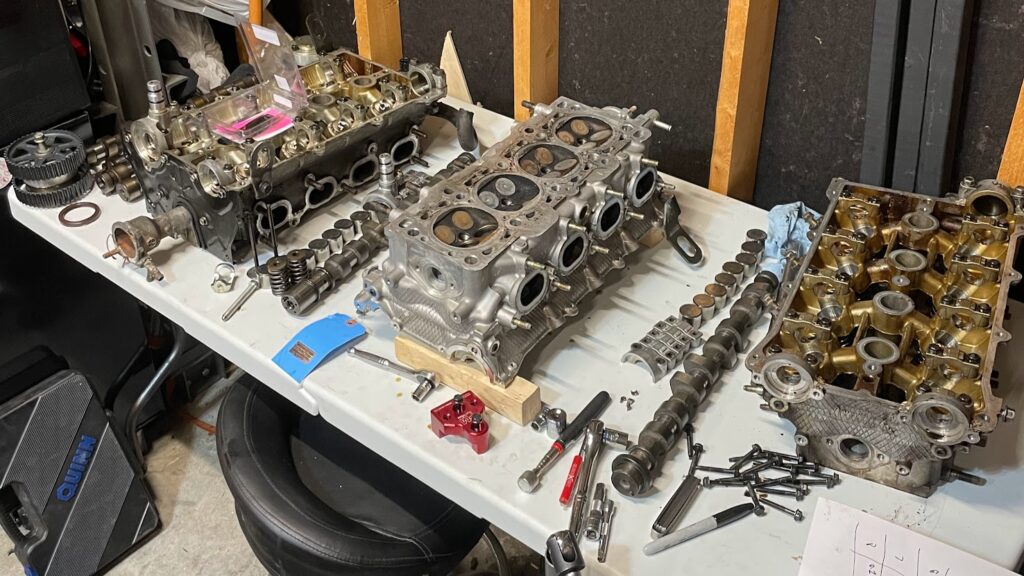
By October 2023, attention turned to the aging factory BP4W engine. Despite several reliability upgrades—including a Boundary Engineering oil pump, a coolant reroute, and upgraded valve springs—the engine began exhibiting signs of wear, specifically oil consumption at high RPM and smoking during engine braking. This prompted a comprehensive evaluation of the owner’s "engine graveyard," which included two BP4W motors and a BP6D (VVT) unit.
The technical solution involved a hybrid build: a rebuilt BP4W bottom end combined with a BP6D cylinder head and pistons. This configuration aims to leverage the variable valve timing of the later NB2 Miata generation while maintaining the structural familiarity of the original block. This type of modular engine building is a hallmark of the Miata community, where the interchangeability of parts across the 1990–2005 model years allows for tailored power delivery.
Data-Driven Performance Analysis: Tires and Lap Times
The 2023 season provided a wealth of comparative data regarding tire longevity and performance in the 200-treadwear (TW) category, which is the standard for most SCCA and NASA street-class competitions.
Tire Performance Metrics:
- Falken RT660 (225/45R15): Utilized for 15 track days, totaling 8.5 hours of track time and 38 heat cycles. The tires maintained competitive grip levels throughout the season, though the driver noted plans to transition to the Nankang CRS v2 for the 2024 season to seek further marginal gains.
- Bridgestone RE71-RS: Used for 17 autocross events (approximately 70 runs). These tires showed remarkable resilience, retaining sufficient tread for further use, though they will be replaced by the Yokohama A052 for future competition due to the latter’s superior "peak" grip characteristics.
- Continental ExtremeContact Sport: Employed as a "wet weather" tire, these provided surprising parity with older, heat-cycled Hankook RS4s, suggesting that modern "ultra-high performance" (UHP) street tires are closing the gap with dedicated track rubber in specific conditions.
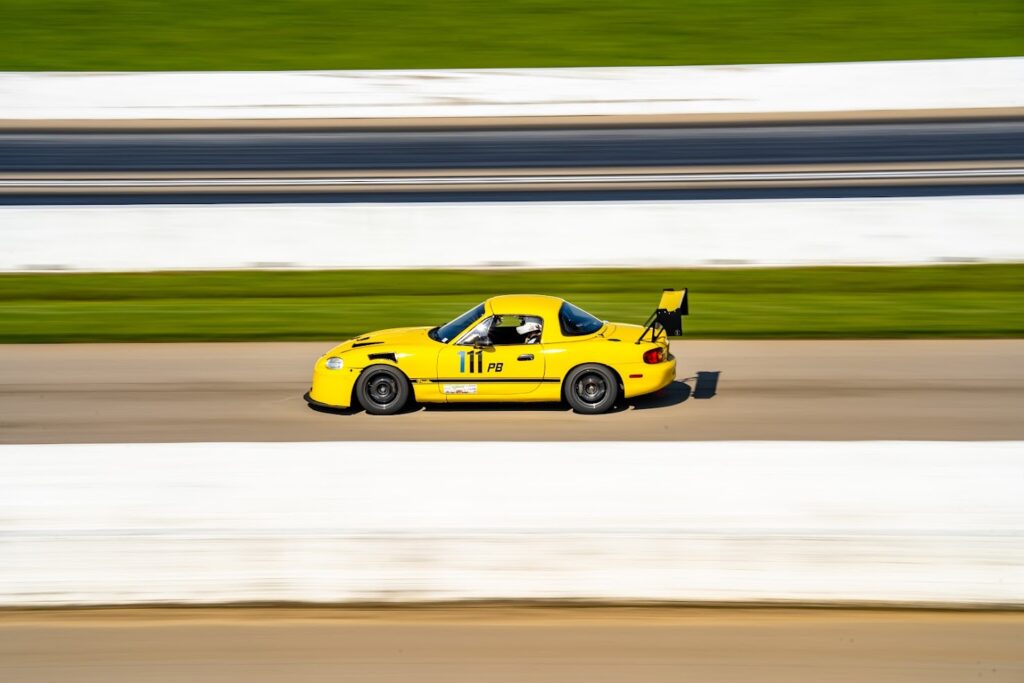
In terms of raw speed, the vehicle achieved a personal best of 1:42.78 at Motorsports Park Hastings. For context, the NASA Spec Miata lap record at the same facility stands at 1:40.415. The 2.3-second delta suggests that while the vehicle is highly competitive, there remains significant room for improvement in high-speed cornering, specifically in Turn 3, where the driver’s previous aerodynamic failure created a psychological barrier to taking the corner at full throttle.
Weight Reduction and Driver Ergonomics
During the winter hiatus of late 2023 and early 2024, the focus shifted from power to the power-to-weight ratio. To remain competitive in SCCA Time Trials classes, which are governed by strict weight-to-horsepower formulas, the owner embarked on a significant weight-saving program.
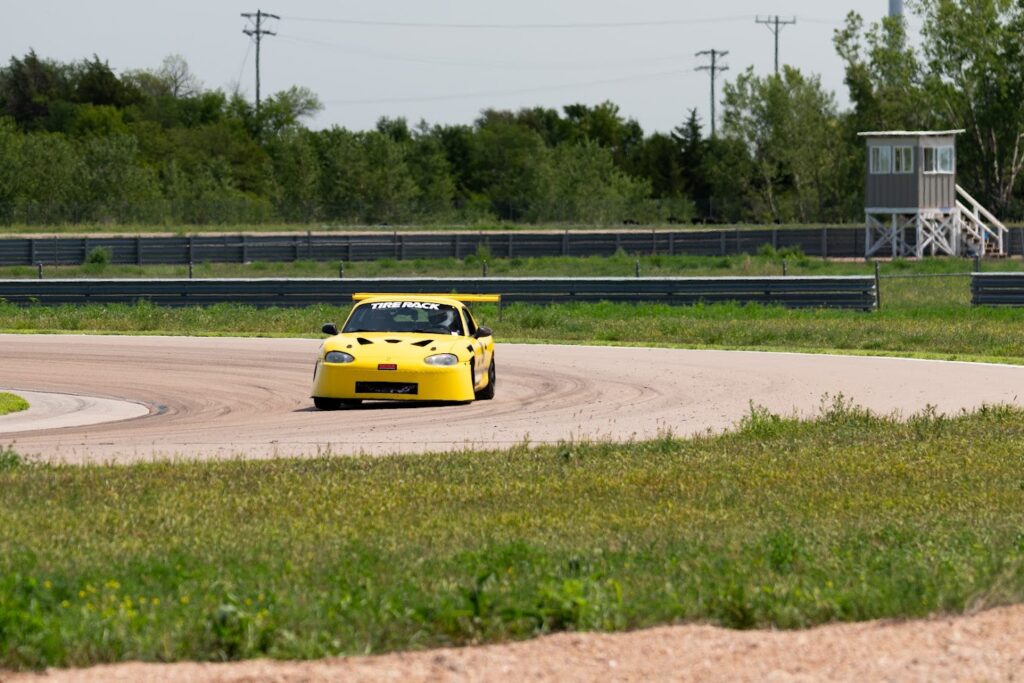
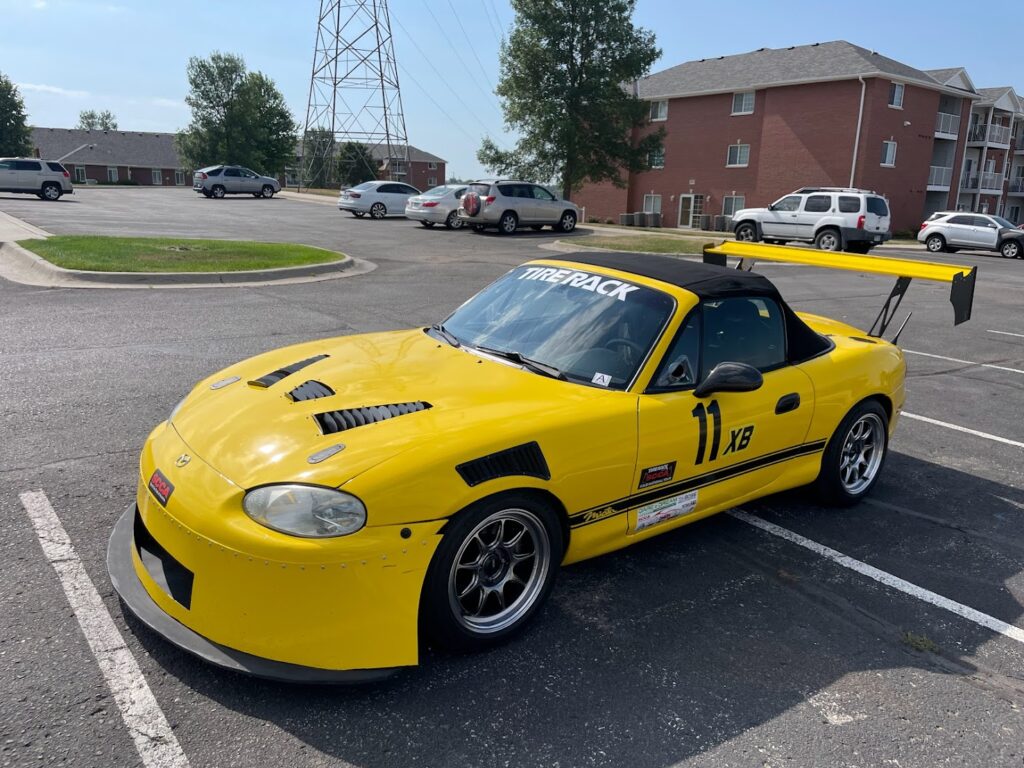
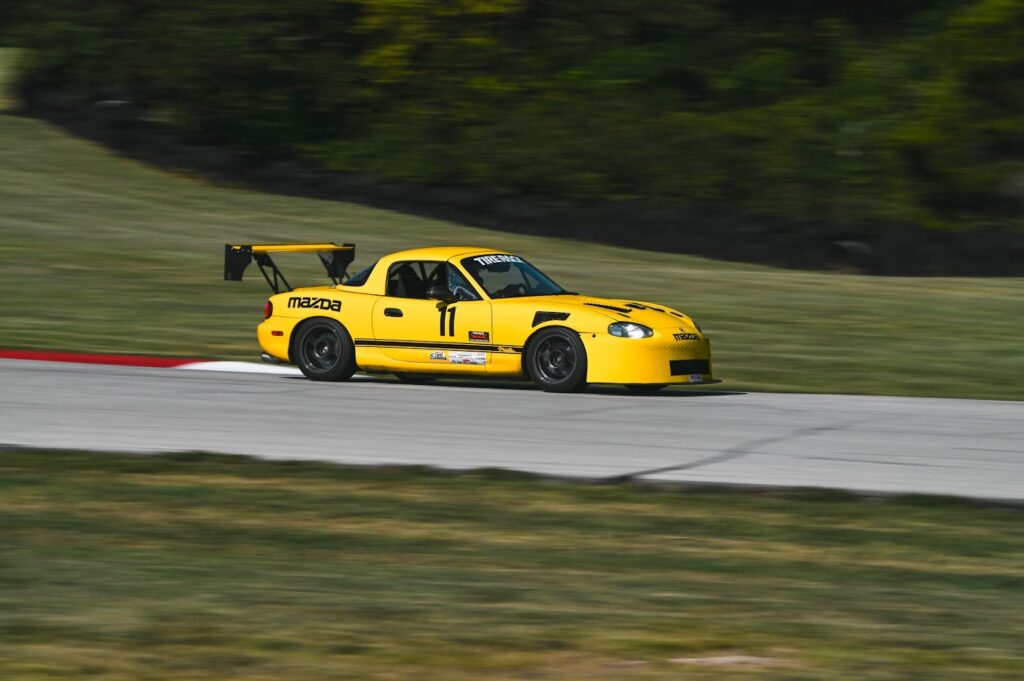
By removing the dashboard, thinning the wiring harness, and eliminating the soft top in favor of a permanent hardtop, the vehicle shed approximately 50 pounds. The removal of the soft top was a strategic decision driven by aerodynamic data; testing indicated that the rear wing’s efficiency was significantly compromised by the turbulent air of an open-top configuration.
Interior refinements also included the installation of an OMP 330mm quick-release steering wheel. Beyond the weight savings of removing the factory airbag system, the quick-release hub facilitates easier ingress and egress—a critical safety factor when the vehicle is equipped with a fixed-back racing seat and a roll cage. Furthermore, the "Cool Shirt" system, an essential piece of driver-cooling equipment for summer endurance, was moved from the passenger seat to a custom-fabricated aluminum bracket in the trunk, improving cabin ergonomics and allowing for the carriage of passengers during instructor-led sessions.
Broader Impact and Future Implications
The three-year evolution of this NB Miata reflects the broader state of amateur motorsports in 2024. The reliance on plywood aerodynamics and DIY engine rebuilding demonstrates the enduring appeal of the Mazda MX-5 platform as a cost-effective entry point into high-performance driving. However, the transition toward "extreme" modifications—such as dash removal and dedicated aero—highlights a growing divide between casual track-day enthusiasts and those pursuing competitive Time Trials trophies.
As the vehicle enters its fourth year, the looming question of forced induction remains. While the current naturally aspirated setup is praised for its reliability and "momentum car" characteristics, the driver noted that reaching the top of the Time Trials podium will likely require a move toward turbocharging or supercharging to maximize the allowable power-to-weight limits of the class.
The closure of Heartland Motorsports Park serves as a cautionary tale for the industry, emphasizing that the future of the sport relies not just on the cars, but on the political and economic stability of the venues that host them. For the owner of this NB Miata, the 2024 season represents a new chapter of refined competition, where the lessons learned from broken splitters and tax-shuttered tracks will be applied to a lighter, faster, and more technically sophisticated platform.