Johny Imanuel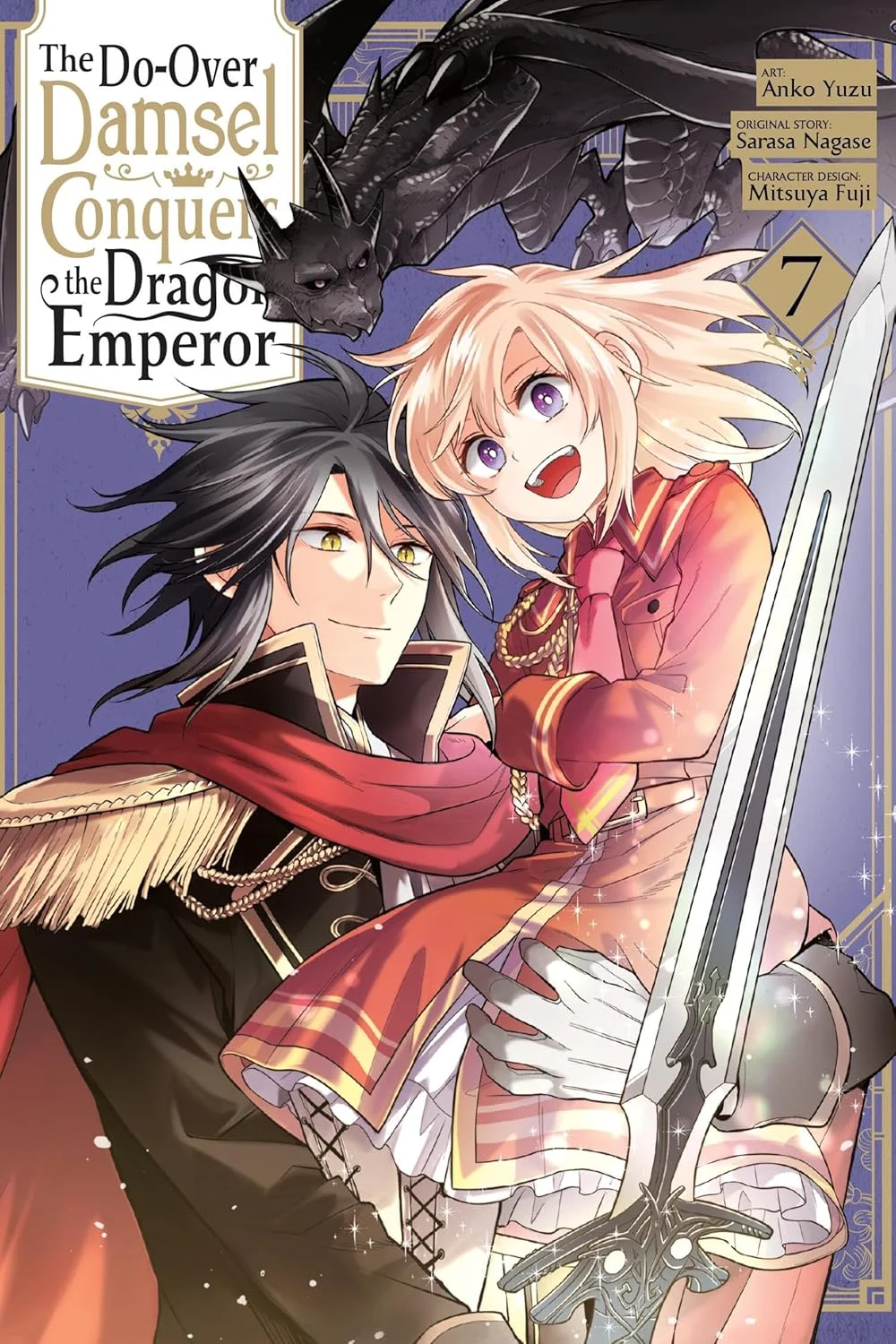
Narrative Evolution and the Strategic Pivot of Volume 7
The seventh volume of the manga adaptation serves as a culmination of the "survival mode" phase that characterized the earlier entries. In the initial volumes, the primary tension was derived from Jill’s desperate attempts to navigate her new reality and prevent the tragic events of her first life from recurring. However, Volume 7 shifts the focus toward stabilization and proactive governance. The volume effectively concludes the immediate threat posed by internal political instability within the Rave Empire, specifically addressing the insurrection led by Hadis’s uncle, George, and the betrayal of his sister, Princess Elentzia.
The resolution of these plot threads is handled through a combination of tactical combat and psychological depth. Jill’s character growth is particularly notable; she is no longer merely reacting to the timeline she remembers but is actively reshaping the world through her agency. This volume highlights her ability to operate without the crutch of magic, relying instead on the martial prowess and strategic intellect she cultivated in her previous life as a commander. This reinforces the series’ core theme: that knowledge and willpower can override predestined tragedy.
Chronological Overview: From Execution to Reformation
To understand the weight of the events in Volume 7, it is necessary to examine the chronological progression of Jill’s "do-over" timeline. In her original life, Jill was a celebrated military leader for the Kingdom of Kratos, eventually betrayed by her fiancé, Prince Gerard, and executed on false charges of treason. Her death served as the catalyst for her regression to age ten, occurring at the exact moment she was supposed to accept Gerard’s proposal.
- The Proposal (Volume 1): Jill rejects Gerard and immediately proposes to Hadis, who happens to be passing through. This act creates a massive divergence from the original timeline.
- The Domestic Phase (Volumes 2-3): Jill and Hadis navigate their new engagement. Jill discovers that Hadis, far from being the bloodthirsty tyrant of history, is a socially awkward, kind-hearted man who is largely a victim of his own overwhelming magical power and the neglect of his family.
- The Lore Expansion (Volumes 4-5): The series delves into the geopolitical friction between the Rave Empire and the Kingdom of Kratos. It introduces the Dragon God Rave and explores the "Heavenly Sword" lore, which dictates the succession and power of the Dragon Emperor.
- The Coup Arc (Volumes 6-7): The betrayal by Princess Elentzia and Uncle George takes center stage. This arc tests the bond between Jill and Hadis, culminating in the rescue operation and the confrontation with the true mastermind behind the empire’s corruption.
Tactical Brilliance: Jill’s Role as the Dragon Consort
A defining feature of Volume 7 is Jill’s engagement with a Black Dragon. Despite her lack of active magic in her current form, she utilizes her knowledge of dragon behavior and military tactics to secure an alliance. This scene serves a dual purpose: it demonstrates Jill’s worthiness as the "Dragon Consort" to the skeptical citizens of the Rave Empire and provides a logical path for the rescue of Hadis, who had been captured through the use of a fraudulent Heavenly Sword.
Jill’s refusal to be "gaslit" or manipulated by the primary antagonist is a high point of the volume. While many protagonists in the genre fall victim to narrative misunderstandings for the sake of drama, Sarasa Nagase writes Jill as an experienced veteran. Her ability to see through deceptions and maintain her resolve even when faced with overwhelming odds provides a refreshing departure from standard shoujo tropes. She successfully prevents Hadis from succumbing to the rage that transformed him into a villain in the first timeline, thereby officially "conquering" the Dragon Emperor not through force, but through emotional support and strategic intervention.
Supporting Data: The Popularity of the "Do-Over" Subgenre
The success of The Do-Over Damsel Conquers the Dragon Emperor reflects a broader trend in the manga and light novel industry. The "reincarnation" and "time-loop" tropes have seen a surge in popularity, particularly when applied to female protagonists who take on traditionally masculine roles such as knights or military strategists. According to industry sales data from Oricon and major digital platforms, series that combine romance with high-stakes political intrigue often outperform traditional romance titles.
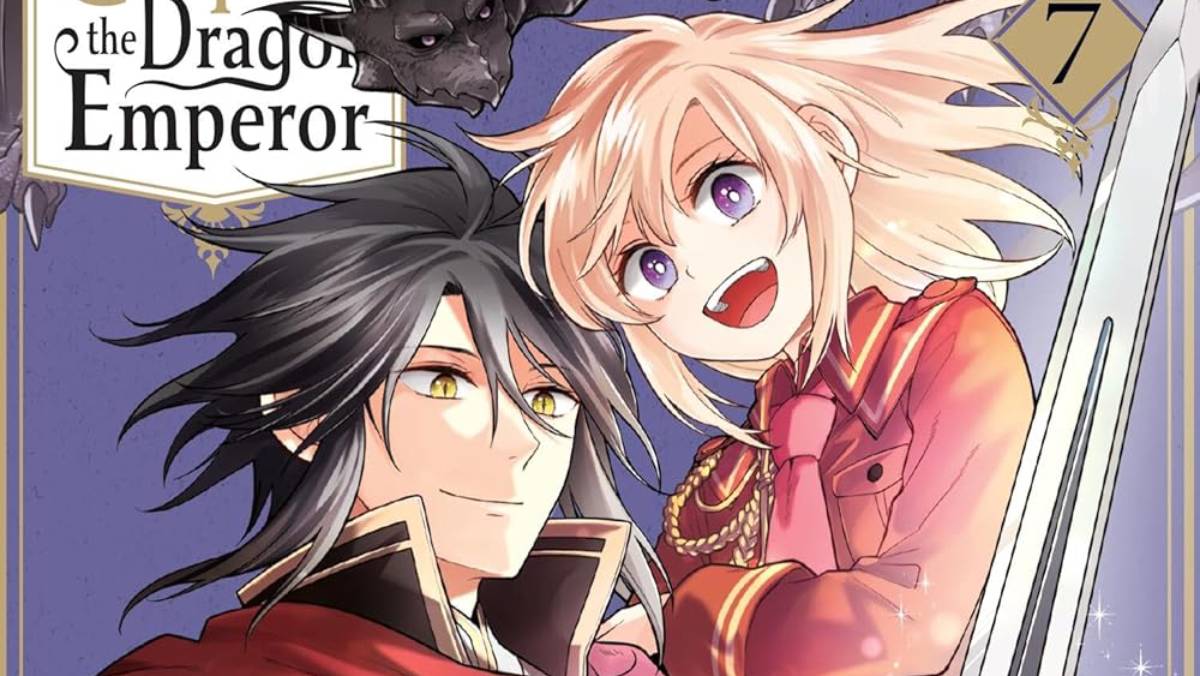
Sarasa Nagase is a prominent figure in this space, also known for I’m the Villainess, So I’m Taming the Final Boss. Her works consistently rank high on digital storefronts like BookWalker and Amazon Kindle. The adaptation of The Do-Over Damsel into an anime, which premiered in late 2024, has further bolstered the manga’s visibility. The anime’s production by J.C.Staff and its availability on global streaming platforms like Crunchyroll have introduced the series to a wider international audience, leading to increased demand for the English-language volumes published by Yen Press.
Official Responses and Editorial Significance
While creators Sarasa Nagase and Anko Yuzu generally communicate through social media and author notes, the editorial direction of the manga suggests a long-term commitment to world-building. Reviewers from major manga outlets have noted that Volume 7 feels like the end of a "prologue" or the first major act of the story. The resolution of the family conflict within the Rave Empire provides a sense of closure, yet the introduction of the "mastermind" ensures that the stakes remain high.
Yen Press, the North American publisher, has positioned the series as a flagship title in its fantasy-romance lineup. The marketing strategy emphasizes Jill’s strength and independence, catering to a demographic that values capable female leads. The consistency of the art style and the pacing of the adaptation have been cited as key factors in the manga’s critical success.
Broader Impact and Future Implications
The conclusion of Volume 7 leaves the main cast in a rare position of stability. The people of the Rave Empire have shifted their support toward Hadis, and his family dynamics have been somewhat repaired, providing him with a support system he lacked in the original timeline. However, the final chapters of the volume make it clear that the peace is tenuous.
The broader implications for the series involve the inevitable clash with the Kingdom of Kratos and the resolution of the mystery surrounding Princess Faris and Prince Gerard. By successfully altering the fate of the Dragon Emperor, Jill has effectively deleted the future she once knew. This creates a "blank slate" scenario where her past-life knowledge may no longer be a reliable guide, forcing her to rely entirely on her present-day instincts.
The narrative shift from "preventing a bad future" to "building a new one" is a sophisticated transition that few series in this genre manage to execute smoothly. Volume 7 achieves this by tying up loose ends—such as the threat of Uncle George—while leaving the door open for a larger, more complex conflict involving the gods and the true nature of the "do-over" phenomenon.
As the series moves toward Volume 8 and beyond, the focus is expected to shift toward international diplomacy and the uncovering of the ultimate antagonist’s goals. For readers and viewers, Volume 7 stands as the definitive proof that Jill Cervel is one of the most capable protagonists in modern fantasy manga, capable of balancing the duties of a consort with the heart of a warrior. The series continues to be available through Yen Press for the manga, Cross Infinite World for the light novels, and Crunchyroll for the animated adaptation, ensuring its place as a staple of the current fantasy landscape.