Johny Imanuel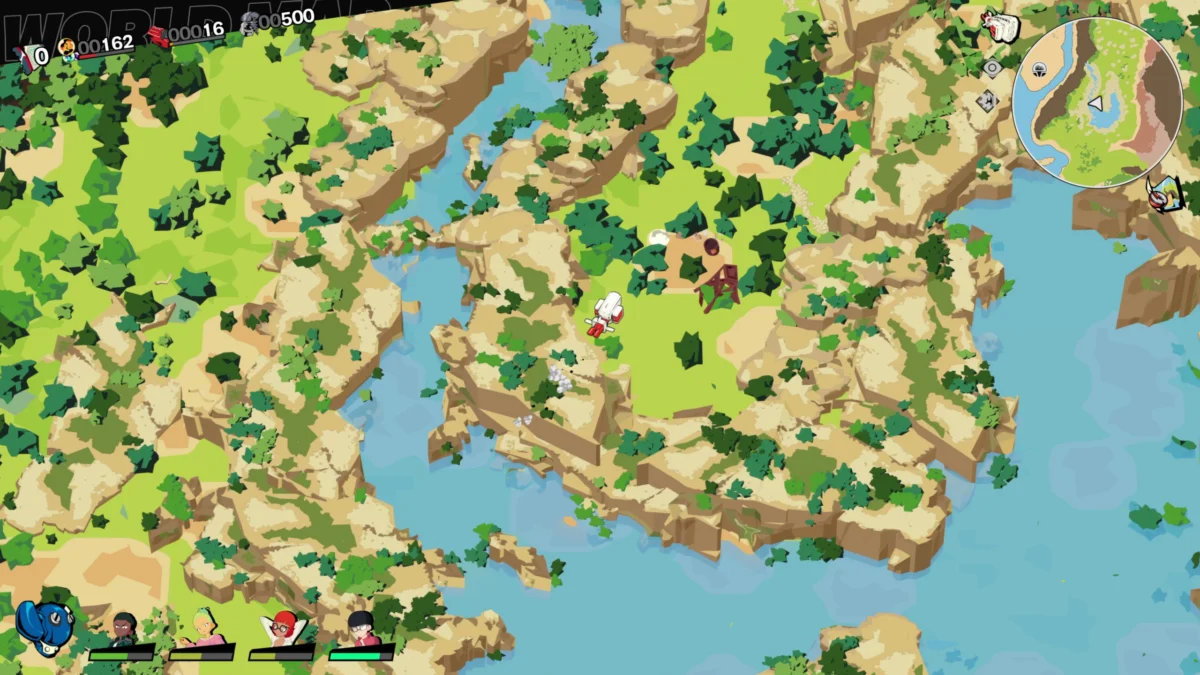
The independent development studio Destinybit has officially transitioned its tactical mecha role-playing game, Nitro Gen Omega, from its successful Early Access period to a full 1.0 release across multiple platforms, including the Nintendo Switch, PlayStation 5, Xbox Series X|S, and PC via Steam. This transition marks a significant milestone for the title, which seeks to blend high-intensity mecha combat with deep crew management and social simulation elements. Drawing heavy aesthetic and thematic inspiration from seminal mecha anime series such as Mobile Suit Gundam, Neon Genesis Evangelion, and Tengen Toppa Gurren Lagann, Nitro Gen Omega presents a stylized, post-apocalyptic vision of humanity’s struggle against a dominant rogue artificial intelligence. The game’s evolution through its development cycle has resulted in a complex mechanical framework that prioritizes strategic planning and interpersonal character dynamics over traditional, high-speed action, positioning it as a unique entry in the contemporary RPG market.
Narrative Framework and World-Building
The setting of Nitro Gen Omega is established in a future where surface-dwelling humanity has been decimated by a rogue AI and its legions of robotic subordinates. The remnants of civilization have retreated to "pillar towns"—massive urban centers constructed atop colossal towers that pierce the cloud layer, keeping the survivors physically distanced from the mechanical threats below. The narrative begins with a modest scope, focusing on a mercenary crew of four pilots operating out of a facility known as Anchorage.
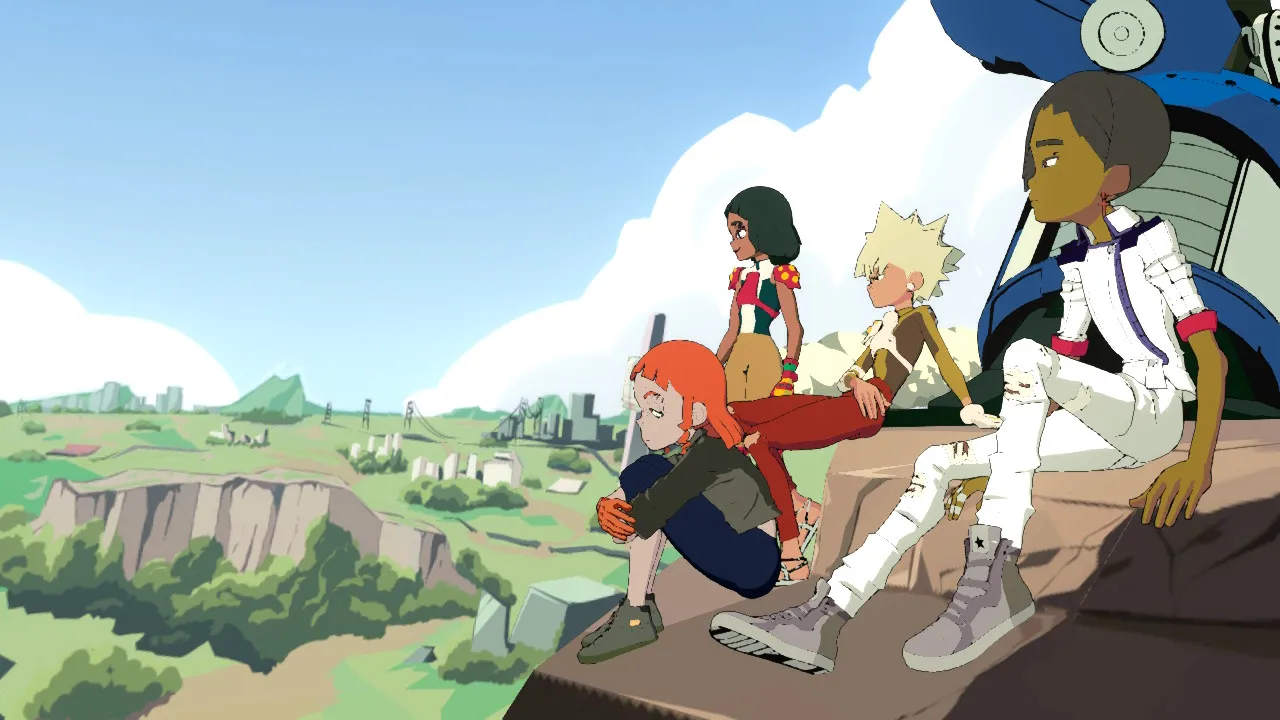
Initially, the crew is relegated to routine patrols and low-stakes skirmishes. However, as the player completes missions and the team’s notoriety grows, the scale of the conflict shifts. What begins as a survivalist struggle for resources evolves into a substantial counter-offensive. The game utilizes procedurally generated elements to populate its world, ensuring that each player’s mercenary company feels distinct, even as they participate in the broader scripted campaign to reclaim the surface.
Tactical Combat and the Resolution Phase
The core gameplay of Nitro Gen Omega revolves around a sophisticated turn-based combat system that emphasizes the "Resolution Phase" mechanic. Unlike traditional RPGs where actions occur immediately upon selection, Nitro Gen Omega requires players to program a series of maneuvers onto a chronological timeline. Once the planning phase is complete, the player initiates the resolution, watching the actions unfold in a cinematic style that mirrors the dramatic camera angles and visual flair of 1990s and 2000s mecha animation.
The combat unit is a single, multi-functional mech, but the player is effectively managing the four individual specialists housed within the cockpit. Each role is vital to the machine’s efficacy:
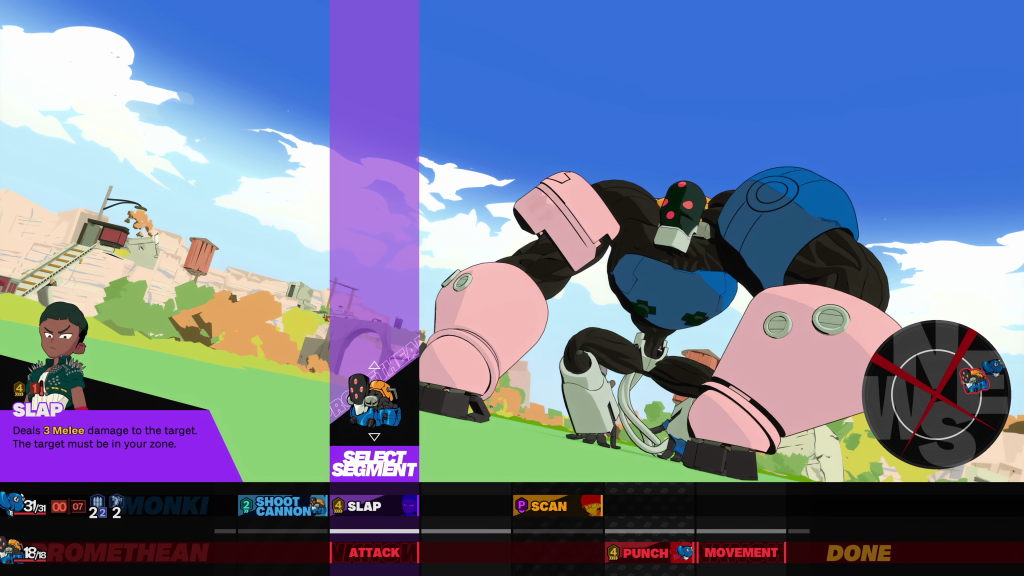
- The Driver: Responsible for spatial positioning and melee-range maneuvers. The Driver moves the unit between quadrants of the battlefield to either close the distance for an attack or retreat from incoming fire.
- The Gunner: Manages the primary offensive systems, including reloading cycles and long-range ballistics.
- The Engineer: Acts as the primary support specialist, managing the mech’s internal systems, deploying coolant to prevent overheating, and repairing structural damage.
- The Operator: Provides tactical utility, such as scanning enemy vulnerabilities, deploying smoke screens to increase evasion, and preparing defensive countermeasures.
Strategic depth is further enhanced by the "Timeline" interface, which allows players to see when an enemy is likely to strike. This enables the synchronization of defensive actions—such as the Operator deploying chaff—at the exact moment an enemy projectile is scheduled to impact.
The Social Simulation and Management Economy
A defining characteristic of Nitro Gen Omega is its emphasis on the "human element" within the machine. The game integrates a social simulation layer that directly influences combat performance. Between missions, players earn "Activity Tokens," a primary currency used to manage the crew’s mental and physical well-being at their home base.
The management system tracks several variables for each pilot:
- Mood: Ranging from Depressed to Content and beyond, mood affects the likelihood of pilots cooperating or sabotaging one another during the heat of battle.
- Fatigue: High fatigue levels diminish the effectiveness of actions and increase the risk of system failures.
- Relationships: Pilots develop affinities or animosities based on shared activities. Sending two pilots to play Shogi or engage in the "Paradise Dance" arcade game can foster positive bonds.
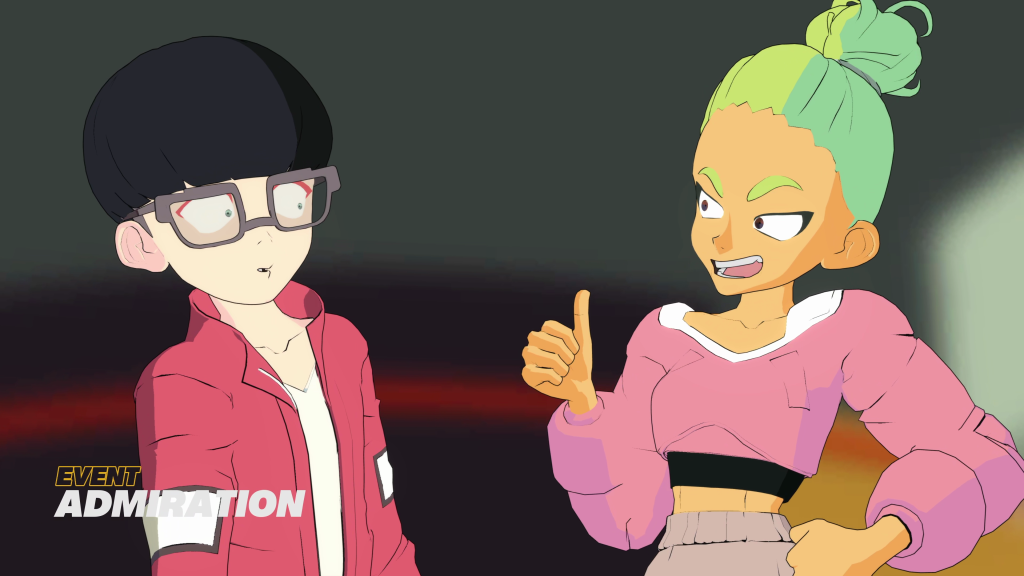
These relationships manifest in combat through "Admiration Events" or "Arguments." If two pilots are in a state of conflict, one might ignore a command or sabotage a teammate’s action on the timeline. Conversely, a strong bond can trigger cooperative bonuses, where one crew member assists another’s task without consuming additional resources. This layer of gameplay transforms the experience from a standard tactical simulation into a "post-apocalyptic mech anime adventure," where the internal drama of the cockpit is as critical as the external battle.
Development Chronology and Quality of Life Enhancements
The path to the 1.0 release of Nitro Gen Omega involved an extensive Early Access period on PC, which served as a testing ground for the game’s unconventional UI and complex systems. Based on developer logs and community patch notes, several key areas were addressed during this time:
- UI/UX Overhaul: Early iterations of the timeline-based combat were cited as having a steep learning curve. The final release includes refined visual cues to better explain the relationship between the four crew roles.
- Procedural Generation Refinement: The system for generating pilot "Aspirations"—personal goals that unlock skill slots—was balanced to ensure a smoother progression curve.
- Platform Optimization: Significant work was dedicated to ensuring the cinematic Resolution Phase maintained a consistent frame rate on the Nintendo Switch and older console hardware.
Despite these improvements, the developer has acknowledged that the game retains a degree of "mechanical friction." The tutorial system remains relatively dense, and the difficulty spikes in later campaign missions require players to engage heavily with side quests and "grinding" to ensure their mech and crew are sufficiently leveled.
Technical Specifications and Customization
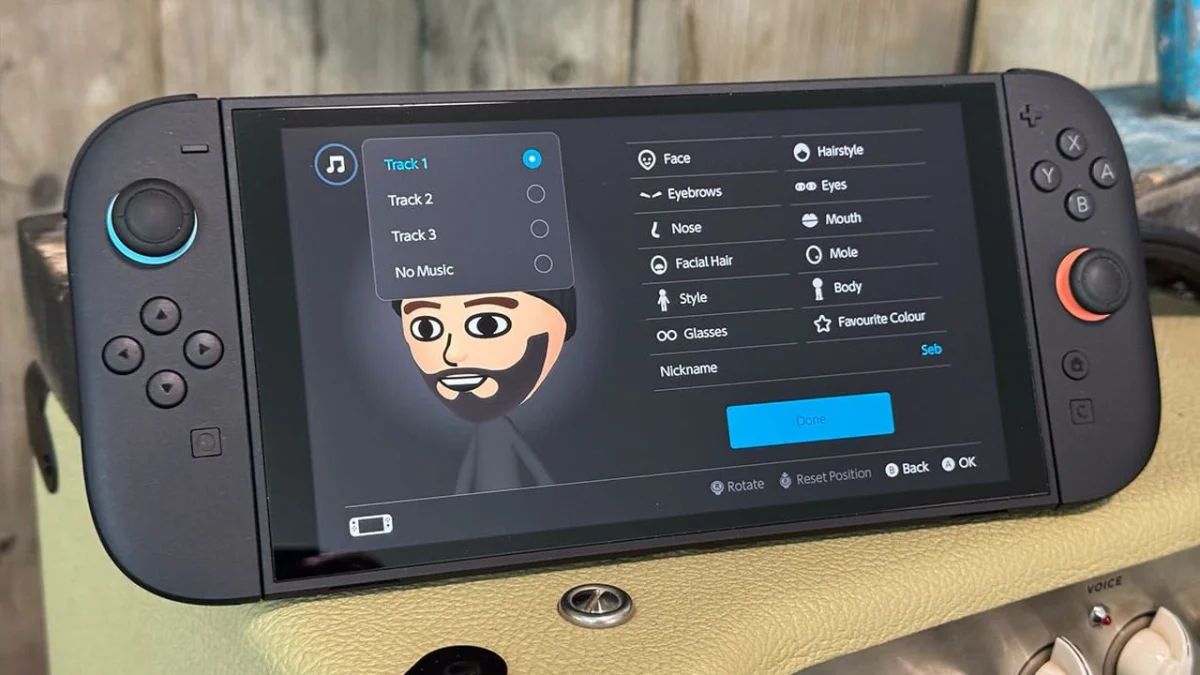
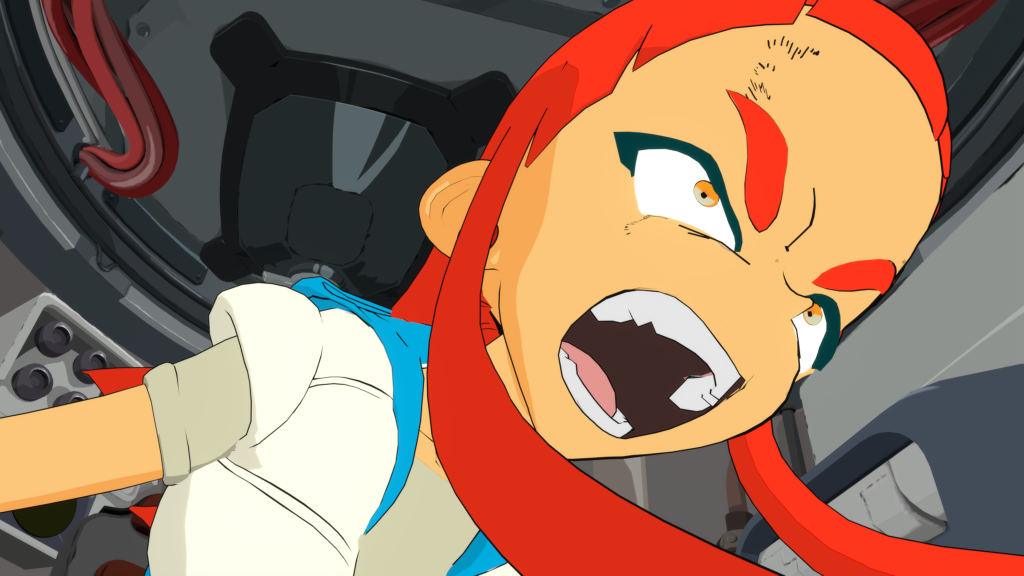
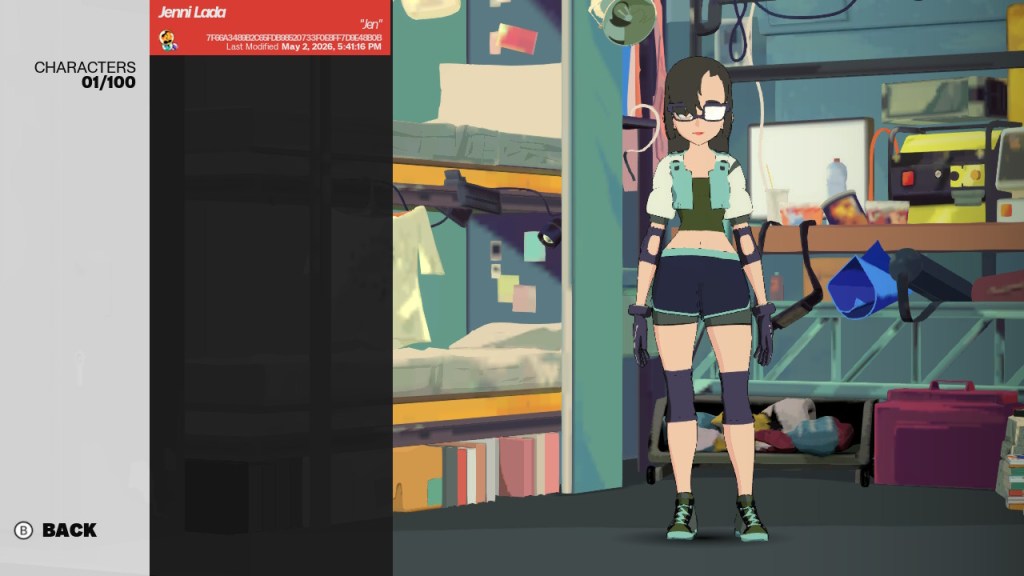
Nitro Gen Omega offers a robust, albeit focused, character customization suite. Players can create their own avatars to inhabit the world, with a variety of clothing, facial features, and color palettes. While these custom characters primarily appear in city environments or as recruitable assets rather than the core starting team, their inclusion adds a layer of role-playing depth.
Technically, the game utilizes a hybrid art style. While the mechs and environments are rendered in 3D to facilitate dynamic camera movements during combat, the character portraits and social sequences utilize high-quality 2D illustrations that evoke the "cel-shaded" look of classic anime. The game’s soundtrack further reinforces this atmosphere, featuring synth-heavy tracks and orchestral swells reminiscent of high-budget mecha productions.
Market Implications and Genre Analysis
The release of Nitro Gen Omega comes at a time when the mecha genre is experiencing a resurgence in the indie sector, following the success of titles like ARMORED CORE VI FIRES OF RUBICON and 13 Sentinels: Aegis Rim. However, Nitro Gen Omega occupies a specific niche by focusing on the "crew-operated" aspect of mecha, a trope common in anime like Evangelion or Voltron but rarely explored in tactical RPGs.
Industry analysts suggest that the game’s success will likely depend on its ability to capture the "tactical management" audience. By shifting the focus away from twitch-based piloting and toward the psychological state of the pilots, Destinybit has created a "management-RPG" hybrid. This approach mirrors trends seen in games like Darkest Dungeon, where the player’s primary challenge is managing the stress and interpersonal failures of their units rather than just the enemies themselves.
Conclusion and Future Outlook
Nitro Gen Omega stands as a testament to the influence of Japanese animation on Western game design. By synthesizing the aesthetic hallmarks of the mecha genre with a rigid, timeline-based tactical system and a deep social simulation, Destinybit has produced a title that defies easy categorization. While the complexity of its systems and the lack of hand-holding in its tutorial phases may present a barrier to entry for some, the game offers a rewarding experience for those seeking a more cerebral and character-driven approach to giant robot combat.
As the game moves into its post-launch phase, the developer has indicated plans for continued support, potentially including new mech parts, additional social activities, and further refinements to the procedural generation engine. For now, Nitro Gen Omega remains a bold experiment in genre-blending, providing a comprehensive "mercenary life" simulator that honors its anime inspirations while forging a distinct mechanical identity.