Cecilia Chamidah Nur
Following a series of iterative improvements, Analogue has delivered what many consider to be the most pivotal firmware update yet for its highly acclaimed Analogue 3D console. Firmware version 1.3.0 introduces the "Memories" feature, a sophisticated save-state system designed to integrate seamlessly with the Nintendo 64’s extensive library of over 900 titles. This functionality, previously lauded on the Analogue Pocket, allows users to capture and reload gameplay at any point, liberating them from the original constraints of reaching designated save points or relying solely on Controller Paks. The update underscores Analogue’s commitment to both hardware-accurate preservation and enhancing the user experience for retro gaming enthusiasts.
The Genesis of "Memories": A Leap in Preservation and Playability
The "Memories" feature represents a significant evolution in how classic games can be experienced on modern, hardware-accurate platforms. For decades, the ability to create "save states" – snapshots of a game’s exact progress at any given moment – has been a hallmark of software emulators. While convenient, these emulators often come with inherent compromises in accuracy, input lag, and the authentic feel of original hardware. Analogue, a company built on the philosophy of FPGA (Field-Programmable Gate Array) technology for perfect hardware replication, has meticulously engineered "Memories" to bridge this gap.
The company explicitly states that "Memories is seamlessly implemented to maintain total hardware accuracy of the original N64, including compatibility with all original accessories, such as the Transfer Pak with Pokémon Stadium’s GB Tower." This assurance is critical for a user base that prioritizes authenticity. The N64, known for its diverse saving mechanisms ranging from internal cartridge battery saves to external Controller Paks and even some games requiring specific accessory Pak types, presented unique challenges. "Memories" effectively unifies and simplifies this process, offering a universal solution that respects the underlying hardware architecture.
A notable enhancement within this update is the improved compatibility with Controller Pak swapping. For games that required players to manage multiple Paks due to save file limits or specific game requirements, the system now allows for saving across different Paks, streamlining what was once a cumbersome process. Furthermore, Analogue has confirmed that this powerful new feature extends its functionality to games loaded via flash carts, providing a comprehensive solution for those utilizing modern methods to access their N64 libraries. This broad compatibility ensures that a wide array of gaming setups can benefit from the added convenience and flexibility.
Analogue’s Vision: FPGA Technology and Retro Gaming’s Future
To fully appreciate the significance of the "Memories" update for the Analogue 3D, it’s essential to understand the company’s broader philosophy and the technology underpinning its products. Analogue Inc. has carved out a unique niche in the retro gaming market by developing high-end, FPGA-based consoles that aim for 100% hardware compatibility with original game cartridges and peripherals. Unlike software emulation, which simulates hardware through code, FPGA technology allows for the physical recreation of a console’s internal components at a transistor level, ensuring unparalleled accuracy in timing, graphics, and sound.
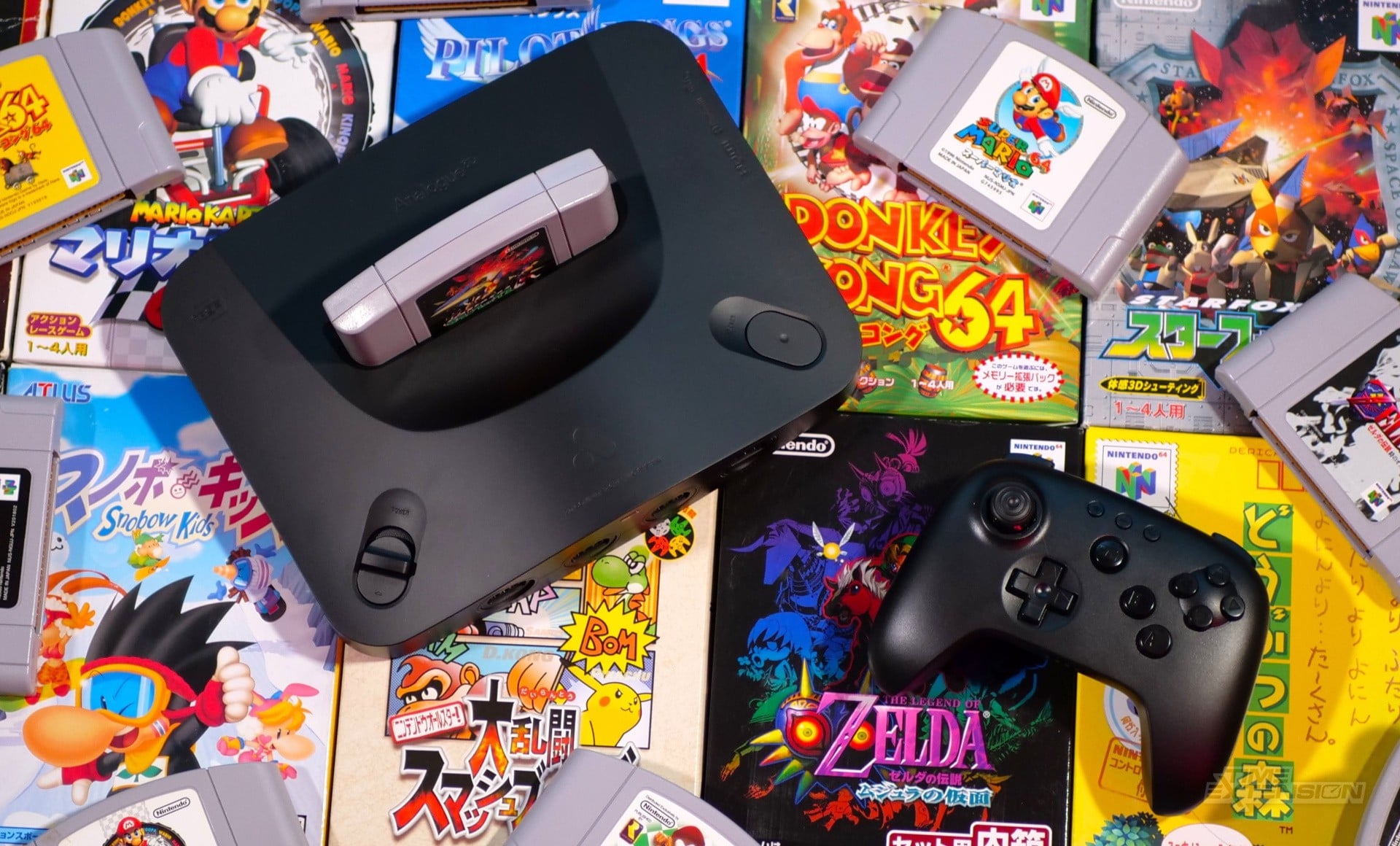
This commitment to hardware-level preservation began with the Analogue Nt, a premium NES clone, followed by the Super Nt (SNES) and Mega Sg (Sega Genesis/Mega Drive). Each console garnered critical acclaim for its fidelity and build quality. The Analogue Pocket, a multi-system handheld device, further solidified the company’s reputation, notably being the first to introduce the "Memories" save-state system in a hardware-accurate context. The Analogue 3D, designed to flawlessly play Nintendo 64 games in high definition, represents the pinnacle of this pursuit for the complex N64 architecture.
The N64, with its unique texture caching, complex geometry processing, and reliance on various co-processors, is notoriously difficult to emulate accurately. Analogue’s FPGA solution for the N64, therefore, is a monumental technical achievement. Implementing a feature like "Memories" within such a precise hardware recreation without introducing inaccuracies or latency is a testament to the engineering prowess involved. It signifies a maturation of FPGA technology in retro gaming, moving beyond mere replication to integrate modern quality-of-life features that enhance the original experience without compromising its integrity.
The Historical Challenge of N64 Saves and the Impact of "Memories"
The Nintendo 64’s approach to game saving was, at times, idiosyncratic and a point of frustration for players. Unlike its contemporaries that often relied on internal battery-backed saves within cartridges or memory cards (like the PlayStation’s Memory Card), the N64 utilized a mixed bag of solutions. Some cartridges, primarily later releases, contained internal battery-backed save memory. However, a significant portion of the N64 library, especially earlier titles, relied on the Controller Pak – a small, external memory unit that plugged into the back of the N64 controller.
This system had several drawbacks:
- Limited Capacity: Controller Paks had finite memory, often requiring players to delete old save files or use multiple Paks.
- Physical Vulnerability: Paks could be lost, damaged, or corrupted, leading to irreversible loss of game progress.
- Dependency: Players needed to remember to insert a Controller Pak to save, and not all games supported the same Pak types or features.
- Inconvenience: Finding specific save points within games could be time-consuming, and accidental game overs often meant replaying substantial sections.
The "Memories" feature directly addresses these historical pain points. By offering universal save states across the entire N64 library, it grants players unprecedented control over their gaming sessions. Difficult boss battles, tricky platforming segments, or simply the need to pause gameplay at a moment’s notice become far less daunting. This convenience factor not only enhances replayability but also makes some of the N64’s more challenging titles more accessible to a broader audience, including those new to retro gaming or players with limited free time. It democratizes the experience, allowing enjoyment of the game’s core without the added friction of archaic save systems.
A Chronology of Analogue 3D Development and Recent Updates
The journey of the Analogue 3D from announcement to its current state has been marked by a deliberate and meticulous development process. While the exact initial announcement date might vary by source, anticipation for an Analogue-engineered N64 solution has been high for years within the retro gaming community. The console’s eventual release was met with widespread enthusiasm, particularly for its commitment to 4K output and the promise of hardware-accurate N64 gameplay.
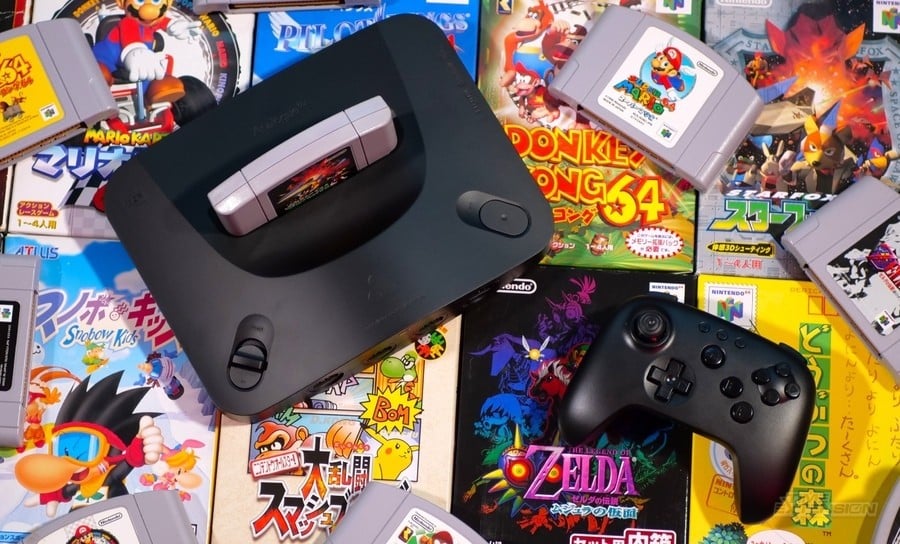
Prior to the momentous 1.3.0 update, Analogue had already been providing consistent firmware revisions, each aimed at refining the experience. Just last week, for instance, a firmware update was released that allowed game cartridges to display more vividly and accurately within the Analogue 3D’s interface, adding a layer of visual polish to the digital library browsing experience. These incremental updates demonstrate Analogue’s ongoing support for its products, continually improving functionality and addressing user feedback.
The release of firmware 1.3.0, however, stands out as a landmark event. The official patch notes detail the broad categories of improvements, even if specific items under each were not publicly detailed beyond the primary "Memories" feature:
- General: Typically includes overall system stability enhancements, minor bug fixes, and backend optimizations.
- Core: Refers to improvements in the FPGA core itself, potentially optimizing game compatibility, performance, or specific hardware interactions.
- OS: Updates to the console’s operating system, covering user interface, menu navigation, and general system responsiveness.
- Controllers: Crucial updates for peripheral compatibility and performance. The notes specifically highlight the requirement for 8BitDo 64 BT controllers to be updated to version 2.05 or later, indicating ongoing efforts to ensure seamless wireless controller integration and optimal input response.
This continuous cycle of updates, culminating in a feature as significant as "Memories," illustrates Analogue’s long-term commitment to evolving its platforms and delivering a comprehensive, modern retro gaming experience.
Official Statements and Community Reception
Analogue’s official communication regarding the "Memories" update has consistently emphasized its technical precision and user-centric design. Their statements, such as describing it as "seamlessly implemented to maintain total hardware accuracy," reinforce their core value proposition to a discerning audience. The company’s public announcement via platforms like X (formerly Twitter) generated immediate and overwhelmingly positive reactions from the retro gaming community.
For years, the desire for save states on Analogue’s FPGA consoles has been a recurring theme in user forums and discussion groups. While the Analogue Pocket first introduced "Memories," its implementation on the Analogue 3D for the N64 is arguably even more impactful due to the N64’s notoriously varied and often inconvenient save systems. Enthusiasts have lauded the update as a game-changer, praising Analogue for listening to its community while upholding its strict standards of hardware fidelity.
The inclusion of compatibility with flash carts has also been particularly well-received, as it demonstrates Analogue’s understanding of how many modern retro gamers access their libraries. This inclusive approach avoids fragmenting the user base and ensures that a wider range of players can benefit from the new feature. The collective sentiment is one of relief and excitement, with many declaring the Analogue 3D now an even more indispensable piece of hardware for N64 aficionados.
Broader Implications and the Future of Retro Hardware
The "Memories" update for the Analogue 3D carries significant implications for both the Analogue ecosystem and the broader retro gaming hardware market. Firstly, it further solidifies the Analogue 3D’s position as the premier solution for playing Nintendo 64 games. By combining impeccable hardware accuracy with a highly requested modern convenience, Analogue has raised the bar for what consumers can expect from premium retro consoles. This move effectively counters arguments that FPGA devices, while accurate, might lack the quality-of-life features found in software emulators.
Secondly, this development highlights a growing trend in the retro hardware space: the careful integration of modern features into authentic experiences. As the retro gaming community expands, so too does the demand for both historical accuracy and contemporary playability. Analogue is demonstrating that these two objectives are not mutually exclusive but can be harmoniously blended through sophisticated engineering. This could influence other hardware manufacturers to explore similar hybrid approaches, offering enhanced user experiences without sacrificing the core essence of classic gaming.
Looking ahead, the successful implementation of "Memories" on the Analogue 3D could pave the way for more advanced features across Analogue’s product line. This might include more sophisticated memory management tools, cloud-based save synchronization (if privacy and infrastructure allow), or even community-driven sharing of specific save states for challenges or speedrunning. The ongoing development of the Analogue OS and core technologies suggests a dynamic future where hardware preservation continues to evolve with intelligent software enhancements.
The update also re-ignites the ongoing philosophical debate within retro gaming: where is the line between authenticity and convenience? Analogue’s stance, reinforced by "Memories," suggests that convenience, when implemented with rigorous hardware-level precision, can actually enhance preservation by making these classic titles more accessible and enjoyable for a new generation of players, ensuring their longevity and continued relevance.
In conclusion, the firmware 1.3.0 update, introducing the "Memories" save-state system to the Analogue 3D, marks a significant milestone in the world of retro gaming hardware. It not only provides a highly anticipated feature that dramatically improves the playability of Nintendo 64 games but also reaffirms Analogue’s commitment to delivering unparalleled hardware accuracy alongside thoughtful user enhancements. This development ensures the Analogue 3D remains a leading choice for N64 enthusiasts and sets a new standard for the integration of modern conveniences into historically accurate retro gaming experiences.