Cecilia Chamidah Nur
The original Sega Neptune represented a pivotal, albeit unrealized, moment in Sega’s hardware history. Conceived in the mid-1990s, it was intended to simplify the consumer experience by combining the Mega Drive and its controversial 32X enhancement into one unit. The 32X, launched in late 1994, was designed to extend the lifespan of the 16-bit Mega Drive by adding 32-bit capabilities, including two Hitachi SH-2 RISC processors, improved graphical capabilities, and additional sound channels. However, its market performance was severely hampered by a high price point, a sparse game library, and, critically, Sega’s simultaneous push for the much-anticipated Sega Saturn, which was also a 32-bit console. The rapid obsolescence of the 32X and the impending launch of the Saturn ultimately led to the cancellation of the Neptune project, leaving it as a historical curiosity and a "what if" scenario for many Sega enthusiasts.
The Vision Behind the GF1 Neptune
GamesCare’s GF1 Neptune project aims to materialize this historical concept using Field-Programmable Gate Array (FPGA) technology. Unlike software emulation, which simulates hardware through code running on a general-purpose processor, FPGA directly reconfigures hardware circuits to precisely mimic the original console’s components at a transistor level. This approach offers a level of accuracy and authenticity that is highly valued by retro gaming purists, as it replicates the original timing, quirks, and performance characteristics of the vintage hardware with unparalleled fidelity. The goal is not merely to play 32X games but to authentically recreate the experience of a machine that never was, providing a dedicated hardware solution for those who desire the most accurate form of retro gaming.
The journey for GamesCare has been marked by both dedication and unforeseen challenges. Initially, the team had projected an earlier release for the GF1 Neptune. However, as is common with complex hardware development projects, particularly those undertaken by independent teams, the release timeline had to be adjusted. The machine’s launch was reportedly pushed to the current year, a decision that, while potentially disappointing for eager fans, underscores the team’s commitment to quality and thoroughness. Such delays are often indicative of a developer prioritizing robust functionality and a polished user experience over rushed delivery, especially when dealing with the intricacies of FPGA development and the exacting standards of the retro gaming community.
Technical Demonstration and Core Capabilities
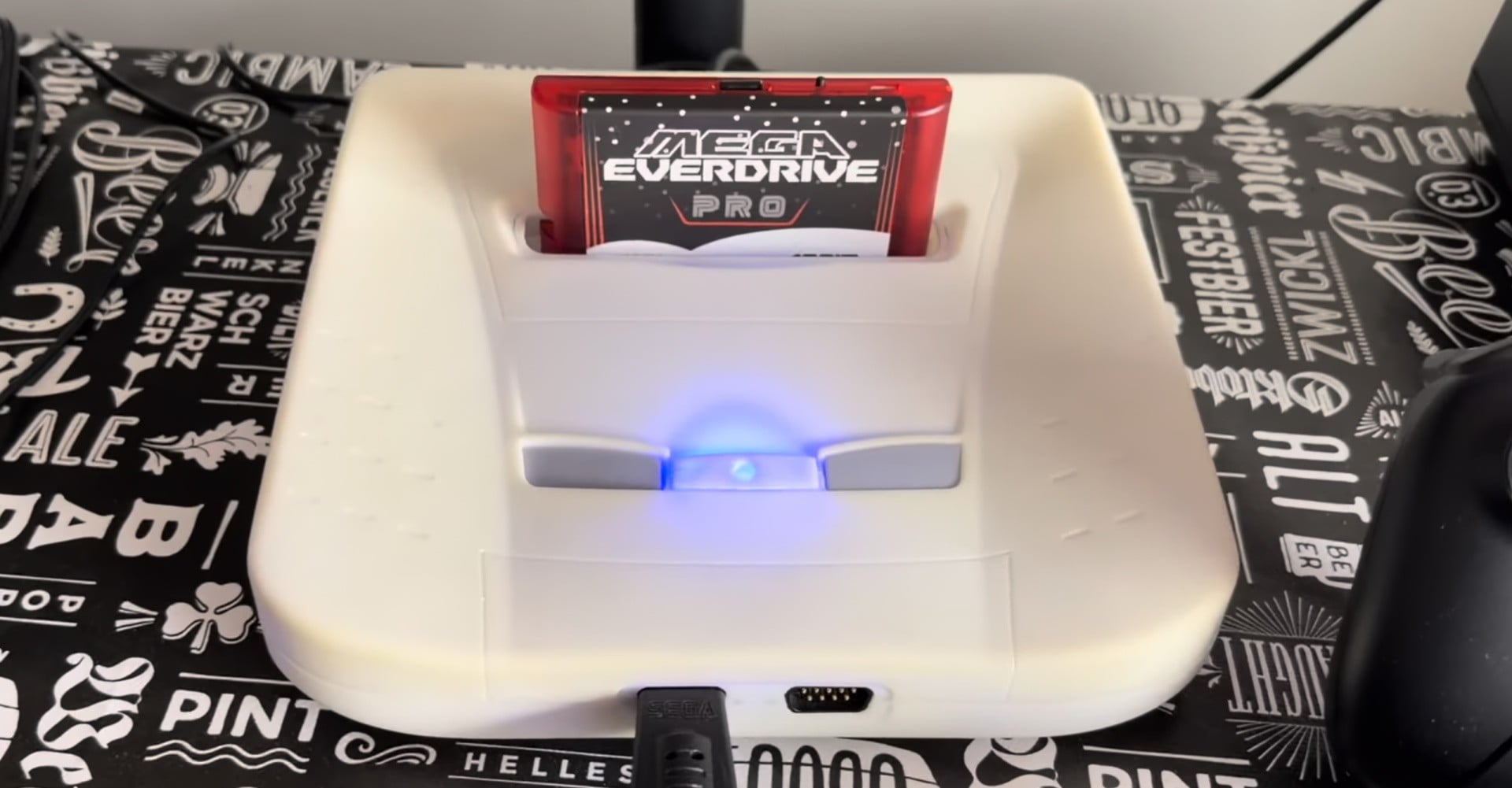
The recent video released by GamesCare provides concrete evidence of their progress. It prominently features the GF1 Neptune console running Knuckles’ Chaotix, one of the most iconic and technically demanding titles released for the Sega 32X. The demonstration shows the game loading and operating smoothly from a Mega EverDrive Pro flash cartridge, a popular accessory among retro gamers for playing ROMs on original hardware or FPGA clones. Knuckles’ Chaotix, developed by Sega CS1 and released in 1995, was a flagship title for the 32X, showcasing its enhanced graphical capabilities, particularly its ability to handle larger sprites and parallax scrolling. Successfully running this game on the GF1 Neptune’s 32X core is a strong indicator of the core’s stability and accuracy.
According to statements from the GamesCare team, their efforts over the past several months have been "with total dedication." They emphasized their main focus: "to deliver the most incredible product possible to your homes, honoring all the love and support we have received." This sentiment highlights the developer’s understanding of their audience and the importance of community engagement in such niche projects. The team confirmed that the console is now "up and running" with its "main planned cores," which include not only the Sega 32X but also the foundational Mega Drive (Genesis) and Sega Master System cores. This multi-core functionality means the GF1 Neptune is envisioned as a comprehensive Sega retro gaming platform, capable of playing titles across multiple generations of Sega’s 8-bit and 16-bit console history, complete with the 32-bit enhancement.

The Broader Context of FPGA in Retro Gaming
The development of the GF1 Neptune occurs within a vibrant and growing ecosystem of FPGA-based retro gaming solutions. The MiSTer FPGA platform, an open-source project, stands as a prominent example, offering a modular and highly accurate way to replicate a vast array of vintage systems, including a well-regarded Sega 32X core. This existing solution provides a benchmark for accuracy and functionality, and its presence demonstrates the technical feasibility and community demand for high-fidelity 32X experiences. The MiSTer’s 32X core has been praised for its performance and compatibility, proving that the complexities of the 32X’s dual SH-2 architecture can indeed be accurately translated to FPGA hardware.
However, dedicated FPGA consoles like the GF1 Neptune carve out their own niche. While MiSTer offers flexibility, a dedicated console typically provides a more streamlined, plug-and-play experience with a custom enclosure, integrated I/O, and often a more refined aesthetic designed specifically for a particular set of cores. For many consumers, the appeal of a single, purpose-built device that faithfully replicates a specific system or combination of systems outweighs the modularity of a general-purpose FPGA board. This market segment prioritizes ease of use and a collector’s item feel, much like how Analogue’s line of FPGA consoles has found success.
Community Engagement and Future Outlook
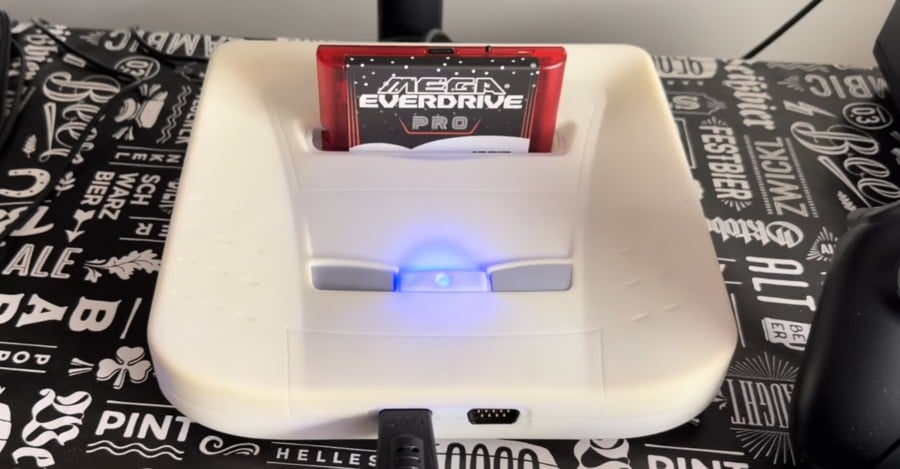
GamesCare has also acknowledged the crucial role of external contributions to their project. "We have many important people in the community to thank," the team stated, adding, "Without their help, none of this would be possible, and we will express our gratitude in a very special way soon." This suggests collaboration with other FPGA developers, retro hardware experts, or perhaps even dedicated fans who have provided feedback, testing, or technical assistance. Such community involvement is a hallmark of many successful independent retro hardware projects, leveraging collective expertise and passion to overcome development hurdles.
The implications of the GF1 Neptune’s progress are significant for the retro gaming scene. It underscores the enduring appeal of classic gaming hardware and the growing sophistication of solutions designed to preserve and re-experience these systems. As original consoles become increasingly rare, fragile, and expensive, high-quality FPGA recreations offer a vital avenue for preservation and accessibility. The success of projects like the GF1 Neptune ensures that future generations of gamers can appreciate the technological innovations and artistic achievements of past eras, even for systems that had limited commercial success or, in the case of the original Neptune, never saw the light of day.
Looking ahead, the next critical steps for GamesCare will involve finalizing the hardware design, optimizing the remaining cores, establishing manufacturing and distribution channels, and, crucially, announcing a definitive release date and pricing. The market for premium retro gaming hardware is competitive, with consumers increasingly demanding not only accuracy but also modern conveniences such as high-definition output, low latency, and robust build quality. GamesCare’s ability to deliver on these fronts will determine the GF1 Neptune’s ultimate success and its place within the pantheon of celebrated retro gaming hardware. The demonstration of a functional 32X core is a powerful signal that the GF1 Neptune is moving beyond conceptualization and into the realm of a tangible, highly anticipated product for Sega aficionados worldwide.
The Historical Weight of the Sega 32X and Neptune

To fully appreciate the significance of the GF1 Neptune’s 32X core, one must understand the tumultuous period in which the original 32X and Neptune were conceived. Sega, a dominant force in the 16-bit era with the Mega Drive, faced intense pressure from Nintendo and the impending arrival of next-generation consoles like Sony’s PlayStation. The 32X was a desperate attempt to bridge the gap, but it fragmented Sega’s user base and developer resources at a critical juncture. Approximately 2 million 32X units were sold worldwide, a stark contrast to the tens of millions of Mega Drives, highlighting its commercial failure.
The cancellation of the original Sega Neptune was a symptom of this broader strategic misstep. Sega’s internal divisions and lack of a clear, unified hardware strategy led to a series of confusing product launches and cancellations, ultimately contributing to the company’s eventual exit from the console hardware market. The Neptune, if released, might have offered a more cohesive transition for Mega Drive owners, but its development was overshadowed by the more powerful, and ultimately more future-proof, Saturn.
The GF1 Neptune, therefore, is more than just a retro console; it is a historical reclamation project. It seeks to realize a vision that Sega itself abandoned, offering a glimpse into an alternative timeline where the 32X might have found a more elegant integration. For enthusiasts, this project is not just about playing games; it is about engaging with the history of video game hardware, exploring the road not taken, and celebrating the ingenuity and dedication of independent developers like GamesCare who are keeping these historical fragments alive and playable for a new generation. The successful demonstration of the 32X core is a testament to both technical prowess and a deep reverence for gaming history.
[source youtube.com]