Cecilia Chamidah Nur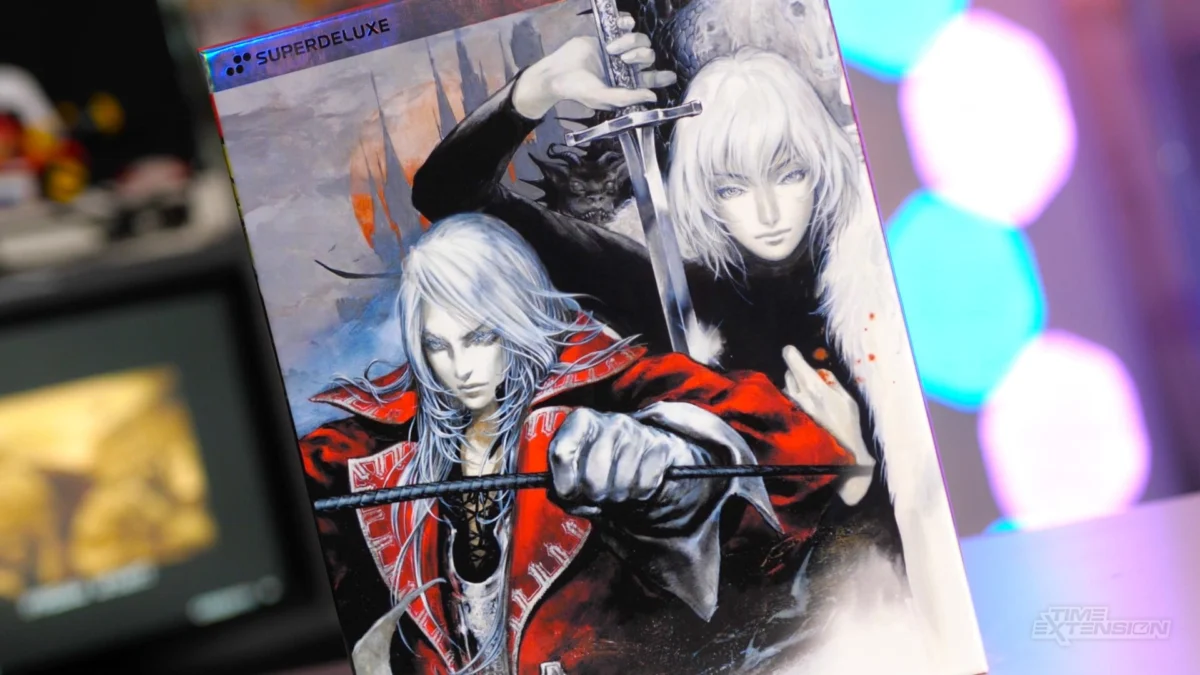
Japanese publisher Superdeluxe Games has initiated a public outreach campaign, inviting its global fanbase to submit nominations for video game titles they wish to see receive physical, limited-edition releases. This proactive engagement underscores the company’s dedication to game preservation and its responsiveness to the burgeoning demand for tangible media in an increasingly digital landscape. The announcement, disseminated via social media, explicitly stated that submissions would be considered "Regardless of genre or whether it’s new or old," opening the floodgates for a diverse array of potential titles from across gaming history. The tantalizing prospect that "there might even be a chance of it being packaged" has ignited considerable enthusiasm within the collector and preservationist communities, highlighting the significant influence of fan input in the specialized market of boutique physical releases.
The Genesis of Superdeluxe Games: A Hybrid Model for Preservation
Superdeluxe Games is a distinctive entity in the video game publishing world, born from a strategic collaboration between two prominent industry players: Limited Run Games and 8-4, Ltd. This unique partnership combines the established expertise of Limited Run Games, a pioneer and leader in the Western market for physical limited-edition video game releases, with the localization prowess and deep understanding of the Japanese market offered by 8-4, Ltd. The formation of Superdeluxe Games represented a deliberate effort to extend the philosophy of high-quality physical preservation and collector-focused editions into Asia, particularly for titles that might otherwise remain digital-only or see only standard retail versions without the bespoke treatment collectors cherish.
Limited Run Games, founded in 2015, emerged from a niche demand for physical copies of digitally distributed indie games. Over nearly a decade, it has grown into a major force, championing the cause of physical media by producing meticulously crafted editions of hundreds of titles across various platforms. Its model typically involves pre-order windows, ensuring that demand is met without overproduction, thereby maintaining the exclusivity and collector value of its releases. This model has proven highly successful, tapping into a global community of enthusiasts who value game ownership, historical preservation, and premium packaging.
Complementing this, 8-4, Ltd. brings invaluable cultural and linguistic expertise. As a renowned localization company, 8-4 has been instrumental in bridging the gap between Japanese and Western gaming markets for decades, working on countless iconic titles. Their involvement with Superdeluxe Games ensures that the selection of titles, the packaging design, and the overall marketing resonate authentically with a Japanese audience while still appealing to international collectors. This synergy allows Superdeluxe Games to navigate the complexities of regional preferences and licensing agreements effectively, positioning itself as a key player in the global physical game market with a distinctly Japanese flavor.
The Allure of Physical Media in a Digital Age
The drive for physical game releases, spearheaded by companies like Superdeluxe Games, is rooted in several interconnected factors that resonate deeply with segments of the gaming community. Foremost among these is the concept of game preservation. In an era where digital storefronts can close, games can be delisted without warning, and licenses can expire, physical copies serve as a tangible safeguard against the ephemeral nature of digital distribution. Collectors and historians increasingly view physical media as the most reliable way to ensure that games remain playable and accessible for future generations, independent of platform holders’ servers or licensing agreements.
Beyond preservation, the collector’s ethos plays a crucial role. Many gamers derive immense satisfaction from owning physical artifacts, appreciating the artistry involved in game packaging, manuals, and supplementary materials. For these enthusiasts, a game is not just software; it is a cultural product, a piece of art that deserves to be celebrated with a premium physical representation. The act of collecting itself offers a tangible connection to the hobby, allowing individuals to curate a personal library that reflects their gaming journey and preferences.
Furthermore, enhanced user experience contributes significantly to the appeal. Superdeluxe Games, much like Limited Run Games, is known for its "lavish packaging." This often includes bespoke art books, original soundtracks, collectible postcards, enamel pins, and full-color magazine supplements that delve into the game’s development, lore, or historical context. These extras transform a standard game purchase into a comprehensive collector’s item, offering value far beyond the digital download. Such editions are designed to be displayed, admired, and cherished, embodying a level of craftsmanship that digital-only releases simply cannot replicate.
A Legacy of Lavish Editions: Superdeluxe Games’ Portfolio
Since its inception, Superdeluxe Games has meticulously curated a library of titles that exemplify its commitment to quality and preservation. Its releases typically target a discerning audience, focusing on games that hold cultural significance, boast critical acclaim, or represent hidden gems deserving of wider recognition and a premium physical treatment. The publisher has already brought several highly regarded titles to physical form, showcasing the breadth of its vision and the caliber of its production.
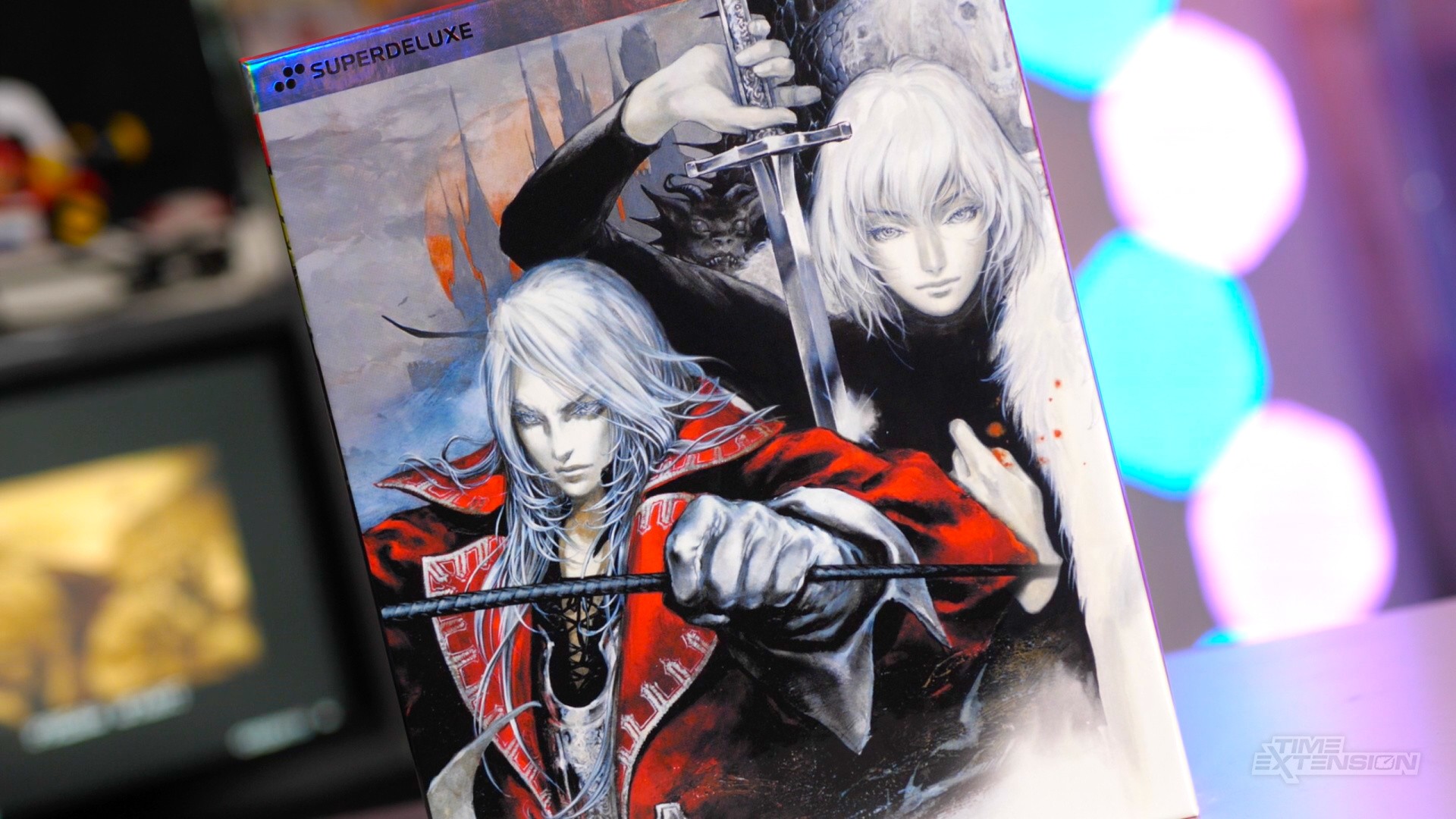
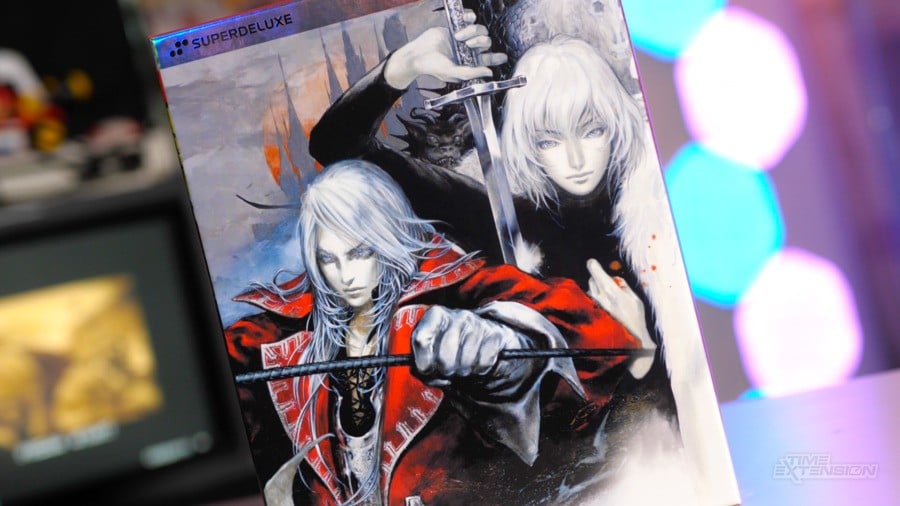
Among its notable releases is Earthion, a title that exemplifies the arcade-style action Superdeluxe often champions. Another significant contribution to the physical library is the Castlevania Advance Collection, a compilation of classic Game Boy Advance titles (Castlevania: Circle of the Moon, Castlevania: Harmony of Dissonance, and Castlevania: Aria of Sorrow). This collection is particularly important for preservation, as these revered entries in the iconic Castlevania series are beloved by fans for their intricate level design and engaging gameplay. Providing a physical edition ensures these titles are readily available and protected from potential digital obsolescence.
The company has also released Radiant Silvergun, a legendary shoot ’em up game developed by Treasure. Known for its intricate weapon system and challenging gameplay, Radiant Silvergun is considered a seminal work in its genre. Its physical release through Superdeluxe Games offers fans a tangible piece of gaming history, previously elusive in physical form outside of its original arcade and Sega Saturn iterations. Similarly, the physical edition of Tetris Effect: Connected brought a critically acclaimed and visually stunning modern take on the classic puzzle game to collectors, often accompanied by vibrant art and high-quality soundtrack offerings that enhance the game’s already immersive experience. These examples illustrate Superdeluxe Games’ strategy of selecting titles that resonate deeply with both nostalgic players and those seeking unique, high-quality gaming experiences.
The common thread among these releases is not just their quality as games but the meticulous attention paid to their physical presentation. The packaging often features exclusive artwork, reversible covers, and robust cases designed to protect the contents. The inclusion of soundtracks on CD or vinyl, art books detailing conceptual designs, and informational booklets or mini-magazines provide a holistic package that celebrates the game as a complete artistic endeavor. These elements are precisely what differentiate Superdeluxe’s offerings from standard retail editions and what attracts a dedicated collector base.
The Call to Action: Community Engagement as Market Research
Superdeluxe Games’ recent social media initiative, soliciting direct feedback from its community, represents a savvy blend of market research and public relations. The post, translated from Japanese, articulated a clear request: "We’re calling for entries of works with the request, ‘I want this title packaged!’" This direct appeal empowers fans, giving them a voice in the future direction of the publisher’s catalog. The open-ended nature of the request—"Regardless of genre or whether it’s new or old"—is particularly strategic. It allows Superdeluxe to gauge interest across a vast spectrum of games, from obscure indie titles to beloved classics that may have never received a proper physical release or are long out of print.
This approach offers several benefits. Firstly, it provides Superdeluxe Games with invaluable data on consumer demand. By identifying which titles garner the most fervent requests, the company can prioritize future releases that are likely to be commercially successful and meet the expectations of its target audience. This reduces the risk associated with licensing and production, ensuring that resources are allocated to projects with demonstrated community backing.
Secondly, it fosters a strong sense of community and brand loyalty. By directly involving fans in the decision-making process, Superdeluxe Games cultivates an engaged and invested customer base. Gamers feel heard and valued, strengthening their connection to the brand and increasing the likelihood of their continued support for future releases. This collaborative model transforms passive consumers into active participants, generating organic excitement and word-of-mouth promotion.

Finally, the initiative serves as a soft announcement for potential future projects. While not a guarantee, the phrase "Who knows, there might even be a chance of it being packaged…" subtly signals to the community that their input genuinely influences product development. This transparency builds trust and reinforces Superdeluxe Games’ image as a publisher that is genuinely committed to serving the needs and desires of its audience. The sheer volume and diversity of responses generated by such calls to action often provide rich insights into market trends and untapped opportunities within the physical media segment.
Broader Context: The Digital-Physical Divide and its Implications
The move by Superdeluxe Games must be viewed within the broader context of the video game industry’s ongoing evolution, particularly the tension between digital and physical distribution. While digital storefronts offer unparalleled convenience, accessibility, and environmental benefits (reduced packaging, shipping), they also present significant challenges related to ownership, long-term preservation, and the tangible appeal of collecting.
The past decade has seen a dramatic shift towards digital-first or digital-only releases, especially for independent developers and smaller publishers. This trend has been accelerated by the lower barriers to entry for digital distribution, the reduced costs of manufacturing and logistics, and the immediate global reach afforded by online platforms. However, this convenience comes at a cost. Games can be delisted due to licensing issues, developer closures, or platform holder decisions, rendering them inaccessible for future purchase and potentially unplayable for those who owned them digitally if servers are shut down or authentication methods change. The "ownership" of a digital game is often more akin to a license to play, subject to the terms and conditions of the platform provider.
This vulnerability has fueled a resurgence of interest in physical media, not just among nostalgic collectors but also among those concerned about the future of their game libraries. Companies like Superdeluxe Games and Limited Run Games have thrived by catering to this demand, positioning physical releases as a premium, secure alternative. Their success indicates that despite the industry’s lean towards digital, a substantial market segment values the permanence, aesthetic appeal, and perceived ownership that only physical media can provide. The current initiative by Superdeluxe Games is a direct acknowledgment of this ongoing digital-physical divide and an active step to bridge it through community-driven curation.
Implications for Preservation and the Collector’s Market
The initiative by Superdeluxe Games carries significant implications for both game preservation efforts and the dynamics of the collector’s market. By actively soliciting community input, Superdeluxe is not merely producing physical goods; it is engaging in a form of distributed archival research. Fans, with their encyclopedic knowledge of gaming history and their passion for specific titles, can highlight games that might otherwise be overlooked by traditional market analysis or major publishers. This crowdsourced approach to curation ensures that a wider, more diverse range of games, including those with cult followings or historical significance but limited commercial appeal, stands a chance of being preserved in physical form.

For the collector’s market, such initiatives reinforce the value proposition of limited-edition physical releases. The exclusivity, the premium packaging, and the community involvement all contribute to the perceived value and desirability of these products. This, in turn, can drive secondary market prices for rare titles and further solidify the status of physical media as a collectible asset. It also signals a maturing of the boutique publishing model, where direct engagement with the consumer base is not just a marketing tactic but an integral part of the product development pipeline.
Furthermore, Superdeluxe Games’ focus on both new and old titles, regardless of genre, suggests a holistic approach to game preservation. This prevents the market from becoming overly saturated with only certain types of games (e.g., retro classics) and encourages the physical release of contemporary digital-only titles that might become "lost" in the future. By embracing a broad scope, Superdeluxe Games helps ensure that a comprehensive cross-section of gaming history and current independent creativity is afforded the permanence of physical media.
Looking Ahead: The Future of Curated Physical Releases
Superdeluxe Games’ community outreach program is a clear indicator of the evolving landscape for physical game media. It suggests a future where niche publishers, driven by passion and supported by engaged communities, will continue to play a vital role in preserving gaming heritage and catering to collector demands. This model stands in contrast to the mass-market approach of larger publishers, focusing instead on curated, high-quality editions for a dedicated audience.
As digital distribution continues to dominate the mainstream, the significance of companies like Superdeluxe Games will only grow. They serve as essential custodians of gaming culture, ensuring that the option for physical ownership and the joy of collecting remain viable. The success of this initiative will likely influence other publishers to adopt similar community-driven strategies, further empowering gamers to shape the physical media market. The conversation around which games "deserve" a physical release is now more open and democratic than ever, promising an exciting future for both game preservation and the vibrant world of video game collecting.