
 Hartono Sudibyo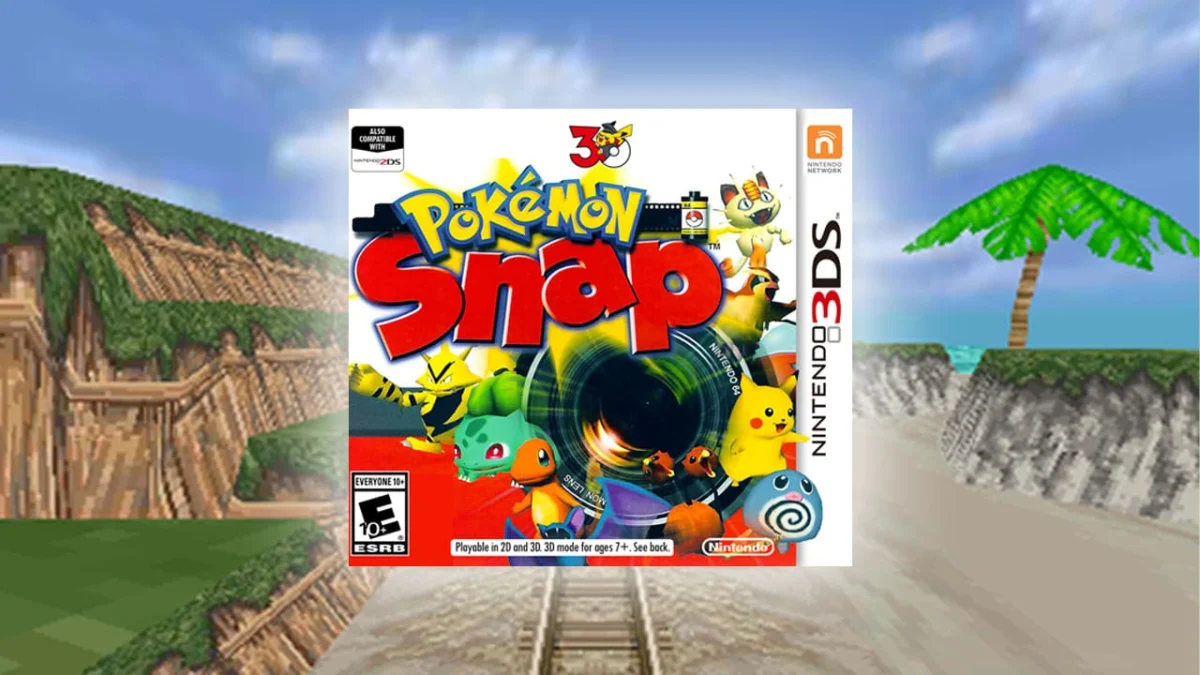
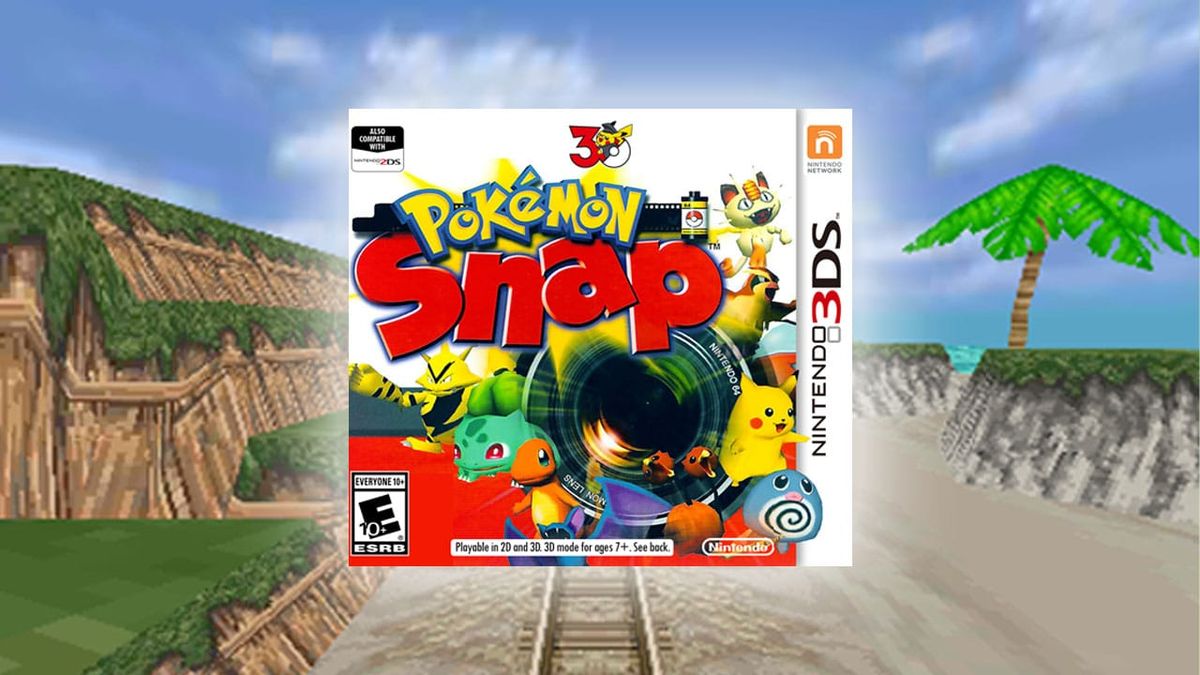
The highly anticipated beta version of the fan-made Pokémon Snap 3DS has officially launched, offering players a meticulously crafted reimagining of the Nintendo 64 classic. Developed by independent creator Manuel Rodríguez Matesanz, known online as ManuDev95, this ambitious project leverages the Unity Engine to recreate the beloved on-rails photography experience for modern audiences, complete with enhanced mechanics and stereoscopic 3D capabilities. The release marks a significant milestone for the project, which has been in development for an extended period, generating considerable buzz within the Pokémon fan community.
A Nostalgic Journey Reimagined
Pokémon Snap, originally released in 1999, invited players to step into the role of Todd Snap, a budding photographer tasked with capturing the diverse wildlife of Pokémon Island. Unlike traditional Pokémon games, Snap focused on exploration, observation, and photographic skill rather than combat. Players navigated scenic environments on a "zero-one" vehicle, using their camera to document Pokémon in their natural habitats, aiming for the best shots to impress Professor Oak. The game’s unique premise and charming presentation earned it a dedicated following, and its legacy has endured for over two decades.
The genesis of the Pokémon Snap 3DS project can be traced back to a report approximately one month prior to this announcement, detailing ManuDev95’s ambitious endeavor to bring the game to both PlayStation 1 and Nintendo 3DS platforms. This latest development confirms the successful progression of the 3DS version, with the beta now accessible to the public.
Key Features and Enhancements in the Beta
The Pokémon Snap 3DS beta is not merely a faithful recreation; it introduces a wealth of new features and quality-of-life improvements designed to modernize the gameplay experience. Foremost among these is the implementation of stereoscopic 3D, a hallmark of the Nintendo 3DS hardware, which aims to provide a more immersive visual presentation. This feature, often lauded for its ability to add depth and presence to game worlds, is expected to significantly enhance the feeling of exploring Pokémon Island.
Further enriching the gameplay are new routes and the inclusion of Pokémon that were not present in the original Nintendo 64 release. This expansion of content suggests a deeper dive into the Pokémon universe, offering players new creatures to discover and photograph. The development team has also integrated modern control schemes, including touch-screen and gyroscope controls, which are native to the 3DS and promise more intuitive interaction with the game’s mechanics. Additionally, the beta showcases Amiibo support, a feature that could potentially unlock new in-game content or bonuses for those who own compatible figures.
The game’s multilingual support, available in seven languages, underscores its global appeal and the developer’s commitment to accessibility. Crucially, the project is designed to run on native 3DS hardware, but its compatibility extends to emulators such as Citra and Azahar, as well as modified Nintendo Switch consoles, broadening its reach to a wider audience of retro gaming enthusiasts and Nintendo fans.
Development Timeline and Community Engagement
The development of fan-made games is often a lengthy and iterative process, driven by passion and community feedback. While a precise start date for the Pokémon Snap 3DS project is not publicly detailed, its journey from concept to a playable beta highlights the dedication of its creator. The initial report of the project’s existence approximately a month ago suggests a period of intense development leading up to this beta release.

The developer, Manuel Rodríguez Matesanz, has been actively sharing progress updates and insights on social media platforms, notably X (formerly Twitter). A recent post from May 12, 2026, humorously pointed out a minor oversight in the beta: the tutorial flag was inadvertently left disabled. This candid admission, accompanied by the hashtag #pokemonsnap3ds, demonstrates a transparent development process and an engagement with the community that eagerly anticipates the game. The inclusion of a YouTube video embedded within the article, showcasing gameplay footage of the beta on retail hardware, further solidifies the project’s tangible progress and offers potential players a glimpse into the enhanced experience.
Technical Aspects and Visual Fidelity
The use of the Unity Engine by ManuDev95 is a critical factor in the project’s success. Unity is a widely adopted and powerful game development platform known for its versatility and ability to facilitate cross-platform development. Its robust tools and extensive asset store allow independent developers to create visually impressive and functionally rich games. The screenshots and gameplay footage accompanying the announcement suggest a high level of visual fidelity, with environments and Pokémon models that are reminiscent of official Nintendo releases, particularly the stylized aesthetics often seen in 3DS titles.
The integration of stereoscopic 3D is a particularly noteworthy technical achievement. Recreating this effect accurately requires a deep understanding of the 3DS’s hardware capabilities and careful optimization to avoid visual artifacts or performance issues. The fact that the beta runs on retail hardware indicates that these technical hurdles have been successfully navigated, at least to a beta stage.
The Specter of Legal Scrutiny
The development of fan-made games, especially those based on established intellectual property like Pokémon, exists in a legal gray area. While projects like Pokémon Snap 3DS are born out of admiration and a desire to expand upon beloved franchises, they can attract the attention of rights holders. Nintendo, the primary rights holder for the Pokémon franchise, has a history of taking legal action against fan projects that are perceived to infringe on their intellectual property.
The article humorously references the case of Cody Rhodes, a professional wrestler who reportedly received a cease and desist letter from Nintendo for his expressed fondness for The Legend of Zelda. This anecdote serves as a lighthearted, yet pointed, reminder of the potential risks involved in such endeavors. While the creators of fan games often operate with the intention of preserving and celebrating the original works, and often do not profit directly from them, the legal ramifications can still be severe.
The success and visibility of Pokémon Snap 3DS’s beta release could potentially increase its likelihood of attracting official scrutiny. However, the project’s focus on a specific platform (3DS) and its nature as a non-commercial fan endeavor might offer some degree of protection, at least in the short term. The broader implications for fan game development remain a persistent concern, as creators constantly navigate the delicate balance between passion projects and intellectual property rights.
Looking Ahead: The Future of Pokémon Snap 3DS
The release of the beta version marks a significant step towards the full completion of Pokémon Snap 3DS. While the beta offers a substantial amount of content and a glimpse into the final product, further development will likely involve bug fixing, refinement of existing features, and potentially the addition of more content. The developer’s commitment to transparency and community engagement suggests that future updates will be communicated effectively to the eager player base.
For fans of the original Pokémon Snap, this fan-made reimagining presents an exciting opportunity to experience the game in a new light, with modern conveniences and enhanced visuals. The project also stands as a testament to the creativity and dedication of independent game developers who continue to breathe new life into classic titles, ensuring their cultural relevance for generations to come. The availability of the beta on platforms like GitHub provides a clear avenue for interested players to download, test, and contribute to the ongoing development of this remarkable fan project.








