Cecilia Chamidah Nur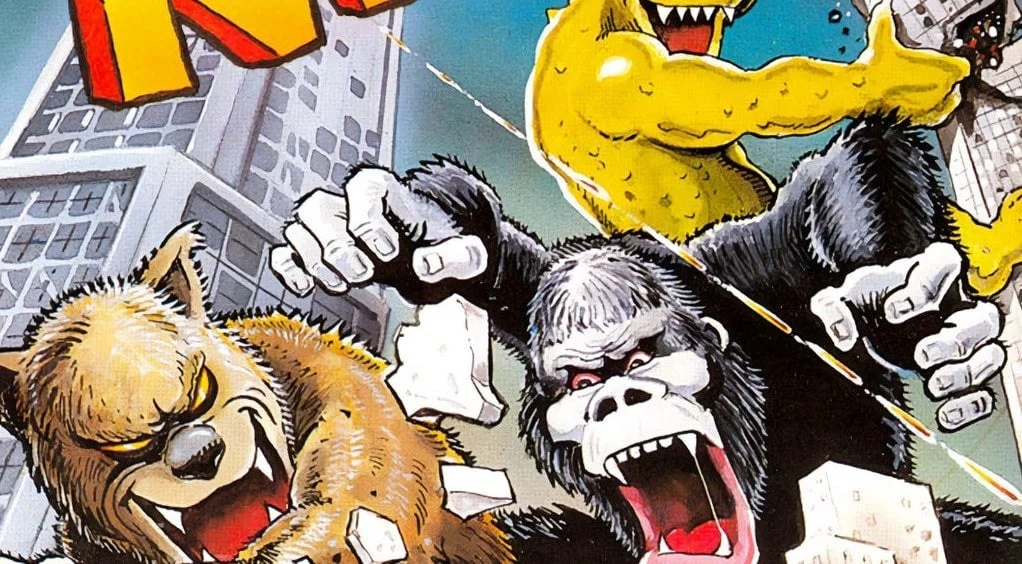
A significant cache of previously unreleased Atari Lynx game prototypes, including a fully playable build of the long-lost title "Monster Demolition," has been recovered and subsequently shared online, marking a pivotal moment for video game preservationists and retro gaming enthusiasts. The discovery, meticulously detailed by the renowned video game history website Games That Weren’t, has unveiled crucial insights into the early development and marketing efforts surrounding Atari’s pioneering handheld console. The collaborative endeavor involving prominent figures within the Atari community has not only brought a mythical game back from obscurity but also provided a deeper understanding of the console’s nascent software library and the often-turbulent journey of game creation in the late 1980s.
The Atari Lynx: A Glimpse into Its Ambitious Dawn
Launched in North America in September 1989, the Atari Lynx was a groundbreaking handheld console that predated its color competitors, the Sega Game Gear and NEC TurboExpress, by a full year. Boasting a vibrant, backlit color screen and powerful 16-bit processing capabilities, it was technically superior to Nintendo’s monochrome Game Boy, which had been released earlier the same year. Atari envisioned the Lynx as a premium portable gaming experience, capable of delivering arcade-quality graphics and immersive gameplay on the go. To capture market attention and differentiate itself from the ubiquitous Game Boy, Atari heavily promoted a lineup of exciting launch and near-launch titles, many of which were original concepts or ambitious ports of popular arcade games.
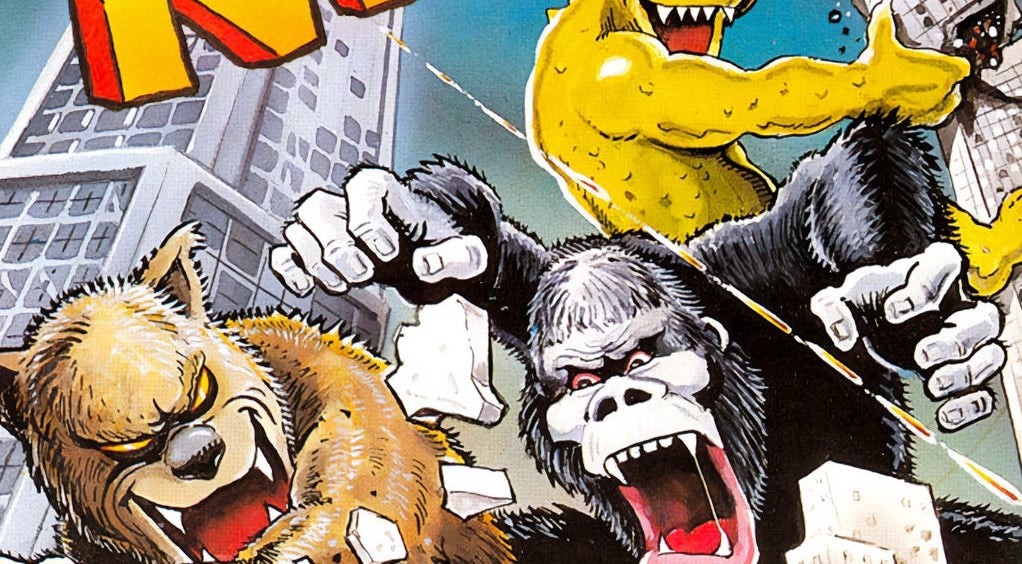
Among the most frequently teased and anticipated of these early titles was "Monster Demolition." Featured prominently in pre-release magazine advertisements, newspaper articles, and even early console packaging mock-ups, the game was positioned as a fresh take on the classic arcade monster-destroying-cities genre, clearly drawing inspiration from Midway’s highly successful Rampage. The marketing suggested a thrilling experience where players would control colossal beasts wreaking havoc on urban landscapes. However, as development progressed, "Monster Demolition" mysteriously vanished from Atari’s release schedule, ultimately replaced by a direct port of Rampage itself, which was released for the Lynx in 1990. For decades, "Monster Demolition" existed only as a phantom, its legacy confined to a handful of low-resolution marketing screenshots and fleeting, low-quality footage from a Japanese promotional video, fueling speculation among historians about what could have been. The prevailing belief was that the game had been entirely lost to time, another casualty of the often-unstable world of early video game development.
The Collaborative Effort: Unearthing Gaming History
The monumental recovery of "Monster Demolition" and other significant prototypes is the result of a dedicated preservation initiative spearheaded by a collective of passionate Atari enthusiasts. Marty Goldberg, a renowned historian and author celebrated for his extensive work on Atari’s legacy, played a crucial role in making a large cache of Lynx EPROMs (Erasable Programmable Read-Only Memories) available for analysis. EPROMs were commonly used during game development to store preliminary code and assets, allowing developers to test and iterate on their creations.
The painstaking process of "dumping" the data from these physical EPROMs into digital ROM files was undertaken by Mike Lee and Tempest at the Midwest Gaming Classic (MGC) this year, a prominent convention for retro gaming and arcade enthusiasts. This technical procedure involves specialized hardware and software to extract the raw binary data from the chips, thereby creating digital copies that can be preserved, analyzed, and played on emulators. The meticulous work of these individuals, further supported by Dutchman2000 in the subsequent sharing and verification, culminated in the public release of these long-sought-after files on the Atari Age Forums, a venerable online hub for Atari devotees.
Tempest, who was directly involved in the dumping process, recounted the initial surprise and excitement of the discovery: "Thanks to the generosity of Marty Goldberg, Mike Lee and I were able to dump a large cache of Lynx EPROMs at MGC this year. As we suspected most were the final versions (although we now have dates for these), but hidden amongst these final copies were some very early WIP titles." He initially misidentified one EPROM labeled "Monster" as potentially being the pinball game Elvira and the Party Monsters, given the title’s shared keyword. However, upon loading the game, the true identity of the prototype was revealed: "when I finally got a chance to fire it up I discovered that it was actually Monster Demolition (a.k.a Rampage Deluxe)!"
This revelation sent ripples of excitement through the retro gaming community, validating decades of historical curiosity and fulfilling a long-held wish among Lynx aficionados. Tempest further confirmed the stability of the recovered build, stating, "The game seems fully playable, I was able to go through about five levels and didn’t see anything that looked broken (although there were a few glitches)." This assessment indicates that the prototype represents a significant stage of development, offering a nearly complete playable experience rather than just a skeletal framework.
"Monster Demolition": A Deeper Look at the Lost Game
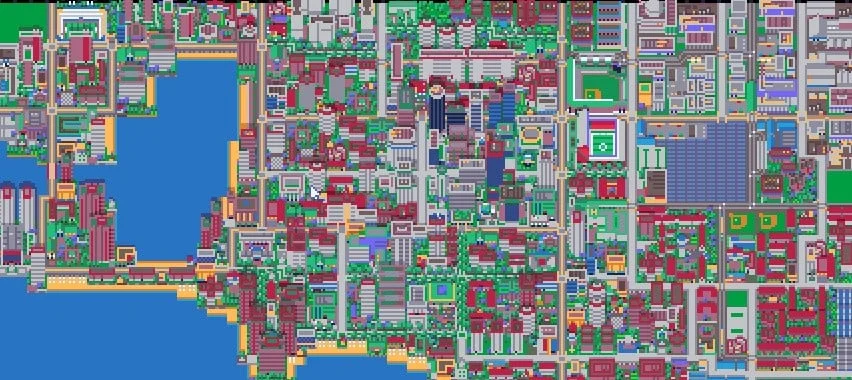
The recovered prototype of "Monster Demolition" offers a fascinating window into the design philosophies and iterative processes of game development in the late 1980s. While Rampage for the Lynx, released in 1990, featured four distinct playable monsters (George, Lizzie, Ralph, and Curtis), "Monster Demolition" presents a more streamlined selection. Players can choose between two primary characters: a King Kong-esque giant ape and a Godzilla-like lizard, clearly serving as early conceptual stand-ins for Rampage‘s iconic George and Lizzie. This reduction in character count might reflect early development constraints, a focus on core gameplay mechanics, or simply a stage before additional characters were implemented.
Beyond character selection, the prototype also reveals distinct level designs. The initial stage of "Monster Demolition," for instance, takes place in a suburban neighborhood, a stark contrast to the downtown city center that typically characterized the beginning of the Lynx Rampage port. This environmental difference suggests that "Monster Demolition" was not merely an incomplete Rampage port but rather an independent project that aimed to put a "new spin" on the genre, as originally theorized. The developers likely experimented with different settings and scenarios before the decision was made to produce a more faithful adaptation of the original arcade game.
Analyzing the gameplay mechanics, the recovered build allows enthusiasts to directly compare the "feel" and features of "Monster Demolition" against the later Rampage port. Minor glitches, as noted by Tempest, are common in prototype software and provide valuable insights into the debugging and refinement stages that a game undergoes before its commercial release. These subtle differences contribute significantly to the historical record, illustrating the creative evolution and strategic shifts that often occur during a game’s development cycle.
Beyond the Crown Jewel: Other Significant Discoveries
While "Monster Demolition" is undoubtedly the "crown jewel" of this monumental find, it was not the sole treasure unearthed from the cache of EPROMs. The preservationists also successfully recovered a new build of the Atari Lynx port of the arcade game Vindicators. Vindicators, an isometric tank combat game, was another title that Games That Weren’t had previously covered in depth, even featuring it in their comprehensive book on unreleased games.
Although Tempest noted that this Vindicators prototype did not turn out to be "the long lost complete version of the game," it is nonetheless a significant find. He confirmed that this newly discovered build is "further along than the only other known prototype and plays pretty well." This means it likely contains more completed levels, refined gameplay mechanics, or additional features not present in previous, less complete versions. Such iterative prototypes are invaluable for understanding the progression of a game’s development, revealing how features were added, refined, or discarded over time. For historians and fans of Vindicators, this provides a more comprehensive look at the challenges and successes of bringing complex arcade experiences to the Lynx’s hardware.
The broader haul also included final versions of other Lynx games, some with previously unknown date stamps. While not as flashy as a lost prototype, these dated ROMs contribute to a more accurate timeline of Atari Lynx software development, allowing researchers to precisely track when certain games were finalized or updated. This granular data is crucial for constructing a detailed historical narrative of the console’s lifespan and its game library.

The Broader Impact: The Imperative of Video Game Preservation
The recovery of "Monster Demolition" and these other Atari Lynx prototypes underscores the critical importance of video game preservation efforts. Unlike other forms of media like books or films, early video games often face unique preservation challenges. They are tied to specific hardware that degrades over time, stored on fragile physical media, and their development often leaves behind a trail of unfinished builds, design documents, and marketing materials that are easily lost or discarded. Without dedicated efforts from communities like Atari Age and organizations like Games That Weren’t, countless pieces of gaming history would simply vanish forever.
These discoveries are not merely nostalgic curiosities; they are invaluable historical artifacts. They provide direct insight into:
- Game Design Evolution: How ideas were conceptualized, iterated upon, and sometimes abandoned. "Monster Demolition" demonstrates how a "spin" on a popular concept could lead to a different game entirely, before a more direct port was chosen.
- Technological Constraints and Solutions: The prototypes show how developers worked within the limitations of early hardware, making design choices that reflected the processing power, memory, and screen capabilities of the Lynx.
- Marketing and Business Decisions: The presence of "Monster Demolition" in early marketing materials highlights Atari’s initial vision for the Lynx’s software library and how market forces or internal strategic shifts could alter release plans.
- The Human Element of Development: Each prototype tells a story of developers’ creativity, challenges, and the countless hours poured into creating interactive experiences.
The ongoing efforts of independent preservationists, historians, and passionate communities are filling crucial gaps in the historical record of video games, a medium that is increasingly recognized as a significant cultural and artistic form. By unearthing these lost treasures, they ensure that future generations can study, understand, and appreciate the rich, complex tapestry of gaming’s past.
The recovered prototypes are now freely available for download on the Atari Age forums, allowing anyone with an Atari Lynx emulator or flash cart to experience these pieces of history firsthand. This accessibility is a testament to the open and collaborative spirit of the retro gaming community, ensuring that these historical artifacts are not hoarded but shared for the collective benefit of all who cherish video game history. As more enthusiasts delve into these files, further analysis and discoveries are likely to emerge, continuing to enrich our understanding of the Atari Lynx and the dawn of handheld gaming.
Source: Atari Age Forums, via Games That Weren’t.