Ganda Hendra Perkasa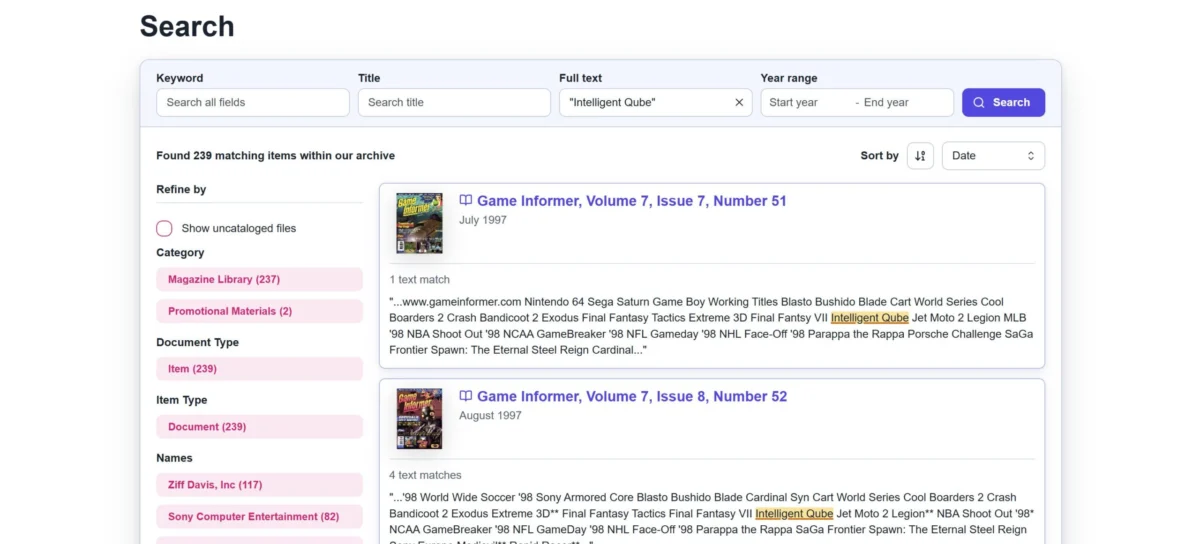
The International Center for the History of Electronic Games (ICHEG) at The Strong National Museum of Play has announced a significant overhaul of its digital archive platform, a move designed to dramatically improve how researchers and enthusiasts engage with its vast collection of gaming history. The updated interface, rolled out today, is the result of extensive user feedback and aims to streamline browsing, enhance search functionality, and provide quicker access to the invaluable historical materials preserved by the center. This initiative underscores ICHEG’s commitment to making digital historical resources more accessible and user-friendly, reflecting a broader trend in digital humanities and archival science.
A Revitalized Gateway to Gaming’s Past
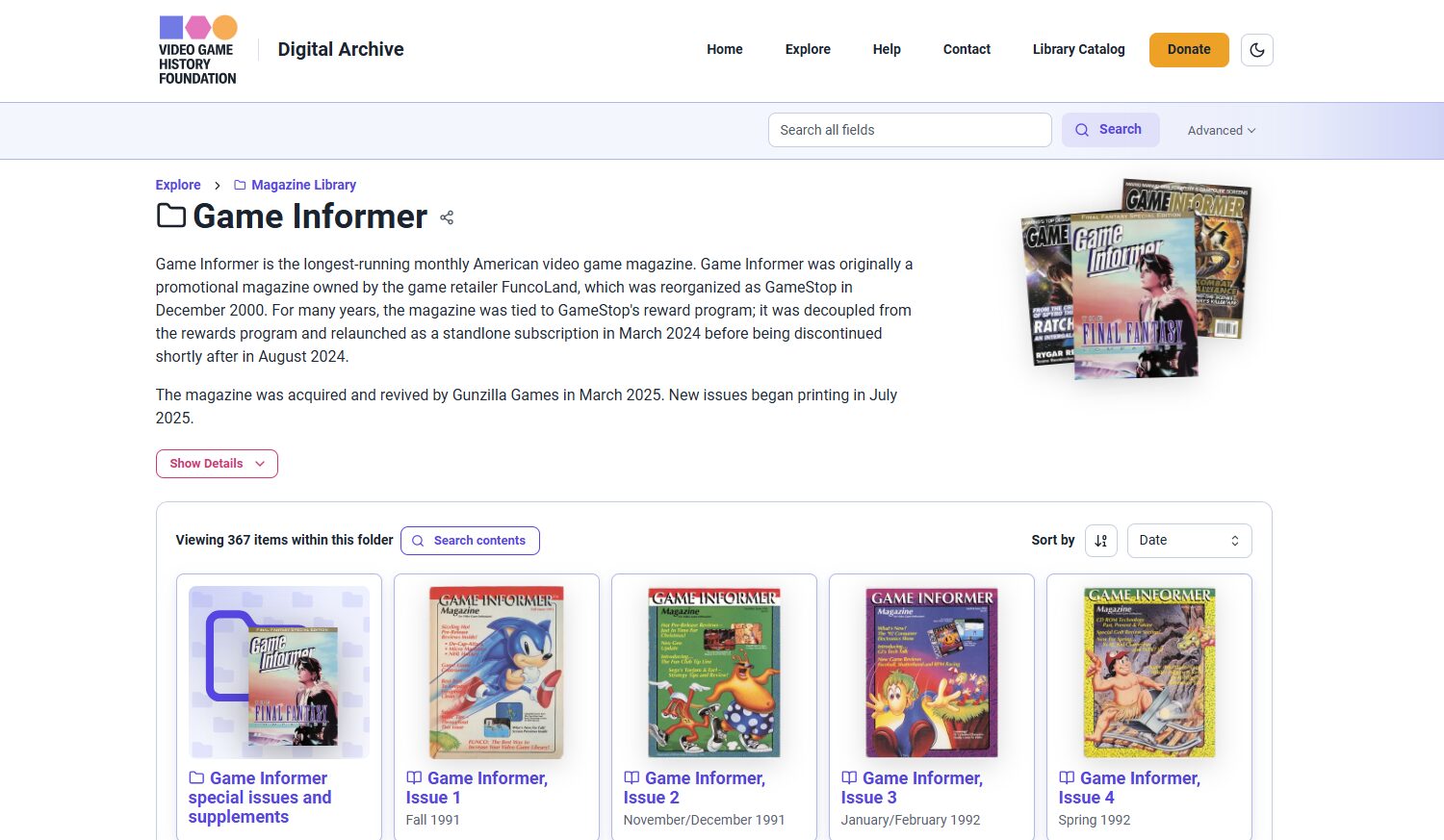
The core of the update lies in a complete rebuilding of the digital archive’s interface from the ground up. Key improvements focus on visual clarity and navigational efficiency. Images, a crucial element for historical artifacts like magazine covers and game manuals, have been enlarged. This not only makes it easier to identify specific items but also improves the visual distinction between different types of archival content, such as distinct folders and individual files. This user-centric design aims to reduce cognitive load for visitors navigating the extensive digital stacks.
Beyond visual enhancements, the platform boasts a notable increase in performance. The new interface loads faster than its predecessor, a critical factor for user retention and efficient research. Improved loading states provide clearer visual cues to users while content is being retrieved, preventing frustration and enhancing the perception of responsiveness. Furthermore, the system has been engineered to better track user navigation, allowing for a more seamless experience when moving between different sections and pages within the archive. This navigational stability is particularly important for researchers delving into complex or lengthy documents.
Enhanced Search Functionality for Deeper Discovery
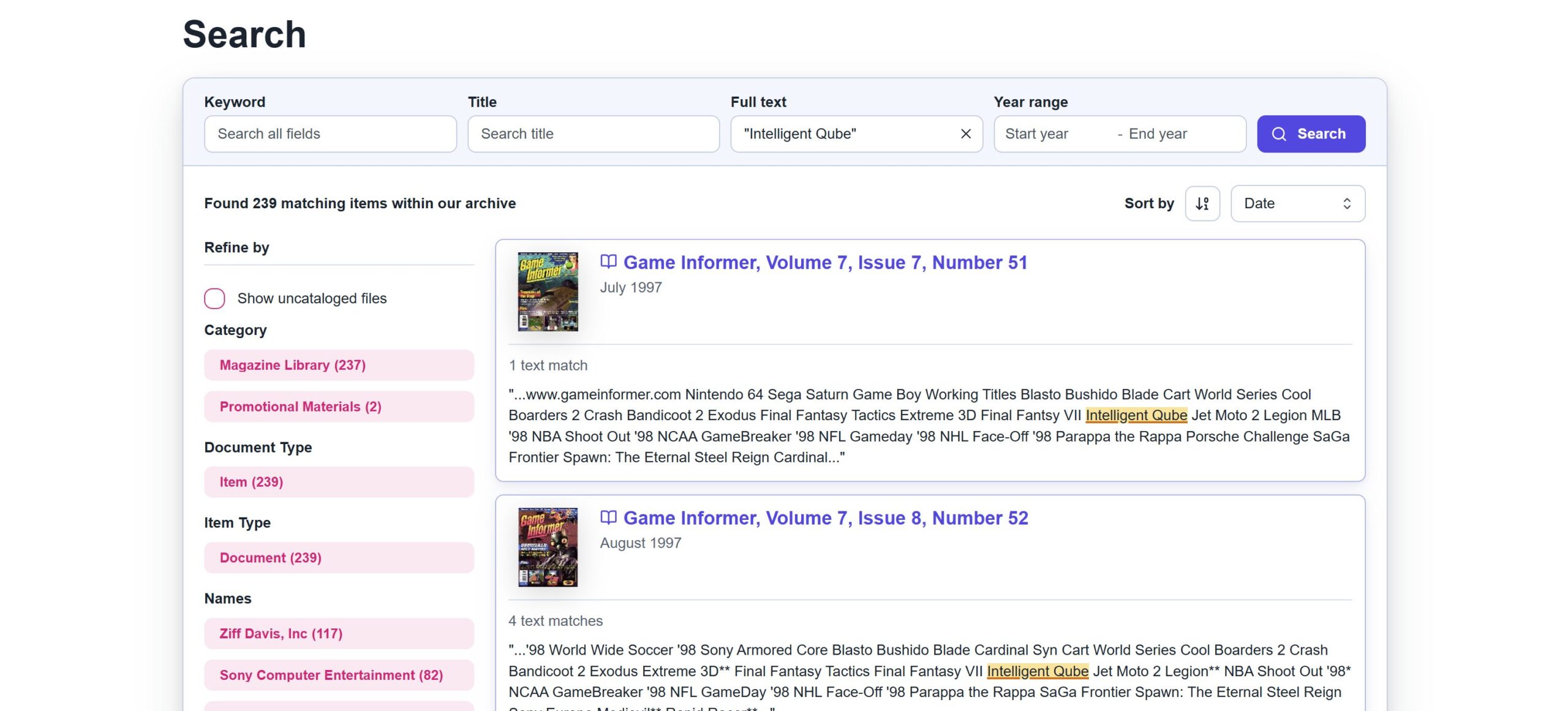
Recognizing that effective search is paramount for any digital archive, ICHEG has significantly upgraded the platform’s search capabilities. The updated interface now offers enhanced context for keyword searches through an expanded "snippet view." This feature now displays approximately four times more surrounding text for each matching result. This substantial increase in contextual information allows users to more rapidly ascertain the relevance of search findings without needing to open each individual document, thereby accelerating the research process and enabling more targeted exploration of the archive’s contents.
The implications of this enhanced search are far-reaching. For academic researchers studying the evolution of game design, marketing strategies, or critical discourse, the ability to quickly pinpoint relevant passages within thousands of documents can shave weeks off research timelines. Similarly, for journalists, game developers, or even casual enthusiasts tracing the history of a specific game or genre, the improved search means a more efficient and less tedious discovery process. This can lead to a richer understanding of the nuances and interconnectedness of historical gaming artifacts.
Streamlined Access and Curated Exploration
To further facilitate immediate engagement, the homepage now features a prominent "Explore the Archive" section. This integration allows users to directly jump into browsing specific collections without the need to navigate to a separate page. This "at-a-glance" access point is designed to lower the barrier to entry for new users and provide a more intuitive starting point for exploration.
Additionally, a "Featured Collections" bar, positioned further down the homepage, highlights new and noteworthy additions to the archive. This curated approach serves to draw attention to the most recent acquisitions and potentially under-explored areas of the collection, encouraging users to discover content they might not have actively searched for. This feature is particularly valuable for maintaining user interest and showcasing the dynamic nature of the archive as it continues to grow.
A Commitment to Continuous Improvement and Future Development
The ICHEG team expressed optimism regarding the impact of these changes. They believe these enhancements will significantly elevate the research experience, making the digital archive a more powerful and enjoyable resource. Their vision extends beyond this initial update, with plans for future iterations of the archive’s frontend already in motion.
Among the proposed future features are a new, more advanced viewer for image files, which could offer features like zooming, annotation, or side-by-side comparison. A particularly exciting development is the planned implementation of character recognition technology for Japanese magazines. This will unlock the ability to search and index the content of these often difficult-to-access materials, opening up a wealth of information for researchers specializing in Japanese game history.
The ultimate goal, as stated by ICHEG, is the eventual integration of the digital archive with the full library catalog. This would create a unified research environment, allowing users to seamlessly move between digital archival materials and other resources held by The Strong Museum, providing a more holistic approach to historical research.
Context and Background: The Evolving Landscape of Digital Archives
The launch of this upgraded platform comes at a time when digital archives are playing an increasingly vital role in academic research and public engagement with history. As physical archives face limitations of space and preservation challenges, digital platforms offer unprecedented accessibility. The International Center for the History of Electronic Games, as part of The Strong National Museum of Play, has been at the forefront of preserving and disseminating the history of electronic games since its inception.
Established in 2006, ICHEG’s mission is to collect, preserve, and present the history of video games and other electronic entertainment. Over the years, the center has amassed an impressive collection, including a vast array of video games, consoles, arcade machines, and, crucially for this update, an extensive library of publications such as magazines, journals, and books. The digital archive is a critical component of this mission, making these often fragile or rare materials accessible to a global audience.
The decision to rebuild the platform from scratch, rather than incremental updates, suggests a strategic response to the evolving expectations of digital users and the rapid advancements in web technologies. The emphasis on user feedback underscores a commitment to user-centered design, a principle that has become increasingly important in the development of digital tools across all sectors.
Broader Implications for Digital Humanities and Historical Preservation
The ICHEG’s initiative has broader implications for the field of digital humanities and historical preservation. By investing in a robust, user-friendly digital archive, they are not only safeguarding a significant cultural heritage but also fostering new avenues for scholarly inquiry and public understanding. The improvements in search functionality, particularly the expanded snippet view, can be seen as a model for other institutions looking to enhance the discoverability of their digital collections.
The development of specialized features, such as character recognition for non-Latin scripts, highlights the potential for digital archives to overcome language barriers and unlock previously inaccessible historical narratives. This is particularly relevant for understanding the global history of electronic games, which has significant regional variations and contributions.
The ultimate goal of integrating with a full library catalog points towards a future where digital archives are not siloed resources but are seamlessly interwoven with broader institutional collections. This holistic approach can facilitate interdisciplinary research and provide a more comprehensive understanding of historical contexts. The success of this upgrade by ICHEG may well serve as a catalyst for similar ambitious projects at other historical institutions, pushing the boundaries of what is possible in digital historical research and accessibility. The commitment to continuous improvement and the forward-looking roadmap suggest that this is not merely a technical upgrade, but a strategic investment in the future of gaming history scholarship.