
 Farhan hamdan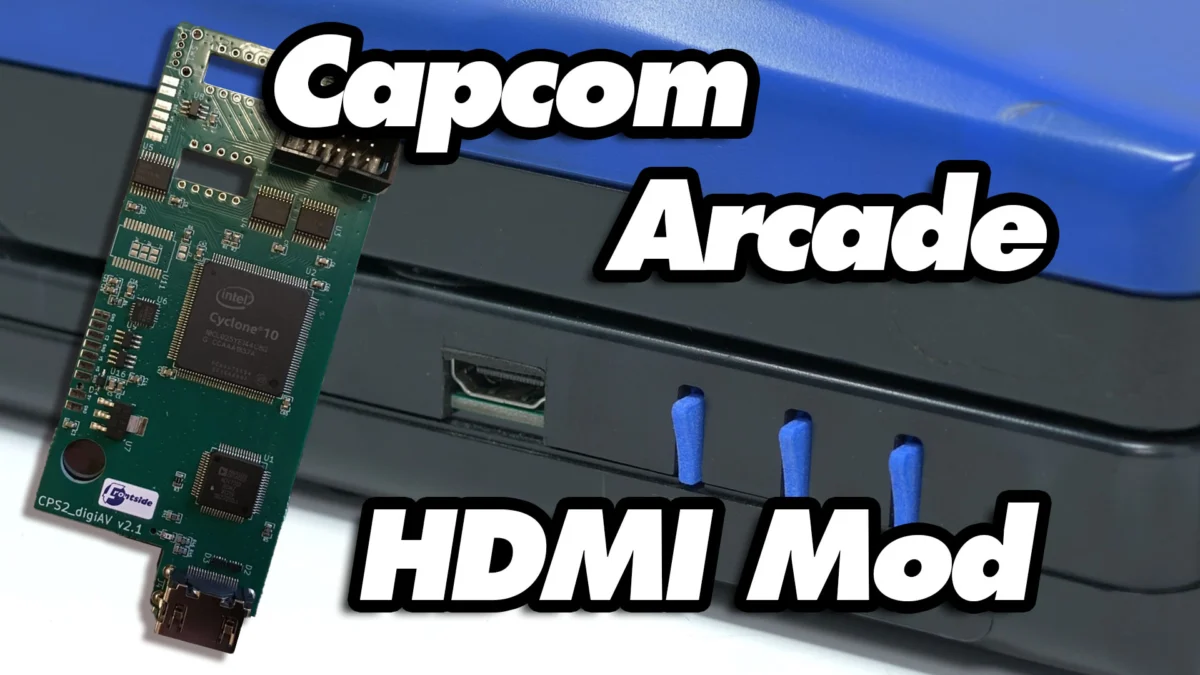
VGP, a prominent retailer in the retro gaming hardware market, has announced a substantial restock of Markus’ highly sought-after CPSDigiAV mod kit. This innovative modification provides a true digital HDMI output for a range of revered arcade platforms, including the Capcom Play System (CPS) 1, 2, and 3 boards, as well as Neo Geo and specific Toaplan v2 boards. The kit, priced at approximately $185, addresses a critical need for enthusiasts aiming to preserve and play original arcade hardware on modern displays without compromising visual fidelity or introducing input lag. The restock, made available through VGP’s distribution channels, underscores the enduring demand for high-quality solutions that bridge the gap between vintage arcade technology and contemporary entertainment setups.
The Enduring Challenge of Arcade Preservation and Modern Display Integration
For decades, arcade gaming existed primarily within the confines of dedicated cabinets, featuring CRT (Cathode Ray Tube) monitors that were perfectly suited for their unique pixel art and refresh rates. The inherent characteristics of CRTs, such as their progressive scan and lack of input lag, made them the ideal medium for displaying the vibrant, fast-paced action of titles from developers like Capcom and SNK. However, the advent of flat-panel displays – LCDs, LEDs, and OLEDs – dramatically shifted the landscape of visual technology. These modern screens, designed for digital signals and often operating at higher native resolutions, pose significant challenges when attempting to display the analog, low-resolution output of classic arcade boards.
The core issue lies in the conversion process. Original arcade boards output analog video signals, typically RGB (Red, Green, Blue), which, while high-quality for their time, are incompatible with the digital HDMI inputs of modern televisions and monitors. Connecting these analog signals directly often requires external converters or upscalers, which can introduce varying degrees of input lag, blurriness, or color inaccuracy. This degradation compromises the authentic arcade experience, which is predicated on pixel-perfect visuals and instantaneous response times. Enthusiasts and collectors, dedicated to preserving the integrity of original hardware, have long sought a seamless, high-fidelity solution to overcome these technical hurdles. The CPSDigiAV kit emerges as a pivotal answer to this long-standing dilemma, offering an internal, direct digital conversion that bypasses the limitations of external analog-to-digital processes.
A Deep Dive into the CPSDigiAV’s Technical Prowess
Markus’ CPSDigiAV is not merely an HDMI adapter; it is a sophisticated, zero-lag digital video processing unit designed to integrate directly into the target arcade boards. Its primary function is to convert the native analog video output of the CPS, Neo Geo, and Toaplan v2 boards into a pure digital HDMI signal, complete with integrated audio. This internal modification ensures the signal path is as direct and clean as possible, minimizing potential sources of interference or latency.
A standout feature of the CPSDigiAV is its remarkable resolution scalability. The kit is capable of outputting resolutions ranging from the original 240p, faithfully preserving the pixel art aesthetic for purists, all the way up to 1440p. This wide range allows users to select the optimal resolution for their specific display and preferences, whether they seek a crisp pixel-doubled image or a higher-resolution upscaled presentation. The flexibility in output resolution, combined with the integrated audio, makes the CPSDigiAV an all-encompassing solution for modernizing retro arcade setups.
Furthermore, the CPSDigiAV incorporates many of the advanced features commonly found in high-end external video processors like the Open Source Scan Converter (OSSC). These features include scanline generation for an authentic CRT look, aspect ratio control, and various scaling options. The inclusion of an on-screen display (OSD) menu provides users with intuitive control over these settings, allowing for real-time adjustments without the need for external tools or complex configurations. This level of control empowers users to fine-tune the visual output to their exact specifications, ensuring the best possible presentation on any modern HDMI display. The "zero-lag" claim is particularly critical for arcade games, where every millisecond of input delay can significantly impact gameplay, especially in precise fighting games or bullet-hell shooters. By processing the signal internally and directly converting it to digital, the CPSDigiAV largely eliminates the latency typically associated with external upscaling solutions.
The Legacy of Capcom Play System and Neo Geo
The platforms supported by the CPSDigiAV represent some of the most iconic and influential arcade systems in history.
- Capcom Play System (CPS): Capcom’s proprietary arcade hardware series defined an era of arcade gaming.
- CPS-1 (1988): Launched with titles like Ghouls ‘n Ghosts and Final Fight, and later hosted the groundbreaking Street Fighter II. It was celebrated for its vibrant graphics, powerful sound, and innovative gameplay mechanics that set new standards for the industry.
- CPS-2 (1993): An evolution of its predecessor, CPS-2 delivered even richer visuals and more complex gameplay, becoming the home for classics such as Super Street Fighter II Turbo, Marvel vs. Capcom, and Darkstalkers. Its robust library solidified Capcom’s reputation as a leader in arcade development.
- CPS-3 (1996): Though featuring a smaller library of only six games, CPS-3 pushed 2D graphics to their absolute limit with titles like Street Fighter III: Third Strike. Its high-resolution sprites and sophisticated animation remain visually stunning even today, making it a prized possession for collectors.
- Neo Geo (1990): SNK’s "Advanced Entertainment System" (AES) and Multi Video System (MVS) were revolutionary, offering arcade-perfect experiences in both home and commercial settings. Known for its lavish 2D graphics, massive game cartridges, and high price tag, the Neo Geo became synonymous with premium arcade action. Its library boasts legendary fighting games like The King of Fighters series, Fatal Fury, and Samurai Shodown, alongside iconic run-and-gun titles like Metal Slug.
- Toaplan v2: While perhaps less universally known than Capcom or SNK, Toaplan was a highly respected Japanese developer specializing in shoot ’em up (shmup) games. Their hardware, particularly later revisions like v2, hosted critically acclaimed titles such as Dogyuun and Knuckle Heads, cherished by fans of the genre for their intricate bullet patterns and challenging gameplay.
The cultural and historical significance of these platforms cannot be overstated. They were incubators for innovation, shaping the landscape of video games and leaving an indelible mark on popular culture. For many, owning and playing these original boards is not just about nostalgia, but about experiencing gaming history in its most authentic form.
The Developer, Markus, and the Role of VGP

The CPSDigiAV kit is the brainchild of Markus, a highly respected figure within the retro gaming modification community. His dedication to engineering precise, high-performance solutions for vintage hardware has earned him a reputation for quality and innovation. The development of such a complex, zero-lag digital output system requires deep technical expertise in both analog and digital electronics, as well as an intimate understanding of the intricacies of various arcade hardware architectures. Markus’s work exemplifies the passion and ingenuity driving the retro gaming modding scene, where enthusiasts often take on the challenge of improving or modernizing old hardware where commercial support has long ceased.
VGP (Video Game Perfection), the retailer distributing the CPSDigiAV, plays a crucial role in making these specialized modifications accessible to a wider audience. As a vendor known for stocking niche, high-quality retro gaming components and accessories, VGP acts as a vital bridge between individual developers like Markus and the global community of retro hardware enthusiasts. Their decision to restock the CPSDigiAV signals a recognition of strong and sustained market demand for this particular solution. The distribution through established channels like VGP not only facilitates purchase but also often comes with a level of customer support and reliability that independent developers might find challenging to provide on their own.
Market Position and Alternatives: A Niche for Purists
In the diverse landscape of retro gaming, the CPSDigiAV occupies a distinct and crucial niche. It is explicitly aimed at "original hardware enthusiasts" – individuals who prioritize playing games on their authentic, original arcade boards rather than through emulation. This segment of the community values the tactile experience of interacting with vintage electronics, the specific nuances of original hardware performance, and the satisfaction of preserving gaming history in its most tangible form.
While highly effective, the CPSDigiAV is not without alternatives, though none currently offer the same comprehensive feature set and broad compatibility for Capcom’s CPS boards. For Neo Geo, the nascent NeoPico HD is emerging as a potential alternative, also offering HDMI output. However, as noted in the original announcement, the NeoPico currently lacks many of the advanced features present in the CPSDigiAV and is not yet widely available. This scarcity of direct competitors further solidifies the CPSDigiAV’s position as the premier solution for these arcade platforms.
For those who prioritize casual game experience over original hardware authenticity, excellent emulation options exist. The MiSTer FPGA project, for instance, utilizes Field-Programmable Gate Arrays to recreate hardware logic at a very low level, offering an extremely accurate and low-latency emulation experience for many retro platforms, including Neo Geo and various CPS systems. Similarly, Raspberry Pi-based solutions, running software emulators like RetroPie, provide an affordable and accessible way to experience a vast library of classic games. These emulation platforms are fantastic for broader accessibility and casual play, offering convenience and a massive game library without the complexities and costs associated with acquiring, maintaining, and modifying original arcade boards. However, for the dedicated purist, the subtle differences in timing, sound, and visual rendering, no matter how minor, are often enough to justify the investment in original hardware and specialized modification kits like the CPSDigiAV. The choice ultimately boils down to a philosophical one: the pursuit of absolute authenticity versus the convenience and accessibility of modern emulation.
Broader Impact and Implications for Retro Gaming
The continued availability and demand for products like the CPSDigiAV have several significant implications for the retro gaming community and the broader field of digital preservation.
Firstly, it significantly enhances the longevity and playability of original arcade hardware. By providing a modern, high-quality output, these kits ensure that valuable pieces of gaming history can continue to be enjoyed on contemporary displays for decades to come, preventing them from becoming obsolete due to incompatible video standards. This is a crucial aspect of preservation, extending the practical life of these vintage machines beyond the lifespan of their original CRT counterparts.
Secondly, the CPSDigiAV empowers content creators and live streamers. With true digital HDMI output, streamers can capture pristine, zero-lag footage of original arcade hardware gameplay directly, without the need for complex and potentially lag-inducing external upscalers. This elevates the quality of retro gaming content, offering viewers an authentic and visually superior experience, which is increasingly important in the competitive streaming landscape.
Thirdly, it highlights the vibrancy and innovation within the retro modification community. The dedication of individuals like Markus to develop such sophisticated solutions demonstrates a powerful grassroots movement to enhance and preserve gaming heritage. These efforts often fill gaps left by original manufacturers who have long moved on from supporting their older hardware.
Finally, the strong market response to this restock, as evidenced by VGP’s decision to replenish inventory, underscores the sustained and growing interest in original retro hardware. Despite the advancements in emulation, a significant segment of the gaming population continues to value the tangible connection to gaming history that only original hardware can provide. This demand fuels a niche but robust ecosystem of developers, retailers, and enthusiasts dedicated to keeping classic games alive and accessible.
In conclusion, Markus’ CPSDigiAV mod kit, now readily available again through VGP, represents a significant leap forward for enthusiasts of Capcom CPS, Neo Geo, and Toaplan v2 arcade boards. By offering a zero-lag, true digital HDMI output with extensive features, it effectively modernizes these classic platforms for contemporary displays without sacrificing authenticity or performance. It solidifies its position as the leading solution for original arcade hardware purists, ensuring that these iconic pieces of gaming history can continue to be experienced in their finest form for generations to come.








