Chalid Lutfie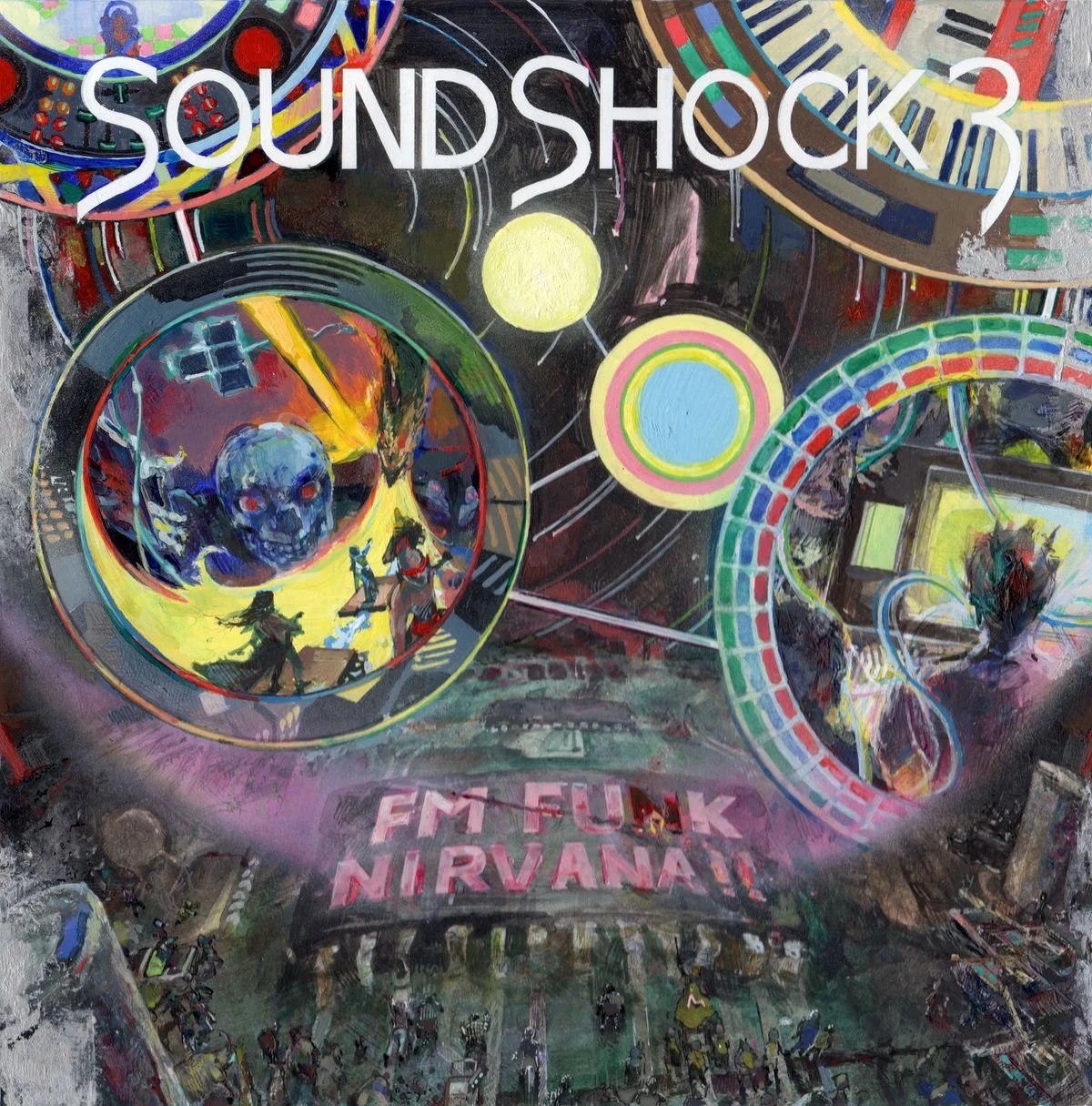
The release of SOUNDSHOCK 3: FM FUNK NIRVANA!! marks a significant milestone in the evolution of the independent chiptune and FM synthesis music scenes, cementing a decade-long trajectory that began as a niche collaborative effort and transformed into a global cultural phenomenon. Initiated in 2010 through the creative vision of the artist known as zinger and the logistical support of the Ubiktune record label, the SOUNDSHOCK series has transcended its original premise as a simple music compilation. It now serves as a primary bridge between the Western demoscene and the Japanese video game music community, fostering a unique cross-cultural exchange centered on the legacy of 16-bit hardware.
The project’s inception was catalyzed by a 2010 proposal from Dmitry Zhemkov, the founder of the Ubiktune label known professionally as C-jeff. While Zhemkov initially approached zinger with the intent of producing a solo album, the creative direction pivoted toward a broader, collaborative vision. This shift was motivated by zinger’s desire to explore the communal aspects of Frequency Modulation (FM) synthesis, a sound synthesis technology that defined the auditory landscape of late 1980s and early 1990s computing and gaming.
Historical Context and Technical Foundations of FM Synthesis
To understand the significance of the SOUNDSHOCK series, it is necessary to examine the technical and cultural roots of the hardware it celebrates. FM synthesis, popularized by the Yamaha Corporation, became the standard for audio production in the 16-bit era. The most notable implementation was the Yamaha YM2612 (OPN2) chip, which powered the Sega Mega Drive (known as the Genesis in North America). Unlike the programmable sound generators (PSG) of the 8-bit era, which produced simple square and triangle waves, FM synthesis allowed for complex, metallic, and "funky" timbres through the modulation of carrier waves by operators.
The series creator, zinger, has identified titles such as Golden Axe II and Sonic the Hedgehog as foundational influences. These games utilized the YM2612 to create soundtracks that blended pop, funk, and orchestral elements, providing a sense of cinematic depth that was previously unattainable in home consoles. For a generation of composers, this hardware was not merely a tool of necessity but an instrument with a distinct, gritty personality. The obsession with these sounds led many into the "tracker" and "demoscene" cultures—underground communities focused on pushing hardware limits to create real-time computer art and music.
The Chronology of the SOUNDSHOCK Project
The development of the SOUNDSHOCK series can be categorized into three distinct phases of expansion and cultural integration.
Phase One: The Inception (2010–2011)
Following the initial discussions between zinger and C-jeff, the first SOUNDSHOCK album was conceptualized as a tribute to the FM sound. The project sought to gather artists who were active in the tracker scene—a subculture where music is composed using vertical timelines and hexadecimal code. This era was characterized by a focus on technical proficiency and the recreation of the "Mega Drive sound."
Phase Two: Bridging the East-West Divide (2012–2014)
The second phase saw the project expand its reach to Japan, a territory with a parallel but distinct history of FM synthesis. While Western enthusiasts focused on the Sega Mega Drive, Japanese composers had spent decades mastering the NEC PC-8801 and PC-9801 computer systems, which utilized the Yamaha YM2608 (OPNA) chip.
A pivotal moment occurred when zinger began collaborating with Japanese figures such as Ryu Takami and Haruhisa "hally" Tanaka. Despite initial language barriers, these creators found common ground through the shared lexicon of game titles and composer names. This period was instrumental in integrating legendary Japanese industry figures, such as Keishi Yonao—known for his work on high-end Japanese computer games—into the SOUNDSHOCK roster.
Phase Three: The Realization of FM Funk Nirvana (2015–Present)
The release of the third installment represents the maturation of the series. It signifies a move away from pure nostalgia toward a contemporary reinterpretation of FM synthesis. The project has successfully unified diverse rosters, placing independent Western artists like zabutom and Metal alongside Japanese stalwarts like shogun and Utabi. This phase highlights the "FM Funk" aesthetic—a specific subgenre that emphasizes the rhythmic, slap-bass, and percussive capabilities of the Yamaha chips.
Data and Artistic Collaboration: A Global Roster
The SOUNDSHOCK series is notable for its expansive and diverse contributor list, which serves as a "who’s who" of the FM synthesis world. The series has successfully curated tracks from artists across several continents, creating a data set of collaborative synergy that is rare in independent music.
Key contributors mentioned in the project’s history include:
- Keishi Yonao: A veteran composer whose work on systems like the Sharp X68000 and NEC PC-98 provided a blueprint for high-fidelity FM composition.
- Hally (Haruhisa Tanaka): A researcher and musician often credited with popularizing the term "chiptune" in Japan and acting as a cultural liaison.
- C-jeff (Dmitry Zhemkov): The administrative backbone of the project, whose label Ubiktune has become a premier destination for high-quality digital fusion and chiptune music.
- Ryu Takami and hex125: Representing the Japanese underground scene that kept FM synthesis alive during the transition to CD-quality audio.
The series also highlights the technical crossover between the "demoscene"—a predominantly European and Russian phenomenon—and the Japanese "Game Center" culture. This intersection has allowed for the sharing of techniques, such as the use of modern tracker software like DefleMask or BambooTracker, which emulate legacy hardware with modern precision.
Broader Impact and Cultural Implications
The SOUNDSHOCK series has implications that extend beyond the immediate enjoyment of its listeners. It serves as an unofficial archive of a specific digital aesthetic. In a modern music industry often dominated by high-fidelity samples and infinite digital workstations, the constraints of FM synthesis—limited channels, specific operator algorithms, and hardware-specific distortion—provide a framework that encourages creativity through limitation.
Digital Preservation and Revitalization
By commissioning new works on legacy-style hardware, the series contributes to the "living history" of computer music. It prevents the sounds of the 1990s from becoming museum pieces, instead treating them as active, evolving instruments. This mirrors the resurgence of analog synthesizers in mainstream electronic music, suggesting a cyclical nature to technological appreciation.
Cross-Cultural Diplomacy
The project demonstrates the power of niche interests to overcome linguistic and geographical barriers. The creator’s reflection on meeting Japanese composers and "name-dropping" titles to communicate highlights a form of digital diplomacy. This collaboration has fostered a mutual appreciation: Western artists gained insight into the sophisticated compositions of the Japanese PC-98 scene, while Japanese artists discovered the aggressive, experimental techniques of the Western demoscene.
Market Influence and the Independent Label Model
The success of SOUNDSHOCK also validates the business model of independent digital labels like Ubiktune. By focusing on high-quality curation and community-building rather than mass-market appeal, these labels have carved out a sustainable ecosystem for specialized artists. The series has set a standard for compilation albums, proving that they can be cohesive artistic statements rather than just collections of disparate tracks.
Official Statements and Industry Reaction
While formal corporate press releases are rare for independent projects of this nature, the sentiment within the community remains one of profound respect for the series’ longevity. Zinger expressed immense gratitude toward the contributing composers, stating that their work has "far exceeded any expectations" and has provided "an endless amount of joy."
Industry observers note that the involvement of figures like Tsuyoshi Shimokura, Megus, Rufus Blacklock, and MmcM indicates a high level of professional buy-in. These individuals represent various facets of the industry, from visual design to technical sound engineering, suggesting that SOUNDSHOCK is viewed as a premier showcase for the medium.
Conclusion
SOUNDSHOCK 3: FM FUNK NIRVANA!! is more than a conclusion to a trilogy; it is a testament to the enduring appeal of a specific era of technology. Through the efforts of zinger, C-jeff, and a global network of composers, the series has successfully cultivated a realm where the Sega Mega Drive and the NEC PC-98 are not obsolete relics, but the foundation for a vibrant, international community. As the series moves forward, it leaves behind a legacy of cultural synthesis, proving that the "funky" sounds of the past remain a potent source of inspiration for the future of electronic music.