Cecilia Chamidah Nur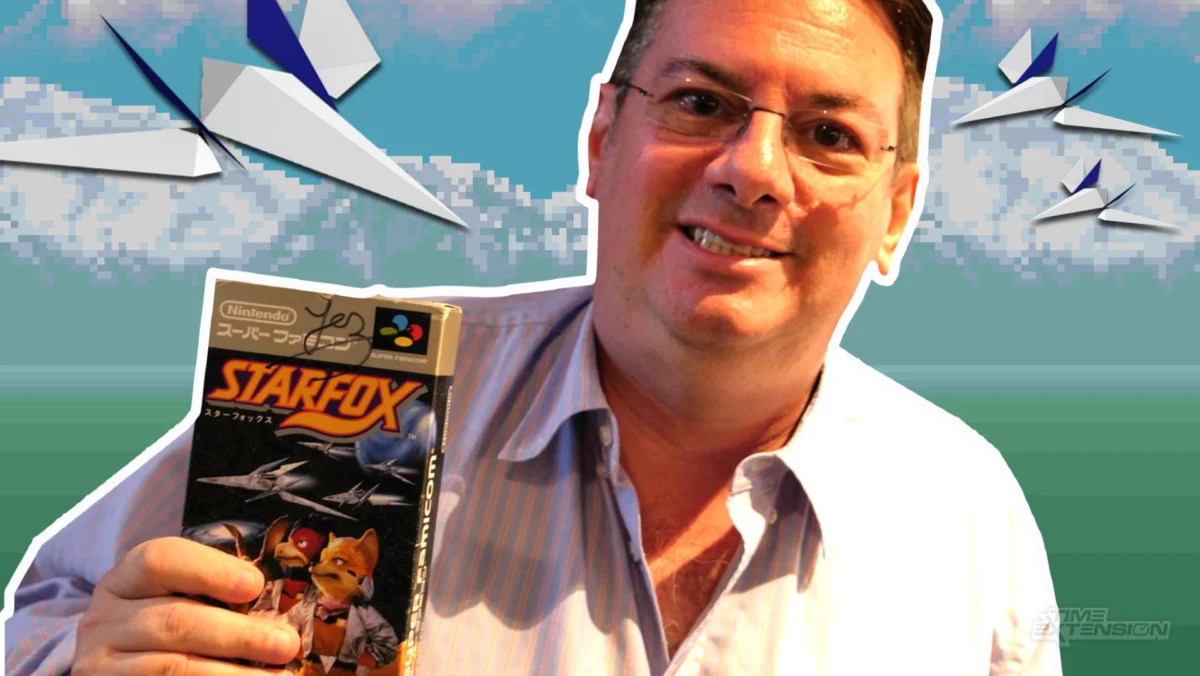
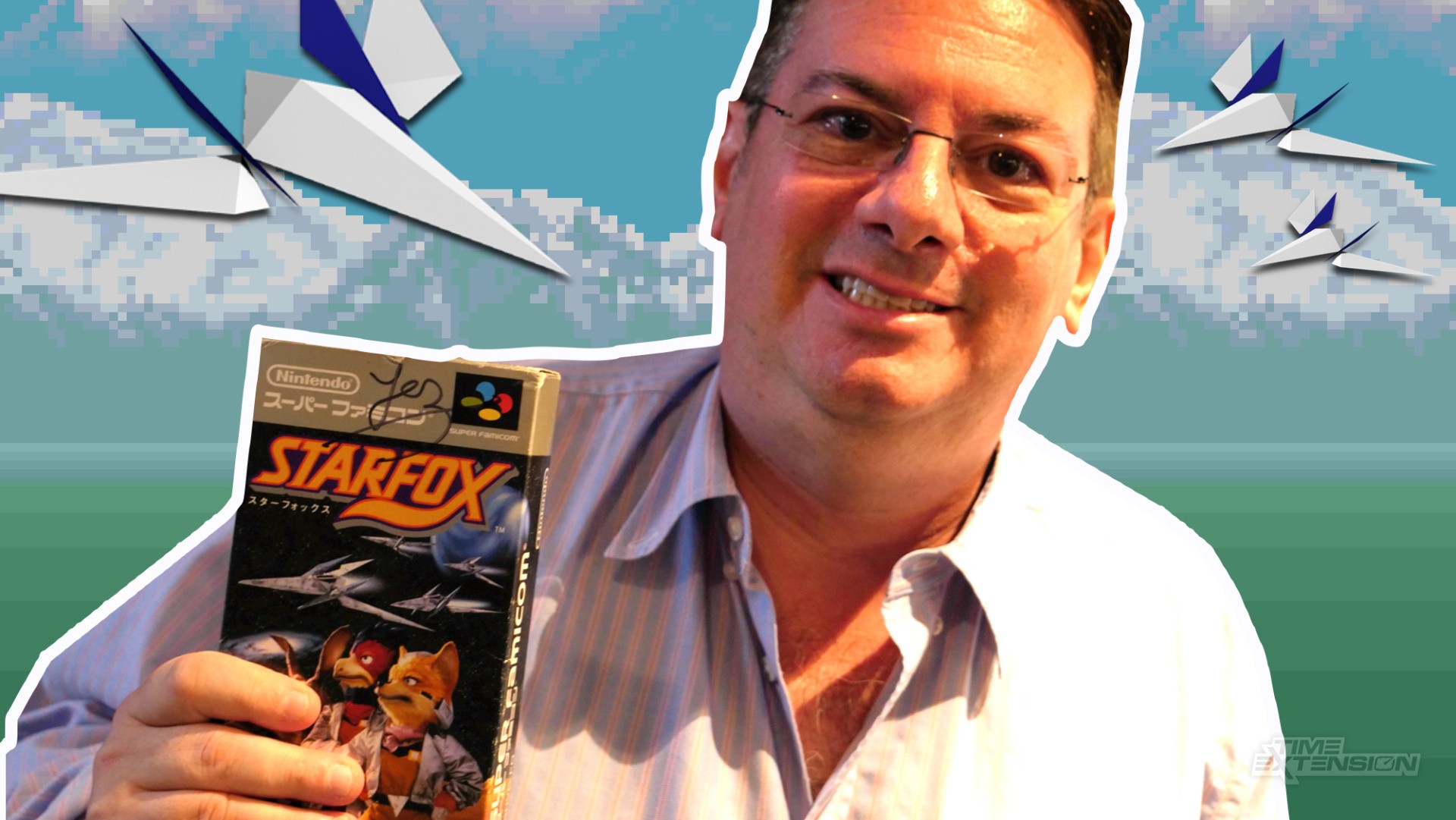
The recent, unexpected announcement of a new Star Fox title for the Nintendo Switch 2, slated for June 2026, has reignited interest in the venerable series and, by extension, the foundational work that brought it to life. At the heart of this legacy lies Jez San, a visionary figure whose early exploits in 3D graphics with his company, Argonaut Software, not only redefined what was possible on home computers but also paved the way for a transformative partnership with Nintendo, culminating in the creation of the Super FX chip and the original Star Fox. San’s journey from a prodigious teenage programmer to a key innovator in the global video game industry is a testament to technical ambition, strategic foresight, and a willingness to challenge established paradigms.
The Formative Years: A Young Programmer’s Ascendance
Jez San’s immersion in the burgeoning world of computing began remarkably early. At the tender age of twelve or thirteen in 1977, a period preceding the widespread adoption of iconic home computers like the ZX Spectrum and Commodore 64, San acquired a TRS-80 Level II. This rudimentary machine, boasting a mere 16 kilobytes of memory and a monochrome display, became his initial canvas. Eschewing the limitations of BASIC, which proved too slow for meaningful applications, San rapidly transitioned to Assembly language. This early proficiency in low-level programming was critical, allowing him to craft utilities like a dot-matrix printer driver that converted blocky text into a handwriting-like output – a subtle yet ingenious early innovation.
His passion for programming quickly evolved into game development. With the advent of more sophisticated systems like the BBC Micro and Commodore 64, San and his friends developed the "Programmers’ Development System" (PDS). This innovative tool enabled remote programming of the Commodore 64 from the BBC Micro, streamlining a complex development process at a time when dedicated integrated development environments were virtually nonexistent. This bespoke tool-chain not only showcased San’s technical prowess but also laid the groundwork for Argonaut Software, which he officially founded in September 1982. Even prior to its formal establishment, Argonaut Software was credited with Skyline Attack, an early testament to San’s entrepreneurial drive.
Beyond game creation, San delved into the pressing issue of software piracy. He designed a sophisticated disk copy protection system for AcornSoft, demonstrating an understanding of both hardware and software vulnerabilities. This system was notable for its "dual format" capability, allowing disks to function across both forty-track and eighty-track drives, a significant technical hurdle at the time.
From Copy Protection to "Starglider": A Break into 3D
San’s entry into the professional gaming sphere was facilitated by Jacqui Lyons, a renowned literary agent who recognized his precocious talent. Through Lyons, San met David Braben and Ian Bell, the creators of the seminal space trading game Elite. They sought Argonaut’s expertise and the PDS system to port Elite to the Commodore 64, a critical expansion for the game’s reach. This collaboration proved to be a pivotal moment, as part of the deal granted San the opportunity to develop his own game with Rainbird, a games studio under British Telecom.
San’s ambition was grand: a 3D shooting game inspired by his favorite arcade title, the 1983 Atari Star Wars wireframe coin-op. Initially, he pursued licensing rights for the Star Wars property, a complex endeavor for a then-unassuming teenager. When these efforts proved difficult, San pivoted, creating an original narrative highly influenced by the Star Wars universe. This project evolved into Starglider, a free-roaming 3D shooter that would become Argonaut’s first major commercial and critical success. Released with an accompanying novella penned by James Follett, Starglider showcased a symbiotic creative process where game ideas influenced story and vice versa, enriching the player’s experience beyond the graphical capabilities of the era. The game sold an impressive 300,000 copies, a substantial figure for the time, generating significant revenue for the young developer.
Crucially, San’s business acumen matched his technical skill. Unlike many independent developers of his era who might have invested personal earnings in lavish purchases, San chose to reinvest the profits from Starglider into Argonaut Software. This strategic decision enabled him to transition from a "one-man band" to building a dedicated team, a pioneering move among his peers. This team-centric approach facilitated the development of subsequent titles like Starglider 2, further solidifying Argonaut’s reputation as a leader in 3D graphics on home computers.
The Console Transition: A Bold Challenge to Nintendo
By the late 1980s, while Argonaut was at the forefront of 3D computing, the console market was experiencing an unparalleled boom. Millions of Nintendo Entertainment Systems (NES) and later, Game Boys, dominated global sales, dwarfing the PC market. However, these consoles were primarily designed for 2D, character-mapped displays, excelling at scrolling games and sprites but inherently ill-suited for the individual pixel rendering required by 3D graphics. This technical constraint, which many considered an insurmountable barrier, became Argonaut’s next challenge.
Driven by a desire to prove the impossible, Argonaut embarked on a audacious project: creating a 3D demo for the Game Boy. Their strategy was two-fold: demonstrate superior 3D rendering capabilities on restrictive hardware and, controversially, bypass Nintendo’s proprietary copy protection system. The demo, featuring the "Argonaut" logo scrolling down instead of Nintendo’s upon boot-up, was a provocative display of technical mastery.
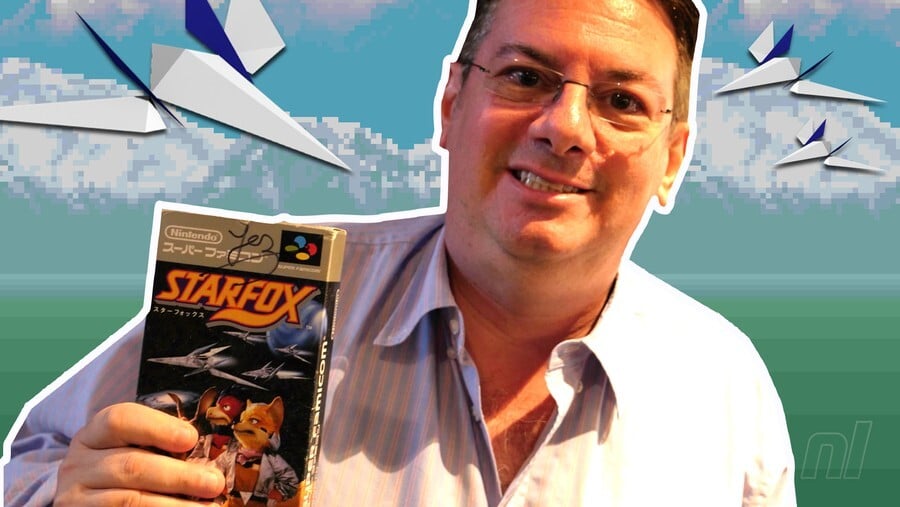
When Argonaut presented this demo to Nintendo, the reaction was one of stunned admiration. While Nintendo was notoriously protective of its intellectual property and hardware, the company’s forward-thinking executives, particularly Tony Harman, recognized the immense potential. Argonaut hadn’t just bypassed security; they had unlocked a new dimension of gaming possibilities for Nintendo’s platforms. This bold move transformed a potential confrontation into a groundbreaking partnership, marking the closest Nintendo had ever worked with a Western developer, surpassing even their existing collaborations with companies like Rare.
Forging a Partnership: The Super FX Revolution
The relationship deepened rapidly. Nintendo provided Argonaut with a prototype Super Famicom (SNES) and an early build of Super Mario World. Jez San recounts being among the first people globally to complete Super Mario World, collaborating with Tony Harman over daily phone calls to navigate the game without instructions or internet resources. This period fostered a strong bond and mutual respect.
The true zenith of their collaboration came with the development of the Super FX chip. During critical meetings with Nintendo’s leadership, including the legendary NCL president Hiroshi Yamauchi, San made a daring proposition. He confidently asserted Argonaut’s ability to create an expansion chip that could accelerate the SNES’s processing power by "ten times." This claim, made before fully consulting his technical team, was a testament to his innate belief in Argonaut’s capabilities. When he finally called Ben Cheese, Argonaut’s lead engineer, from the Nintendo boardroom, the subsequent technical marvel exceeded all expectations.
The Super FX chip, ultimately delivering a staggering "200 times faster" performance than the SNES’s native capabilities for specific operations, was a triumph of engineering. It was a custom RISC (Reduced Instruction Set Computer) microprocessor designed specifically for rendering polygons, scaling sprites, and executing complex calculations that the SNES’s main CPU could not handle efficiently. This significant leap in processing power was not only instrumental for Star Fox (known as Starwing in Europe), but also introduced capabilities Nintendo hadn’t initially anticipated. For instance, the chip’s ability to perform sprite rotational scaling became the foundational technology for Yoshi’s Island (Super Mario World 2: Yoshi’s Island), a game entirely built around this innovative visual effect.
The financial negotiations for the Super FX chip were equally legendary. Yamauchi, known for his stern demeanor but also his decisive leadership, famously asked San, "how much do you want?" San, envisioning the largest sum he could imagine, doubled it to two million dollars. Yamauchi agreed instantly, a moment San later reflected upon, wishing he had asked for ten million, as the project’s success was so monumental that the two million dollars was earned back "on the first day" through royalties.
Inside Nintendo: Collaboration and Cultural Exchange
The partnership extended beyond mere technological exchange; it fostered deep cultural and creative collaboration. Argonaut’s team worked directly within Nintendo’s offices, with Jez San having frequent interactions with industry giants like Shigeru Miyamoto and Takehiro Izushi. Miyamoto, renowned for his creative genius and relaxed approach (often playing guitar during meetings), recognized the immense potential of Argonaut’s 3D technology. This merging of Argonaut’s technology-driven approach with Nintendo’s creative-led philosophy proved mutually beneficial, pushing both companies into new frontiers of game design.
Takehiro Izushi, the designer of the Game Boy, took San under his wing, helping him navigate the cultural nuances of Japan. Izushi’s mentorship, which included visits to gadget shops and Kyoto’s myriad temples, highlighted the personal connections forged during this intense period of development. This cultural exchange was vital in building trust and understanding between the Western and Japanese teams, a rarity in the industry at the time. Argonaut literally held "classrooms" within Nintendo, teaching their engineers the intricacies of 3D game development, while Nintendo, in turn, imparted their expertise in character development and narrative integration, refining Argonaut’s game design sensibilities.
The Legacy of Argonaut and Jez San’s Enduring Impact
The Super FX chip and Star Fox cemented Argonaut’s place in gaming history. Star Fox, released in 1993, was a groundbreaking title that demonstrated the viability of real-time 3D graphics on a 16-bit console, setting a new benchmark for visual fidelity and gameplay innovation. It proved that immersive 3D experiences were not exclusive to arcades or high-end PCs. The chip’s influence extended to other titles like Stunt Race FX, Doom (SNES version), and Dirt Racer, showcasing its versatility.
While Argonaut Software ultimately succumbed to market changes in 2004, Jez San’s career continued its innovative trajectory. He founded PKR in 2005, one of the UK’s pioneering online casinos, demonstrating his adaptability and entrepreneurial spirit in a new digital frontier. Following a period as an angel investor, San ventured into the realm of gaming cryptocurrency with FunFair, continuing his engagement with cutting-edge technology and digital economies.
Jez San’s journey from a self-taught teenage programmer to a pivotal figure in the 3D gaming revolution underscores his unique place in video game history. His willingness to challenge technical limitations, his strategic business decisions, and his ability to forge unprecedented international partnerships not only led to the creation of iconic titles like Star Fox but also fundamentally reshaped the trajectory of console gaming. The Super FX chip, a direct result of Argonaut’s ingenuity and Nintendo’s foresight, remains a landmark in hardware acceleration, a testament to the power of collaboration in pushing the boundaries of interactive entertainment. As the Star Fox series prepares for its next iteration, the foundational legacy laid by Jez San and Argonaut Software continues to resonate, reminding us of the audacious spirit that first brought polygonal worlds to life on our screens.