Johny Imanuel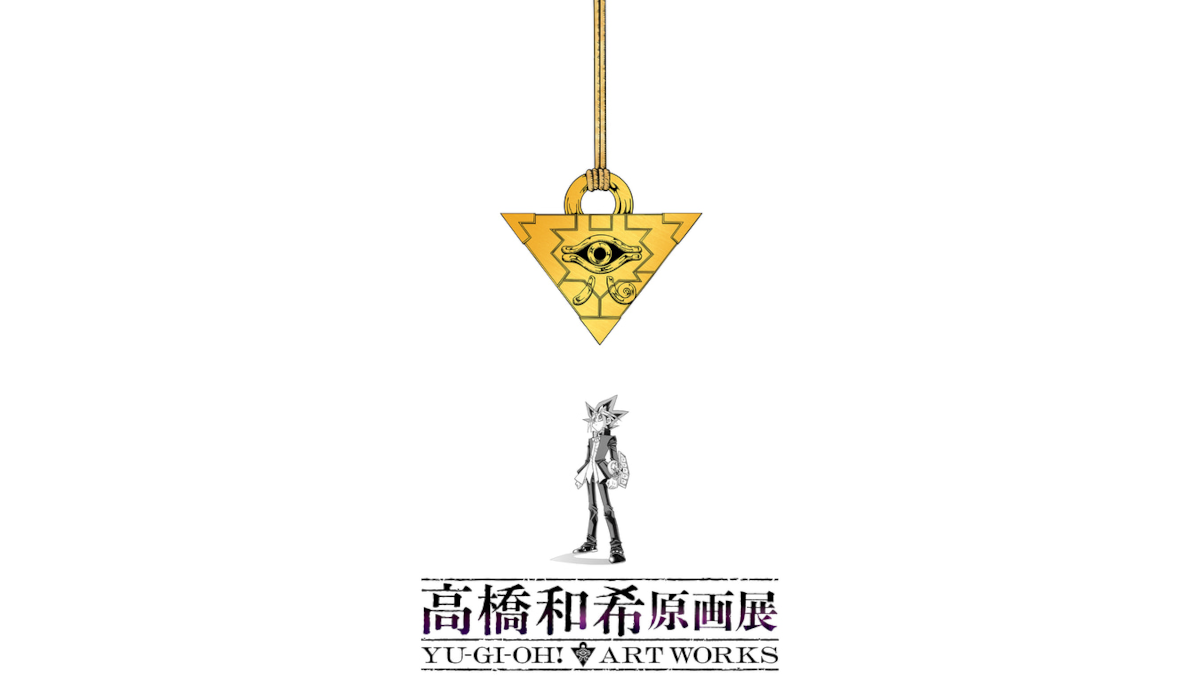
The announcement was accompanied by the launch of an official website and a dedicated social media presence, which will serve as the primary conduits for information regarding ticket sales, specific venue locations, and the breadth of the gallery’s contents. While fans of the global phenomenon had hoped for a traveling showcase, the organizing committee has clarified that there are currently no plans for a national or international tour, positioning the Tokyo event as a singular, exclusive destination for enthusiasts and art historians alike.
The Artistic Legacy of Kazuki Takahashi
To understand the significance of the Yu-Gi-Oh Art Works exhibit, one must examine the profound impact Kazuki Takahashi had on the global entertainment landscape. Born in 1960, Takahashi’s career reached its zenith with the serialization of Yu-Gi-Oh! in Weekly Shonen Jump starting in 1996. What began as a manga about various games evolved into a narrative centered on the "Duel Monsters" card game, which eventually transcended the pages of the magazine to become a multi-billion dollar media franchise.
Takahashi’s art style was characterized by its intricate linework, heavy use of contrast, and a unique fusion of ancient Egyptian aesthetics with futuristic, cyberpunk elements. His ability to design hundreds of distinct creatures—ranging from the iconic Blue-Eyes White Dragon to the complex mechanical designs of the "Machine" type monsters—set a new standard for creature design in the manga industry. The upcoming exhibit aims to highlight these creative processes, offering a rare look at the preliminary sketches and conceptual drafts that defined the visual identity of the King of Games.
The timing of the exhibit in Winter 2026 is also significant. It falls approximately four years after Takahashi’s death, providing a respectful interval for the community to transition from mourning to a celebration of his life’s work. Takahashi died a hero’s death in July 2022, after attempting to rescue three people from a riptide at a diving spot in Okinawa. His bravery earned him posthumous accolades from both the civilian community and the U.S. military, adding a layer of profound respect to any event honoring his name.
Collaboration and Production Partners
The scale of the Yu-Gi-Oh Art Works exhibit is supported by a coalition of major Japanese corporate and editorial entities. Leading the organizational efforts is the editorial team of V Jump, the Shueisha-owned magazine that has served as the long-term home for Yu-Gi-Oh! manga spin-offs and card game news for decades. Their involvement ensures that the exhibit remains deeply rooted in the franchise’s official canon and editorial history.
In addition to Shueisha, the committee has secured partnerships with e-plus, a major Japanese ticketing and event promotion company, and Toppan, a global leader in printing and communication technology. Toppan’s involvement suggests that the exhibition may utilize high-fidelity printing techniques to reproduce Takahashi’s work with extreme precision, or perhaps incorporate digital archival technology to preserve the delicate original manuscripts.
Furthermore, the Kaiba Corporation Store—the official merchandising arm of the franchise named after the fictional antagonist-turned-antihero Seto Kaiba—will be heavily involved. The store is expected to produce and sell exclusive merchandise that will only be available to attendees of the Tokyo exhibit. Given the high demand for Yu-Gi-Oh! collectibles, this exclusivity is expected to drive significant domestic and international travel to the Japanese capital during the Winter 2026 season.
Voices from the Franchise: Kazama and Tsuda
The announcement has resonated deeply within the Japanese voice acting community, particularly with the two individuals most closely associated with Takahashi’s work: Shunsuke Kazama and Kenjiro Tsuda. Kazama, who voiced the dual roles of Yugi Muto and Yami Yugi, and Tsuda, the voice of Seto Kaiba, have both issued formal statements expressing their anticipation for the event.
Kazama’s portrayal of Yugi helped define the character for an entire generation of fans, and his involvement in the announcement underscores the emotional weight of the exhibit. Similarly, Kenjiro Tsuda, whose career was launched into the stratosphere by his performance as Kaiba, has remained a steadfast ambassador for the series. Their public support not only boosts the event’s profile but also signals to the fanbase that the exhibit is being handled with the care and reverence that Takahashi’s legacy demands.
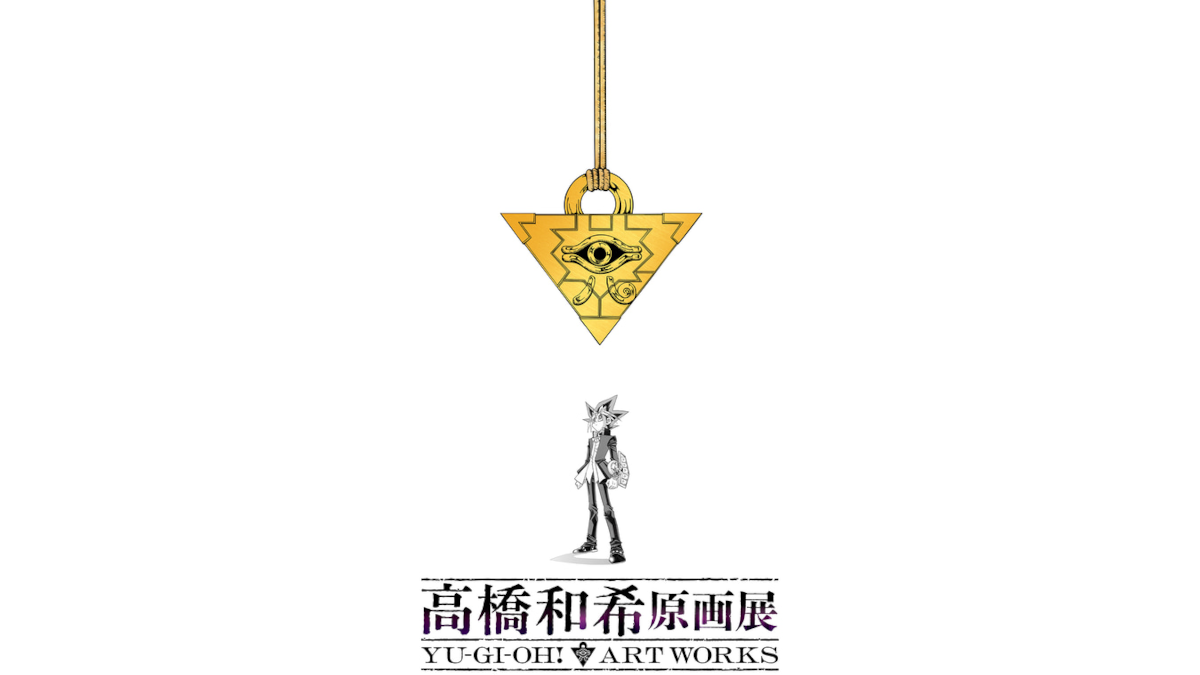
While the specific contents of their messages have been described as celebratory and reflective, their participation hints at the possibility of audio guides or special recorded segments featuring the actors, which would provide an immersive experience for visitors walking through the gallery.
Historical Timeline and Franchise Milestones
The Winter 2026 exhibit arrives as the Yu-Gi-Oh! franchise continues to navigate its third decade of dominance in the Trading Card Game (TCG) market. To appreciate the context of this event, a look at the franchise’s timeline is essential:
- 1996: Yu-Gi-Oh! manga debuts in Weekly Shonen Jump.
- 1998: The first televised anime adaptation (often referred to as "Series 1") airs in Japan.
- 1999: Konami launches the Official Card Game (OCG) in Japan.
- 2000: The Yu-Gi-Oh! Duel Monsters anime begins, eventually leading to global syndication.
- 2002: The TCG launches in North America and Europe, sparking a worldwide phenomenon.
- 2011: Yu-Gi-Oh! is recognized by Guinness World Records as the best-selling trading card game in history, with over 25 billion cards sold.
- 2022: The passing of Kazuki Takahashi.
- 2024-2025: Ongoing celebrations for the 25th anniversary of the card game.
- 2026: The scheduled opening of the Yu-Gi-Oh Art Works exhibit.
By 2026, the franchise will be entering a new era where it must rely on its foundational art and lore to maintain its momentum. The exhibit serves as a bridge between the creator’s original vision and the future of the brand.
Economic and Cultural Implications
The decision to host the exhibit exclusively in Tokyo carries significant economic implications. Japan has seen a massive surge in "otaku tourism" or "content tourism," where international visitors travel specifically to engage with sites and events related to their favorite anime and manga. By making this a one-time, single-location event, the organizers are creating a "pilgrimage" effect.
From a market perspective, the Yu-Gi-Oh! TCG remains a cornerstone of Konami’s digital and physical entertainment earnings. Art exhibits of this nature often serve to bolster the secondary market value of cards featuring the exhibited art. Collectors and investors closely monitor such events, as the reveal of original concept art can renew interest in specific card sets or characters.
Culturally, the exhibit represents the ongoing effort in Japan to elevate manga and anime art to the status of "fine art." By partnering with technology firms like Toppan and holding a large-scale retrospective, the production committee is asserting that Takahashi’s work belongs in the same conversation as traditional Japanese art forms. His influence on character design, specifically the use of sharp silhouettes and "cool" aesthetic sensibilities, can be seen in countless modern series, making this exhibit a study in the evolution of 21st-century visual media.
Future Updates and Expectations
As of the initial announcement, many details remain under wraps. The production committee has indicated that a substantial update is scheduled for late August 2026. This update is expected to include the specific dates of the exhibition, the venue location (likely one of Tokyo’s major gallery spaces such as those in Roppongi or Ueno), and information regarding the "Kaiba Corporation Store" exclusive items.
Observers expect the exhibit to be divided into several thematic zones. These may include a "Manga Origins" section featuring original black-and-white manuscripts, a "Monster Gallery" focusing on the evolution of creature designs, and a "Legacy" section dedicated to Takahashi’s work on later iterations of the franchise, including his character designs for Yu-Gi-Oh! GX, 5D’s, and the feature film The Dark Side of Dimensions.
For the millions of fans who grew up shouting "It’s time to duel," the Winter 2026 exhibit is more than just a gallery show; it is a final, formal thank you to the man who created a world of monsters, magic, and friendship. While the creator is gone, the Yu-Gi-Oh Art Works exhibit ensures that his hand-drawn monsters will continue to roam the halls of imagination for years to come. The late August 2026 update will be the next crucial step for fans planning their journey to Tokyo to witness the definitive collection of Kazuki Takahashi’s genius.