Johny Imanuel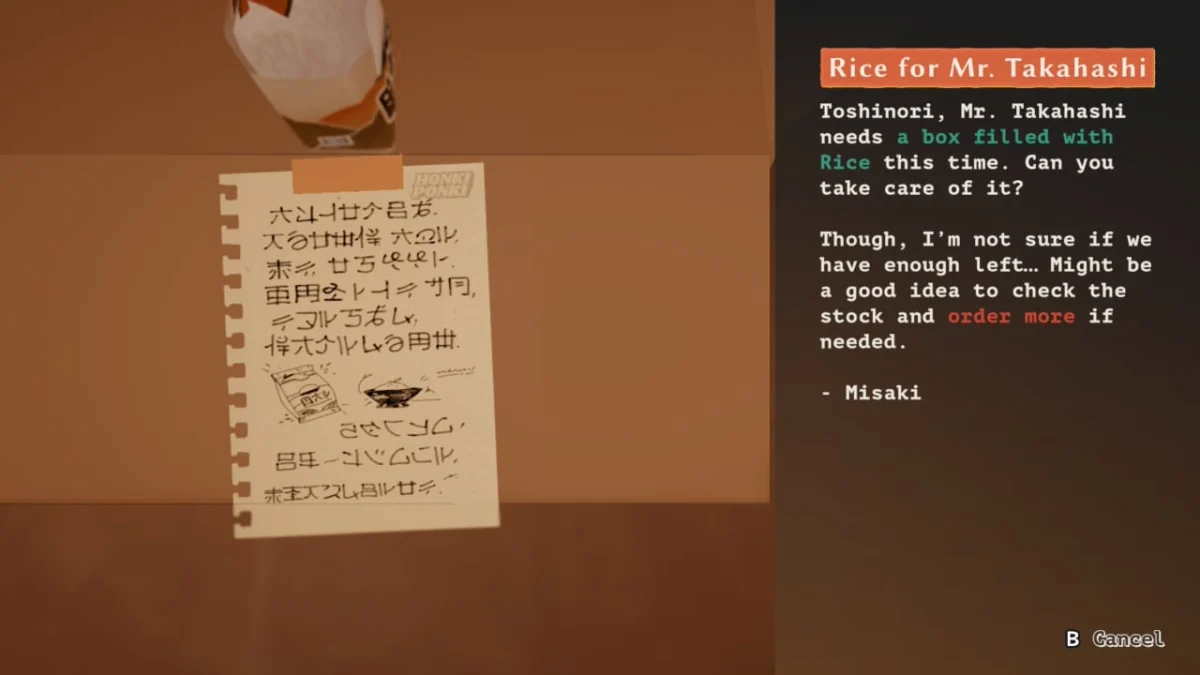
Narrative Foundation and Setting
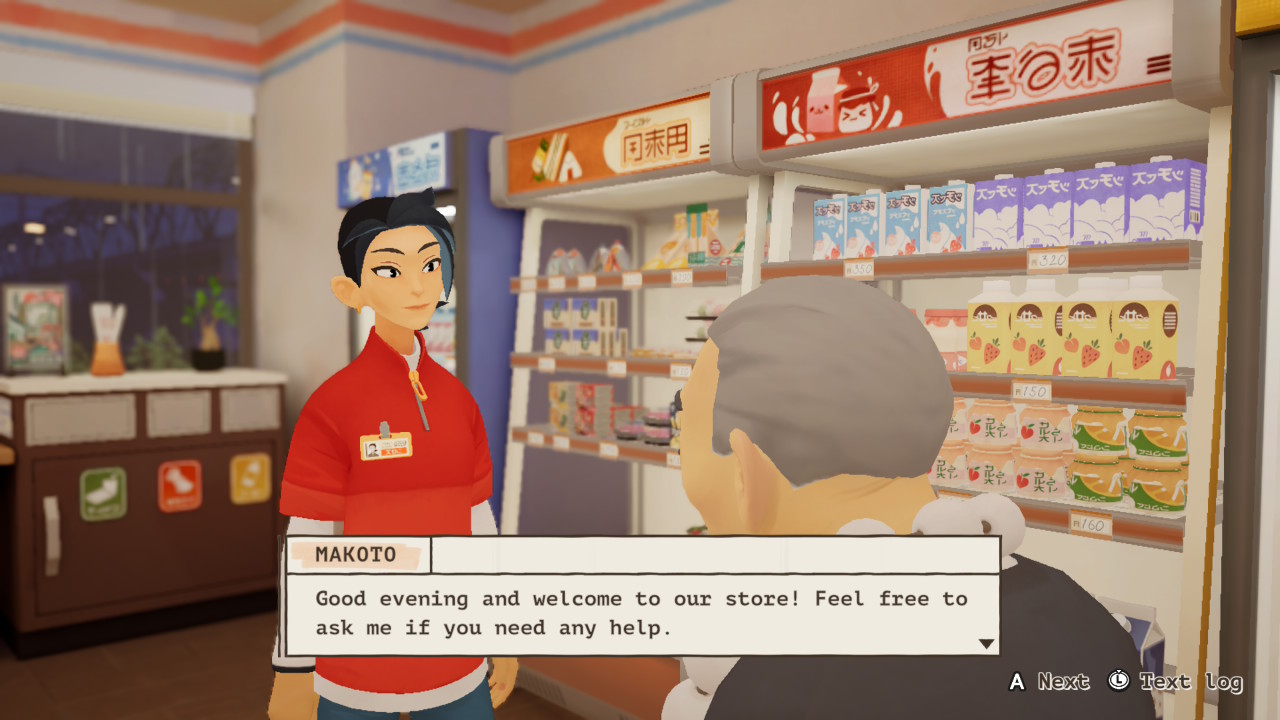
The core narrative of InKonbini: One Store Many Stories follows Makoto as she arrives in a quiet Japanese town to assist her Aunt Hina. Aunt Hina, the proprietor of the Honki Ponki convenience store, requires a temporary replacement, providing Makoto with a unique vantage point into the daily lives of the local residents. The game is structured around a one-week timeline, during which the protagonist must navigate the responsibilities of the shop while uncovering the underlying reasons why this specific location holds such significance for her aunt and the surrounding community.
The setting of Honki Ponki serves as more than a backdrop; it is a cultural hub. In Japanese society, the konbini is often viewed as a "third place"—a social environment separate from the two usual social environments of home and the workplace. By centering the gameplay on the graveyard shift, the developers emphasize the solitude and intimacy of late-night retail, drawing parallels to popular "iyashikei" (healing) anime and manga.
Gameplay Mechanics and Shift Structure
The gameplay loop of InKonbini: One Store Many Stories is divided into distinct phases that blend life simulation with visual novel elements. Each shift begins with a period of reflection where Makoto contemplates the weather, the passage of time, or her own personal growth. This introspective opening sets the tone for the logistical tasks that follow.
Pre-Shift Preparation
Before the store officially opens to the public, players are tasked with administrative and maintenance duties. This phase includes:
- Reviewing Staff Notes: Checking instructions and observations left by day-shift employees to understand store priorities.
- Inventory Management: Restocking shelves with a variety of products, ranging from bento boxes to household essentials.
- Order Fulfillment: Adding items to existing delivery orders to ensure the store remains stocked for the following day.
- Organization: Rearranging items that may have been misplaced by customers during the day, a task designed to provide a sense of order and satisfaction.
Customer Interaction and Point of Sale
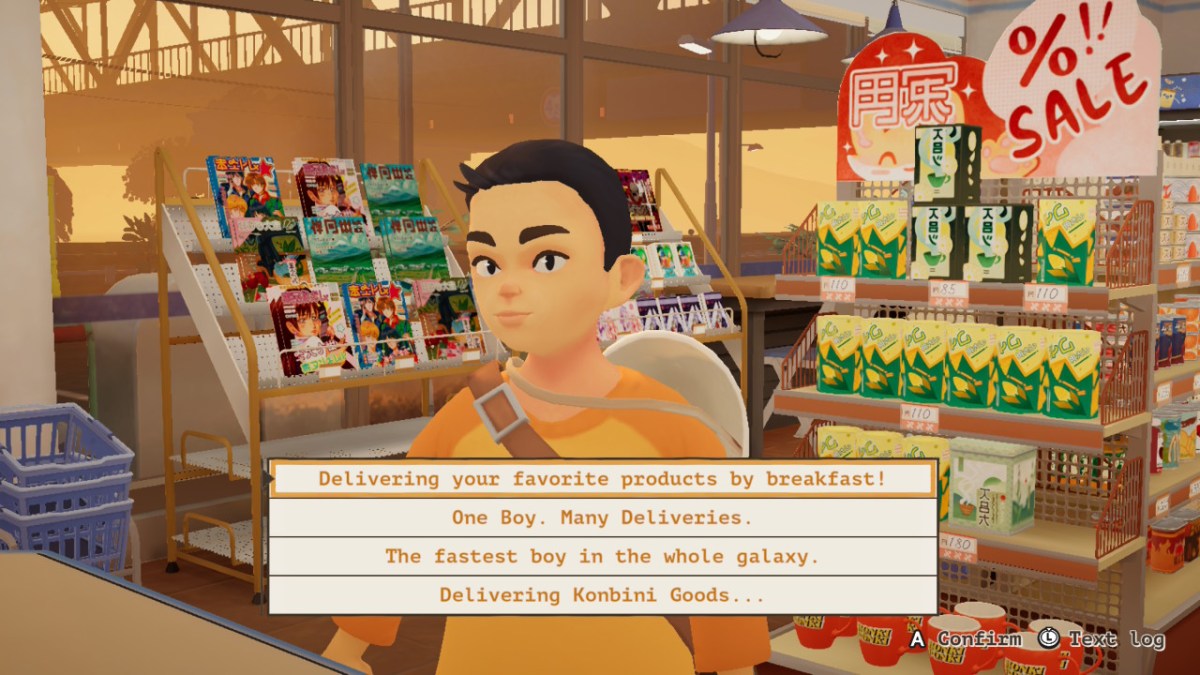
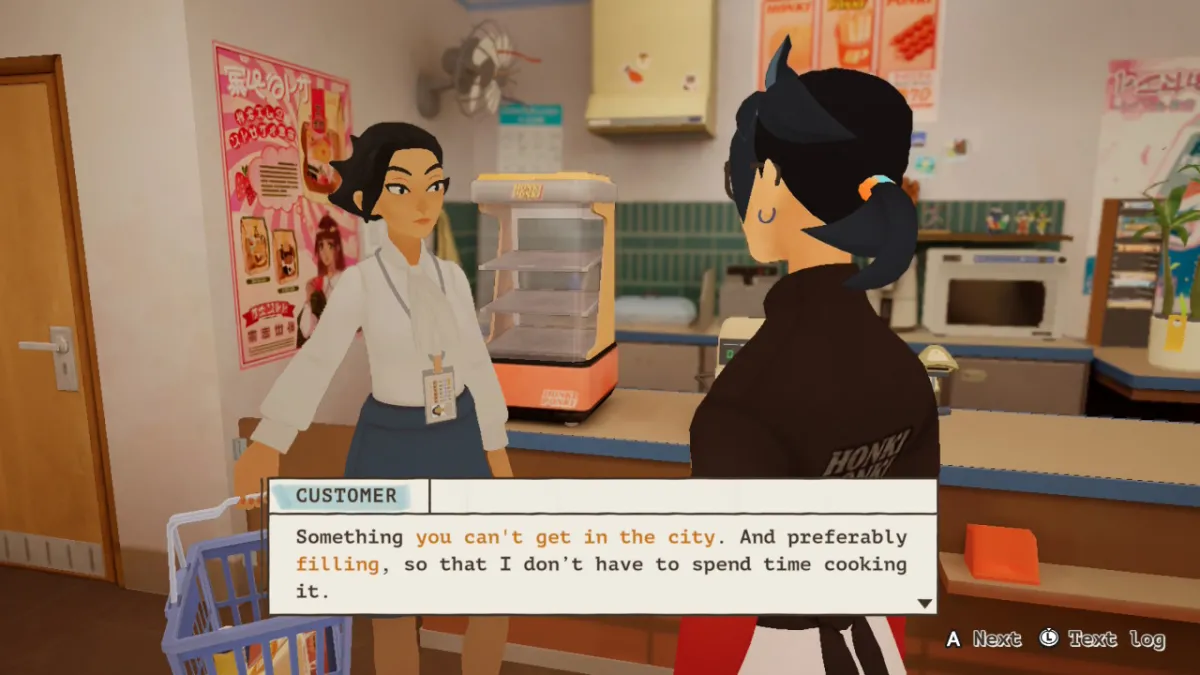
Once the shift begins, the pace slows significantly. The game does not utilize a high-volume customer flow; instead, it focuses on individual interactions. When a customer enters, the game transitions into a visual novel format. Players engage in dialogue, offer product recommendations based on customer preferences, and occasionally provide personal insights that may influence a character’s future decisions.
The transaction process is rendered with high detail. Players must manually scan each item and provide the correct change. A notable detail within the game involves a recurring customer named Satoshi, who specifically requests his change in 25-yen coins for use in local capsule machines, highlighting the game’s commitment to character-driven minutiae.
Analysis of Consequence and Agency
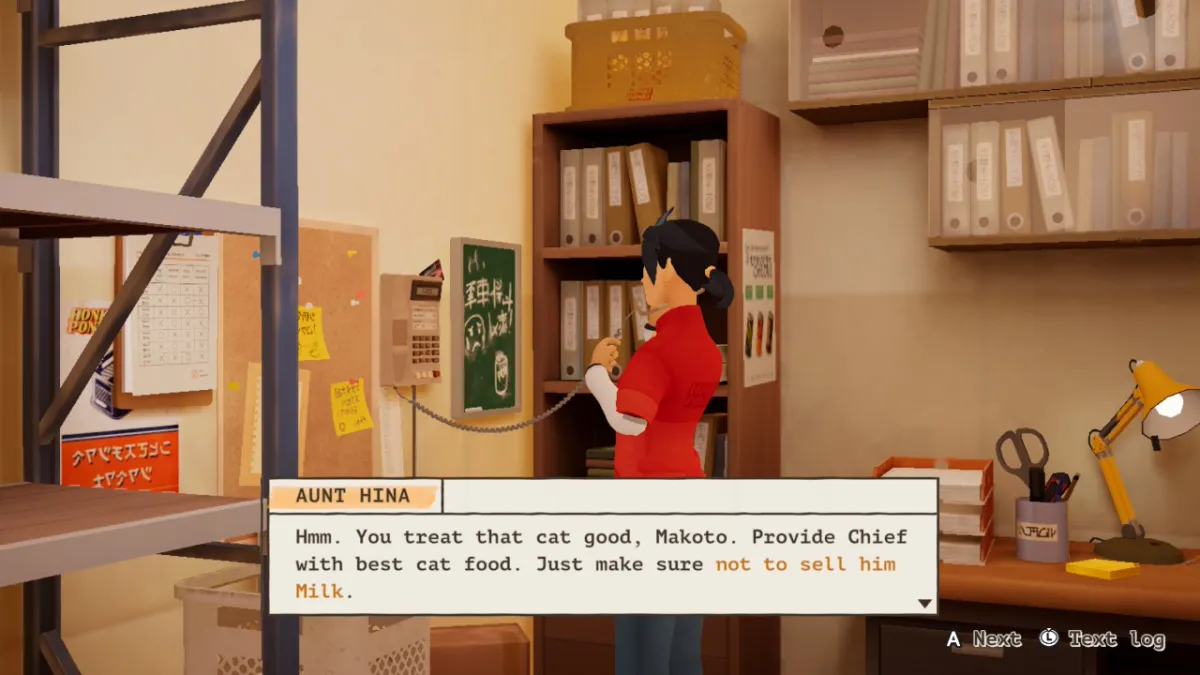
A critical point of discussion among early reviewers and players involves the game’s approach to player agency and consequences. InKonbini: One Store Many Stories intentionally de-emphasizes the stakes of retail management. While the game introduces systems such as an employee handbook and specific warnings regarding customer behavior—such as a note advising against selling milk to a customer who intends to give it to a cat—the narrative often proceeds regardless of the player’s adherence to these rules.
For instance, failing to provide the exact item requested by a customer or neglecting to move sale items to the designated promotional shelf does not result in a "game over" state or significant narrative deviation. In many cases, the story advances with positive reinforcement from NPCs despite player errors. This design choice reinforces the game’s identity as an "experience" rather than a rigorous simulation, though it has led to critiques regarding the perceived lack of impact of player choices.
Technical Performance and Platform-Specific Issues
InKonbini: One Store Many Stories has been released across multiple platforms, including the Nintendo Switch, PlayStation 5, Xbox Series X, and PC. However, technical reports indicate that the Switch version currently suffers from specific UI bugs. Users have noted inconsistencies in dialogue boxes, where text responses appear in colors—such as dark orange or black—that incorrectly suggest they have already been selected or are currently unavailable.
Despite these technical hurdles, the visual presentation remains a highlight. The product packaging within the store features intricate designs that reference real-world Japanese brands, contributing to the authenticity of the environment. The "meditative" quality of the game is supported by its sound design and the ability for players to take as much time as necessary to organize shelves without being penalized by an aggressive in-game timer.
Chronology of Development and Release
The journey of InKonbini: One Store Many Stories from concept to launch reflects the growing industry trend toward "cozy gaming."
- Initial Announcement: The game was first revealed as a project aimed at capturing the specific "vibe" of Japanese convenience stores, a niche previously explored in titles like Convenience Store Fasts but with a heavier focus on narrative.
- Beta Phase: Early playtests highlighted the strength of the character writing but also surfaced concerns regarding the short duration of the campaign.
- Launch: The title officially debuted in mid-2026, positioning itself as a short-form narrative experience.
- Post-Launch Reception: While praised for its atmosphere, the community has expressed a desire for an "endless mode" or expanded management features to increase replayability beyond the initial six-to-seven-hour story.
Supporting Data and Market Context
The "cozy game" market has seen a 20% year-over-year increase in titles focusing on low-stress environments. InKonbini: One Store Many Stories fits into a sub-genre that includes successful titles such as Coffee Talk and VA-11 Hall-A: Cyberpunk Bartender Action. Market data suggests that players in this demographic value:
- Atmospheric Consistency: 85% of surveyed players prioritize "vibes" and music over complex mechanics.
- Short-Form Content: There is a rising demand for games that can be completed in under 10 hours, catering to an older audience with limited gaming time.
- Cultural Authenticity: Titles that offer a "virtual tourism" experience, particularly regarding Japanese culture, show higher engagement rates in Western markets.
Official Responses and Developer Intent
While the developers have not yet released a formal patch for the Switch UI issues, community managers have indicated that they are monitoring feedback regarding the game’s difficulty and lack of consequences. In a preliminary statement, representatives suggested that the lack of negative feedback in-game was a conscious choice to ensure a "stress-free" environment.
"Our goal was to create a space where the player feels like a part of the neighborhood, not a corporate cog," the development team noted in a recent devblog. "We wanted to explore the idea that even if you make a mistake, the world doesn’t end. People are generally kind, and the store continues to be a beacon for the community."
Broader Impact and Implications for the Genre
InKonbini: One Store Many Stories serves as a case study for the evolution of the simulation genre. By stripping away the threat of failure, it challenges the traditional definition of a "game" and leans closer to interactive digital art. This shift has broader implications for how developers approach UI and player motivation. If a game removes the "stick" (punishment) and only provides the "carrot" (positive vibes), it must rely entirely on the strength of its writing and world-building to maintain player interest.
The title’s brevity—clocking in at approximately seven hours—suggests a pivot toward "boutique" gaming experiences. As the industry moves forward, InKonbini may inspire future titles to bridge the gap between its currently "consequence-free" model and a more reactive narrative system that acknowledges player choices without inducing the stress of traditional management sims.
For now, InKonbini: One Store Many Stories remains a definitive example of atmospheric storytelling. It successfully captures a very specific time and place, offering a digital sanctuary for those looking to escape into the quiet, neon-lit aisles of a rural Japanese convenience store. Whether the lack of mechanical depth hinders its long-term legacy remains to be seen, but its contribution to the "iyashikei" gaming movement is undeniable.