Johny Imanuel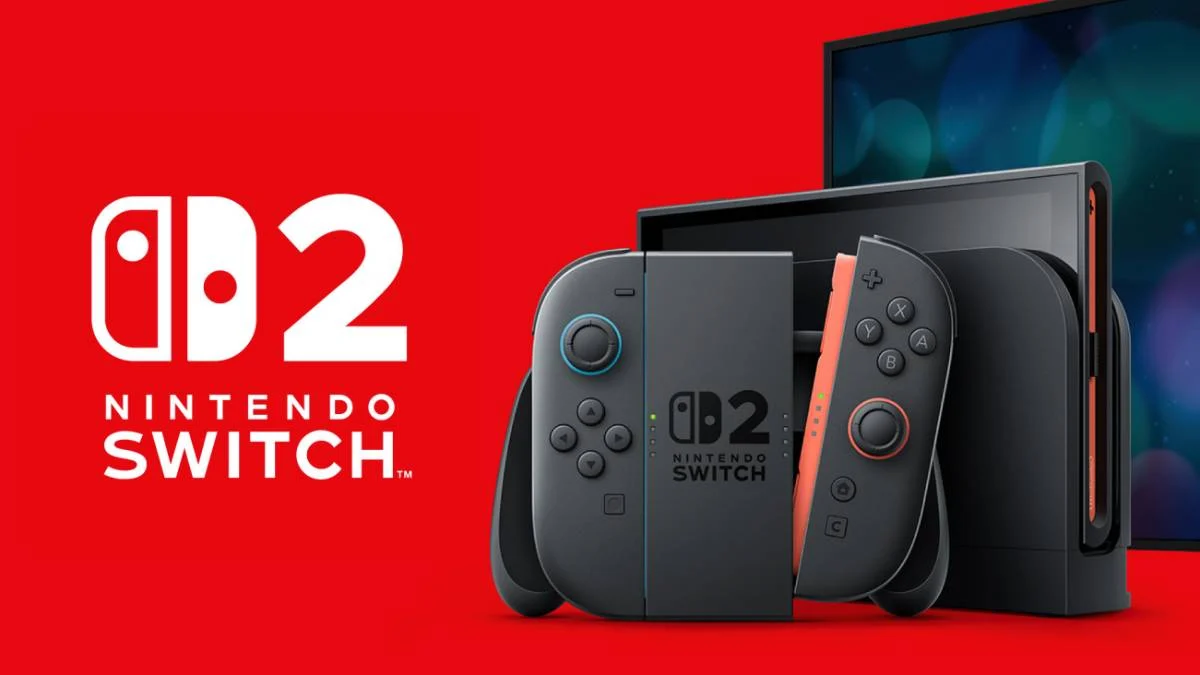
The price increases are scheduled to take effect in phases. In Japan, the cost of hardware and traditional card products will rise on May 25, 2026, followed by a revision of Nintendo Switch Online subscription fees on July 1, 2026. For consumers in the United States and Canada, the hardware price hikes are slated for September 1, 2026. European markets will see a simultaneous adjustment in line with the North American window. While retailers such as Amazon and Best Buy currently maintain existing MSRPs, the company has advised that these figures will be updated as the implementation dates approach.
Regional Breakdown of Hardware Price Adjustments
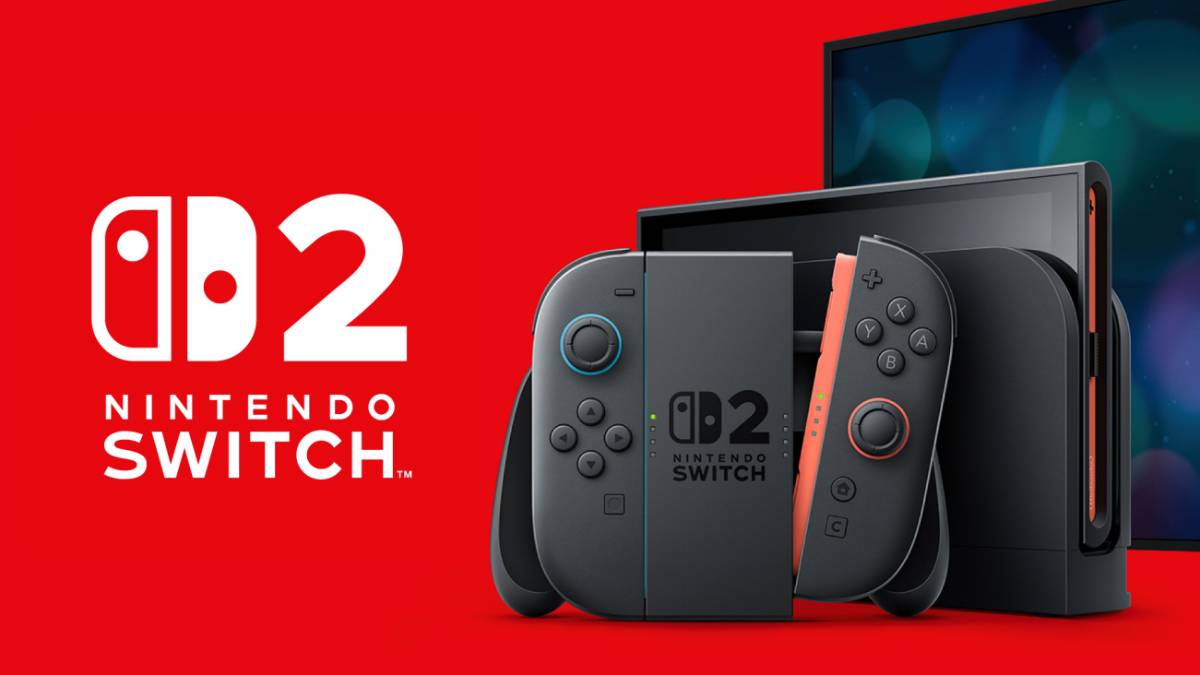
The scale of the price increase varies by region, reflecting the specific currency fluctuations and logistics costs associated with each market. In the United States and Canada, Nintendo has confirmed a flat increase of approximately $50 (USD/CAD) for both the original Nintendo Switch family of systems and the successor, the Nintendo Switch 2. This adjustment brings the estimated MSRP of a standard console closer to the $350–$450 range, depending on the specific model and SKU.
In the European Union and the United Kingdom, the price hike is slightly more modest in numerical terms but equally impactful, with a planned increase of €30 across the board. This change aims to offset the rising costs of distribution within the Eurozone. Japan, however, faces the most significant adjustment in terms of local currency. The cost of each console system is expected to rise by approximately ¥10,000. For a market that has traditionally enjoyed lower price points for Nintendo hardware compared to the West, this represents a substantial shift in the domestic accessibility of the platform.
The Triple Threat: AI, Tariffs, and Geopolitical Conflict
Nintendo’s official communication to shareholders and the public highlighted "market conditions" as the primary driver for these changes, but a deeper analysis of the current industrial landscape reveals a complex "triple threat" of economic factors.
First and foremost is the global shortage of RAM and semiconductor components. The explosive growth of the Artificial Intelligence (AI) sector has led to an unprecedented demand for High Bandwidth Memory (HBM) and DDR5 RAM. Tech giants and data center operators are currently outbidding consumer electronics manufacturers for limited production capacity. As silicon foundries pivot to serve the high-margin AI industry, legacy and consumer-grade memory chips have seen a sharp increase in cost, directly impacting the bill of materials (BOM) for the Switch and the more resource-intensive Switch 2.
Secondly, the reintroduction of global trade tariffs by the United States administration under President Donald Trump has introduced new overheads for hardware manufacturing. With a significant portion of Nintendo’s assembly and component sourcing still tied to East Asian corridors, the implementation of universal baseline tariffs has forced the company to reconsider its pricing to maintain its narrow profit margins on hardware.
Finally, logistical challenges have reached a boiling point due to the escalating US-Iran conflict. Tensions in the Middle East have disrupted key shipping lanes, particularly through the Suez Canal and the Red Sea. Shipping companies have been forced to reroute vessels around the Cape of Good Hope, significantly increasing fuel consumption, insurance premiums, and overall transit time. These logistical surcharges are now being passed down to the consumer as Nintendo attempts to stabilize its global distribution network.
Impact on Digital Services and Subscription Tiers
While hardware remains the focal point of the announcement, Nintendo’s digital ecosystem is not immune to the price revisions. Currently, the Nintendo Switch Online (NSO) price increases have only been confirmed for the Japanese market, though analysts suggest this may serve as a pilot for future Western adjustments.
Beginning July 1, 2026, the cost of a 12-month individual standard membership in Japan will rise from ¥2,400 to ¥3,000. The family plan, which allows up to eight accounts to share a subscription, will see a more significant jump from ¥4,500 to ¥5,800. For those subscribed to the NSO + Expansion Pack tier—which includes access to Nintendo 64, SEGA Genesis, and Game Boy Advance titles—the new annual rates will be ¥5,900 for individuals and ¥9,900 for families.
These digital price hikes are often viewed as a way for platform holders to increase "Average Revenue Per User" (ARPU) to compensate for the slowing growth of hardware sales as a console reaches the end of its traditional lifecycle.
Returning to Roots: The Rising Cost of Tabletop Gaming
In a move that highlights the breadth of the current inflationary environment, Nintendo is also raising prices on its oldest product lines: playing cards and Hanafuda cards. Founded in 1889 as a manufacturer of handmade "flower cards," Nintendo has maintained its card-making division for over a century as a tribute to its heritage.
The company cited "increased material prices" as the reason for the hike, specifically referring to the rising costs of high-quality paper, specialized coatings, and the inks required for their iconic designs. Affected products in Japan include:
- Nintendo Standard Playing Cards
- Character-themed playing cards (Kirby, The Legend of Zelda, Splatoon, and Super Mario)
- Daitoryo Hanafuda and Kabufuda cards
- Mario-themed Hanafuda sets
- Marufuku Tengu and Miyako no Hana traditional sets
While revised MSRPs for these items have not yet been finalized, the changes are set to take effect on May 25, 2026. This marks a rare moment in the company’s modern history where its analog and digital divisions are simultaneously forced to adjust pricing due to external economic pressures.
Industry Context: A Growing Trend Among Platform Holders
Nintendo is not alone in its decision to raise prices. The gaming industry at large is grappling with the end of the "low-interest-rate era" and the rising costs of high-end manufacturing. Sony Interactive Entertainment recently enacted similar measures, increasing the price of the PlayStation 5 console and the PlayStation Portal remote play device in various regions. Sony’s move was also attributed to "challenging external economic conditions," including global inflation and adverse currency trends.
Microsoft’s Xbox division has also made incremental adjustments to Game Pass subscription tiers and hardware prices in select international markets over the last 24 months. Nintendo’s decision to include the "Switch 2" in this price hike is particularly noteworthy, as it suggests the company is setting a higher baseline for the next generation of gaming to avoid the need for mid-generation corrections.
Chronology of the 2026 Price Implementation
To assist consumers and retailers in preparing for the transition, the following timeline outlines the key dates for the scheduled increases:
- May 25, 2026: Hardware price increases go into effect in Japan. Prices for Hanafuda, Kabufuda, and traditional playing cards are revised domestically.
- July 1, 2026: Nintendo Switch Online (NSO) subscription rates increase for the Japanese market across all tiers (Standard and Expansion Pack).
- September 1, 2026: Hardware price increases for the Nintendo Switch and Nintendo Switch 2 go into effect in the United States, Canada, and Europe.
Analysis of Broader Implications
The decision to raise prices on the Nintendo Switch—a console that will be nearly a decade old by late 2026—is a bold move that speaks to the hardware’s enduring popularity and the company’s confidence in its brand equity. Typically, consoles see price cuts as they age to clear inventory and entice late adopters. However, the current economic climate has upended traditional retail logic.
For the Nintendo Switch 2, the price hike before or shortly after its launch window could present a challenge for consumer adoption. At a $50 premium over initial projections, the system will face stiffer competition from mid-range gaming PCs and discounted current-gen consoles from Sony and Microsoft. Nevertheless, Nintendo’s unique library of first-party intellectual properties, such as Mario, Zelda, and Pokémon, often provides a "moat" that protects the company from direct price sensitivity.
Investors have largely reacted positively to the news, viewing the price adjustments as a necessary step to protect Nintendo’s historically healthy margins. By being transparent about the causes—ranging from AI-induced component shortages to geopolitical shipping disruptions—Nintendo is positioning itself as a pragmatist in an increasingly unpredictable global market.
As the September 1, 2026, deadline approaches for North American consumers, market analysts expect a surge in "buy-now" behavior as gamers attempt to secure hardware at current prices. For now, the gaming community remains watchful to see if these increases will be accompanied by a boost in hardware availability or if the supply chain woes will continue to constrain the industry well into the late 2020s.