Indra Gunadi
In a significant development for the retro gaming and independent development communities, BrewOtaku, a bimonthly English-language print magazine, has emerged as a crucial platform dedicated to new games designed for classic handhelds, consoles, and computers. Launched in 2024, the publication primarily focuses on the 8-bit, 16-bit, and 32-bit eras, encompassing iconic systems from manufacturers such as Commodore, Nintendo, Sega, Atari, Sinclair, and MSX. BrewOtaku’s mission extends beyond mere coverage, actively championing the burgeoning homebrew scene by providing developers with direct access to a core demographic of technically astute enthusiasts. This initiative not only addresses a growing demand for curated content within this niche but also introduces an innovative accessibility model, offering digital issues for a nominal fee of €3.50, a premium paper edition, and remarkably, free digital copies upon request for those facing financial constraints, underscoring its belief that "everyone deserves to play."
The genesis of BrewOtaku in 2024 arrives amidst a sustained global resurgence of interest in retro gaming, a phenomenon that has transcended nostalgic curiosity to become a significant segment of the broader gaming industry. Over the past decade, the market for retro gaming has witnessed substantial growth, driven by both seasoned gamers reliving their youth and new generations discovering the foundational titles and unique gameplay mechanics of yesteryear. Market research firms have indicated that the retro gaming market, encompassing vintage hardware sales, emulation software, and new titles for old systems, is valued in the billions globally, with a consistent upward trajectory projected for the coming years. This robust ecosystem has fostered a vibrant community of collectors, historians, and crucially, developers who are pushing the boundaries of what is possible on hardware often decades old.
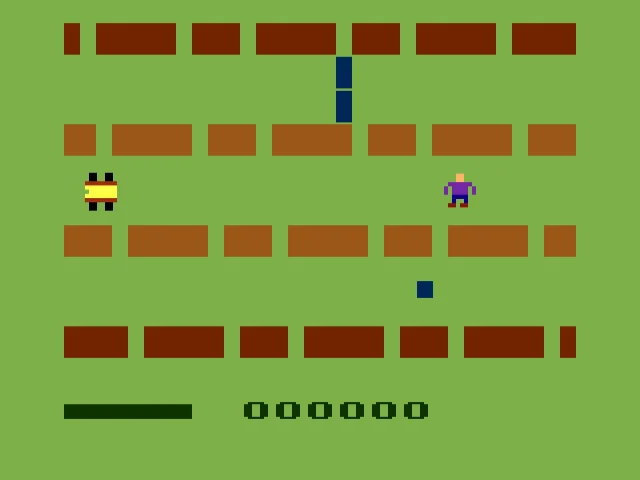
Central to BrewOtaku’s editorial focus is the "homebrew" scene, a term referring to independently developed software, often games, created by hobbyists and small teams for older, discontinued gaming platforms. This movement, rooted in the early days of computing and consoles when programming knowledge was more accessible and platform restrictions fewer, has experienced a modern renaissance. Driven by sophisticated development tools, emulators, and a global online community, developers are crafting entirely new experiences for systems like the Nintendo Entertainment System, Sega Genesis, Commodore 64, and Game Boy, well beyond their commercial lifespans. These creations range from technically impressive ports of modern concepts to entirely original intellectual properties, often pushing the limits of the hardware in ways commercial developers never explored. The homebrew scene is a testament to creative freedom and technical ingenuity, offering a continuous stream of new content for beloved, albeit aging, platforms. Estimates suggest thousands of homebrew games have been released across various platforms in the last decade, with communities like itch.io and dedicated forums serving as hubs for this prolific output.
BrewOtaku positions itself as an essential bimonthly resource, offering a comprehensive content lineup designed to cater to this specialized audience. Each issue is structured to include a dedicated "Homebrew-News-Corner," providing updates on the latest developments, releases, and community events within the independent retro development sphere. This is complemented by over 30 full reviews of new homebrew games, offering critical analysis and guidance for readers navigating the ever-expanding library of titles. In-depth interviews with prominent homebrew developers, community leaders, and retro gaming personalities offer unique insights into the creative processes, technical challenges, and personal motivations driving this movement. Furthermore, the magazine features a variety of articles related to retro-gaming history, hardware preservation, and development techniques, ensuring a rich and educational reading experience for both casual enthusiasts and seasoned developers. The publication’s commitment to providing "direct access" to its "core group of technically savvy enthusiasts" underscores its role as a bridge between creators and their dedicated audience, a vital function in a niche market that often lacks mainstream visibility.
One of the most distinctive aspects of BrewOtaku’s operational model is its progressive approach to accessibility and community support. While offering a premium paper edition for collectors and a standard digital version for €3.50, the magazine has implemented a "no questions asked" policy for individuals unable to afford the digital issue. By simply contacting BrewOtaku via their webpage, readers can receive the latest digital version for free. This altruistic stance is encapsulated in their guiding principle: "Everyone deserves to play." This model is a notable departure from traditional publishing strategies, particularly within niche markets, and reflects a deep understanding of and commitment to the community it serves. It acknowledges the diverse economic realities of its readership, ensuring that passion for retro gaming and homebrew development is not curtailed by financial barriers. This move could potentially set a new standard for independent publications within enthusiast communities, prioritizing community engagement and content dissemination over strict profit maximization.
In an era dominated by digital media, the decision to launch BrewOtaku as a print magazine, albeit with a robust digital offering, is a strategic one that taps into the unique appeal of physical media within the retro community. Collectors of vintage games and hardware often appreciate the tactile experience of a physical object, and a print magazine dedicated to their hobby aligns perfectly with this ethos. The tangible nature of a magazine, its ability to be collected, displayed, and revisited, offers a distinct value proposition that digital-only publications often cannot replicate. This print-first approach, coupled with high-quality content and design, seeks to carve out a unique space in the media landscape. The inclusion of a comprehensive digital version ensures that the magazine remains accessible to a global audience, overcoming geographical distribution challenges inherent to print and providing instant access to content. This hybrid model attempts to leverage the strengths of both mediums, catering to a diverse range of preferences within its target demographic.
From an economic perspective, BrewOtaku’s hybrid subscription model reflects a nuanced understanding of its market. The €3.50 digital issue price point is strategically low, designed to encourage widespread adoption while still generating revenue to support editorial operations and development. The premium paper edition caters to a segment willing to pay more for a collectible physical product, providing a higher-margin revenue stream. The free access policy, while seemingly counterintuitive to profitability, functions as a powerful community-building and marketing tool. By removing financial barriers, BrewOtaku expands its readership base, potentially converting free users into paying subscribers when their financial situations improve, or fostering word-of-mouth advocacy that attracts new paying customers. This model is predicated on the belief that fostering a strong, inclusive community will ultimately lead to sustainable growth and influence, rather than relying solely on transactional revenue from every reader. It also serves to differentiate BrewOtaku in a crowded media landscape, projecting an image of authenticity and community-first values.
The implications of BrewOtaku’s launch are significant for several stakeholders within the retro gaming ecosystem. For homebrew developers, the magazine offers an unparalleled platform for visibility and critical evaluation. Being featured in BrewOtaku can provide much-needed exposure to a targeted audience, potentially increasing downloads, sales (for paid homebrew), and overall community recognition. This support can be crucial for the continued growth and professionalization of the homebrew scene. For the broader retro gaming community, BrewOtaku serves as a centralized, curated source of information, helping enthusiasts discover new games, learn about development trends, and connect with fellow hobbyists. It acts as a vital archival tool, documenting the ongoing creative output for classic systems, which contributes to the preservation of digital history and cultural heritage. For the print media industry, BrewOtaku’s success or failure in this niche could provide valuable insights into the viability of specialized print publications in the digital age, particularly those with strong community ties and innovative access models.
Looking ahead, BrewOtaku faces the dual challenge and opportunity of sustaining its initial momentum while continuously adapting to the evolving retro gaming landscape. The constant influx of new homebrew titles and the enduring passion for classic systems suggest a fertile ground for the magazine’s continued relevance. Future growth could involve expanding coverage to include more niche platforms, delving deeper into hardware modifications and restoration, or even sponsoring homebrew game jams and development competitions. The success of its unique accessibility model will be a key metric, demonstrating whether a community-first approach can translate into long-term financial viability and influence. By maintaining its commitment to high-quality content, fostering direct engagement with developers, and upholding its inclusive ethos, BrewOtaku has the potential to become an indispensable institution for the global retro gaming and homebrew community, ensuring that the legacy of classic systems continues to thrive through new creative endeavors for years to come. The initial promotional video teaser, hinting at the magazine’s vibrant aesthetic and content, further solidifies its commitment to engaging its audience through multiple media channels, promising a dynamic future for this innovative publication.