Ganda Hendra Perkasa
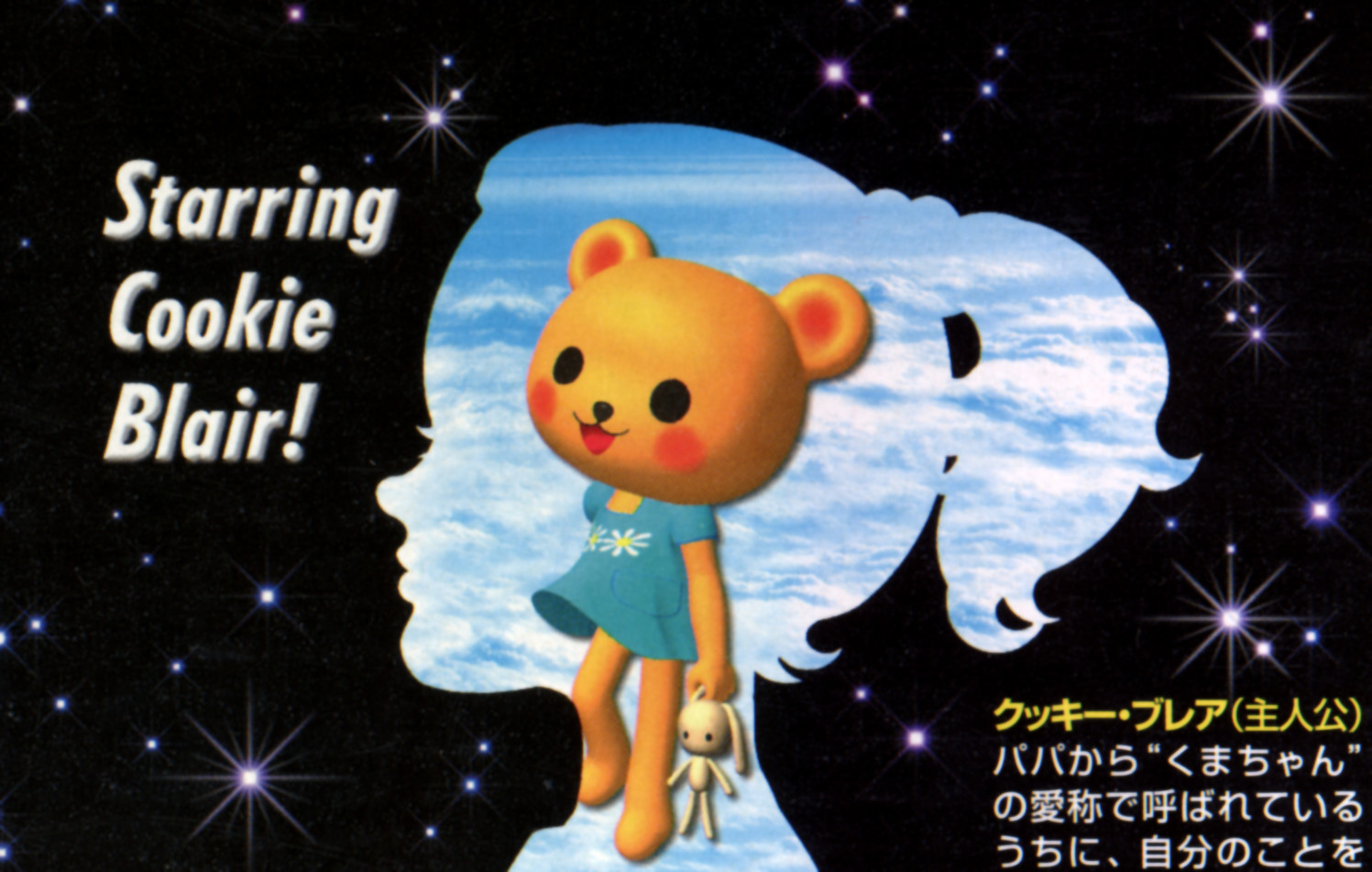
The obscure 1999 computer game Cookie’s Bustle, developed by Japanese studio RODIK, Inc., has unexpectedly found itself at the heart of a protracted legal battle and a significant victory for digital preservation and creator rights. The game, known for its enigmatic and genre-defying premise—following a five-year-old girl from New Jersey thrust into an international sports competition embroiled in civil war and intergalactic intrigue—has cultivated a devoted cult following over the years. Its preservation efforts by the Video Game History Foundation (VGHF) were recently disrupted by a series of aggressive, and ultimately unfounded, copyright takedown notices issued on behalf of an individual named Brandon White, operating through a corporate entity called Graceware, SL.
This lengthy investigation by the VGHF, in collaboration with their legal counsel Albert Sellars LLP, has exposed a pattern of alleged copyright trolling and abuse of the Digital Millennium Copyright Act (DMCA). The foundation’s proactive stance has resulted in a significant development: the suspension of takedown services for Graceware, SL by Ukie, the Association for UK Interactive Entertainment, effectively halting a widespread campaign of digital harassment.
The Preservation Effort and the Emergence of a Dispute
The Video Game History Foundation acquired a rare physical copy of Cookie’s Bustle through a donation from multimedia researcher Misty De Méo. Recognizing the game’s unique artistic merit and its historical significance, the VGHF moved to preserve it within their extensive digital archive. Given that the game has been out of print for nearly three decades, the foundation meticulously documented its packaging and physical materials, making them available for research purposes. However, due to copyright restrictions, the game files themselves could not be shared directly, leading the VGHF to provide access to a gameplay demonstration video recorded by a community member, sebmal.
The foundation’s archival work, intended to safeguard and make accessible a piece of gaming history, soon encountered significant opposition. Starting in 2021, an individual identified as Brandon White, and his associated corporate entity Graceware, SL, began issuing a barrage of DMCA takedown notices. These notices, often routed through Ukie, targeted a wide array of content related to Cookie’s Bustle, ranging from gameplay videos and fan art to even simple mentions of the game’s title. This aggressive approach extended to the VGHF itself, which received multiple takedown requests concerning materials housed within their digital archive.
The Allegations Against Graceware, SL and Brandon White
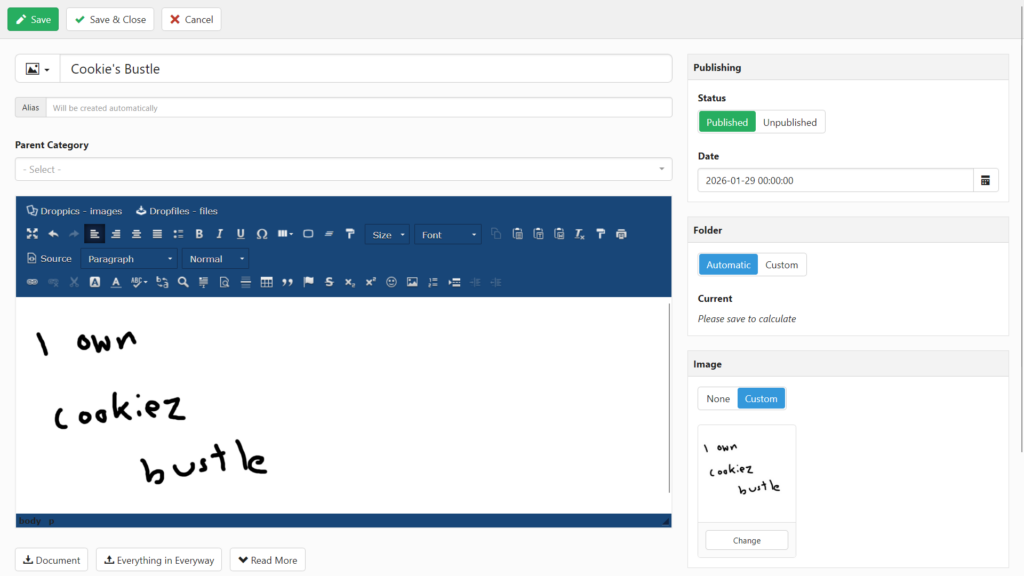
The core of Graceware’s claims rests on a series of "registrations" filed by Brandon White through a German-based company called INTEROCO. These filings, made in 2021, purported to establish White’s ownership of various aspects of Cookie’s Bustle, including its source code, game concept, and character designs. However, the VGHF, with the assistance of legal counsel, thoroughly investigated these claims and found them to be without legal merit.
Copyright law, as established by international treaties like the Berne Convention, grants protection from the moment a work is created. Formal registration, while offering additional legal benefits, is not a prerequisite for copyright existence. Crucially, the VGHF’s legal analysis revealed that INTEROCO is not a governmental copyright office but a private entity offering a "full-automated electronic depository" service. This service, akin to mailing a letter to oneself for a postmark, does not confer copyright ownership. The VGHF’s own attempts to register content on INTEROCO’s platform revealed a concerning lack of oversight and potential for fraudulent claims, further undermining the validity of White’s purported registrations.
Furthermore, Graceware, SL has also filed trademark applications in the United States for the name "Cookie’s Bustle" across various product categories. These applications, filed under an "intent to use" basis in December 2022, are still pending and do not grant enforceable rights until the mark is actively used in commerce. The VGHF notes that the original trademark for Cookie’s Bustle by RODIK, Inc. expired in 2001, and Graceware’s subsequent application does not establish ownership of the game itself, as trademark rights are distinct from copyright.
The Role of Ukie and Web Capio in the Takedown Campaign
The dissemination of Graceware’s takedown notices was facilitated by Ukie, the UK’s largest video game trade organization, which offers free DMCA takedown request services to its members. These requests were reportedly handled by Mumith (Mo) Ali, Ukie’s IP coordinator, and his IP management company, Web Capio (now operating as Obviously).
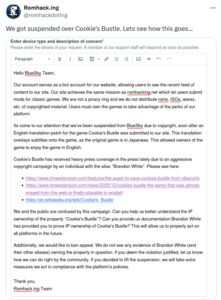
Web Capio’s marketing materials highlight their "automated takedown notices," boasting that a significant portion does not require human verification. This automated approach, the VGHF argues, allows for the bulk issuance of potentially spurious takedown requests without adequate scrutiny, contributing to the aggressive and indiscriminate nature of the campaign against Cookie’s Bustle. The VGHF itself experienced this when a takedown notice was not sent directly to them but to their web host, Vercel, an indirect approach designed to bypass direct dispute channels.
The low barrier to entry for Ukie membership, costing less than £1000 per year for small companies, coupled with Web Capio’s automated system, created a vulnerable pipeline for copyright abuse. This enabled Graceware, despite its questionable claims and a misspelled membership listing with a defunct website, to leverage a major trade organization’s resources for what appears to be a campaign of intimidation.
The Turning Point: Ukie Suspends Services for Graceware
The VGHF, after receiving multiple spurious takedown notices and experiencing direct interference with their archival efforts, escalated their concerns. They provided their findings, detailing the lack of evidence for Brandon White’s ownership and the questionable nature of INTEROCO "registrations," to Ukie CEO Nick Poole.
Following an internal review and direct engagement with Graceware, Ukie confirmed that they had suspended DMCA takedown services for the entity. This decision, according to Ukie’s representative, Mumith Ali, was a result of Graceware’s inability to provide sufficient proof of their copyright claim for Cookie’s Bustle. This suspension marks a significant victory, effectively preventing Graceware from issuing wide-scale automated takedowns through Ukie’s platform.
Implications for the Gaming Community and Digital Preservation
The resolution of this particular dispute offers a reprieve for creators and institutions involved in the preservation and discussion of older video games. With Graceware’s ability to leverage Ukie’s services curtailed, the threat of automated, unfounded takedown notices for content related to Cookie’s Bustle has significantly diminished. This means that gameplay clips, streams, commentary, fan works, and other transformative or educational uses of the game should now be able to exist online without the constant fear of automated interference.
However, the underlying issues highlighted by the Cookie’s Bustle case remain pertinent. The VGHF emphasizes that Cookie’s Bustle is likely an "orphan work"—a copyrighted work whose owner is unknown or cannot be located. This status, prevalent among pre-1995 video game titles due to poor documentation and the transient nature of the industry, makes such works particularly susceptible to abuse by bad actors seeking to assert dubious claims.

The VGHF also points to the continued existence of services like INTEROCO, which offer misleading information about copyright registration and can be exploited. Furthermore, the reliance on automated takedown systems, such as that employed by Web Capio, without sufficient human oversight and legal review, poses an ongoing risk to fair use and can expose platforms and users to liability under the DMCA.
An Evolving Situation and Continued Vigilance
Despite the initial success of Ukie suspending services for Graceware, the situation remains fluid. The VGHF reported that Ukie subsequently resumed sending takedown notices for Cookie’s Bustle, without providing evidence to dispute the VGHF’s findings or addressing concerns about fair use and takedown verification. The VGHF has reiterated that users have the right to dispute inappropriate DMCA notices and has provided guidance on how to do so, emphasizing that Graceware has thus far failed to substantiate its claims when directly challenged.
The possibility remains that Graceware could seek alternative representatives for takedown requests or attempt to file them independently, relying on their discredited INTEROCO claims. The VGHF has indicated that they are not ruling out legal action if they are further harmed by spurious takedown requests. Graceware’s pending trademark applications for "Cookie’s Bustle" are unlikely to significantly alter the landscape, as they are still awaiting approval and have a limited scope.

The Cookie’s Bustle case underscores a broader struggle in the realm of video game history and digital preservation. As games are increasingly recognized as significant cultural artifacts, the challenge of navigating outdated copyright laws and combating those who exploit them becomes paramount. The VGHF’s commitment to documenting and protecting these historical works, even in the face of aggressive opposition, serves as a crucial precedent for safeguarding our digital heritage. The ongoing vigilance and advocacy by organizations like the VGHF are essential to ensure that the history of video games can be explored, celebrated, and understood without undue interference from copyright trolls.