Hartono Sudibyo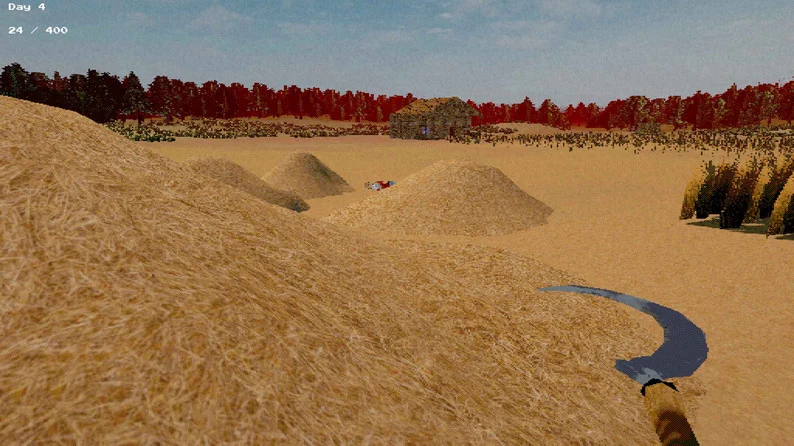
The landscape of independent horror gaming has been significantly enriched with the recent release of "Montano Ranch," a new title from developer In Entertainment. Launched on the popular indie game distribution platform Itch.io, this game directly taps into the potent vein of psychological horror that characterized many of the PlayStation 1 era’s most memorable and unsettling experiences. With its stark visual aesthetic, unnerving atmosphere, and a narrative steeped in mystery, "Montano Ranch" offers a potent dose of nostalgia for fans of classic survival horror while simultaneously delivering a fresh, albeit deeply disturbing, interactive experience.
Genesis of a Terrifying Legacy: The PS1 Horror Boom
The original PlayStation, launched in December 1994 in Japan and September 1995 in North America, revolutionized the video game industry, particularly in its ability to foster mature and complex narratives. Among its most impactful contributions was the emergence of sophisticated psychological horror titles. Games like Konami’s "Silent Hill" (1999) masterfully utilized fog, claustrophobic environments, and abstract symbolism to create a pervasive sense of dread and explore themes of guilt, trauma, and the subconscious. Similarly, "Koudelka" (1999), developed by Sacnoth, blended RPG elements with survival horror, featuring a gothic atmosphere and a story that delved into dark folklore and madness. "Galerians" (2000), from Polygon Magic, presented a unique take on psychic powers and societal control, further solidifying the PS1’s reputation as a haven for innovative and terrifying gameplay. These titles, despite their often-primitive graphical capabilities by today’s standards, succeeded in cultivating fear through atmosphere, sound design, and a profound understanding of psychological manipulation, proving that the scariest monsters often reside within the human mind.
"Montano Ranch": A Modern Echo of Classic Fears
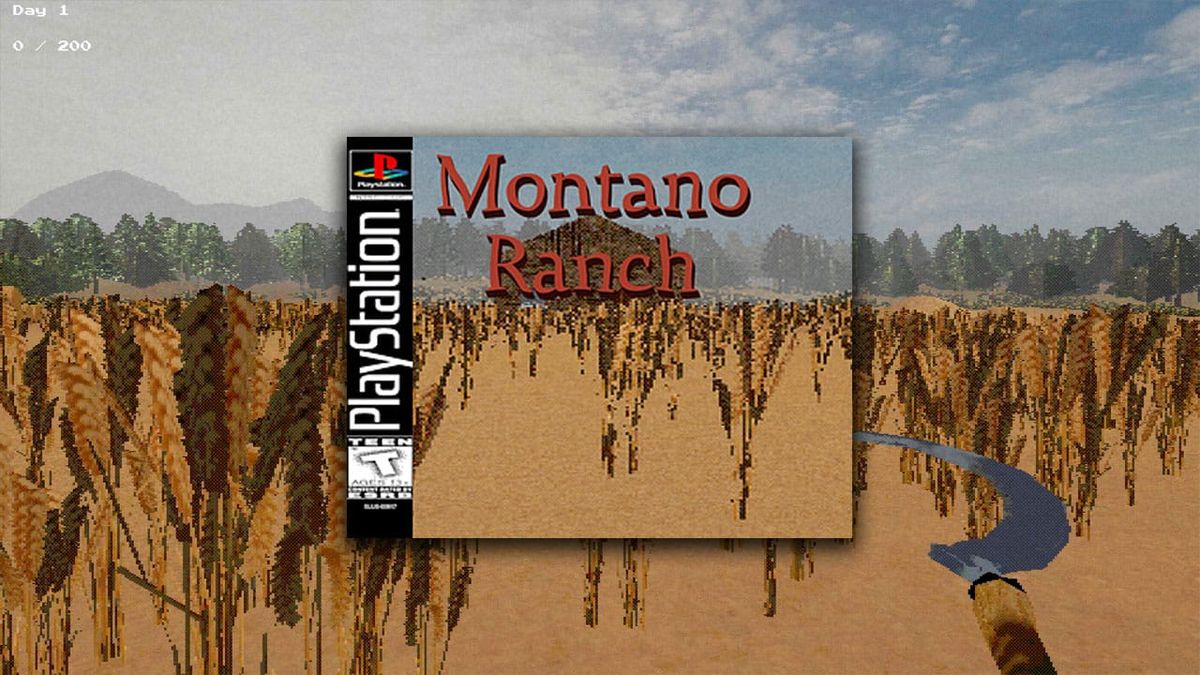
"Montano Ranch" arrives as a deliberate homage to this seminal period in horror gaming. Developed by In Entertainment, the game’s visual style deliberately evokes the low-polygon count, textured environments, and distinctive graphical artifacts that defined the PS1’s output. This aesthetic choice is not merely a superficial nod to the past but a foundational element of its horror design. The limited fidelity forces players to infer much of the unsettling detail, engaging their imagination in a way that hyper-realistic graphics sometimes bypass.
The premise of "Montano Ranch" is deceptively simple, drawing players into a narrative of inheritance and obligation. Upon receiving word of a ranch inherited from a grandfather the player never knew, the protagonist is tasked with managing the property and harvesting crops. However, this seemingly mundane rural life is quickly shattered by inexplicable, chilling cries emanating from the adjacent forest. This juxtaposition of idyllic rural imagery with encroaching, unseen terror forms the core of the game’s psychological tension.
Gameplay and Atmosphere: A Descent into Unease
The gameplay loop, as described, involves daily crop harvesting, a routine task that serves as a temporal anchor for the player’s descent into fear. The eerie sounds from the forest are not mere background noise; they are potent psychological triggers designed to instill a sense of unease and anticipation. This element is crucial to the success of any psychological horror game, as it plays on the player’s expectation of danger and the unknown.

Visual evidence from promotional materials suggests a stark and unsettling world. Screenshots depict scenes that are deliberately disturbing, such as a potential dead body amidst wheat piles, juxtaposed with a protruding scythe on the right side of the screen. These images are not gratuitous but serve to reinforce the game’s grim tone and hint at the darker realities lurking beneath the surface of the inherited ranch. The sparse environments, combined with the unsettling visual cues, contribute to a feeling of exposure and vulnerability, leaving players with nowhere to hide and constantly questioning what lurks just beyond their immediate perception. The use of red trees in the distance further amplifies this horror aesthetic, creating an unnatural and foreboding landscape that deviates from typical pastoral imagery.
Launch and Accessibility: A Timely Release
"Montano Ranch" made its debut on Itch.io less than an hour prior to the time of this report, indicating a very recent and fresh release. The game is available for download on the Windows platform, ensuring a broad audience can experience its unique brand of terror. The choice of Itch.io as a distribution platform is common for independent developers, offering a direct channel to a community of players interested in experimental and niche genres. The fact that the game is offered for free further lowers the barrier to entry, encouraging a wide range of players to explore its unsettling narrative and gameplay.
Analysis of Implications: The Enduring Appeal of Retro Horror
The emergence of "Montano Ranch" signifies a continued and robust interest in retro-inspired horror. This trend is not limited to gaming; similar revivals are observed in film and television, where audiences demonstrate an appetite for the aesthetic and thematic elements of past decades. For the horror genre, the PS1 era represented a critical juncture where technology allowed for more complex narratives and atmospheric depth, even with graphical limitations. These limitations, ironically, often fostered a more profound sense of fear by forcing player imagination into overdrive.
The success of "Montano Ranch" could have several implications for the independent game development scene:
- Validation of Retro Aesthetics: It further validates the commercial viability of games designed with PS1-era graphics and gameplay loops. Developers can find success by leaning into nostalgia while offering contemporary narrative depth and horror mechanics.
- Player Demand for Atmosphere: It highlights the enduring player demand for games that prioritize atmosphere, psychological tension, and narrative over raw graphical fidelity. This can encourage developers to focus on core horror design principles.
- Platform Dominance: It reinforces the role of platforms like Itch.io in supporting and showcasing indie developers, providing a space for titles that might not fit the mainstream market.
- The Power of Free-to-Play: The free availability of "Montano Ranch" suggests a strategic approach to building an audience and fostering goodwill within the indie community. This model can lead to significant player engagement and potential future monetization through other titles or community support.
The game’s developer, In Entertainment, has established a direct link to their Itch.io page for players eager to experience "Montano Ranch." This direct engagement is characteristic of independent developers who often cultivate a closer relationship with their player base. While no official statements from In Entertainment have been released regarding the game’s development or reception, the immediate availability and clear stylistic direction speak to a focused vision.
As players step into the boots of the new ranch owner, they are not just inheriting land; they are inheriting a legacy of fear. The unsettling cries from the forest are a siren call to those who appreciate the unique terror of the PlayStation 1 era, proving that sometimes, the scariest frontiers are the ones that lie within our own minds, evoked by the ghosts of gaming past. "Montano Ranch" stands as a testament to this enduring appeal, offering a chilling reminder that the echoes of classic horror can still resonate powerfully in the modern gaming landscape.