Cecilia Chamidah Nur
The recent acquisition of rights to Wizardry I-V by Atari has reignited interest in one of the most foundational series in role-playing game history, inadvertently bringing to light a fascinating, yet largely lost, piece of its early development: a beta version known as Dungeons of Despair. This obscure precursor to the seminal Wizardry: Proving Grounds of the Mad Overlord offers a rare glimpse into the nascent stages of video game development, illustrating the unique challenges and innovative solutions employed by pioneers like Sir-Tech in the early 1980s. Despite its pivotal role as a testing ground for what would become a legendary RPG, Dungeons of Despair is believed to have vanished almost entirely, its physical copies lost to time, making it a true "holy grail" for gaming historians and preservationists.
The Genesis of a Legend and its Lost Precursor
In the landscape of early personal computing, particularly the burgeoning Apple II ecosystem, the advent of Wizardry: Proving Grounds of the Mad Overlord in September 1981 marked a significant milestone. Developed by Andrew Greenberg and Robert Woodhead and published by Sir-Tech Software, Wizardry was not merely a game; it was a phenomenon that captivated players with its intricate dungeon crawling, party-based combat, and challenging puzzles, all rendered in a then-revolutionary first-person perspective. Its influence would ripple across the industry, directly inspiring giants like Dragon Quest and Final Fantasy and laying much of the groundwork for the modern RPG genre.
However, before its official release, Sir-Tech embarked on an unconventional beta testing strategy that resulted in the creation and limited distribution of Dungeons of Despair. This early version was not a typical internal build; it was a commercially sold product, albeit on a very small scale, intended to serve a dual purpose: generate some revenue and, more critically, gather invaluable feedback from real-world users. The decision to release a beta into the market speaks volumes about the pragmatic, often experimental, nature of software development during a period devoid of widespread internet connectivity, digital distribution, or standardized testing protocols. Developers like Sir-Tech were navigating uncharted waters, often relying on ingenuity and direct engagement with their nascent player base to refine their products.
The Boston Apple Fest: A Glimpse into Early Beta Testing
The primary, and possibly sole, distribution channel for Dungeons of Despair was the Boston Apple Fest in June 1981. Computer festivals and expos were vital hubs in the early 1980s, serving as marketplaces, community gathering points, and crucial avenues for developers to showcase and sell their software directly to enthusiasts. For Sir-Tech, the Boston Apple Fest presented a unique opportunity to engage directly with their target audience. Co-founder Norman Sirotek vividly recalled the scene, emphasizing the raw, hands-on nature of the operation. Developers were literally making last-minute adjustments to the game code, then packaging disks and manuals into Ziploc bags in hotel rooms the evening before the show. This image underscores the artisanal, almost garage-band quality of early game development, a stark contrast to today’s highly structured, multi-million-dollar production cycles.
Robert Woodhead, the co-creator, spearheaded this innovative approach to beta testing. As Sirotek explained in an interview with Time Extension in August 2024, the primary motivation was the sheer complexity of the Apple II ecosystem. "Back in those days, you had so many different computer configurations that you could put into your Apple II, like legend cards, other kinds of memory cards, and so forth. And we could not test every conceivable combination. It was just physically and mentally impossible." This challenge, common to many early computer platforms, necessitated a distributed testing model. By selling Dungeons of Despair at the Apple Fest, Sir-Tech aimed to leverage the diverse hardware configurations of early adopters, effectively crowdsourcing their quality assurance efforts. The expectation was that purchasers would test the game, provide feedback, and then replace their beta copy with the finalized version upon its official release. This transactional model of beta testing highlights the resourcefulness required of small studios operating with limited budgets and technical infrastructure.
Estimates of Rarity: A Developer’s Dilemma
The precise number of Dungeons of Despair copies produced remains a point of contention between the game’s creators, further cementing its legendary rarity. Robert Woodhead estimated that only 50 to 60 copies were made, while Norman Sirotek recalled a slightly higher figure, around 200. Regardless of the exact number, both estimates point to an extraordinarily limited production run. This scarcity was not accidental; it was a direct consequence of the game’s experimental nature and the manual production process. As Woodhead noted in a December 2024 interview with Time Extension, "We also didn’t make that many copies because we had to make them by hand."
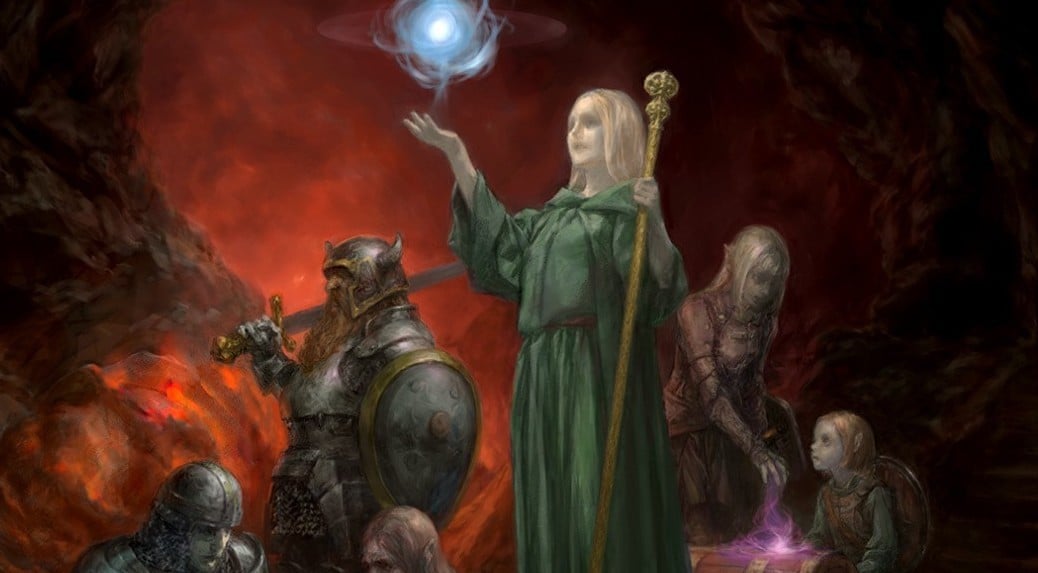
The combination of limited production, the expectation that users would discard or replace their copies, and the inherent fragility of 5¼-inch floppy disks from that era has led to the unfortunate, but perhaps inevitable, conclusion that no copies of Dungeons of Despair have survived to the present day. Unlike modern software, which can be easily archived digitally, early games relied on physical media that were susceptible to degradation, loss, and obsolescence. The prevailing assumption that beta versions were temporary, disposable artifacts meant there was little incentive for early users to preserve them, especially when a superior, final version was promised. This cultural context surrounding early software use is crucial to understanding why so much of gaming’s foundational history has simply vanished.
Unveiling "Dungeons of Despair": Gameplay and Design Philosophy
Information regarding the specific differences between Dungeons of Despair and the final Wizardry: Proving Grounds of the Mad Overlord is, understandably, scarce due to its rarity. However, insights from its creators provide a fascinating glimpse into its unique design. While the core gameplay loop—creating a party of adventurers, exploring a first-person dungeon, battling enemies, and collecting treasure—remained consistent, Dungeons of Despair was fundamentally a testbed, not a polished product.
One of the most striking differences, as noted by various sources and confirmed by Woodhead, was the deliberately unbalanced nature of the game’s enemy encounters. The beta reportedly contained only a handful of the final game’s floors, but these levels were populated with an "everything but the kitchen sink" approach to enemy placement. This meant that players could encounter some of the most formidable adversaries, such as the "devil," on the very first floor of the dungeon. This design choice was not meant to create a fair or enjoyable experience; rather, it was a pragmatic method to test the game’s combat mechanics, enemy AI, and various spells and abilities against high-level threats without requiring testers to delve deep into the dungeon. "It just had a test version of the scenario database that basically had everything in the kitchen sink in it, so we could test out functionality. So it wasn’t balanced," Woodhead elaborated. This "despair-inducing" difficulty is what ultimately led to its evocative moniker, Dungeons of Despair, reflecting the brutal, unforgiving experience players were likely to encounter. The strategy ensured that Sir-Tech could gather data on all aspects of the game’s functionality, even if it meant subjecting early testers to an almost unwinnable challenge.
Bug Reports and On-the-Fly Adjustments
The direct feedback loop established at the Boston Apple Fest proved to be incredibly effective, even leading to immediate, on-site development changes. Norman Sirotek recounted a memorable incident where, within 24 hours of the show’s opening, customers began reporting a critical bug. Players were encountering an "unset monster," a glitched enemy that rendered the game unbeatable. This kind of immediate, real-world bug discovery was precisely what Woodhead had hoped for.
Upon receiving the reports, Woodhead promptly investigated the code, confirming that the game was indeed unwinnable due to this unforeseen issue. In a testament to the agile, albeit chaotic, development practices of the era, he reportedly modified the game’s code overnight, eliminating the problematic bug before sales resumed on the second day of the event. This anecdote vividly illustrates the raw, iterative nature of early software development, where developers often had to respond to critical issues in real-time, far removed from the patch cycles and digital distribution networks of today. It underscores the hands-on involvement of the creators and the direct impact of user feedback on a product’s evolution.
The Elusive Quest for Preservation
The historical significance of Dungeons of Despair has not been lost on modern game developers and preservationists. When Digital Eclipse embarked on the ambitious project of remaking Wizardry: Proving Grounds of the Mad Overlord for a 2024 release, they undertook a diligent, though ultimately unsuccessful, search for a surviving copy of the beta. Justin Bailey, Digital Eclipse’s former chief strategy officer and head of publishing, confirmed their efforts to track down this elusive artifact. Norman Sirotek, present during one such conversation, expressed his skepticism, stating, "I don’t know if you’ll ever find that one," a sentiment that unfortunately proved accurate.
The quest for Dungeons of Despair highlights a broader challenge in video game history: the preservation of early software. Many foundational titles, especially their beta versions, prototypes, or even early retail releases, were produced in limited quantities on fragile media, with little thought given to their long-term historical value. As a result, countless pieces of gaming history have been lost or are teetering on the brink of digital oblivion. Organizations and individuals dedicated to digital archaeology often face immense difficulties in acquiring, digitizing, and emulating these ancient relics, making projects like the Wizardry remake crucial for bringing such history to light, even if some parts remain forever out of reach.
Industry Voices on the Lost Artifact
The legend of Dungeons of Despair extends even to prominent figures within the gaming industry. Brenda Romero, the acclaimed designer of Wizardry 8 and a former tester at Sir-Tech, was once speculated to be a potential possessor of a copy due to her deep roots with the company. However, earlier this year, Romero definitively debunked this theory during an interview at Dark & Doomy, a Game Republic-organized event. Her response echoed the sentiments of many preservationists and collectors: "Oh, god, I wish… Dungeons of Despair? No, I’m not. That, along with the uncensored Wolfenstein, is on my holy grail list."
Romero’s statement underscores the almost mythical status of Dungeons of Despair. For those deeply embedded in gaming history, certain lost artifacts achieve a "holy grail" status, representing not just a rare item but a tangible link to pivotal moments in the industry’s evolution. While she did not possess Dungeons of Despair, Romero did mention having a "Wizardry editor that was only available inside of Sir-Tech," a rare item in its own right, offering a different kind of insight into the game’s development tools and processes. Her desire for the beta version speaks to the enduring allure of uncovering the origins of influential works and the profound impact of these early, often imperfect, creative endeavors.
The Broader Implications: Digital Preservation and Gaming History
The story of Dungeons of Despair serves as a poignant reminder of the fragility of early digital heritage and the critical importance of digital preservation efforts. Unlike traditional media like books or films, early software often required specific hardware and operating environments that quickly became obsolete. The physical media themselves—floppy disks, cartridges, and tapes—are prone to decay, magnetic degradation, and physical damage. Without dedicated efforts from archives, museums, and passionate individuals, many formative works of interactive entertainment could be lost forever.
The challenges are multifaceted, encompassing not just the acquisition of physical media but also the development of robust emulation techniques, the documentation of proprietary formats, and the legal complexities surrounding copyright and intellectual property. The fact that even the creators of Wizardry cannot definitively account for or retrieve copies of Dungeons of Despair illustrates the scope of this problem. This lost beta is more than just a curiosity; it represents a tangible piece of game development history, a snapshot of a moment when the rules were still being written, and innovation often sprang from necessity and direct engagement with an enthusiastic, albeit small, community of users. Its absence leaves a gap in the comprehensive understanding of Wizardry‘s evolution and the broader narrative of early RPG design.
Legacy and the Mists of Time
Ultimately, the fate of Dungeons of Despair seems sealed. Despite the renewed interest and diligent searches, it remains an artifact shrouded in mystery, existing primarily in the memories of its creators and the anecdotal history of early computing. Robert Woodhead, reflecting on its likely permanent disappearance, expressed a pragmatic, almost philosophical acceptance: "I’m just as happy for it to be lost in the mists of the past." This sentiment, while perhaps surprising to eager preservationists, encapsulates a perspective common among creators who were focused on the next innovation, not necessarily the historical archiving of every developmental step.
Yet, the very mystery surrounding Dungeons of Despair adds to its legend. It stands as a powerful symbol of the pioneering spirit of early game development, a testament to the ingenuity, challenges, and often-unforeseen paths taken by those who forged the foundations of an industry. As Atari breathes new life into the Wizardry franchise, the spectral presence of its lost beta, Dungeons of Despair, will continue to intrigue and remind us that some of gaming’s most compelling stories lie not just in what survived, but in what was almost, and perhaps entirely, lost to the sands of time. Its enduring absence serves as a vital lesson in the ongoing quest to document and preserve the rich, complex history of interactive entertainment.