Chalid Lutfie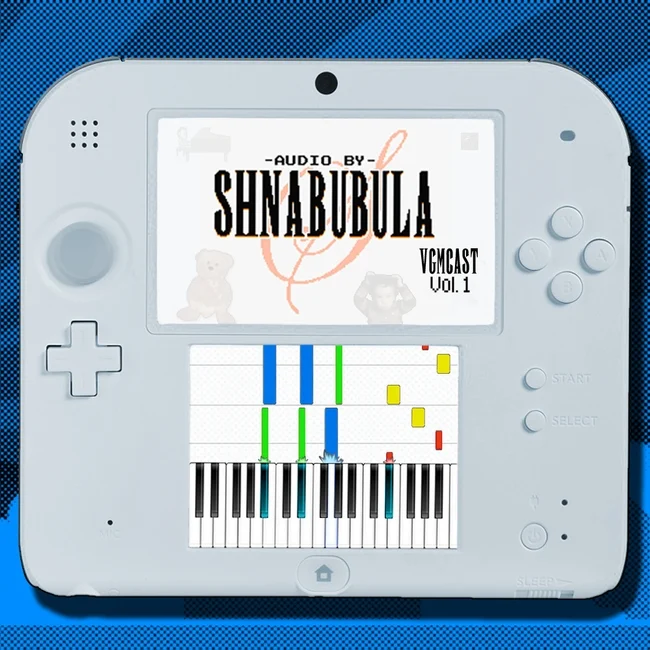
Samuel Asari-Harkness, the acclaimed composer and pianist known within the video game music community as Shnabubula, has officially inaugurated a rigorous new weekly performance series hosted on the Hitbox streaming platform. This initiative, designed as both a personal creative challenge and a pedagogical exercise, involves a two-part weekly schedule where the artist learns a vast array of requested musical material in a live setting before performing a curated setlist for a global audience. The project represents a significant intersection of live digital broadcasting, improvisational virtuosity, and the burgeoning culture of video game music (VGM) arrangement.
The Structural Framework of the Weekly Performance Series
The project is structured into two distinct phases that occur every weekend, providing a transparent window into the professional process of musical transcription, memorization, and arrangement. The first phase takes place every Friday, during which Asari-Harkness broadcasts live on Hitbox from 12:00 PM to 8:30 PM EST. During this eight-and-a-half-hour window, he accepts requests from the viewing audience, many of which consist of complex compositions from classic and contemporary video game soundtracks.
The primary objective of the Friday sessions is the rapid acquisition of new repertoire. Asari-Harkness utilizes these hours to transcribe melodies and harmonies by ear, translating digital synthesized scores into sophisticated piano arrangements in real-time. This phase is characterized by its raw, unfiltered look at the labor behind musical performance, offering viewers an educational perspective on how a professional musician tackles unfamiliar and often technically demanding material.
The second phase of the weekly cycle occurs on Sundays at 4:00 PM EST. During this broadcast, the focus shifts from acquisition to execution. Asari-Harkness performs a polished setlist comprising the songs requested and learned during the preceding Friday session. This "recital" format serves as the culmination of the week’s efforts, demonstrating the artist’s ability to internalize and interpret nearly a dozen and a half new pieces within a forty-eight-hour window.
Background and Context: Shnabubula and the VGM Landscape
Samuel Asari-Harkness has long been a prominent figure in the independent music scene, particularly within circles dedicated to the reimagining of video game scores. His work often blends elements of ragtime, stride piano, jazz fusion, and classical romanticism. Prior to this Hitbox initiative, Shnabubula gained recognition for his contributions to OverClocked ReMix (OC ReMix) and his independent releases, such as "Game Theory" and "NES Jam."
The launch of this live-streaming project comes at a pivotal moment for the video game music industry. In 2015, the genre has transitioned from a niche interest into a mainstream cultural phenomenon, with orchestral tours like "Video Games Live" and "Distant Worlds" filling concert halls worldwide. However, the "live-learning" aspect of Shnabubula’s project highlights a different facet of the community: the technical skill required to adapt non-traditional compositions—often written for sound chips with limited polyphony—into complex solo instrumental works.
Chronology of the Inaugural Session
The most recent iteration of this challenge concluded with a successful performance of 14 distinct tracks, all of which were requested by the community during the session on Friday, May 15, 2015. Following the Sunday performance on May 17, the recordings were archived and uploaded to YouTube to ensure accessibility for those unable to attend the live broadcast.
The repertoire for the inaugural set included a diverse range of titles, reflecting the eclectic tastes of the VGM community. The 14 songs covered a chronological span of gaming history, featuring themes from the 8-bit era through the modern console generations. Following the performance, Asari-Harkness made the individual tracks available for download, adhering to his long-standing tradition of community-centric distribution. This rapid turnaround from request to learning, performance, and finally to digital release establishes a new benchmark for content production in the creative streaming space.
Technical Analysis of the Live-Streaming Environment
The choice of Hitbox.tv as the primary platform for this project is noteworthy within the context of 2015’s digital landscape. While Twitch remains the dominant force in game-related streaming, Hitbox has carved out a niche by offering lower latency and high-quality bitrates, which are critical for musical performances where audio-visual synchronization is paramount.
For a musician like Shnabubula, the "Low Latency Mode" of Hitbox allows for a more immediate interaction with the chat, facilitating the request process and allowing for real-time feedback during the learning phase. This interactivity is a core component of the project’s appeal; the audience is not merely watching a performance but is actively participating in the curation of the artist’s repertoire.
Supporting Data: The Demands of Rapid Repertoire Acquisition
To understand the magnitude of this challenge, one must look at the data surrounding the musical output. Learning 14 songs in a single eight-hour session requires an average learning rate of approximately one song every 34 minutes. This includes the time taken to find the source material, analyze the harmonic structure, and practice the technical execution of the arrangement.
In a traditional conservatory or professional performance setting, a musician might spend weeks or months perfecting a 14-track setlist. By compressing this timeline into two days, Asari-Harkness is testing the limits of musical cognition and muscle memory. The implications of this for music education are significant, suggesting that the high-pressure, interactive environment of live streaming can serve as a powerful catalyst for skill development.
Community Reactions and Inferred Impact
While official statements from platform representatives have not been issued, the response from the video game music community has been overwhelmingly positive. Observers note that Shnabubula’s project fills a void in the "Creative" category of live streaming, which often prioritizes visual arts over complex musical theory and performance.
The project also fosters a unique form of digital patronage. By providing the recordings as a downloadable album immediately following the performance, Asari-Harkness leverages a direct-to-fan model that bypasses traditional labels. This approach is consistent with the ethos of the VGM scene, which has historically relied on grassroots distribution and community support.
Broader Implications for the Digital Music Industry
The success of Shnabubula’s weekly challenge suggests several broader trends that may influence the future of the digital music industry:
- The Rise of "Process-as-Product": Increasingly, audiences are finding value not just in the finished musical product, but in the process of its creation. The Friday learning sessions provide a form of "behind-the-scenes" content that builds a deeper connection between the artist and the audience.
- Gamification of Musical Practice: By framing his practice sessions as a "challenge" with specific time constraints and audience-mandated goals, Asari-Harkness has effectively gamified the act of learning music. This could serve as a model for other performers looking to engage audiences in an era of shortening attention spans.
- Expansion of the VGM Repertoire: The request-based nature of the stream ensures that lesser-known soundtracks receive attention alongside popular hits. This contributes to the preservation and celebration of video game history, as forgotten melodies are given new life through solo piano arrangements.
- Technological Integration in Performance: The use of high-definition video and high-fidelity audio streams allows for a virtual concert hall experience. As internet infrastructure continues to improve, the barrier between physical and digital performances continues to erode.
Future Outlook
As the project continues, the cumulative body of work produced by Shnabubula is expected to grow exponentially. If the current rate of 14 songs per week is maintained, the artist will have produced over 700 unique arrangements within a single year. This would constitute one of the largest single-artist archives of video game music piano arrangements in existence.
The project also sets a precedent for other virtuoso performers to utilize streaming platforms as a space for high-level artistic experimentation. By moving beyond the boundaries of pre-recorded content, Shnabubula is redefining what it means to be a "live" performer in the 21st century.
The next scheduled session is set to occur this coming Friday on Hitbox, where a new batch of requests will test the limits of Asari-Harkness’s improvisational and technical abilities. For fans of video game music and piano virtuosity alike, the weekly series offers a rare glimpse into the mind of an artist at work, transforming a solitary practice routine into a shared, global event.