Hartono Sudibyo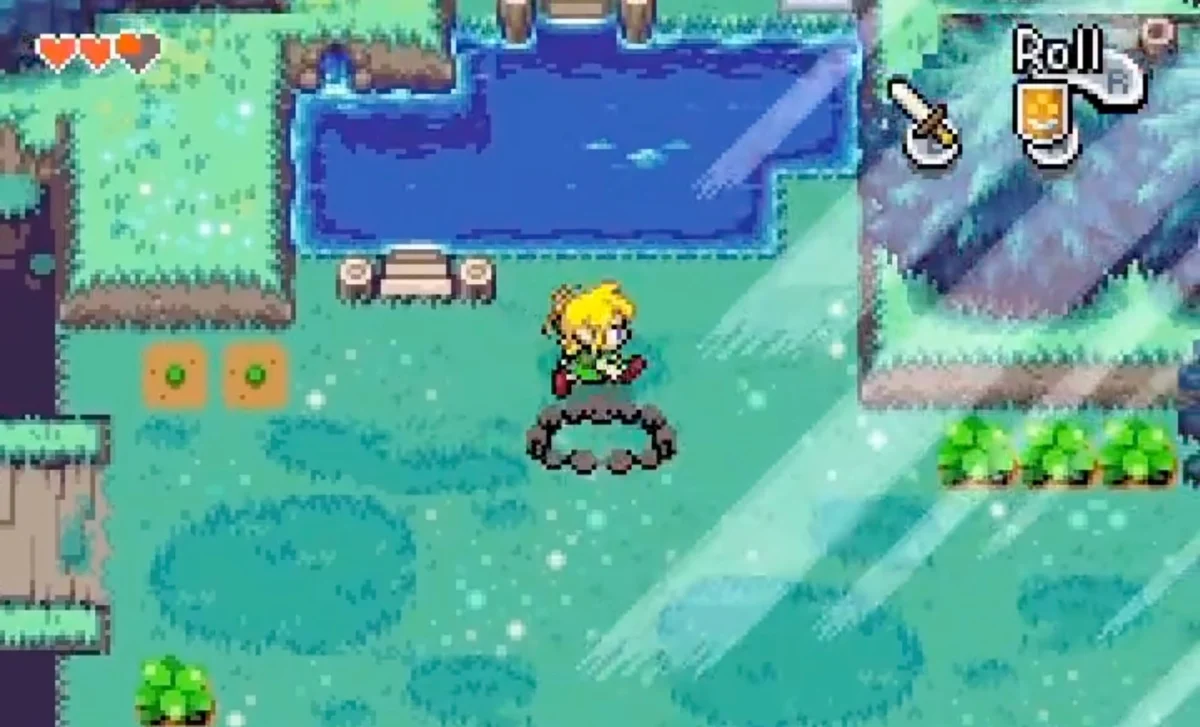
The retro gaming community is buzzing with renewed excitement as The Legend of Zelda: The Minish Cap, a beloved title from the Game Boy Advance era, has been successfully decompiled, paving the way for a playable PC port. This significant development, spearheaded by independent developer 999sian, follows a similar breakthrough with The Legend of Zelda: The Wind Waker, indicating a growing trend of classic Nintendo titles being brought to new platforms through reverse-engineering efforts. The decompilation of The Minish Cap not only offers a glimpse into the game’s underlying code but also presents fans with a tangible, albeit early-stage, PC playable version.
A Deeper Dive into The Minish Cap’s Journey
Originally released in Japan in late 2004 and globally in 2005, The Legend of Zelda: The Minish Cap was developed by Capcom in collaboration with Nintendo. The game distinguished itself within the Zelda canon through its unique shrinking mechanic, allowing protagonist Link to reduce his size to the scale of the titular Minish people. This mechanic was central to the game’s puzzle-solving and exploration, offering fresh perspectives on familiar environments. The narrative centers on Link’s quest to restore the Picori Blade and re-seal the evil Vaati, aided by the sentient talking cap, Ezlo. The game was widely praised for its charming art style, inventive gameplay, and engaging storyline, solidifying its place as a fan favorite among the handheld Zelda titles.
The journey to a functional PC port began with the painstaking process of decompilation. Decompilation involves taking compiled machine code – the low-level instructions that a computer understands – and translating it back into a higher-level programming language that is more human-readable. This process is incredibly complex, as much of the original high-level design information is lost during compilation. It requires significant technical expertise and a deep understanding of the original platform’s architecture. For The Minish Cap, this effort was undertaken by 999sian, who has now made the fruits of their labor publicly accessible.
The Genesis of the PC Port
The development of the PC port is a testament to the dedication of the retro gaming preservation community. While official emulation options exist, such as Nintendo Switch Online, these often come with subscription requirements and can sometimes introduce latency or limitations. Independent decompilation projects, on the other hand, aim to create native ports that can run directly on a PC, offering a more direct and often superior gaming experience.
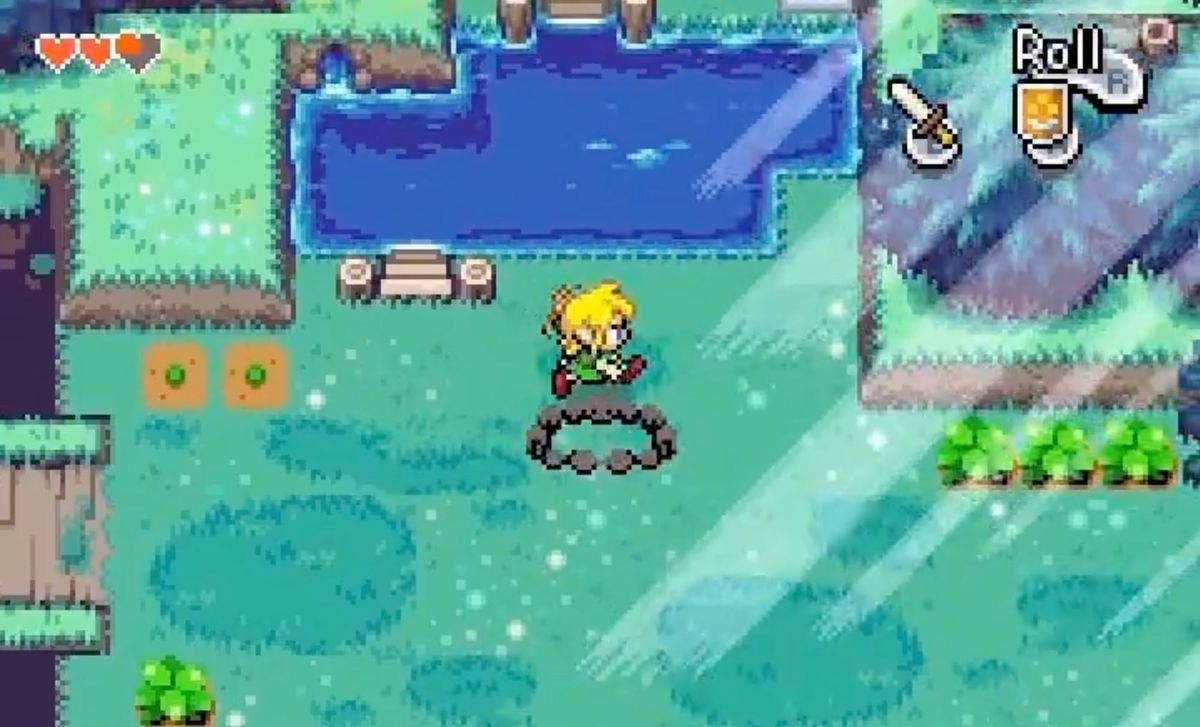
The announcement of the playable PC port was met with considerable enthusiasm. The project, hosted on GitHub, details the technical advancements and ongoing development. The current iteration of the port allows users to play the game on both Windows and Linux operating systems. However, a crucial requirement for its operation is a legally acquired ROM of the original game. This legal stipulation underscores the community’s commitment to respecting intellectual property rights while advocating for game preservation.
Early Stages and Future Prospects
While the PC port of The Minish Cap is indeed playable, the developer, 999sian, has been transparent about its current limitations. Reports indicate that the port is in its early stages of development, with some bugs and rough edges still present in the gameplay. Areas that require further refinement include audio implementation and the integration of additional quality-of-life features.
The developer’s roadmap suggests a focus on enhancing the player experience. The successful integration of audio would be a significant milestone, as it is fundamental to the game’s atmosphere and gameplay cues. Furthermore, the introduction of quality-of-life features, such as improved control schemes, graphical enhancements, or save state functionalities, could significantly elevate the port’s appeal. These additions could potentially breathe new life into the game, making it feel almost like a new release for long-time fans who have cherished the original for years.
Comparison to Existing Playback Methods
For players seeking the most seamless experience with The Minish Cap at this moment, existing official channels might still hold an advantage. The article notes that playing the game via Nintendo Switch Online or through emulators like Delta on iOS devices may offer a smoother performance profile. This is largely due to the maturity and optimization of these platforms compared to the nascent PC port.
However, the significance of the decompilation effort lies not solely in immediate playback quality but in its long-term implications for game preservation and accessibility. Independent ports, once fully developed, can offer advantages that official methods do not, such as greater customization, higher fidelity graphics, and freedom from subscription models. The ongoing progress of 999sian’s project signals a promising future where The Minish Cap could become even more accessible and enjoyable on modern hardware.

The Broader Context of Game Decompilation
The decompilation of The Minish Cap is part of a larger, burgeoning movement within the gaming community. Over the past few years, numerous classic games, particularly those from older console generations, have undergone decompilation. This trend is driven by several factors:
- Preservation: As original hardware ages and becomes scarce, and as digital storefronts for older consoles are phased out, decompilation offers a vital method for preserving these games for future generations. It creates a way to experience these titles independent of fragile physical media or proprietary hardware.
- Accessibility: Decompilation efforts aim to make games playable on modern platforms, breaking down barriers of entry for new players who may not have access to original hardware or who prefer the convenience of PC gaming.
- Fan Engagement and Learning: These projects are often passion projects undertaken by skilled developers who are deeply invested in the games they are working on. They serve as valuable learning opportunities, allowing developers to understand game design and programming from a historical perspective.
- Community Collaboration: Decompilation projects often foster strong online communities, with developers and enthusiasts collaborating, sharing knowledge, and contributing to the refinement of these ports.
The success of projects like the decompilation of Super Mario 64 and, more recently, The Legend of Zelda: The Wind Waker, has paved the way and provided valuable technical insights for subsequent efforts, including that of The Minish Cap. Each successful decompilation builds upon the collective knowledge and tools developed by the community, accelerating progress and demonstrating the viability of these ambitious undertakings.
Implications for the Gaming Industry and Preservation Efforts
The increasing success of game decompilation projects like The Minish Cap port has several significant implications:
- Challenging Traditional Distribution Models: These independent efforts highlight the desire for greater accessibility and ownership of digital games. They demonstrate that there is a significant market for classic titles beyond what official channels may offer.
- The Future of Game Preservation: Decompilation is emerging as a crucial tool in the arsenal of game preservationists. It offers a robust method for ensuring that digital heritage is not lost to obsolescence. Organizations dedicated to game preservation are increasingly recognizing the value of such community-driven initiatives.
- Potential for Legal and Ethical Debates: While many decompilation efforts are conducted with a strong emphasis on legal compliance (e.g., requiring users to own the original game), the underlying technology can also raise questions about intellectual property rights and fair use. These discussions are likely to continue as the practice becomes more widespread.
- Enhanced Fan Experiences: Ultimately, these projects empower fans. They allow dedicated players to engage with their favorite games on a deeper level, to contribute to their longevity, and to experience them in ways that were previously unimaginable.
Looking Ahead for The Minish Cap’s PC Port
The current state of The Minish Cap’s PC port, while functional, represents a significant achievement and a promising foundation. The ongoing work by 999sian suggests that the port will continue to evolve, potentially offering a definitive way for PC gamers to experience this classic Zelda adventure. As the developer refines the audio, irons out bugs, and potentially adds further enhancements, the port could rival or even surpass official emulation options in terms of performance and features.
For fans of The Legend of Zelda series, and particularly for those who hold The Minish Cap in high regard, this development is a cause for celebration. It underscores the enduring legacy of the game and the power of community-driven innovation in keeping gaming history alive and accessible. The journey from a beloved handheld title to a playable PC port is a testament to the passion and technical prowess of the retro gaming community, ensuring that adventures like Link’s with Ezlo continue to be enjoyed for years to come. The progress made by 999sian is a clear indicator that the spirit of game preservation is thriving, and that classic titles will continue to find new life on modern platforms.