Hartono Sudibyo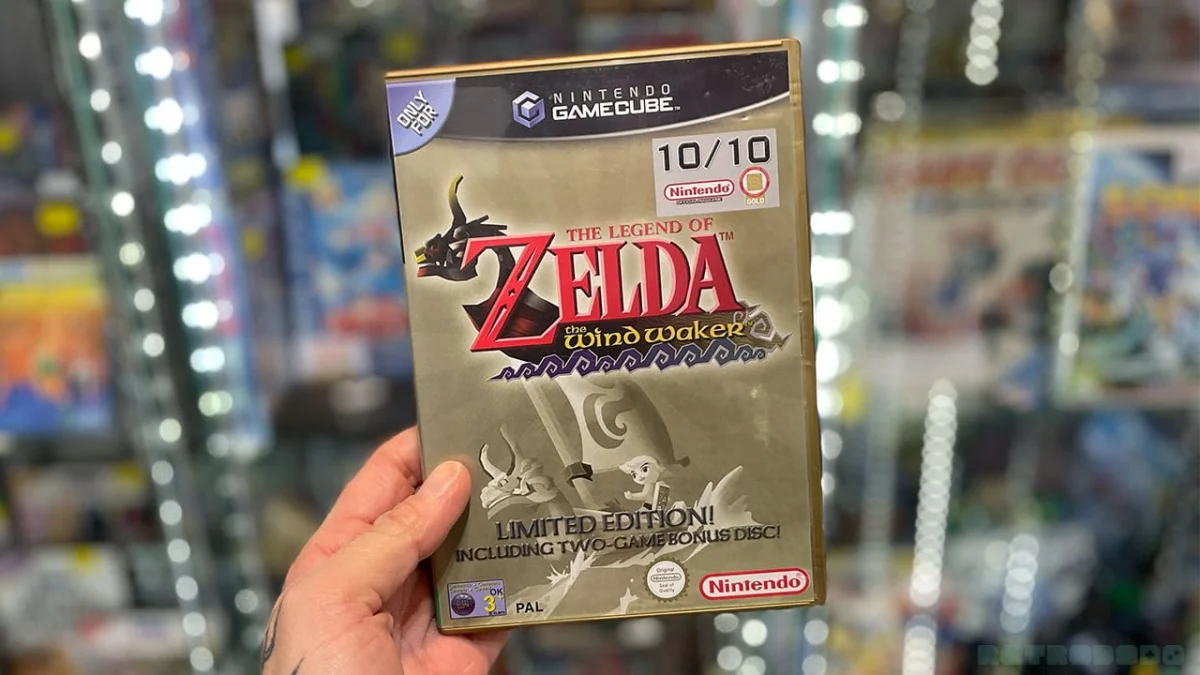
The ongoing efforts to decompile classic video game titles, particularly within beloved franchises like The Legend of Zelda, continue to yield exciting prospects for preservation and enhanced gameplay experiences. Sebastian Santabarbara, writing for Retro Dodo, has reported that the decompilation project for The Legend of Zelda: The Wind Waker has officially surpassed the halfway mark, reaching approximately 60% completion. This significant milestone brings the prospect of unofficial PC ports and advanced quality-of-life improvements for the critically acclaimed 2002 GameCube title closer to reality.
A Deeper Dive into Game Preservation and Decompilation Efforts
The decompilation of The Wind Waker is part of a broader, community-driven movement to reverse-engineer the source code of classic video games. This process involves analyzing the compiled machine code of a game and reconstructing it into a more human-readable format, often C or C++. The primary motivations behind these ambitious projects are multifaceted, centering on the long-term preservation of gaming history, the desire to play games on modern hardware without reliance on original consoles or emulators, and the potential to introduce new features and enhancements that were never possible on the original platforms.
The success of similar decompilation projects for other Zelda titles, such as Ocarina of Time and Majora’s Mask, has set a precedent for what can be achieved. These completed projects have already paved the way for unofficial PC ports, allowing players to experience these timeless adventures on their computers with significantly improved graphical fidelity, higher resolutions, and smoother frame rates. The decompilation of Twilight Princess also being reported as complete further underscores the growing momentum of this trend within the Zelda community.
The Significance of The Wind Waker’s Unique Art Style and Gameplay
The Legend of Zelda: The Wind Waker, released in 2002 for the Nintendo GameCube, is renowned for its distinctive cel-shaded art style, which was a departure from the more realistic aesthetics of its predecessors. This vibrant and stylized visual presentation allowed for expressive character designs and a whimsical, almost storybook-like world. The game’s narrative also focused on Link’s journey across a vast ocean, utilizing a unique sailing mechanic that was central to exploration and puzzle-solving.
Despite its initial mixed reception, largely due to the stylistic shift from Ocarina of Time, The Wind Waker has since garnered widespread critical acclaim and a dedicated fanbase. Its charming world, engaging story, and innovative gameplay elements have cemented its place as a beloved entry in the Zelda series. The prospect of experiencing this unique adventure with modern enhancements, such as higher-resolution textures and potentially improved control schemes, is therefore a highly anticipated development for many fans.
A Chronology of Decompilation Progress
The decompilation process for complex video games is a painstaking and time-consuming endeavor, often undertaken by dedicated teams of programmers and reverse engineers. While the exact start date of The Wind Waker decompilation project is not publicly detailed in the original report, its current 60% completion suggests months, if not years, of diligent work. The fact that Twilight Princess, a more graphically complex and arguably larger game, has already seen full decompilation indicates the varying degrees of difficulty and resource allocation dedicated to each project.
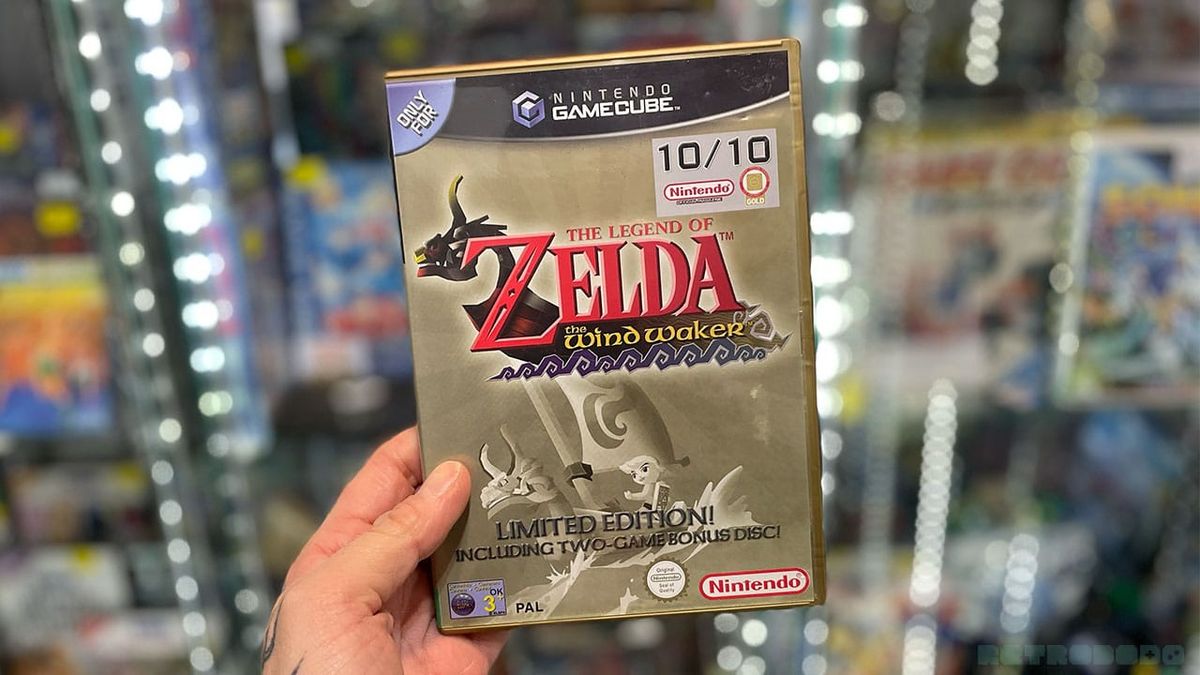
The report highlights the existence of a YouTube video showcasing the progress of The Wind Waker decompilation. This video, from "Video Game Esoterica," provides a visual representation of the project’s advancement and discusses the potential for future enhancements. The inclusion of such media serves as a crucial update mechanism for the community, offering tangible evidence of the progress being made and fostering continued engagement.
Potential Enhancements and Future Possibilities
The decompilation of The Wind Waker opens a Pandora’s Box of possibilities for fan-made modifications and enhancements. The report specifically mentions the existence of HD texture packs that could be integrated into a potential PC port. This would significantly elevate the visual presentation of the game, breathing new life into its iconic environments and characters by rendering them with greater detail and clarity.
Furthermore, the report draws parallels with the work done on Ocarina of Time through projects like "The Ship of Harkinian." This highly successful fan project has demonstrated the transformative potential of decompilation, enabling features such as:
- Alternative Tunic Styles: Allowing players to customize Link’s appearance with various iconic tunics from across the Zelda series.
- In-Game Cheats and Modifiers: Providing players with options to alter gameplay mechanics, such as invincibility or increased item availability.
- New Weaponry: Introducing weapons not originally present in the game, expanding combat options.
- Character Swapping: The intriguing possibility of inserting characters from other franchises, such as Star Fox, into the game world.
Applying these concepts to The Wind Waker could lead to a remarkably versatile and replayable experience. Imagine Link wielding a different set of weapons or exploring the Great Sea with altered character models. The technical groundwork laid by decompilation makes these ambitious modifications achievable, transforming the game into a dynamic platform for creative expression within the Zelda universe.
Community and Technical Resources
The report directs readers to decomp.dev, a central hub for information and progress tracking on various game decompilation projects, including The Wind Waker. Websites like these are vital for fostering collaboration among developers, providing transparency to the community, and serving as a repository for technical documentation and updates. The open nature of these projects allows enthusiasts to follow the development closely, contribute their own skills, or simply stay informed about the future of classic game preservation.
The mention of "Video Game Esoterica" as a source of information underscores the role of content creators in disseminating news and insights about these niche but important technological advancements. Such channels demystify the complex process of decompilation and make the ongoing progress accessible to a wider audience.
Analysis of Implications and Broader Impact
The successful decompilation of The Wind Waker, alongside other Zelda titles, has significant implications for the preservation of video game history. As original hardware ages and becomes increasingly scarce, and as official channels for re-releases may not always cover every title or offer desired enhancements, community-driven decompilation projects serve as a crucial safeguard. They ensure that these cultural artifacts remain accessible and playable for future generations, irrespective of the longevity of the original platforms or the commercial strategies of game publishers.

From a player’s perspective, the potential for PC ports and extensive modding capabilities offers an unparalleled level of engagement with beloved games. It allows for personalized experiences that cater to individual preferences, whether that involves enhancing graphics, altering gameplay difficulty, or simply experiencing the game in a new and unexpected way. This level of player agency is a hallmark of modern gaming culture and is being actively fostered by the decompilation movement.
The continued progress in Zelda decompilations also implicitly highlights the enduring popularity and artistic merit of Nintendo’s flagship series. The dedication of developers and the enthusiasm of players underscore the cultural significance of these games, prompting discussions about how such titles are best archived and made available for posterity.
While these projects are community-led and do not involve official Nintendo endorsement, they operate in a complex legal and ethical landscape. The primary focus remains on preservation and enhancement, often without commercial intent, which generally garners a degree of leniency. However, the eventual possibility of commercialization, even through unofficial means, remains a point of discussion within the gaming community.
Looking Ahead: The Future of The Wind Waker and Beyond
With The Wind Waker‘s decompilation at 60%, the community can anticipate further updates as the project progresses towards completion. The integration of HD textures and the exploration of modding possibilities, inspired by projects like "The Ship of Harkinian," suggest a future where The Wind Waker can be experienced with a level of visual fidelity and customizability that surpasses its original release.
The success of these Zelda decompilation efforts also serves as an encouraging sign for other classic game franchises. As the tools and techniques for reverse engineering become more sophisticated and widely understood, we may see similar projects emerge for other cherished titles, further enriching the landscape of retro gaming and ensuring that the legacy of these games continues to thrive. The journey to fully decompile The Wind Waker is a testament to the passion, ingenuity, and collaborative spirit of the gaming community, dedicated to preserving and enhancing the experiences that have shaped popular culture.