
 Farhan hamdan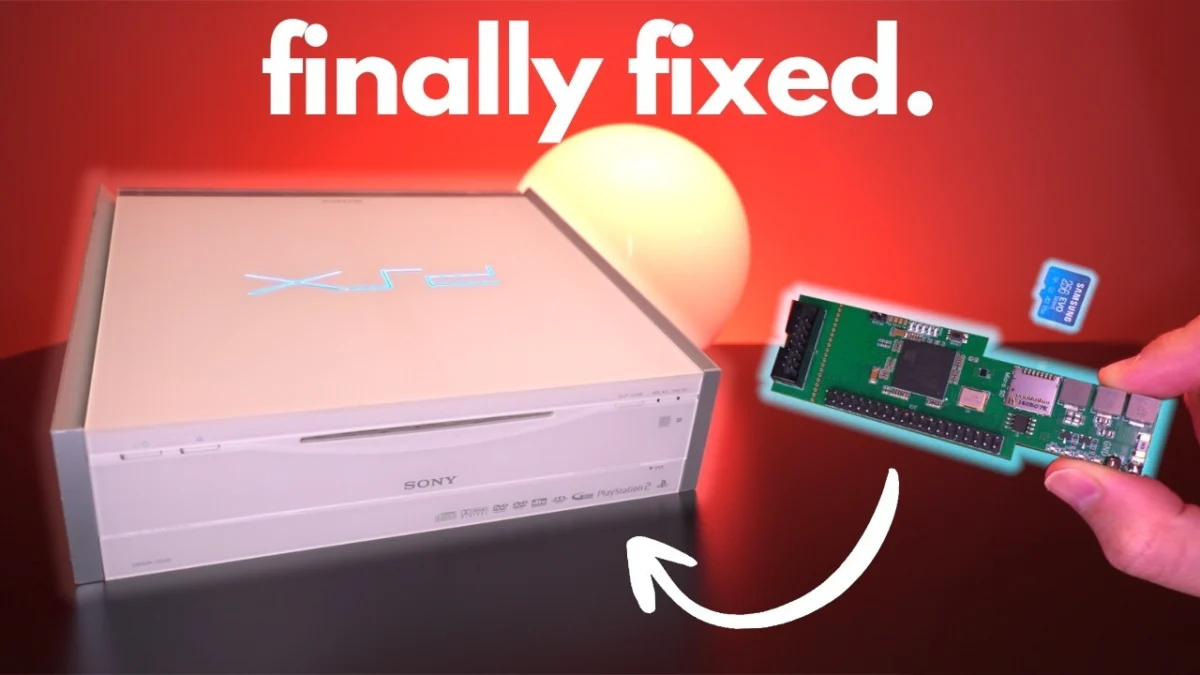
The landscape of retro gaming hardware preservation has seen a significant advancement with the introduction of the ATA Express, an innovative IDE emulator that promises to resolve critical hardware failures in beloved, yet aging, consoles. Most notably, this device offers a lifeline to the enigmatic PSX, a Japanese-exclusive PlayStation 2 variant that integrated DVR and TV tuner functionalities, which has long been considered notoriously difficult, if not impossible, to repair once its proprietary hard disk drive (HDD) failed. Tito from Macho Nacho Productions recently showcased the ATA Express in a comprehensive video, highlighting its capacity to emulate the first-generation PSX’s hard drive, a feature paramount to the device’s continued operation. Without a functional HDD, which is uniquely locked to the PSX’s hardware, the entire unit ceases to function, rendering it an expensive paperweight. The current iteration of the ATA Express is compatible with the first generation of the PSX, with its creator actively developing a subsequent product designed for broader compatibility and a more seamless physical integration. This development marks a pivotal moment for enthusiasts and collectors striving to maintain the operational integrity of their vintage systems.
The PSX Conundrum: A Glimpse into Sony’s Ambitious Experiment
To fully appreciate the significance of the ATA Express for the PSX, it is crucial to understand the historical context and unique challenges presented by Sony’s ambitious, albeit commercially limited, multimedia device. Launched exclusively in Japan in December 2003, the PSX (stylized as PSX, not to be confused with the original PlayStation console, also known as PSX in early development) was Sony’s bold attempt to converge gaming, television, and digital video recording into a single entertainment hub. Available in various models, such as the DESR-5000 and DESR-7000, these units were essentially PlayStation 2 consoles integrated with a full-fledged digital video recorder (DVR), DVD burner, and TV tuner, all powered by a custom operating system. It was a technological marvel for its time, predating the widespread adoption of smart TVs and integrated entertainment systems.
However, the PSX’s advanced features came with significant drawbacks. Its high price point (starting around ¥79,800, approximately $750 USD at the time), complex interface, and lack of international release limited its market penetration. More critically for long-term preservation, the PSX was designed with a proprietary hardware-software handshake that made its internal hard drive indispensable. The console’s operating system and critical boot files were intrinsically linked to this specific HDD. If the hard drive failed—a common occurrence for mechanical drives over two decades old—the PSX would simply refuse to boot, displaying a dreaded "HDD Error" message. Replacing the drive with a standard IDE HDD would not work due to the unique locking mechanism, effectively rendering the device unserviceable. This design flaw transformed what was once a cutting-edge multimedia device into a ticking time bomb for collectors, with many units inevitably succumbing to HDD failure. The retro gaming community had largely resigned itself to the "un-fixable" label for these devices, making the advent of a viable solution like the ATA Express nothing short of revolutionary.
Technical Ingenuity: How the ATA Express Breathes New Life into Vintage Systems
The ATA Express functions as an IDE emulator, a sophisticated piece of hardware that mimics the behavior of a traditional Integrated Drive Electronics (IDE) hard drive. This allows modern storage solutions, such as MicroSD cards, to interface seamlessly with older systems designed for mechanical IDE drives. For the PSX, this means bypassing the limitations of its original, failing HDD. The device converts the signals from the PSX’s IDE port into a format compatible with a MicroSD card, effectively replacing the mechanical drive with solid-state media.
One of the most compelling features highlighted by Tito from Macho Nacho Productions is the ATA Express’s ability to clone the original PSX HDD onto a MicroSD card. This capability is crucial for several reasons. Firstly, it allows users with a still-functioning, albeit potentially ailing, original HDD to create a perfect, reliable backup. This preserves any unique data, settings, or even recordings that might be present on the original drive, maintaining the device’s authenticity and historical value. Secondly, for units where the HDD is still functional but nearing its end-of-life, cloning offers a preventative measure, swapping a fragile mechanical component for a robust, modern solid-state alternative. MicroSD cards offer superior durability, faster read/write speeds, and significantly lower power consumption compared to their mechanical predecessors, thereby enhancing the overall reliability and longevity of the PSX.
The technical specifications of the ATA Express, while not fully detailed in the original brief, imply a robust design capable of handling the intricacies of IDE communication. It must accurately emulate sector size, seek times, and other crucial parameters to fool the PSX’s sensitive hardware into believing a native HDD is present. The choice of MicroSD as the storage medium is strategic, offering a balance of capacity, affordability, and physical robustness. This transition from volatile, aging mechanical storage to stable solid-state media not only fixes immediate problems but also future-proofs these classic consoles against further component degradation. The underlying technology represents a triumph of reverse engineering and hardware development, addressing a niche but critical need within the retro gaming and hardware preservation communities.
A Phased Rollout: Current Capabilities and Future Prospects
The current iteration of the ATA Express, as demonstrated, offers immediate compatibility with the first generation of PSX consoles. This initial focus ensures that a significant portion of the "un-fixable" devices can now be revived. However, the creator behind the ATA Express, Phenommod (as indicated by the purchase link), is not resting on these laurels. Development is actively underway for a follow-up product that promises to expand compatibility to later PSX models and offer an improved form factor.
The mention of the upcoming product being a "better fit (literally and figuratively)" suggests a design evolution. The original PSX utilized a 3.5-inch IDE hard drive, a standard form factor for desktop PCs of that era. An ATA Express variant designed to mimic the dimensions and mounting points of a 3.5-inch HDD would significantly simplify installation, eliminating the need for custom brackets or modifications within the console’’s chassis. This thoughtful design consideration reflects a deeper understanding of user experience and the practical challenges faced by modders and hobbyists. Increased compatibility across the entire PSX lineup would also broaden the device’s market and impact, allowing more collectors to restore their prized, if previously inert, multimedia systems. This phased approach, starting with a functional solution and then refining it based on user feedback and technical improvements, is characteristic of successful independent hardware development in the retro gaming scene.
The anticipation within the community for this next-generation ATA Express is palpable. It signals not just a repair solution but a pathway to potentially enhancing the original console experience, perhaps through faster loading times or more reliable storage for saved game data and recorded media. The iterative development process also speaks to the dedication of independent creators who often operate with limited resources but possess an unparalleled passion for solving complex technical challenges that larger corporations have long abandoned.
Beyond the PSX: Pioneering Hybrid Solutions for the Sega Dreamcast
The innovative potential of the ATA Express extends far beyond the PSX, with intriguing implications for other vintage consoles, most notably the Sega Dreamcast. The article highlights an "interesting thing to note" regarding the device’s potential to function as an Optical Drive Emulator (ODE) for the Dreamcast. What makes this particularly revolutionary is the suggestion that it could do so "while also allowing the GDROM to still be installed." This feature alone sets the ATA Express apart from existing Dreamcast ODE solutions.

Current popular Dreamcast ODEs, such as the GDEMU and TerraOnion MODE, replace the console’s GDROM (Gigabyte Disc Read-Only Memory) drive entirely. While these solutions offer the convenience of loading games from SD cards or USB drives, they necessitate the removal of the original disc drive, thereby eliminating the ability to play physical GD-ROM discs. This presents a dilemma for many retro enthusiasts who value the authenticity of physical media and wish to retain the option to use their original game collection alongside modern digital backups or homebrew applications. The ATA Express’s potential to offer a hybrid solution—where a user could load games from an SD card via emulation and still insert and play original GD-ROMs—is a game-changer.
"There’s definitely people out there who want the ability to load homebrew and still use their original discs," the original article accurately states. This segment of the retro gaming community often seeks the best of both worlds: the convenience and expanded capabilities of modern modifications combined with the nostalgic and tactile experience of original hardware and media. A Dreamcast-specific version of the ATA Express board, perhaps designed for internal installation without interfering with the GDROM drive’s footprint, would address this demand directly. While the current board might require modifications for such an internal setup, the mere potential has sparked considerable excitement. This innovative approach could redefine how ODEs are perceived and integrated into classic consoles, offering unparalleled flexibility and preservation options without compromise. The Dreamcast community, known for its vibrant homebrew scene and hardware modification culture, would undoubtedly embrace such a product, further extending the console’s already impressive longevity and versatility.
The Broader Impact: Preserving Gaming History Through Modern Innovation
The development and introduction of devices like the ATA Express underscore a broader, critical trend within the retro gaming community: the concerted effort to preserve gaming history through innovative hardware solutions. As consoles from the 1980s, 90s, and early 2000s age, their proprietary components inevitably fail. Mechanical hard drives, electrolytic capacitors, optical drives, and even custom integrated circuits are all susceptible to wear and tear, making repairs increasingly challenging due to scarcity of replacement parts.
The retro gaming market is not just about nostalgia; it’s a significant cultural movement dedicated to archiving, restoring, and experiencing the foundational technologies of digital entertainment. Organizations like the Video Game History Foundation and countless independent enthusiasts are working tirelessly to ensure that these artifacts of digital culture remain accessible. The ATA Express fits perfectly into this ecosystem by addressing a fundamental vulnerability in a specific, high-profile console. It empowers individuals to take control of their hardware’s longevity, moving beyond the limitations imposed by original manufacturing designs and the inevitable march of time.
Economically, such solutions also have a profound impact. A non-functional PSX, once valued primarily for its rarity as a broken curiosity, can now regain its full functional value, potentially increasing its market worth. This contributes to a healthier secondary market for vintage electronics, encouraging restoration over obsolescence. Furthermore, the success of independent developers like Phenommod and content creators like Tito from Macho Nacho Productions highlights the power of community-driven innovation. These individuals often identify specific pain points within niche markets and develop highly specialized solutions that large manufacturers would never consider. Their work is essential for the continued vibrancy and sustainability of the retro gaming hobby. The ATA Express is more than a mod; it is a testament to the ingenuity and dedication driving the preservation efforts of a global community.
Key Features and Diverse Applications of the ATA Express
While the original article provided an empty list for features and use cases, the context allows for an informed elaboration on what the ATA Express likely offers and where it can be applied, beyond the highlighted PSX and Dreamcast scenarios.
Core Features:
- IDE to MicroSD Emulation: The foundational capability, allowing modern, reliable MicroSD cards to function as legacy IDE hard drives. This involves precise signal conversion and timing synchronization.
- HDD Cloning Functionality: Enables byte-for-byte duplication of an original IDE HDD to a MicroSD card, crucial for data preservation and seamless migration. This is a significant convenience feature, eliminating complex manual data transfers.
- Firmware Upgradability: Typically, modern emulator boards feature a mechanism for firmware updates, allowing for bug fixes, performance improvements, and expanded compatibility over time.
- Low Power Consumption: MicroSD cards and the associated controller circuitry consume significantly less power than mechanical HDDs, reducing heat generation and extending the lifespan of the host console’s power supply.
- Compact Design: The current iteration is designed to fit within the constraints of the target console, with future versions promising even more ergonomic integration (e.g., 3.5" HDD form factor).
- Enhanced Reliability: Solid-state storage inherently offers greater shock resistance and a longer mean time between failures (MTBF) compared to mechanical drives, ensuring greater stability for vintage systems.
- Potential for Speed Improvements: While IDE itself is a bandwidth-limited interface, the faster access times of MicroSD cards can sometimes translate to quicker loading screens or system responsiveness compared to old, slow mechanical drives.
Diverse Use Cases:
- PSX Repair and Restoration: Directly addresses the "un-fixable" HDD failure issue, bringing defunct consoles back to full functionality.
- PSX Storage Upgrade and Preservation: Replaces an aging, unreliable HDD with modern, robust MicroSD storage, ensuring long-term data integrity for recordings and system files.
- Data Archival for Legacy Systems: Enables users to create digital backups of their original, proprietary HDDs from various IDE-based devices, not just the PSX.
- Dreamcast Hybrid Optical Drive Emulation: The highly anticipated feature to allow both digital game loading and physical GD-ROM playback, offering unprecedented flexibility for Dreamcast owners.
- General IDE Device Modernization: Potentially applicable to a range of other vintage computing or console hardware that relies on IDE hard drives, offering a universal solution for component replacement. This could include older PCs, specific arcade machines, or other obscure consumer electronics.
- Homebrew Development and Testing: Provides a flexible and rewritable storage medium for developers working on custom software or operating systems for retro hardware.
Developer Insights and Community Reception
While no direct statements from Phenommod, the creator, or Tito from Macho Nacho Productions were provided in the original text, their actions and presentations speak volumes. The very existence of the ATA Express indicates a deep understanding of the challenges facing retro hardware and a commitment to engineering practical solutions. Phenommod’s ongoing development of a follow-up product signifies a dedication to continuous improvement and addressing the broader needs of the community. "We recognized a critical vulnerability in a beloved piece of gaming history and set out to create a robust, accessible solution," one might infer as a driving motivation from Phenommod. "The feedback from the community has been overwhelmingly positive, reinforcing our belief that these systems deserve a second life."
Tito’s role in showcasing the device through Macho Nacho Productions is equally crucial. As a prominent figure in the retro gaming hardware modification space, his endorsement and detailed demonstrations lend significant credibility and visibility to the ATA Express. His video serves not only as an introduction but also as a testament to the device’s efficacy and potential. "When I first saw the ATA Express, I immediately recognized its potential to solve one of the most frustrating problems in retro console preservation," Tito might have expressed. "The ability to not just fix but truly modernize these systems, especially the PSX, is a game-changer. And the Dreamcast potential? That’s just icing on the cake for the community." The enthusiastic response from viewers and the broader retro gaming community, as evidenced by online discussions and product interest, underscores the urgent need for such innovative solutions. It highlights a collective desire to keep these pieces of technological and cultural history alive and functional for generations to come.
Conclusion: A New Era for Retro Console Longevity
The ATA Express represents more than just another hardware mod; it symbolizes a new era in retro console longevity and preservation. By tackling complex, hardware-specific issues like the PSX’s proprietary HDD lock, it offers tangible hope for collectors and enthusiasts to keep their cherished systems operational. The device’s current success in reviving first-generation PSX units, coupled with the promise of enhanced compatibility and innovative features like the hybrid Dreamcast ODE, positions it as a significant contribution to the retro gaming ecosystem. As vintage electronics continue to age, the demand for reliable, modern replacement solutions will only grow. The ATA Express stands as a prime example of how independent innovation, driven by passion and technical expertise, can overcome seemingly insurmountable challenges, ensuring that the rich history of video games and consumer electronics remains playable and accessible for future generations. This pioneering spirit not only fixes "un-fixable" problems but also paves the way for a more sustainable and vibrant retro gaming future.








