
 Hartono Sudibyo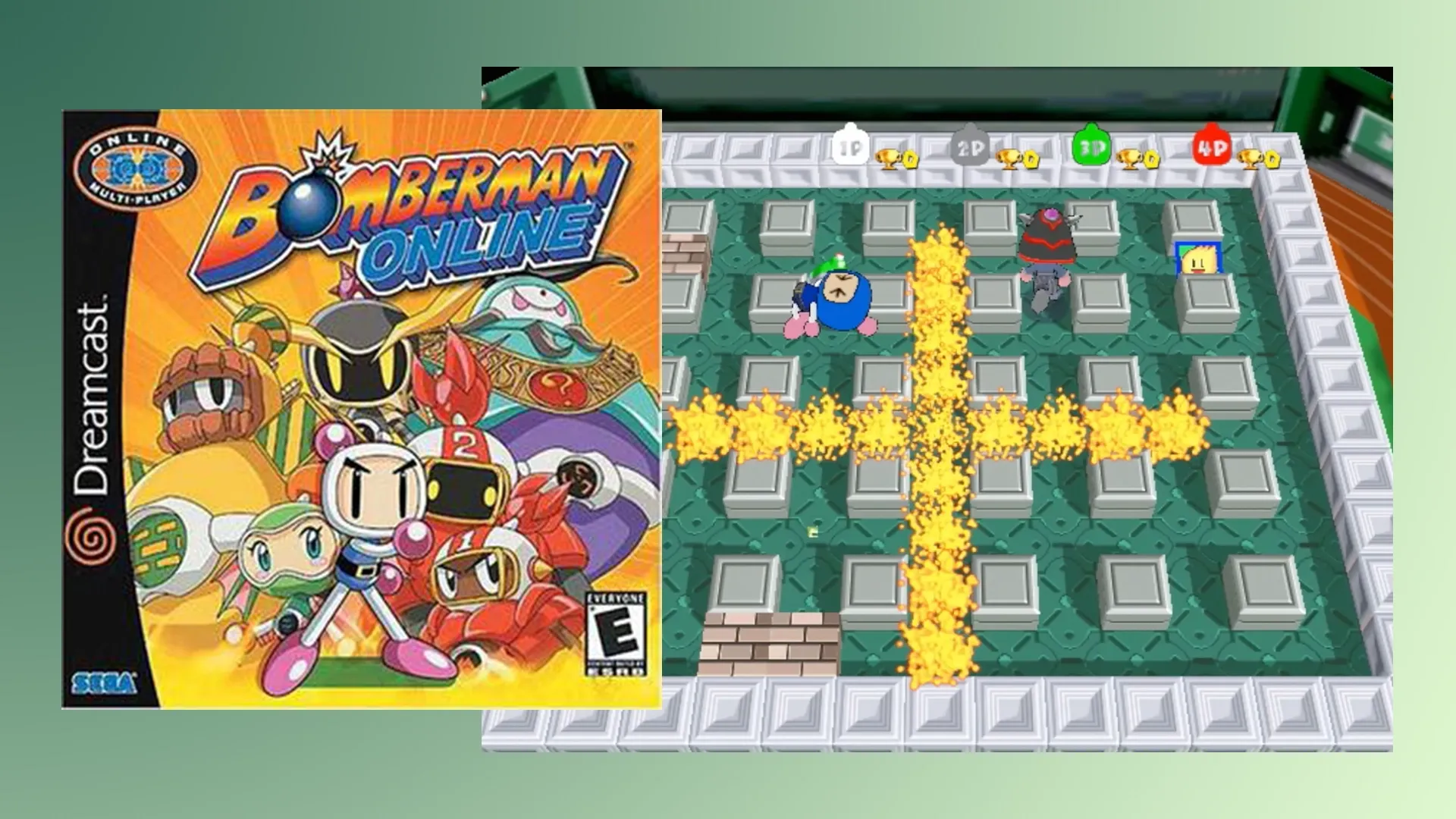
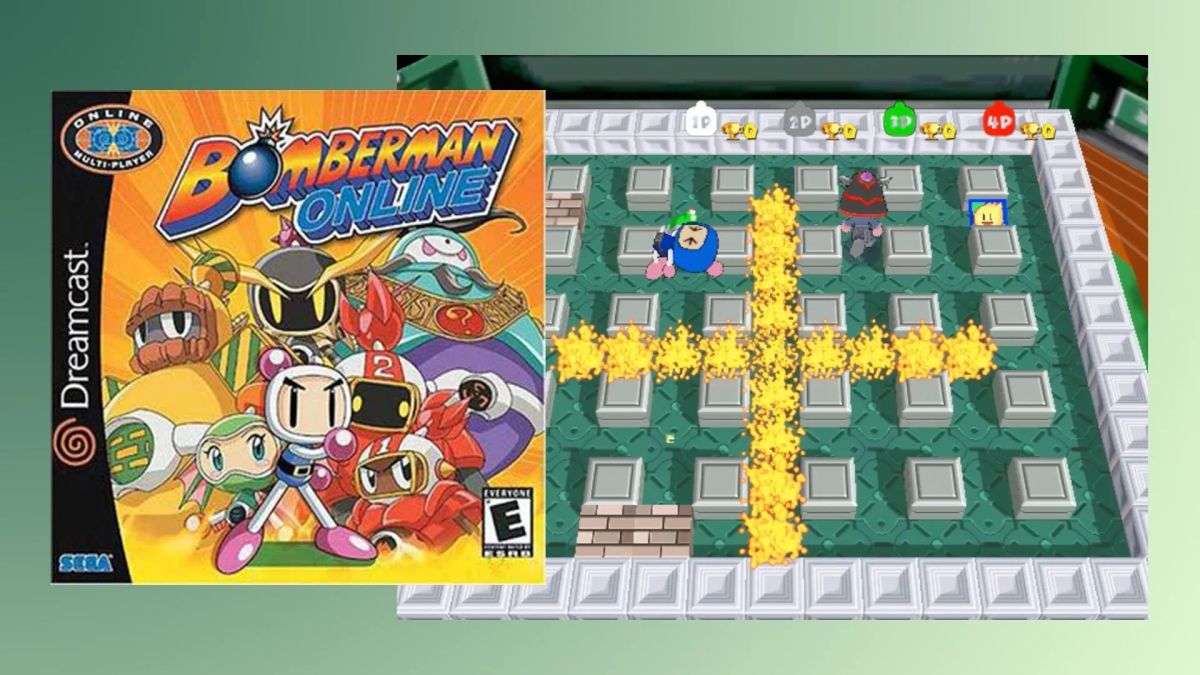
The iconic multiplayer puzzle game, Bomberman Online, originally released for the Sega Dreamcast, has been successfully revived and is once again accessible to players worldwide. This remarkable achievement marks the return of online functionality for the beloved title after a hiatus of 23 years, a testament to the enduring passion and technical prowess of the retro gaming community. The revival effort, spearheaded by dedicated individuals flyinghead and Farkus, has meticulously reconstructed the game’s online infrastructure, allowing enthusiasts to once again engage in the frantic, explosive battles that defined the Dreamcast online experience for many.
A Legacy Reawakened: The Enduring Appeal of Bomberman Online
Bomberman Online, a standout title in the Dreamcast’s library, offered a compelling multiplayer experience that leveraged the console’s nascent online capabilities. Players, up to eight simultaneously, were tasked with strategically detonating bombs to clear labyrinthine maps, cornering opponents, and securing victory within a strict two-minute time limit in its survival mode. The game’s accessible yet deep gameplay, coupled with the thrill of competing against players across the globe, cemented its status as a cherished gem among Dreamcast owners, particularly those who invested in the Broadband Adapter for enhanced online connectivity.
The original development of Bomberman Online saw a significant undertaking to bring the familiar Bomberman formula to an online arena. This involved complex server architecture and network code to handle the fast-paced, real-time interactions required for a smooth multiplayer experience. The game’s success was intrinsically linked to the Dreamcast’s ability to connect to the internet, a feature that, while ahead of its time for consoles, faced challenges in widespread adoption due to the cost and technical hurdles of early broadband internet services and specialized hardware like the Broadband Adapter.
The arduous journey of Revival: From Conception to Completion
The path to resurrecting Bomberman Online’s online functionality was not a straightforward one. The project was initially initiated by Shuoma, who laid some of the foundational work. However, critical components and technical hurdles prevented its completion. Recognizing the potential and the community’s desire for this revival, flyinghead and Farkus took over the project, dedicating several years to painstakingly reverse-engineer, rebuild, and stabilize the necessary network code and server infrastructure.
The technical challenges involved in reviving a 23-year-old online game are substantial. This includes understanding and re-implementing proprietary network protocols, overcoming potential compatibility issues with modern internet infrastructure, and ensuring a stable and secure environment for players. The success of flyinghead and Farkus is a testament to their deep understanding of the Dreamcast’s architecture and their perseverance in overcoming these complex technical obstacles. Their work represents a significant contribution to the preservation of gaming history and the expansion of playable retro titles.
Bridging the Gap: Connecting the Dreamcast to the Modern Internet
A crucial aspect of Bomberman Online’s revival is ensuring players can connect their Dreamcast consoles to the resurrected servers. The Dreamcast Live team has developed comprehensive and user-friendly connection guides to assist newcomers in this process. While the most direct route involves acquiring an original Dreamcast Broadband Adapter, which can be a significant investment due to its rarity, the guides also outline more accessible and cost-effective alternatives.
These alternative methods primarily leverage the Dreamcast’s built-in dial-up modem. The most popular and recommended approach involves using software called DreamPi. DreamPi can be run on a Raspberry Pi or a PC via a virtual machine, effectively simulating a dial-up connection. This solution is lauded for its affordability, ease of setup, and widespread adoption within the Dreamcast community, making it the preferred method for many seeking to relive past glories online. For those with access to a landline, utilizing a real dial-up service is also a viable, albeit less common, option. The DreamPi setup, in particular, involves a pre-configured PC-Dreamcast server that simplifies the connection process, making it a highly attractive proposition for both technical novices and seasoned retro enthusiasts.
A Flourishing Community: Dreamcast’s Enduring Spirit
The resurrection of Bomberman Online is not an isolated event but rather a vibrant demonstration of the Dreamcast community’s ongoing dedication and innovation. This revival follows closely on the heels of another exciting community-driven project, the announcement of the "Dreamcast Jr," a custom-designed, miniaturized Dreamcast console developed by a talented modder named Wesk Mods. These concurrent developments underscore a thriving ecosystem of creators and players committed to keeping the Dreamcast’s legacy alive and accessible.
The Dreamcast, despite its relatively short lifespan in the console market, has cultivated an exceptionally passionate and active fanbase. This community consistently engages in hardware modifications, software development, and the preservation of its unique gaming library. The ability to bring back a fully functional online game like Bomberman Online after more than two decades speaks volumes about the collective expertise and collaborative spirit that defines this dedicated group of retro gaming aficionados. The success of such projects often relies on shared knowledge, open-source contributions, and a mutual desire to experience classic games in their intended multiplayer formats.

The Impact of Online Revival: Preserving and Expanding Playability
The re-establishment of online servers for Bomberman Online has several significant implications. Firstly, it ensures that a piece of gaming history, which would have otherwise become inaccessible due to the shutdown of original servers, is preserved for future generations. This act of digital archaeology allows new players to experience the game as it was originally intended, fostering a deeper appreciation for the evolution of online gaming.
Secondly, it revitalizes a classic multiplayer experience, offering a unique social and competitive outlet for Dreamcast owners. In an era dominated by modern online gaming, the opportunity to engage with a retro title provides a distinct and often nostalgic gaming experience. The community’s ability to overcome the technical hurdles of internet connectivity and server emulation demonstrates the potential for similar revivals of other online-enabled retro games, further expanding the playable library of vintage consoles.
Furthermore, these community-driven initiatives highlight the limitations of relying solely on official server support for the longevity of online games. The proactive efforts of individuals and groups like Dreamcast Live serve as a model for how the gaming community can take ownership of preserving its digital heritage. The success of projects like Bomberman Online’s revival not only brings back a beloved game but also inspires further innovation and dedication within the retro gaming sphere. The technical ingenuity and collaborative spirit displayed by flyinghead, Farkus, and the broader Dreamcast community are invaluable in ensuring that these cherished gaming experiences continue to be enjoyed, understood, and celebrated.








