Retno Hari Mulyono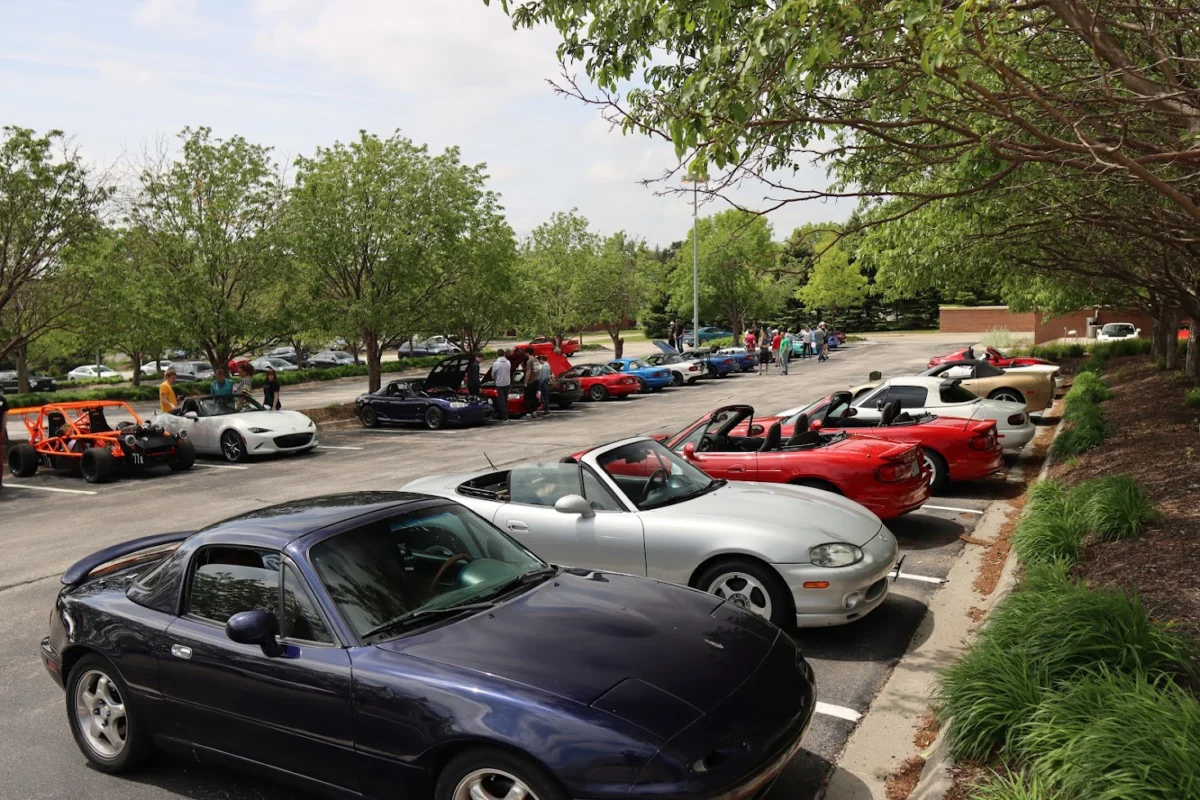
The acquisition and subsequent year-long development of a 2000 Mazda MX-5, commonly referred to as the NB Miata, represents a significant case study in the preservation and performance optimization of modern classic roadsters. Beginning in March 2021, the project vehicle underwent a systematic transformation from a standard, high-mileage commuter into a track-ready enthusiast machine. This retrospective documents the mechanical, aesthetic, and competitive milestones achieved during the first twelve months of ownership, providing a detailed look at the costs, labor, and community engagement associated with the platform.
Phase I: Acquisition and Baseline Mechanical Stabilization
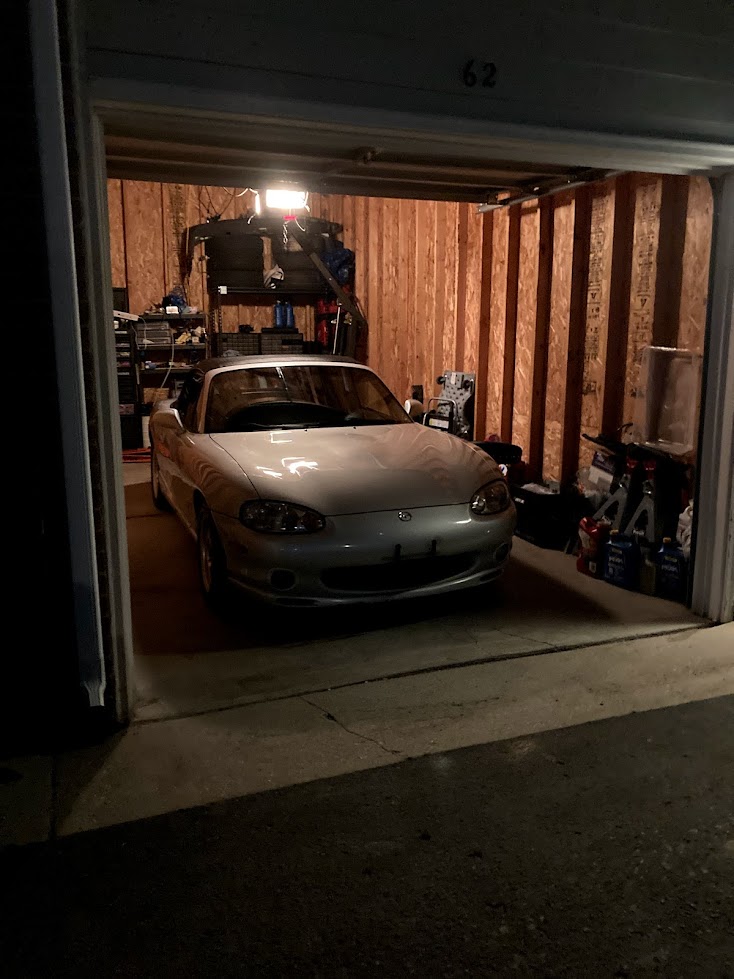
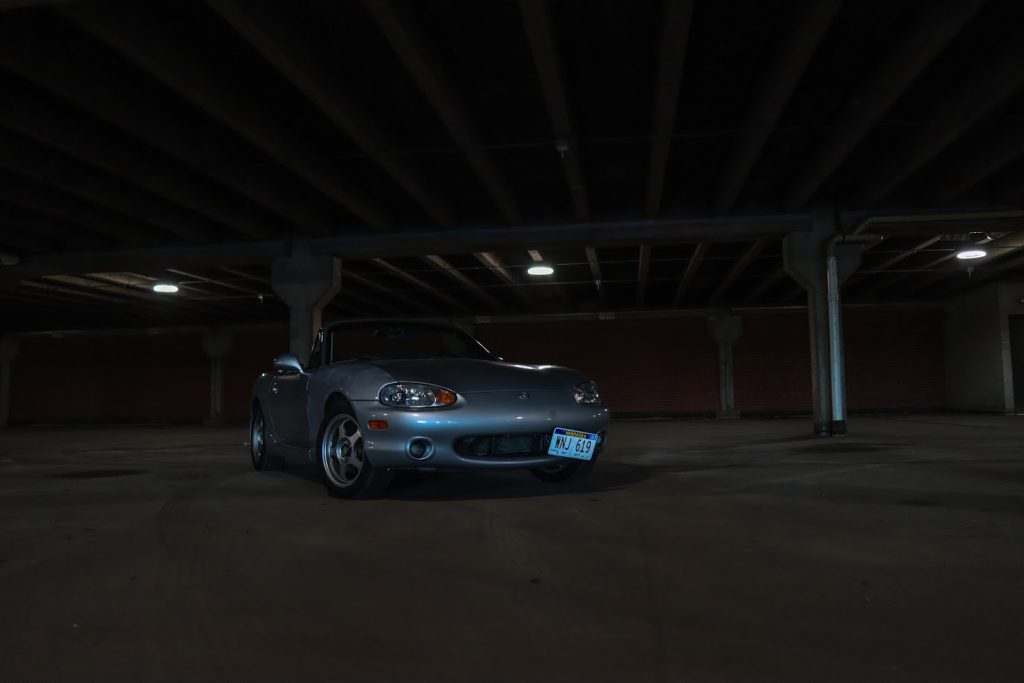
The project commenced on March 19, 2021, with the purchase of a silver 2000 Mazda Miata. The second-generation (NB) Miata is distinguished from its predecessor, the NA, by its fixed headlamps, more aerodynamic bodywork, and increased chassis rigidity. The 2000 model year features the BP4W engine, a 1.8-liter inline-four powerplant known for its reliability and non-interference design. This mechanical trait ensures that in the event of a timing belt failure, the pistons and valves will not occupy the same space, preventing catastrophic engine damage.
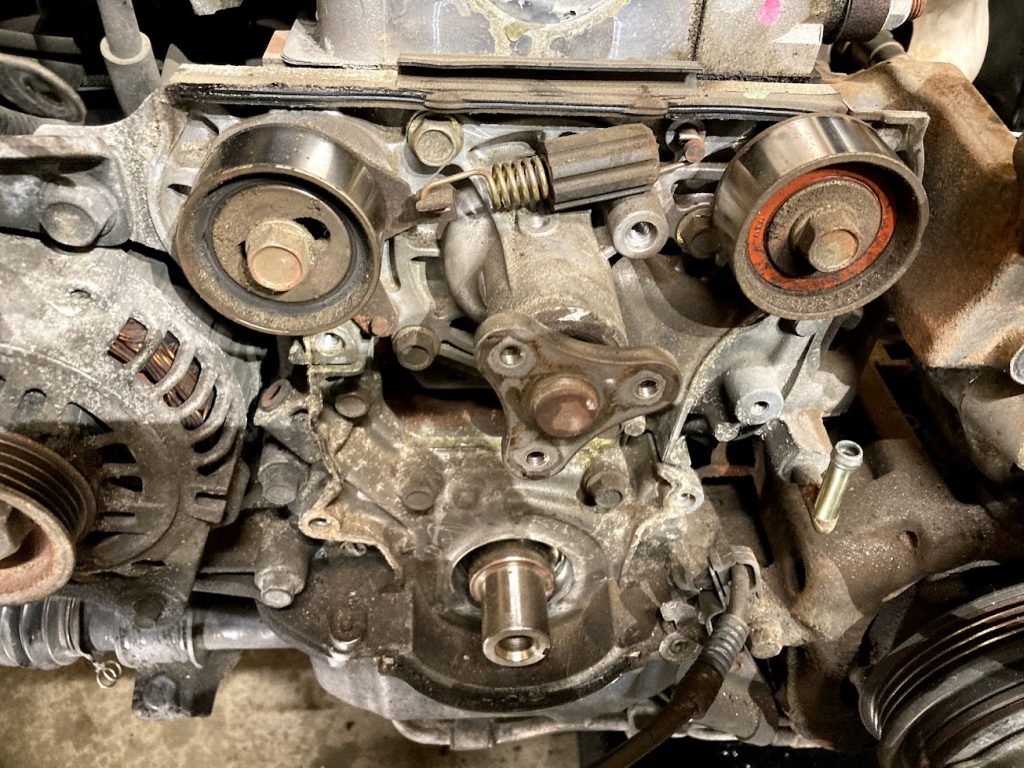
Upon acquisition, the vehicle lacked a documented maintenance history, a common challenge in the secondary market for twenty-year-old sports cars. The primary objective for April 2021 was the establishment of a "known good" baseline. This involved a comprehensive teardown of the engine’s front-end components. Maintenance included the replacement of the timing belt, water pump, and associated seals. Industry data suggests that the NB Miata, while robust, requires these preventative measures every 60,000 to 100,000 miles to ensure operational reliability during high-stress scenarios, such as track days or autocross competitions.
Phase II: Performance Exhaust Systems and Community Integration
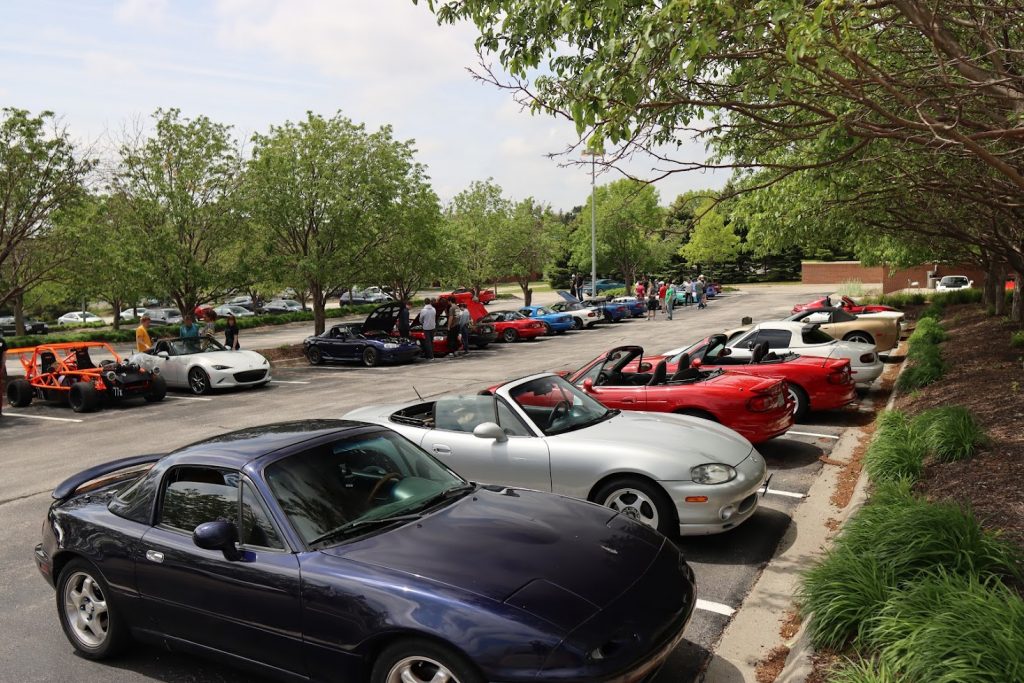
By May 2021, the project shifted toward community involvement and mild performance modifications. The local Miata enthusiast scene serves as a critical resource for technical knowledge and parts sourcing. Participation in regional car meets revealed a diverse range of builds, from stock restorations to V8-swapped Exocet kit cars, highlighting the Miata’s reputation as a "Lego set" for automotive hobbyists.
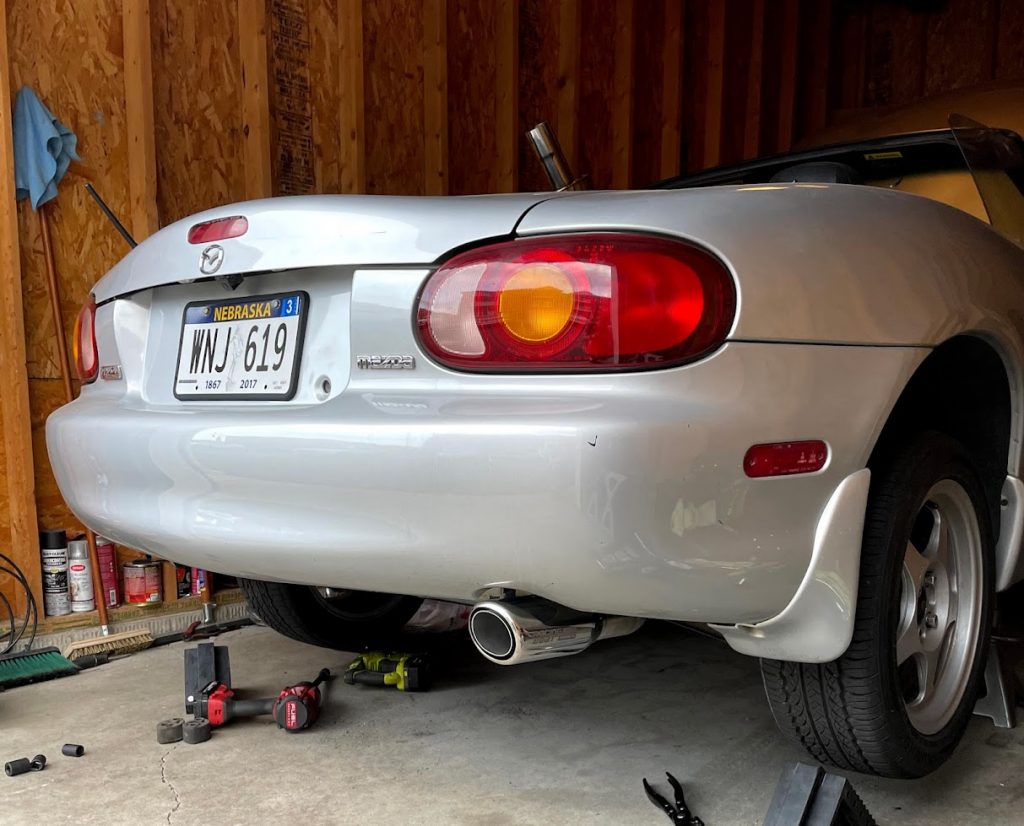
In June, mechanical work focused on the exhaust tract. The factory system, burdened by two decades of heat cycles and rust, was replaced to improve both the auditory profile and exhaust scavenging efficiency. The installation included a Raceland header, a Cobalt midpipe, and a Racing Beat Power Pulse muffler. While these modifications provide a modest increase in horsepower—typically in the range of 3 to 7 horsepower depending on tuning—their primary benefit is weight reduction and improved throttle response. However, the installation also illustrated the complexities of emission control systems; the initial failure to reconnect the Exhaust Gas Recirculation (EGR) pipe resulted in persistent diagnostic trouble codes (DTCs), necessitating further technical intervention to maintain street legality.
Phase III: Aesthetic Transformation and the "Yellow" Rebrand
July and August 2021 were dedicated to the vehicle’s visual identity. The original silver paint, while serviceable, exhibited the typical wear of a twenty-year-old vehicle, including a dented front fender. Rather than pursuing a traditional respray, which can cost significantly more than the vehicle’s market value, the decision was made to apply a vinyl wrap.
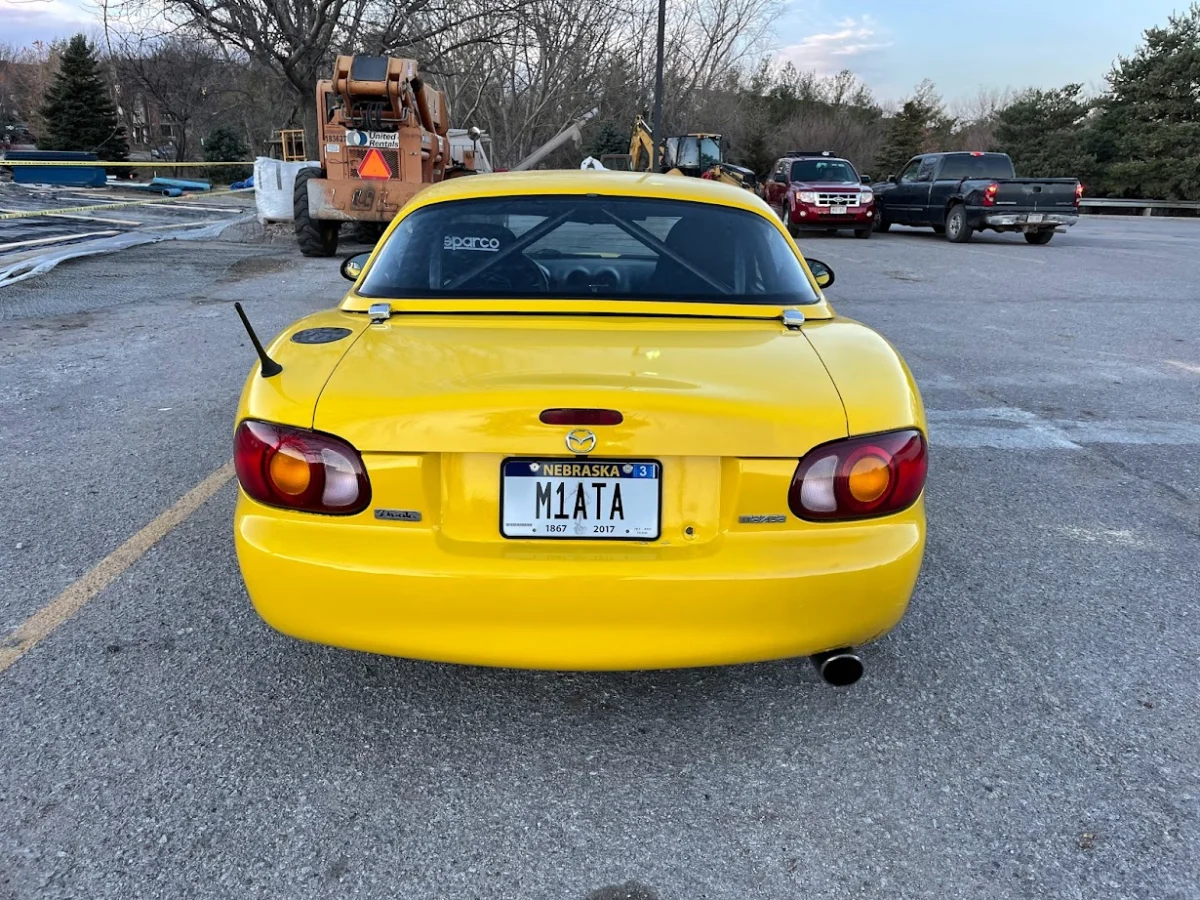
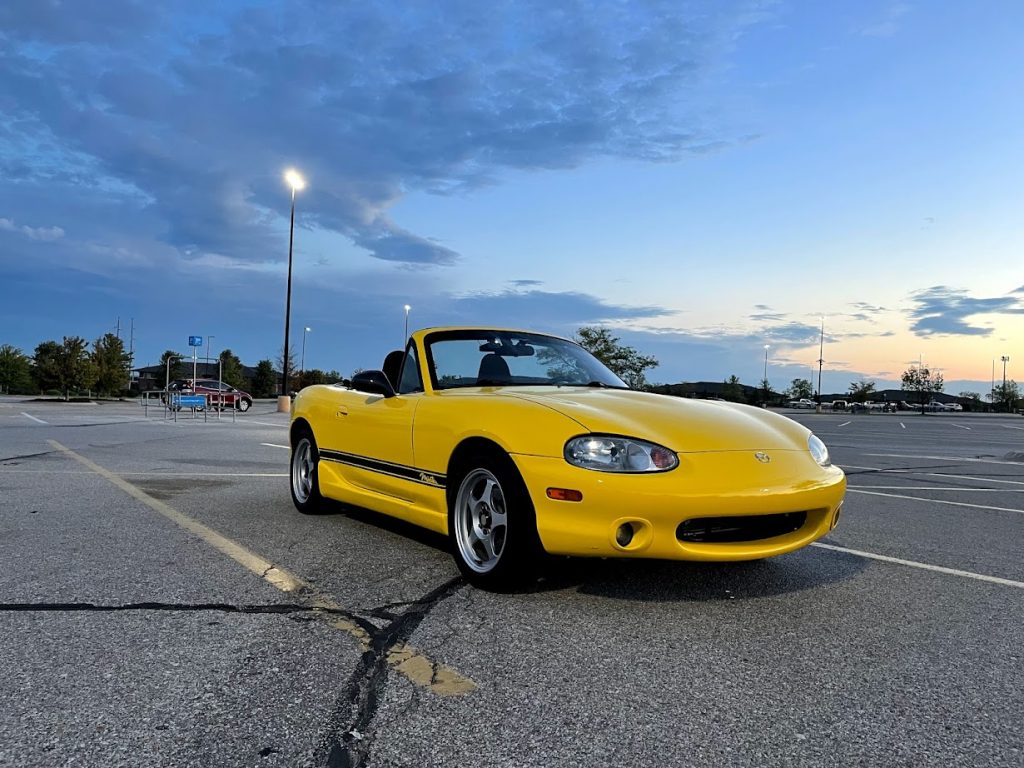
A replacement fender was sourced and "rattle-can" painted to provide a smooth substrate for the vinyl. The chosen color, a vibrant yellow, was applied across the entire body. Vinyl wrapping has become a dominant trend in the enthusiast community, offering a reversible method to protect the underlying paint while allowing for personalized aesthetics. By August, the transformation was complete, signaling the vehicle’s transition from a generic used car to a recognizable project build.
Phase IV: Competitive Testing and Driver Development
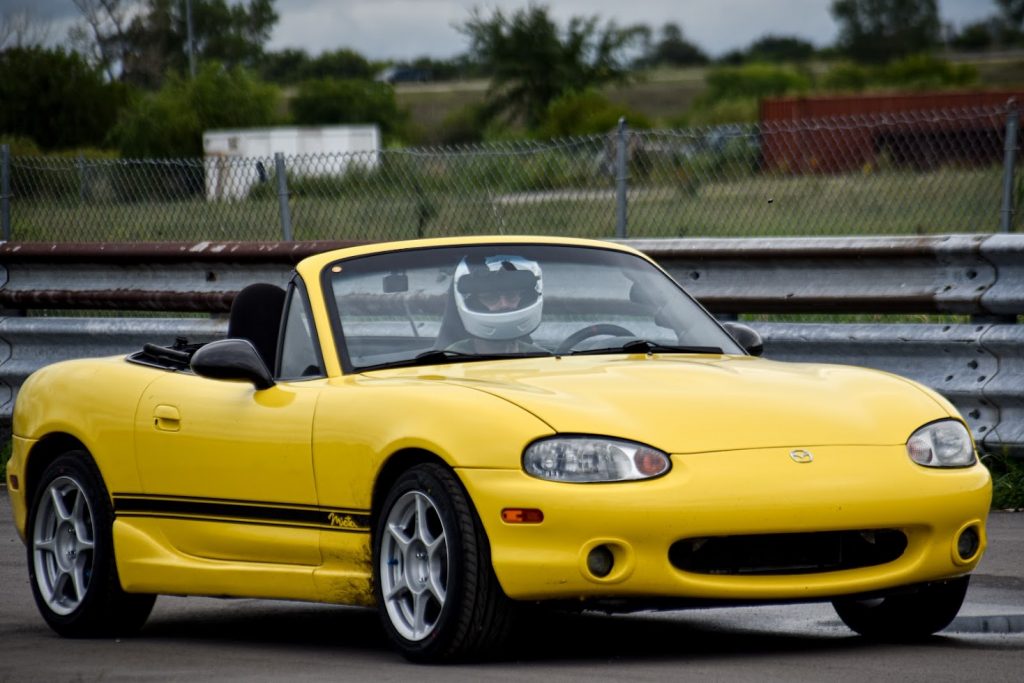
The autumn months of 2021 marked the vehicle’s entry into competitive motorsports. In September, the Miata was tested at Raceway Park of the Midlands. Track days are essential for assessing the cooling capacity and braking endurance of a vehicle under sustained high-load conditions. The lightweight nature of the NB Miata—approximately 2,300 pounds—allows it to maintain competitive lap times despite its modest 140-horsepower output, primarily through superior cornering speeds.
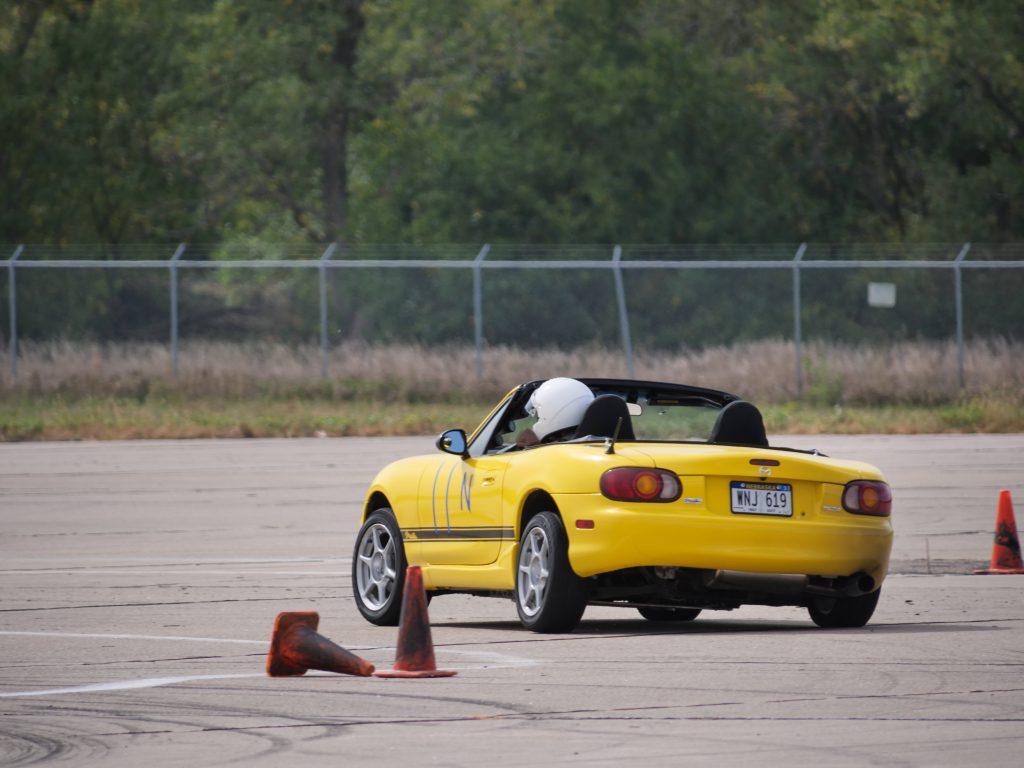
October saw the vehicle transition to autocross, a precision driving discipline held in large paved areas using pylons to define a course. Autocross emphasizes car control and transition handling. These events provided critical data on the car’s suspension geometry and tire grip levels. The Miata’s short wheelbase and 50/50 weight distribution make it a perennial favorite in SCCA (Sports Car Club of America) Solo competitions, often outperforming much more powerful vehicles in tight, technical sections.
Phase V: Winter Preservation and Suspension Overhaul
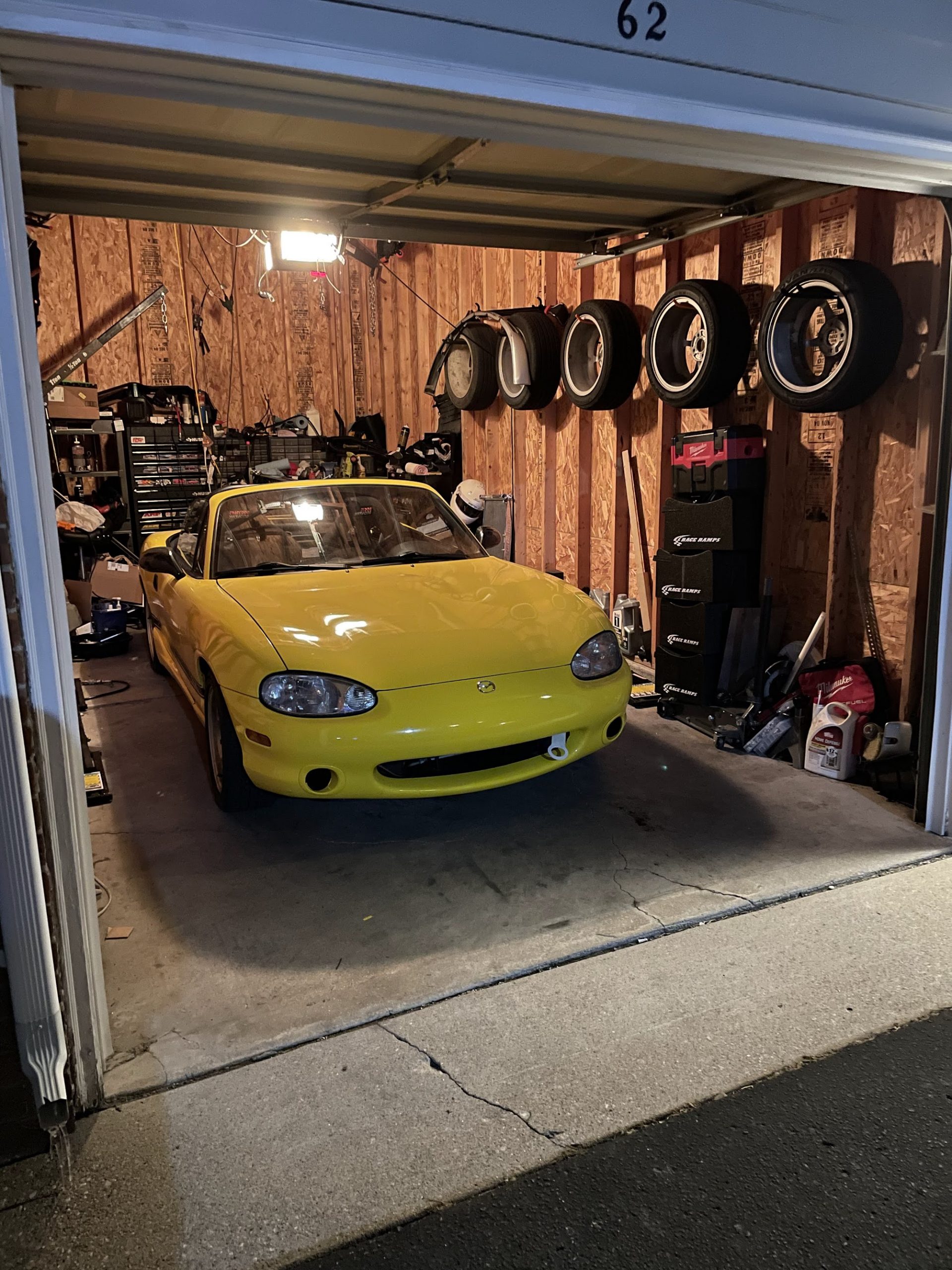
As temperatures dropped in Nebraska, the threat of road salt necessitated a change in operational strategy. NB Miatas are notoriously susceptible to "rocker rust" and front frame rail corrosion due to their multi-layered steel construction. To preserve the chassis, the vehicle was largely withdrawn from daily use during the winter months.
November saw the installation of a factory hardtop. This accessory is highly coveted in the Miata community, often selling for $2,000 to $3,000 on the used market. The hardtop provides increased chassis rigidity and improved thermal insulation, essential for late-season driving. In December, the vehicle underwent a significant suspension overhaul. Upgraded components were installed to lower the center of gravity and stiffen the roll rate, preparing the car for the 2022 racing season. This period also saw the addition of "M1ATA" vanity plates, finalizing the vehicle’s branding.
Phase VI: Advanced Mechanical Intervention and Safety Systems
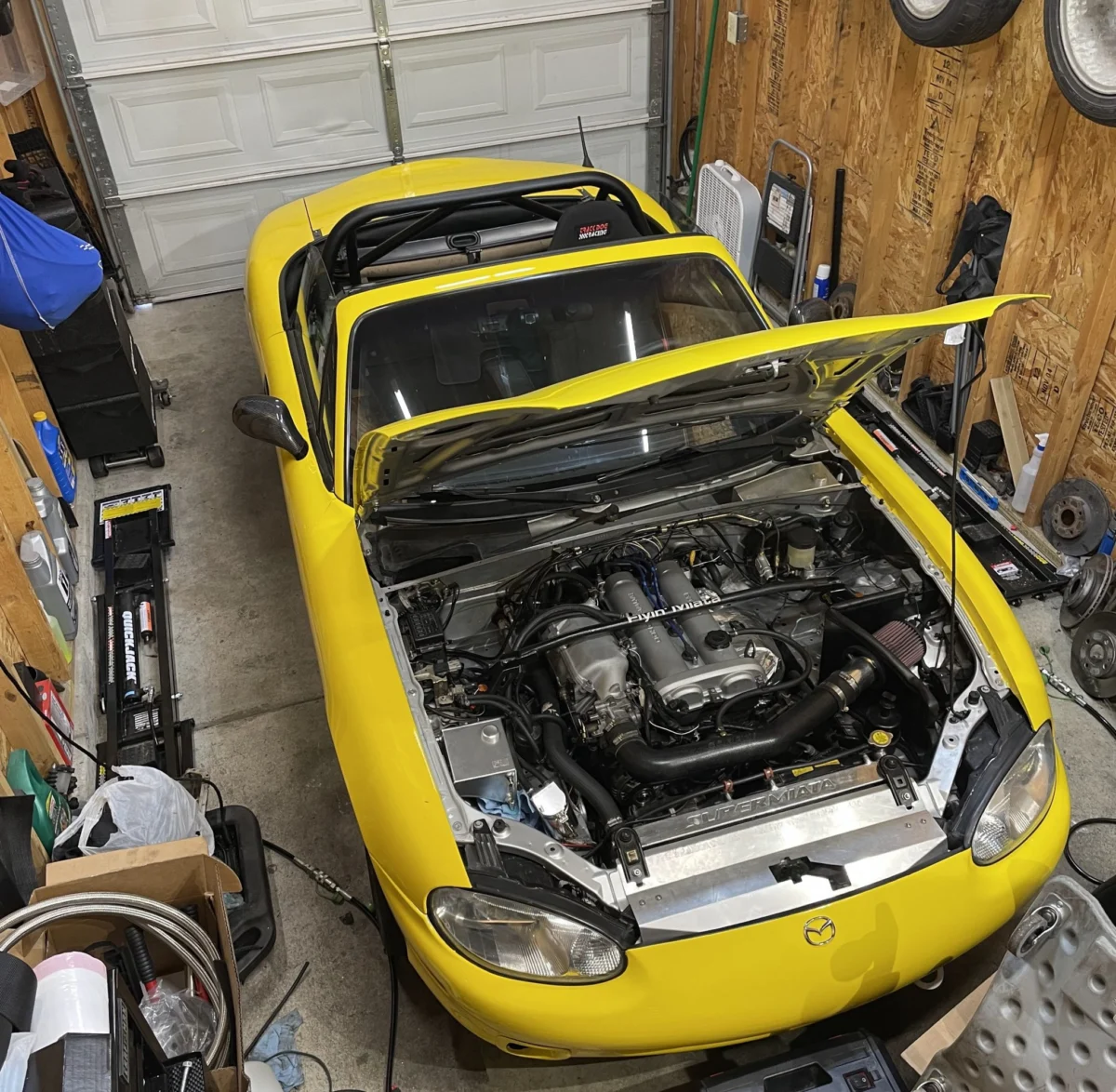
January 2022 represented the most labor-intensive period of the year. To address several lingering issues, the engine was removed from the chassis. This "engine-out" service allowed for the replacement of the rear main seal, the repair of a stripped oil drain plug, and the installation of a coolant reroute kit.
The coolant reroute is a critical modification for the 1.8L BP engine. In the factory configuration, the coolant enters and exits from the front of the block, often leaving the fourth cylinder (at the rear) to run hotter than the others. By rerouting the flow to exit from the back of the head, thermal consistency is improved across all cylinders, reducing the risk of head gasket failure during track use.
By February, the focus shifted to safety and ergonomics. The factory seats, designed for comfort rather than lateral support, were replaced with Track Dog Racing UltraShield Rally Sport seats. Complementary safety gear included:
- 6-point racing harnesses.
- A securely mounted fire extinguisher.
- A HANS (Head and Neck Support) device for the driver.
- A DIY alignment to optimize the "camber, caster, and toe" settings for performance driving.
These upgrades were necessitated by the "broomstick test," a safety requirement for convertibles where a straightedge placed from the roll bar to the windshield frame must clear the driver’s helmet.
Broader Impact and Market Analysis
The first year of this NB Miata project mirrors a broader trend in the automotive market: the rise of the "Modern Classic." As modern vehicles become increasingly insulated and technologically complex, enthusiasts are turning to platforms like the MX-5 for a "raw" driving experience.
Data from automotive valuation services indicates that the prices for clean NB Miatas have risen steadily since 2020, with well-maintained examples seeing a 15-25% increase in market value. The Miata remains one of the most accessible entry points into motorsports, supported by a massive aftermarket industry and a global network of owners.
Conclusion
The twelve-month journey of this 2000 Mazda Miata demonstrates the multifaceted nature of car ownership. It is a process that balances mechanical necessity with personal expression and competitive ambition. From the initial timing belt change in March 2021 to the engine-out service and safety upgrades of early 2022, the project has transitioned through every major phase of automotive restoration. As the vehicle enters its second year, it stands as a testament to the enduring appeal of the lightweight roadster and the dedication required to maintain such a platform in peak operational condition. The project continues to serve as a baseline for further performance testing and documentation in the enthusiast community.