Cecilia Chamidah Nur
The highly anticipated Kickstarter campaign for the Nintendo 64 (N64) edition of the acclaimed arcade-inspired platformer, Donut Dodo, is officially live, inviting retro gaming enthusiasts and modern indie fans alike to back its ambitious physical and digital release. Launched yesterday, the campaign offers a spectrum of pledge tiers, ranging from a digital edition priced at €10 to physical cartridge versions beginning at €60, marking a significant step in developer Pixel Games SARL-S’s mission to bring its hit title to a wider array of platforms, particularly classic consoles. This N64 iteration is not merely a direct port but an extensively rebuilt and enhanced version, meticulously crafted to offer bonus features that differentiate it from its existing console counterparts and entice a dedicated fanbase.
The Genesis of a Retro Vision: From Modern Engine to Classic Hardware
The journey to Donut Dodo on the N64 is rooted in a strategic decision made by Sebastian Kostka, the visionary behind Pixel Games SARL-S. As early as 2024, Kostka teased the development of a brand-new game engine, designed with a core philosophy: to facilitate seamless porting of his titles across a diverse ecosystem of gaming systems, both contemporary and vintage. This innovative approach laid the groundwork for the ambitious retro releases now coming to fruition.
The initial revelation regarding the N64 and Sega Dreamcast ports emerged on January 16, 2026, via an announcement on Twitter/X by Pixel Games SARL-S. This news came amidst the studio’s active development of Donut Dodo Fantastico, the eagerly awaited sequel to the original game, and a port for Xbox Series X|S. The announcement sparked considerable excitement within the retro gaming community, underscoring a growing trend of independent developers venturing into the challenging yet rewarding territory of classic console development. Kostka’s post confirmed that the N64 version was already complete, with the Dreamcast port slated as the next priority, signaling a robust commitment to these legacy platforms.
In an exclusive interview conducted in January, Kostka elaborated on the technical underpinnings of this endeavor. He explained that while the original Donut Dodo was developed using the Godot game engine, Fantastico prompted him to build a proprietary engine. This move was driven by a desire for "full control over what systems to target going forward, both new and old." As a critical "case study" for this new engine, Kostka undertook the monumental task of deconstructing and rebuilding the original Donut Dodo from scratch. This comprehensive overhaul allowed him to address "dozens of little details that had been bugging me," leading to re-balanced gameplay, improved navigation, re-sampled sounds, and reviewed sprites. While these changes are "subtle" and largely "transparent for most players," they collectively contribute to a polished and refined experience that optimizes the game for its new hardware environment.
Kickstarter Campaign Details and Exclusive Features
The live Kickstarter campaign now provides the concrete details for enthusiasts to participate in the N64 revival. The tiered backing system is designed to cater to various levels of engagement and investment. The entry-level digital edition at €10 offers immediate access to the game ROM, a crucial offering for those with flash carts or emulation setups. For collectors and purists, the physical cartridge versions, starting at €60, represent a premium offering, reflecting the inherent costs and complexities associated with manufacturing N64 game cartridges in the modern era.
As promised by Kostka, the N64 edition is not a mere emulation but a bespoke creation packed with exclusive bonus features. These enhancements are specifically designed to leverage the N64’s unique characteristics while enriching the core Donut Dodo experience. Key additions include:
- Endless Delights (Marathon Mode): A brand-new mode offering infinite replayability, challenging players to achieve high scores in a continuous, escalating gameplay loop. This mode taps into the classic arcade ethos of endurance and skill.
- Offline Achievements: A system of in-game accolades that provides additional objectives and rewards for players, fostering deeper engagement and replay value without requiring an internet connection. This is a clever nod to modern gaming while remaining true to the N64’s offline nature.
- Perfect Run Bonus: An incentive for flawless gameplay, rewarding players for completing levels or stages without errors, appealing to speedrunners and perfectionists.
- Enhanced Attract Mode with Auto-Play Demo: A sophisticated attract mode that not only showcases the game’s vibrant visuals and challenging gameplay but also features new music composed by Sean Bialo, the original Donut Dodo composer. This provides an authentic arcade cabinet feel, reminiscent of the demo loops seen on classic machines.
These features collectively aim to make the N64 version a definitive edition for retro hardware, justifying the effort of its rebuild and the investment from backers. The Kickstarter platform serves a dual purpose: not only to secure funding but also to accurately gauge demand for the relatively expensive N64 cartridge production, ensuring that Pixel Games SARL-S can produce an appropriate number of units.
Donut Dodo’s Enduring Appeal and Multi-Platform Presence
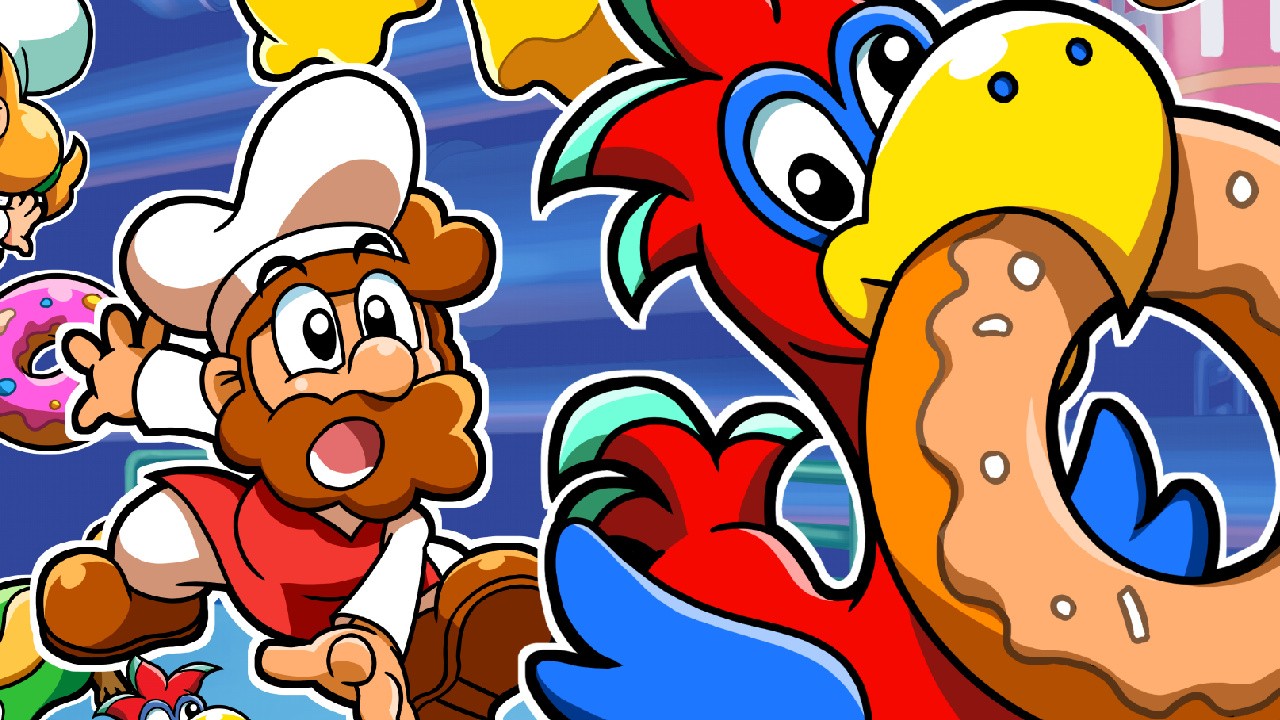
Donut Dodo has carved out a significant niche since its initial release, earning critical acclaim as a "popular arcade-inspired platformer" and even being lauded as "one of the best arcade platformers of recent years." Its charm lies in its vibrant pixel art, tight controls, and challenging gameplay that pays homage to golden-age arcade classics like Donkey Kong, BurgerTime, and Pac-Man. The game’s simple yet addictive mechanics, combined with its distinct retro aesthetic, resonate strongly with players seeking nostalgic experiences and those appreciating expertly crafted indie titles.
Prior to this N64 venture, Donut Dodo has demonstrated remarkable versatility across a broad spectrum of platforms. It is currently available on PC (via Steam and GOG), iiRcade, Atari VCS, Nintendo Switch, Evercade, and exA-Arcadia (as the expanded Donut Dodo Do). This extensive multi-platform availability highlights Pixel Games SARL-S’s commitment to accessibility and reaching diverse player bases, from traditional PC gamers to dedicated retro hardware enthusiasts. The addition of N64 and Dreamcast ports further solidifies this strategy, extending the game’s reach into the specialized domain of classic console collectors and homebrew communities.
Navigating the Retro Landscape: A Growing Market
The decision to port Donut Dodo to the N64 and Dreamcast is indicative of a burgeoning trend within the gaming industry: the revitalization of retro hardware through new software releases. The retro gaming market has witnessed significant growth in recent years, driven by a powerful combination of nostalgia, the desire for tangible physical media, and a deep appreciation for the unique characteristics of older consoles. The Nintendo 64, in particular, holds a cherished place in gaming history. Launched in 1996, it was a pioneer of 3D gaming, boasting iconic titles like Super Mario 64, The Legend of Zelda: Ocarina of Time, and GoldenEye 007. Its distinctive controller, cartridge format, and unique technical architecture continue to fascinate developers and players alike.
Developing for the N64 presents considerable challenges. Its fixed hardware, limited memory, and specific programming paradigms require a profound understanding of its architecture and often demand bespoke engine development, as demonstrated by Kostka. However, the reward is access to a passionate and dedicated community eager for new content on their beloved systems. Platforms like Kickstarter have become indispensable tools for indie developers targeting such niche markets. They provide a direct channel to gauge interest, secure pre-orders, and fund the often-expensive production of physical media like N64 cartridges, which involve specialized manufacturing processes and materials. This model empowers creators to bypass traditional publishing gatekeepers and directly engage with their audience, fostering a symbiotic relationship between developer and community.
Developer Insights and Future Ambitions
Sebastian Kostka’s approach to Donut Dodo‘s multi-platform expansion reflects a clear long-term vision for Pixel Games SARL-S. His commitment to developing a custom engine specifically for multi-system compatibility underscores a strategic intent to maintain creative and technical autonomy. This engine will not only facilitate ports for consoles like the Dreamcast and potentially the Mega Drive but also streamline the development of future titles, both new and old, for a wide range of hardware. Kostka has already teased that "some of his other games (both new and old) could also get similar releases," hinting at a broader retro-focused strategy for the studio.
The meticulous rebuilding of Donut Dodo for the N64, rather than a simpler porting process, speaks volumes about Kostka’s dedication to quality and his respect for the target hardware. His focus on "addressing dozens of little details," "re-balancing gameplay," and "reviewing sprites" illustrates a developer deeply invested in optimizing the player experience for each specific platform, ensuring that the N64 version feels native and authentic. This level of craftsmanship is highly valued within the retro gaming community, which often prioritizes authenticity and thoughtful adaptation over quick, unoptimized ports.
Broader Implications for Indie Gaming and Preservation
The Donut Dodo N64 Kickstarter campaign carries significant implications for the broader indie gaming landscape and the retro gaming preservation movement. Should it achieve robust success, it will serve as a compelling case study for other independent developers considering similar ventures. It demonstrates the financial viability and community demand for "new old games" on classic consoles, potentially inspiring a wave of new homebrew and commercial releases for legacy systems. This trend blurs the lines between modern indie development and retro gaming preservation, proving that classic hardware can continue to host vibrant new content decades after its initial launch.
For the N64 and Dreamcast communities, these new releases offer more than just additional games; they represent a renewed sense of vitality for their cherished systems. Expanding the libraries of these consoles with high-quality, modern-yet-retro titles injects new life into hardware that might otherwise be relegated to playing existing classics. This initiative also underscores the enduring cultural relevance of these platforms and the passionate communities that continue to support them. Pixel Games SARL-S, through Kostka’s vision, is positioning itself as a pioneer in this exciting intersection of indie development and retro gaming, solidifying its reputation as a studio deeply committed to honoring gaming’s past while innovating for its future. The "soon-ish" release of ROMs on itch.io, followed by physical versions through the studio’s website, promises to make Donut Dodo accessible to a broad audience of retro enthusiasts.