Vera Clarissa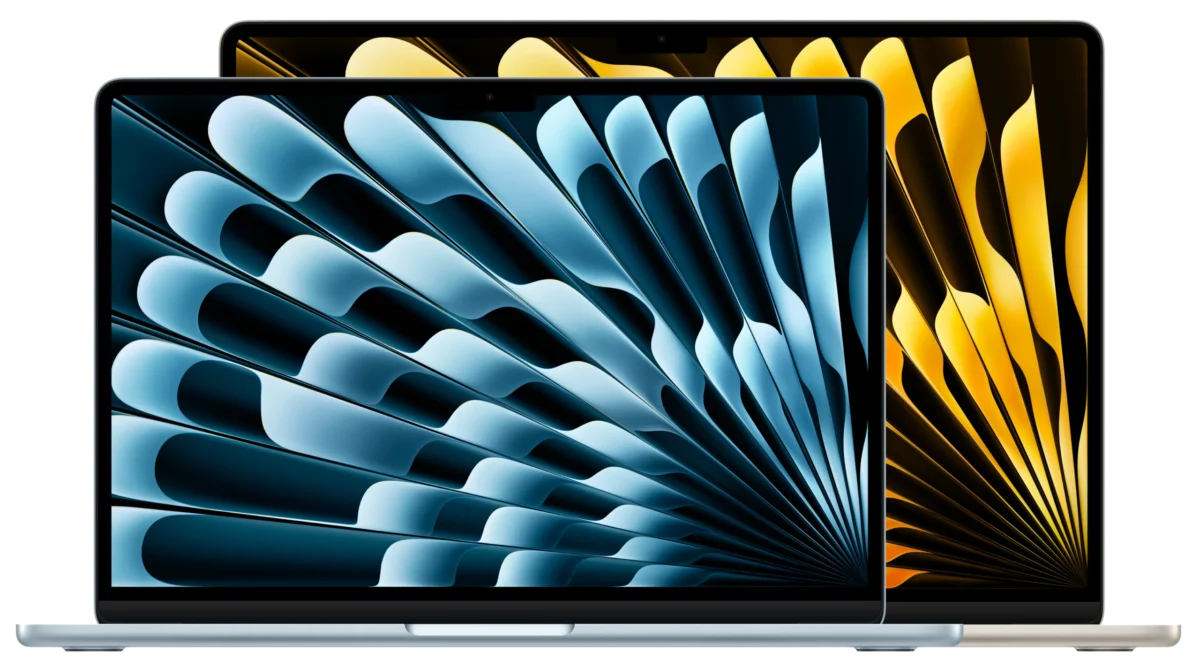
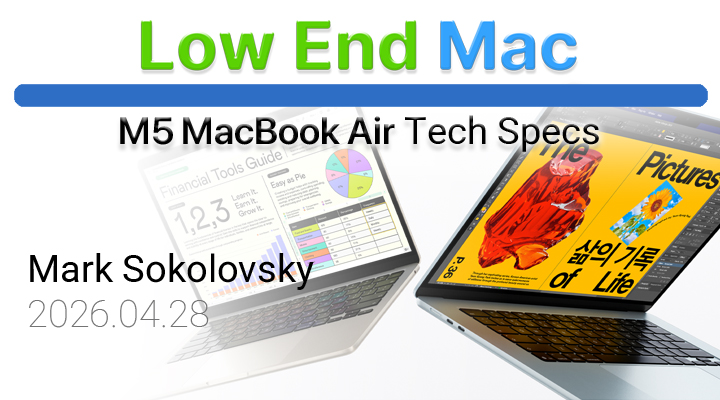
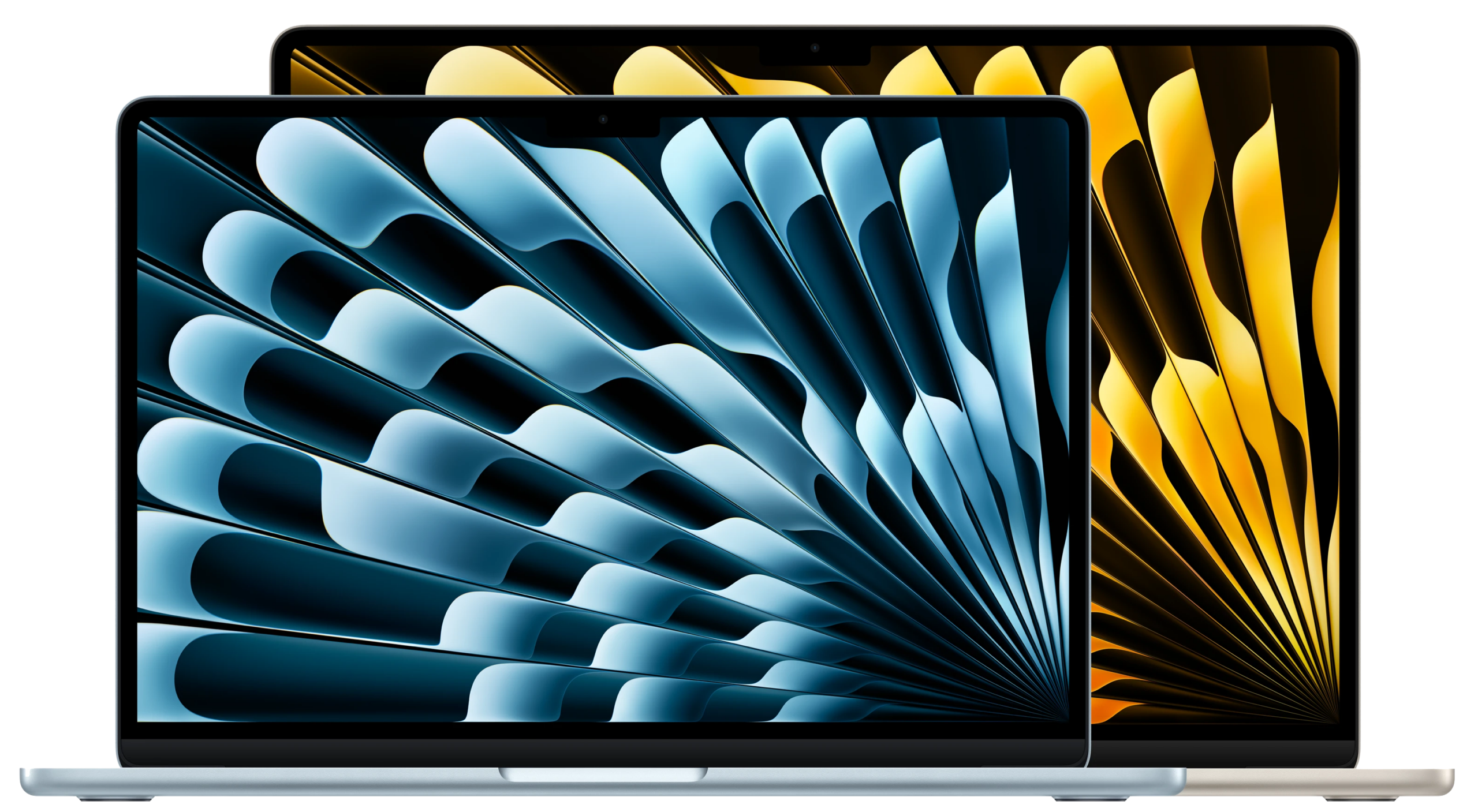
Apple has officially launched its latest iteration of the MacBook Air, the M5 MacBook Air, on March 3rd, 2026. While the external design of the new model appears largely unchanged from its predecessor, the true revolution lies within, powered by the groundbreaking M5 chip. This update signifies a dramatic leap forward for the MacBook Air lineup, transforming it from a capable everyday machine into a powerhouse that challenges even professional-grade laptops in key performance metrics.
The evolution of the MacBook Air, particularly with the advent of Apple Silicon, has been nothing short of remarkable. Five generations into this architectural shift, the M5 MacBook Air stands as a testament to Apple’s commitment to pushing the boundaries of mobile computing. Gone are the days when the MacBook Air was characterized by underpowered CPUs and comparatively weak integrated graphics. The M5 chip has fundamentally redefined what users can expect from Apple’s thinnest and lightest laptop, making it a formidable contender for a wide range of professional and creative workflows.
Under the Hood: The M5 Chip’s Transformative Power
The heart of the M5 MacBook Air is the M5 chip, a silicon marvel that has redefined the performance paradigm for Apple’s portable computers. This advanced chip boasts significant improvements, particularly in its graphical capabilities. Even without the benefit of active cooling systems, which are typically found in MacBook Pro models, the M5 MacBook Air demonstrates an astonishing level of performance, often rivaling and in some areas, surpassing its Pro counterparts.
A compelling illustration of this power can be seen in recent benchmark tests. In a Cinebench GPU test comparing the M5 chip in both the MacBook Air and MacBook Pro, the M5 Air achieved approximately 92% of the performance of the M5 MacBook Pro. Specifically, the M5 Air clocked in at around 22,000 points, closely trailing the M5 MacBook Pro’s score of approximately 24,000 points. This is a significant achievement, as year-over-year chip upgrades often result in incremental improvements. However, the M5’s GPU represents a substantial leap forward compared to its predecessor, the M4, indicating a major architectural enhancement that benefits even the fanless MacBook Air design.
Enhanced Storage and Cutting-Edge Connectivity
Beyond the raw processing power, the M5 MacBook Air also receives a substantial upgrade in its storage configuration. The base model now comes equipped with a generous 512 GB of solid-state storage, a considerable increase from previous generations. For users requiring even more capacity, the storage can be configured all the way up to a massive 4 TB, albeit with a significant price increase of $1200. This expanded storage option caters to professionals who handle large datasets, extensive media libraries, or complex project files.
In a move that further underscores Apple’s dedication to seamless connectivity and efficiency, the M5 MacBook Air introduces Apple’s proprietary N1 wireless networking chip. This integrated solution supports Wi-Fi 7, Bluetooth, and Thread, promising significant advancements in wireless performance and power management. The N1 chip is specifically engineered to reduce battery consumption, particularly when engaging in location-tracking services. Furthermore, Wi-Fi 7, with its theoretical speeds of up to 46 Gb/s, is poised to match or even exceed the performance of Thunderbolt 4 in certain scenarios, offering an unprecedented level of wireless data transfer speed.

Complementing the advancements in wireless connectivity, the M5 chip also sees an increase in memory bandwidth. The new chip supports up to 153 GB/s of memory bandwidth, leveraging cutting-edge mobile memory technology with 4800 MHz LPDDR5X-9600. This substantial increase in memory bandwidth is crucial for multitasking, demanding applications, and overall system responsiveness. Accompanying these internal upgrades is a new 40-Watt dynamic charger, with a maximum output of 60W. This replaces the previous 35-Watt Dual USB-C compact adapter, offering faster charging capabilities to keep users powered up for longer.
A Timeline of Transformation: The Evolution of MacBook Air
The introduction of the M5 MacBook Air marks a significant milestone in the product’s history, showcasing Apple’s strategic evolution of its portable computing offerings.

- Early Days (Pre-Apple Silicon): The initial MacBook Air models, particularly those powered by Intel processors, were praised for their portability and battery life but were often criticized for their limited performance, especially in graphics-intensive tasks. They were primarily suited for light productivity, web browsing, and basic document editing.
- The Apple Silicon Revolution (M1 Chip, Late 2020): The launch of the M1 chip marked a paradigm shift. It brought unprecedented performance, power efficiency, and integrated graphics capabilities to the MacBook Air, transforming it into a truly capable machine for a much broader range of users.
- Incremental Refinements (M2 and M3 Chips, 2022-2023): Subsequent generations, the M2 and M3 chips, brought further performance gains and efficiency improvements, solidifying the MacBook Air’s position as a leading ultraportable laptop. These updates refined the architecture and introduced enhanced features, but the core experience remained consistent with the M1’s transformative impact.
- The M4 Era (Hypothetical, 2025): While not explicitly detailed in the provided information, it’s logical to infer that the M4 chip would have represented further advancements, potentially focusing on AI capabilities and efficiency enhancements, paving the way for the M5.
- The M5 Leap (March 3rd, 2026): The M5 MacBook Air, released on this date, represents the most significant generational leap in recent memory, particularly in GPU performance and connectivity. The M5 chip’s architecture appears to have undergone a substantial redesign, enabling performance levels that were previously unimaginable for a fanless laptop.
Performance Comparisons: A New Benchmark
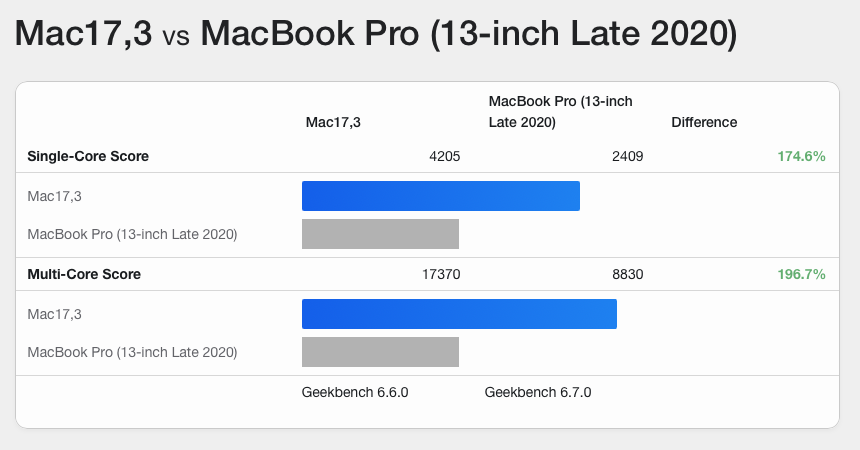
The performance leap brought by the M5 chip is best contextualized by direct comparisons with previous generations. While exact benchmarks for the M4 are not provided, the M5 chip’s performance is so impressive that it’s being compared to multiple M1 chips combined. The article highlights that the M5 MacBook Air offers "roughly two M1 Chip’s worth of performance." This statement is further elaborated by a comparison of the 13-inch M5 MacBook Air against a 13-inch M1 MacBook Pro. The M5 Air is reported to be 174% faster than the M1 MacBook Pro in certain benchmarks. While this isn’t a full 200% increase, the article aptly notes the astounding progress made in just five years of Apple Silicon development. This comparison underscores the exponential growth in performance and efficiency that Apple has achieved, making the MacBook Air a viable option for tasks that were once exclusive to more powerful, and often louder, MacBook Pro models.
Apple Intelligence Integration
A significant software-related development accompanying the M5 MacBook Air is the robust integration of Apple Intelligence. This advanced AI framework is now supported on any Mac equipped with Apple Silicon, including the new M5 MacBook Air. The compatibility extends to most iPads with an M-chip and iOS devices running iOS 18 and later with an A17 Pro chip or better. This means users with the M5 MacBook Air will have access to a suite of intelligent features designed to enhance productivity, creativity, and overall user experience through on-device processing and advanced machine learning capabilities. The seamless integration of Apple Intelligence suggests that future software updates will continue to leverage the M5 chip’s power for increasingly sophisticated AI-driven tasks.
Key Features and User Experience Enhancements
The M5 MacBook Air introduces several key features that enhance its usability and appeal to a broad user base.

- Closed Lid Mode: Apple’s "lid closed" or clamshell mode continues to be supported, allowing users to utilize an external display exclusively. In this mode, the built-in display is deactivated, and all unified memory is dedicated to the external setup. This requires the MacBook Air to be connected to AC power, an external display, and external input devices like a keyboard and mouse. This functionality is particularly valuable for users who prefer a desktop-like experience at home or in the office while maintaining the portability of the MacBook Air.
- Battery Life: Apple claims an impressive battery life for the M5 MacBook Air, offering up to 15 hours of wireless web browsing and up to 18 hours of video streaming. These figures represent the continued focus on power efficiency that has been a hallmark of Apple Silicon.
- Storage Expansion Options: The increased base storage and the option to configure up to 4 TB of storage address a critical need for many users, from students to creative professionals, who require ample space for their digital lives.
- Wi-Fi 7 Connectivity: The integration of Wi-Fi 7 is a forward-looking move that future-proofs the device and provides users with the fastest available wireless internet speeds, significantly improving download and upload times, as well as the responsiveness of online applications.
Technical Specifications: A Deeper Dive
The M5 chip’s architecture represents a significant advancement in performance and efficiency. While specific details on the core count for the CPU and GPU in the M5 are not explicitly detailed in the provided text, the performance gains suggest a substantial increase in core count and/or architectural improvements. The cache configuration for the M5 chips is noted as consistent across all variants, featuring a unified memory architecture that allows the CPU, GPU, and other components to access the same data pool efficiently.
The core system cache details highlight the system-level optimizations in place. The memory configuration, utilizing 4800 MHz LPDDR5X-9600, is a critical component of the M5’s high bandwidth capabilities, ensuring smooth data flow for demanding applications.
Broader Implications and Market Impact
The launch of the M5 MacBook Air with its substantial performance gains has several implications for the broader consumer electronics market and Apple’s product ecosystem.
- Democratization of Pro-Level Performance: By bringing near-professional-grade graphics performance to the ultraportable MacBook Air form factor, Apple is effectively democratizing access to high-performance computing. This could reduce the need for some users to purchase more expensive MacBook Pro models for tasks that previously required them.
- Increased Competition: The enhanced capabilities of the M5 MacBook Air will undoubtedly put pressure on competitors in the ultraportable laptop segment. Manufacturers will need to innovate rapidly to match Apple’s performance and efficiency benchmarks.
- Growth of Apple’s Ecosystem: The seamless integration of Apple Intelligence and the continued advancements in Apple Silicon further strengthen Apple’s ecosystem. Users who invest in the M5 MacBook Air will find themselves deeply embedded in a platform that offers a cohesive and intelligent user experience across all their Apple devices.
- Future of Laptop Design: The M5 MacBook Air’s ability to deliver such high performance without active cooling could influence future laptop designs across the industry, pushing towards more efficient thermal management and fanless architectures.
In conclusion, the M5 MacBook Air, launched on March 3rd, 2026, is more than just an incremental update. It represents a significant leap forward in mobile computing, powered by the revolutionary M5 chip. With its enhanced graphical prowess, cutting-edge connectivity, and deep integration of Apple Intelligence, the M5 MacBook Air redefines expectations for what an ultraportable laptop can achieve, setting a new benchmark for performance, efficiency, and user experience.