Farhan hamdan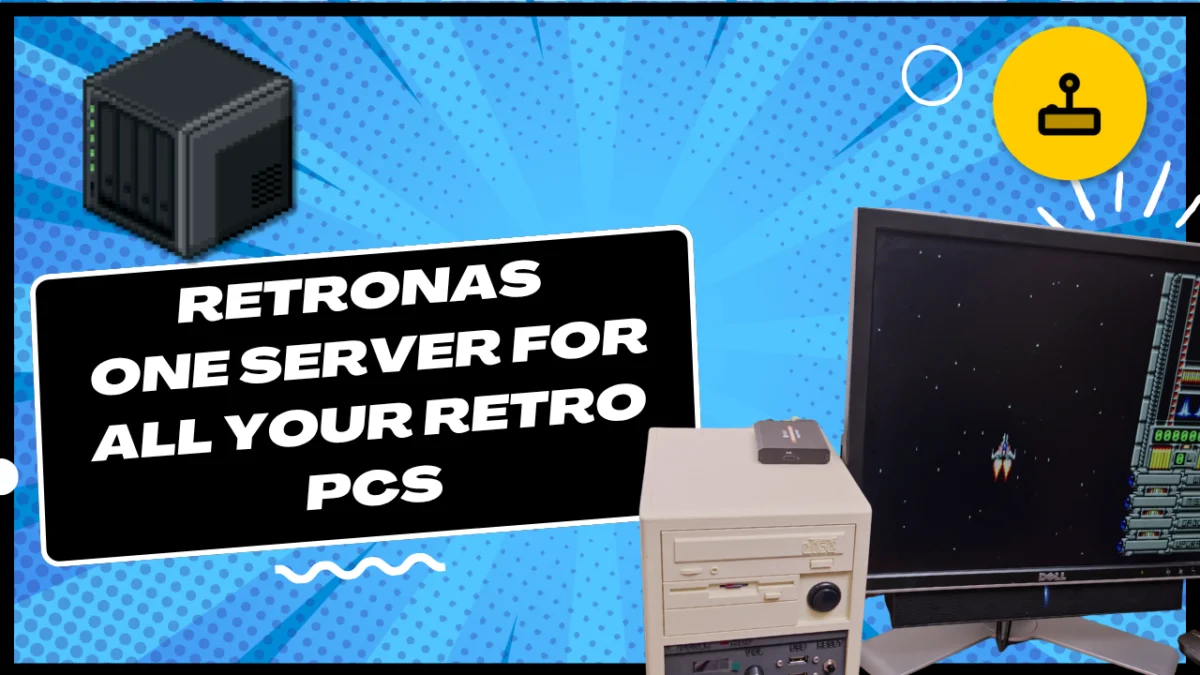
RetroNAS is a specialized suite of tools meticulously engineered to transform readily available, low-cost hardware—such as a Raspberry Pi, an repurposed older computer, or a virtual machine—into a dedicated Network Attached Storage (NAS) device tailored for retro personal computers, microcomputers, and even select vintage consoles. This innovative network attached storage capability offers a crucial solution for enthusiasts grappling with the inherent challenges of managing games, drivers, and utilities across a diverse array of vintage operating systems and machines, particularly those running MS-DOS and early iterations of Microsoft Windows.
The Enduring Challenge of Vintage Computing Data Management
The landscape of retro computing, while rich with nostalgia and historical significance, presents a unique set of technical hurdles, particularly concerning data storage and management. Vintage computers, often predating the widespread adoption of robust networking and large-capacity storage solutions, were designed for an era of physical media and localized data. Hard drives were notoriously small by modern standards, frequently ranging from a mere 20 megabytes to a few hundred megabytes, sometimes barely exceeding a gigabyte. These MFM, RLL, and early IDE drives were also slow, fragile, and prone to failure after decades of use.
Furthermore, software distribution relied heavily on floppy disks, which are susceptible to magnetic degradation, physical damage, and the sheer inconvenience of swapping multiple disks for a single installation. CD-ROM drives, while revolutionary, were often slow (1x, 2x, 4x speeds were common), and their media, while more robust than floppies, could still suffer from scratches or disc rot. The concept of a centralized, easily accessible repository for digital assets was largely non-existent for the average home user in the 1980s and early 1990s.
As the retro computing hobby surged in popularity, enthusiasts began to acquire and restore multiple vintage machines, each potentially running a different operating system—from various versions of MS-DOS to Windows 3.1, Windows 95, Windows 98, and even obscure Unix-like variants. Managing game installations, essential drivers, system utilities, and a growing collection of floppy and CD-ROM images across these disparate systems became an arduous task. Physical transfer methods, such as serial cables, parallel port connections, or even burning new floppies or CDs, were time-consuming, error-prone, and often bottlenecked by archaic hardware speeds. The need for a more streamlined, modern approach to data management for vintage systems became increasingly apparent within the community.
RetroNAS: Bridging the Digital Divide
RetroNAS directly addresses this critical need by providing a centralized, networked storage solution that speaks the "languages" of these older operating systems. With the appropriate built-in services enabled, RetroNAS can simultaneously serve files to retro PCs running MS-DOS, Windows for Workgroups, Windows 95, and Windows 98. While its capabilities extend to other operating systems and devices, its primary utility shines brightest for old IBM compatible computers, which represent a significant segment of the retro computing community.
The foundation of RetroNAS’s cross-compatibility lies in its implementation of two key networking protocols:
- Server Message Block (SMB) / Common Internet File System (CIFS): This protocol suite is paramount for interoperability with Microsoft operating systems. SMB, in its various historical iterations, was the standard for file sharing in DOS and all versions of Windows from Windows for Workgroups onwards. RetroNAS leverages this to allow vintage Windows and DOS machines to access shared folders as if they were local network drives. This enables seamless access to vast libraries of software, drivers, and game files.
- Network File System (NFS): While the original article primarily focuses on IBM compatibles, NFS provides a crucial avenue for other retro operating systems, particularly those rooted in Unix or Linux. Many vintage workstations or niche systems might have supported NFS, allowing RetroNAS to extend its utility beyond the Microsoft ecosystem for those with more diverse collections.
When configured correctly, both SMB/CIFS and NFS services allow a designated folder on the RetroNAS server to be mapped as a drive letter on the retro PC. This creates a single, centralized repository for game installation files, essential drivers, floppy disk images (e.g., .IMG, .VFD), and CD-ROM disc images (e.g., .ISO, .CUE/BIN). This architectural design means that an enthusiast can access their entire digital retro library from different machines running different operating systems, eliminating the need for duplicate copies, physical media handling, or cumbersome transfer processes. A significant advantage is the ability to install and even run games directly from the network drive, thereby helping to conserve the often-limited and fragile local storage space on vintage hardware. This also reduces wear and tear on original hard drives, prolonging the life of these irreplaceable components.
The Evolution of Network Storage and Retro Computing Solutions
The concept of Network Attached Storage itself evolved significantly from the 1980s mainframe and minicomputer environments to the consumer market in the late 1990s and early 2000s. Early PC networking, often based on proprietary protocols or simpler peer-to-peer sharing, was complex and resource-intensive for the hardware of the day. The advent of Ethernet and TCP/IP for general consumer use, coupled with more robust operating systems like Windows 95/98, began to pave the way for more integrated network services.
The rise of single-board computers like the Raspberry Pi, introduced in 2012, democratized access to low-cost, low-power computing platforms, making them ideal candidates for dedicated server roles in home environments. These devices, combined with the open-source software movement, fostered a fertile ground for projects like RetroNAS. Before RetroNAS, enthusiasts often resorted to makeshift solutions: setting up a full-fledged Linux server with Samba, configuring complex cross-platform shares, or physically moving storage devices between machines. While functional, these methods lacked the streamlined, purpose-built efficiency that RetroNAS offers.
The development of RetroNAS can be seen as a direct response to the growing maturity of the retro computing community, which moved beyond mere emulation to a strong emphasis on authentic hardware experiences. As collections grew, the logistical overhead of maintaining these systems became a significant barrier. Solutions like RetroNAS represent a crucial step in making the hobby more accessible and sustainable.
Implementation: A Blend of Modern Convenience and Vintage Expertise
It is important to underscore that RetroNAS is not a simple plug-and-play solution. Its effective deployment requires a foundational understanding of networking principles, coupled with hands-on experience in configuring operating systems like MS-DOS and early versions of Windows. This involves navigating the intricacies of CONFIG.SYS and AUTOEXEC.BAT files for DOS networking drivers, understanding IP addressing, subnet masks, and network adapter configurations in environments that often lack modern graphical user interfaces for such tasks.
The setup process, while requiring a degree of technical proficiency, is well-documented by its creator. An overview of the setup is often provided via video tutorials, with more granular, detailed written guides typically available on platforms like GitHub. These resources serve as invaluable tools for enthusiasts willing to invest the time in mastering the configuration.
Once operational, however, the initial investment in configuration yields substantial dividends. RetroNAS provides an exceptionally flexible and convenient solution for anyone managing multiple retro PCs and their associated operating systems. The ability to centralize data not only simplifies management but also acts as a powerful tool for digital preservation. It allows enthusiasts to easily access and deploy software archives, patch games, and install operating system components without constantly shuffling physical media or relying on slow, outdated transfer methods. This enhances the overall user experience, making the act of engaging with vintage hardware more enjoyable and less prone to frustration.
Broader Implications and the Future of Retro Computing
The advent of specialized tools like RetroNAS carries significant implications for the retro computing community and the broader field of digital preservation.
- Enhanced Preservation: RetroNAS facilitates the preservation of digital artifacts by making it easier to store, access, and deploy archived software on original hardware. As physical media degrades, having digital images readily available on a modern, reliable storage medium is paramount. RetroNAS bridges the gap between these modern archives and the vintage machines they are intended for.
- Increased Accessibility: By streamlining data management, RetroNAS lowers the barrier to entry for new enthusiasts and makes the hobby more sustainable for existing ones. It reduces the time spent on mundane data transfer tasks, allowing more time for actual gaming, programming, or system exploration.
- Reduced Hardware Wear: Running games and applications directly from a network share reduces the strain on aging, often fragile vintage hard drives and optical drives. This contributes to the longevity of original hardware, which is becoming increasingly difficult and expensive to replace.
- Community Empowerment: Projects like RetroNAS exemplify the power of the open-source community to identify specific needs and develop tailored solutions. They foster a collaborative environment where knowledge and tools are shared, enriching the entire hobby.
- Future Expansion: While currently focused on IBM compatibles, the modular nature of RetroNAS and the underlying networking protocols suggest potential for expansion. As network cards and drivers become available for other vintage platforms (e.g., Amiga, Atari ST, early Macintosh systems), similar networked storage solutions could be integrated, further unifying the retro computing experience.
In essence, RetroNAS represents a critical evolutionary step in the retro computing ecosystem. It serves as a robust digital bridge, connecting the convenience and storage capacities of modern technology with the authentic, period-correct experience of vintage hardware. By centralizing resources and simplifying data access, it ensures that the rich history of computing remains not only preserved but also actively enjoyed and explored by generations of enthusiasts.