
 Farhan hamdan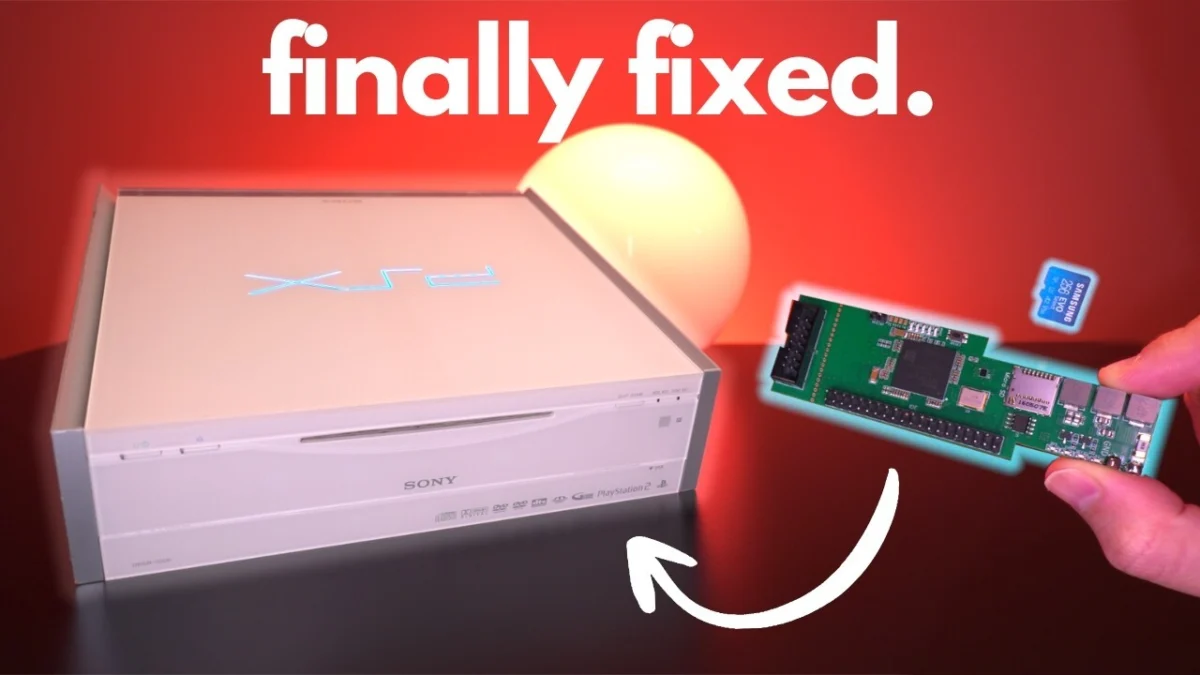
The intricate world of retro console preservation has recently witnessed a significant breakthrough with the introduction of the ATA Express, an innovative IDE emulator designed to breathe new life into one of Sony’s most enigmatic and technically challenging consoles, the Japanese-exclusive PSX. This device, meticulously engineered by Phenommod, addresses a critical flaw that has rendered countless PSX units inoperable: the failure of its proprietary, hardware-locked internal hard disk drive (HDD). Tito from Macho Nacho Productions recently showcased the ATA Express in a comprehensive video, demonstrating its capabilities not only for the PSX but also hinting at a groundbreaking potential application for the Sega Dreamcast, offering a novel optical drive emulation solution that uniquely preserves the console’s original disc drive functionality.
The Enigma of the PSX: Sony’s Ambitious Multimedia Experiment
To fully appreciate the significance of the ATA Express, it is essential to understand the context of the PSX console itself. Launched in Japan in December 2003, the PSX (not to be confused with the original PlayStation console, also often referred to as PSX by fans) was Sony’s ambitious attempt to merge its wildly successful PlayStation 2 (PS2) gaming platform with a sophisticated digital video recorder (DVR) and TV tuner. Marketed as an all-in-one entertainment hub, it represented a bold step into converged media devices, predating many similar concepts.
The PSX featured an integrated PS2 motherboard, allowing it to play PS1 and PS2 games, alongside a built-in HDD for recording television programs, storing photos, and managing multimedia content. Several models were released, varying primarily in HDD capacity (ranging from 160GB to 250GB) and specific tuner configurations. Despite its advanced feature set, the PSX faced a challenging market reception. Its high initial price point, ranging from approximately 79,800 yen (about $750 USD at the time) for the entry-level model to 99,800 yen (about $940 USD) for the top-tier version, made it a luxury item. Furthermore, competition from established DVRs and the impending arrival of next-generation consoles like the Xbox 360 and PlayStation 3 limited its broader appeal. Consequently, the PSX remained a Japan-only release, selling an estimated several hundred thousand units, a stark contrast to the PlayStation 2’s global sales of over 155 million units.
The PSX’s unique architecture presented a looming challenge for its long-term viability and preservation. Unlike standard PS2 consoles where an optional HDD could be installed for specific games or homebrew applications, the PSX’s internal HDD was integral to its core functionality. Crucially, this HDD was "locked" to the console’s hardware through a proprietary mechanism. If the original HDD failed—an inevitable outcome for mechanical drives with an average lifespan of 5-10 years, especially after two decades of use—the entire PSX unit would cease to function, effectively becoming a very expensive paperweight. This hardware lock meant that simply replacing the drive with a generic IDE HDD would not work, rendering the device "un-fixable" by conventional means and posing a significant barrier to its preservation by retro gaming enthusiasts and collectors.
The Rise of Retro Modding and Preservation Efforts
The challenge presented by devices like the PSX is emblematic of a broader issue within the retro gaming community: the ongoing battle against hardware degradation and obsolescence. As consoles from the 1980s, 1990s, and early 2000s age, their components—capacitors, lasers, and mechanical drives—fail. This has spurred a vibrant and innovative modding scene dedicated to preserving these machines, enhancing their capabilities, and ensuring future generations can experience gaming history.
Over the past two decades, console modding has evolved from simple hardware modifications like region-free chips and enhanced video outputs to sophisticated solutions involving optical drive emulators (ODEs) and IDE/SATA adapters. These advancements are often driven by independent developers and small companies, leveraging modern technologies like microcontrollers, FPGAs (Field-Programmable Gate Arrays), and high-density storage solutions such as MicroSD cards and solid-state drives (SSDs). The goal is often twofold: to provide a more reliable alternative to aging components and to introduce new functionalities, such as loading games from digital storage or running homebrew applications. The community thrives on shared knowledge, detailed tutorials, and the availability of specialized hardware, much of which is open-source or developed by dedicated individuals like Phenommod.
The ATA Express: A Technical Marvel for PSX Revival
The ATA Express steps into this crucial preservation void by offering a robust solution for the PSX’s Achilles’ heel. At its core, the device functions as an IDE emulator, meticulously replicating the signals and protocols of the original Parallel ATA (PATA) interface. This emulation is critical because it allows modern, reliable storage mediums to communicate seamlessly with legacy hardware designed for mechanical HDDs.
Specifically for the PSX, the ATA Express features dedicated firmware and hardware logic that enables it to emulate the specific proprietary locking mechanism of the original HDD. This is the crucial differentiator that allows a replacement storage solution to be recognized and accepted by the PSX’s operating system, thus restoring full functionality.
The primary and most impactful feature of the ATA Express is its ability to replace the failing internal HDD with a MicroSD card. MicroSD cards offer numerous advantages over traditional mechanical drives:
- Reliability: Being solid-state, they have no moving parts, making them far more resistant to physical shock and wear-and-tear than HDDs. This dramatically increases the lifespan and stability of the PSX.
- Speed: While the PSX’s IDE interface is a bottleneck, MicroSD cards generally offer faster read/write speeds, potentially leading to quicker load times for certain applications or data access.
- Capacity: Modern MicroSD cards offer vast storage capacities (e.g., 256GB, 512GB, 1TB), far exceeding the original PSX HDDs, allowing for extensive media storage and game libraries.
- Cost-Effectiveness: MicroSD cards are readily available and relatively inexpensive, making the repair and upgrade process accessible.
- Power Efficiency: Solid-state storage consumes less power, reducing heat generation and strain on the console’s aging power supply.
A standout capability highlighted by Tito from Macho Nacho Productions is the ATA Express’s ability to clone the original PSX HDD directly onto a MicroSD card. This feature is invaluable for users who still possess a partially functioning or even completely intact original HDD, allowing them to migrate their existing data, including recorded TV shows, settings, and game saves, to a more reliable storage medium without losing historical content. This cloning process ensures a seamless transition and preserves the unique digital history associated with each PSX unit.
Current and Future Iterations: Expanding Compatibility and Form Factor

The initial release of the ATA Express currently offers compatibility with the first generation of PSX consoles. This limitation is typical for complex hardware modifications, as different console revisions often feature subtle variations in component placement, firmware, or even communication protocols. However, Phenommod, the creator, is actively developing a follow-up product designed to expand compatibility and improve the physical integration within the console.
The planned second iteration promises to be a "better fit" both literally and figuratively. The current ATA Express board, while functional, is a custom PCB that requires some careful placement within the PSX chassis. The upcoming version is anticipated to adopt a form factor similar to a standard 3.5-inch HDD, making it significantly easier to mount securely within the PSX’s internal drive bay. This improved physical design would simplify installation for users, potentially reducing the need for custom brackets or adhesive, and offering a more professional and integrated solution. This commitment to iterative improvement underscores the developer’s dedication to the retro community’s needs.
Features and Use Cases of the ATA Express (Current and Anticipated):
Based on the information provided and common functionalities of similar devices, the ATA Express offers a compelling suite of features and opens up several critical use cases:
Features:
- IDE (PATA) to MicroSD Emulation: Converts modern MicroSD storage to be compatible with legacy IDE interfaces.
- PSX HDD Hardware Lock Emulation: Overcomes the proprietary locking mechanism of the PSX’s original HDD.
- MicroSD Card Slot: Provides a modern, reliable, and high-capacity storage solution.
- Original HDD Cloning Capability: Allows direct transfer of data from an original PSX HDD to a MicroSD card.
- Compact Design: Designed to fit within the PSX chassis (current generation).
- Firmware Update Support: Likely includes mechanisms for future firmware updates to enhance compatibility or add features.
- LED Indicators: (Inferred) Status lights for power, activity, and error reporting.
- Future 3.5" Form Factor: (Anticipated) For easier internal mounting and broader compatibility with PSX revisions.
Some Use Cases Include:
- PSX Console Repair and Restoration: The primary use, allowing owners of non-functional PSX units due to HDD failure to revive their consoles.
- Data Preservation: Cloning original PSX HDDs to MicroSD cards ensures that historical recordings, saves, and other unique data are not lost to mechanical failure.
- Enhanced Reliability: Replacing volatile mechanical drives with solid-state MicroSD cards drastically improves the longevity and stability of the PSX.
- Storage Expansion: Utilizing high-capacity MicroSD cards to expand the PSX’s storage beyond its original HDD limits for media and potentially homebrew applications.
- Custom Firmware and Homebrew: Facilitating the installation and operation of custom firmware or homebrew applications that might require stable and large storage.
- Archiving and Digital Libraries: Creating comprehensive digital libraries of PSX content, including recorded TV shows and games, on easily manageable MicroSD cards.
- Streamlined Media Management: Quicker access and management of recorded media and other data due to the faster nature of solid-state storage.
A Glimmer for the Dreamcast: Dual Functionality and Preservation
Beyond its immediate impact on the PSX, the ATA Express holds fascinating potential for another beloved retro console: the Sega Dreamcast. The article notes that this device has the potential to act as an Optical Drive Emulator (ODE) for the Dreamcast. While several excellent ODE options already exist for the Dreamcast, such as GDEMU and Terraonion MODE, the ATA Express could offer a unique selling proposition: the ability to function as an ODE while also allowing the original GD-ROM drive to remain installed and functional.
This capability addresses a niche but significant demand within the Dreamcast community. Many existing ODEs require the removal of the original GD-ROM drive, a trade-off purists and collectors are often reluctant to make. The ability to load homebrew, backups, and digital games from a MicroSD card and still have the option to play original physical GD-ROM discs offers the best of both worlds. This dual functionality would appeal strongly to enthusiasts who value both the convenience of digital media and the nostalgic experience of using original discs.
For this Dreamcast application to be feasible as an internal installation, a different version of the board would likely be necessary, potentially requiring a custom form factor and specific Dreamcast interface adaptations. However, the underlying IDE emulation technology of the ATA Express demonstrates its versatility. Such a product would not only enhance the Dreamcast’s capabilities but also further its preservation by offering a robust alternative for its notoriously failing optical drives, all without sacrificing original hardware.
Broader Impact and Implications for Retro Gaming
The development and release of the ATA Express underscore several critical trends and implications within the retro gaming landscape:
- Preservation as a Priority: The project highlights the ongoing dedication of the retro gaming community to preserving hardware and software that might otherwise be lost to time and component failure. Solutions like the ATA Express are crucial for keeping unique and niche consoles like the PSX operational.
- Innovation by Independent Developers: Much of the cutting-edge work in retro console modding comes from independent developers and small teams. Their passion, technical expertise, and willingness to tackle complex problems (like proprietary hardware locks) drive significant advancements that larger corporations often overlook.
- Extending Console Lifespans: By replacing the most vulnerable components with modern, reliable alternatives, these mods significantly extend the functional lifespan of vintage consoles, ensuring they can be enjoyed for many more decades.
- Community-Driven Development: The public demonstration by figures like Tito from Macho Nacho Productions, coupled with purchase links from specialized vendors like Phenommod, exemplifies the collaborative and enthusiast-driven nature of this niche market. Community feedback often guides subsequent iterations and product development.
- New Possibilities for Gameplay and Content: Beyond mere repair, these solutions open doors for new ways to interact with old hardware, from vast digital game libraries to custom firmware and homebrew applications that were never envisioned by the original manufacturers.
- Economic Value in Niche Markets: While the PSX was a commercial flop for Sony, solutions like the ATA Express create value within the collector and enthusiast market, making otherwise defunct hardware desirable and functional again.
Chronology of Innovation and Preservation:
- December 2003: Sony releases the PSX console in Japan, integrating PS2 gaming with DVR functionality and an internal, hardware-locked HDD.
- Mid-2000s to Early 2010s: The retro gaming modding scene begins to gain significant traction, driven by enthusiasts seeking to enhance and preserve aging consoles.
- Late 2010s – Early 2020s: As PSX consoles approach two decades of age, the rate of internal HDD failures escalates, rendering many units inoperable due to the proprietary hardware lock. The "un-fixable" problem becomes acute.
- Recent Past: Phenommod begins development on the ATA Express, specifically targeting the PSX’s HDD limitations and proprietary locking mechanism.
- Recently: The ATA Express is made available for purchase, initially compatible with first-generation PSX models.
- Recently: Tito from Macho Nacho Productions releases a detailed video showcasing the ATA Express, its installation, and its functionality, bringing it to the wider retro gaming community’s attention. The video also teases upcoming designs and potential Dreamcast applications.
- Near Future: Phenommod is actively working on a follow-up ATA Express product, promising increased compatibility across more PSX revisions and a more convenient 3.5-inch HDD-like form factor for easier installation. A dedicated Dreamcast version is also hoped for by the community.
The ATA Express represents more than just a repair solution; it is a testament to the ingenuity and dedication of the retro gaming community in its ongoing mission to preserve, enhance, and extend the life of cherished classic hardware. By overcoming a formidable technical barrier, it ensures that the unique, if commercially unsuccessful, PSX console can continue to function, and potentially inspires new pathways for preserving other consoles facing similar challenges, like the Sega Dreamcast. The ongoing evolution of such devices promises a vibrant future for retro gaming, where technological innovation continues to defy the ravages of time and component degradation.








