Vera Clarissa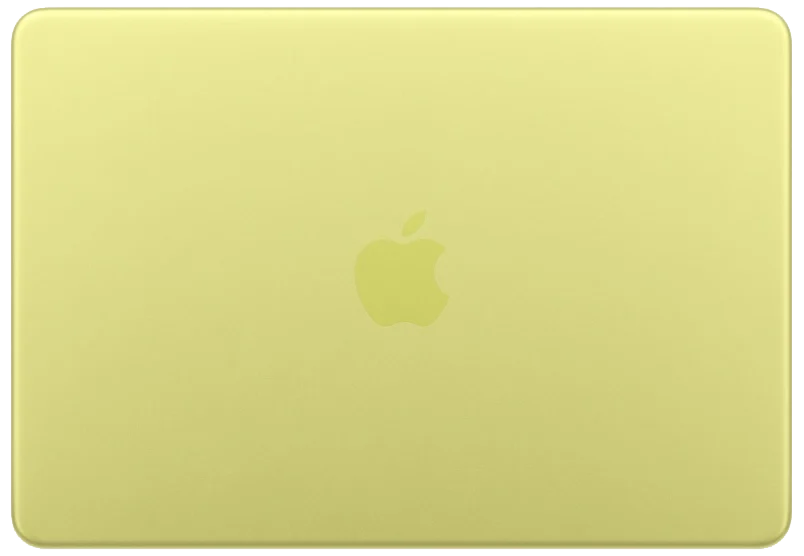
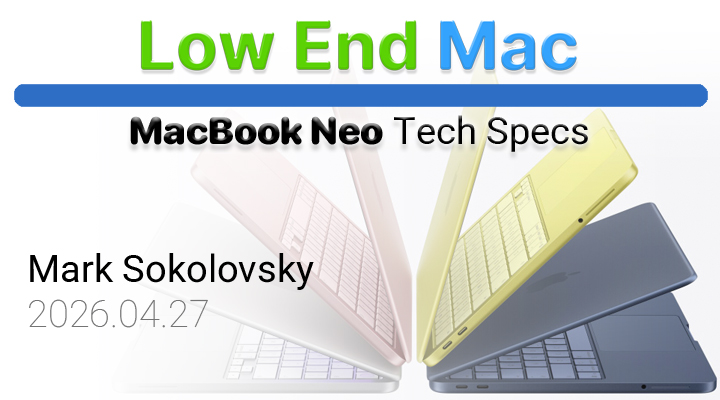
Apple has unveiled a significant strategic shift in its notebook offerings with the introduction of the MacBook Neo, a device designed to make the Mac ecosystem more accessible than ever before. This new line represents a departure from Apple’s typical premium positioning, aiming to capture a broader market segment with a focus on affordability, lightweight design, and vibrant aesthetics. The MacBook Neo enters the market with a starting price of $599 USD, a figure that positions it as the most budget-friendly MacBook to date. Furthermore, students and educators can access an even more attractive price point of $499 through Apple’s Education Store, signaling a deliberate effort to penetrate the education sector and attract new users to macOS.
This bold pricing strategy comes at a time when the ultrabook and Chromebook markets are highly competitive, often characterized by devices that balance cost with performance and build quality. Apple’s decision to introduce a MacBook at this price point suggests a long-term vision to broaden its hardware user base, potentially converting users from other operating systems or attracting first-time laptop buyers. The timing of this release also aligns with an ongoing global demand for versatile and portable computing solutions, fueled by remote work trends and the increasing reliance on digital tools for education and productivity.
The MacBook Neo is engineered with the A18 Pro chip, a processor that shares its foundation with the latest iPhone models. This integration of mobile-grade silicon into a laptop represents a notable engineering feat, promising a significant leap in performance for an entry-level Mac. Benchmarking data indicates that the A18 Pro delivers nearly double the CPU performance of the M1 MacBook Air, a device that was itself lauded for its efficiency and speed. This substantial performance uplift challenges the perception that budget-friendly laptops are inherently underpowered.
In contrast to many Chromebooks that often utilize less potent Intel processors, and Windows notebooks in the same price bracket that may compromise on build quality, Apple has maintained its commitment to premium materials. The MacBook Neo features a robust aluminum chassis, a hallmark of Apple’s design philosophy, which imparts a sense of durability and sophistication. The device also boasts a redesigned trackpad, which is expected to offer the precise and responsive experience that Mac users have come to expect.
Perhaps one of the most striking performance claims for the MacBook Neo is its single-core CPU performance, which is reported to rival that of AMD’s high-end Ryzen 9 9950X3D processor. While this comparison might seem ambitious given the Neo’s positioning, it underscores Apple’s advancements in silicon design and optimization. This capability suggests that the MacBook Neo will not only handle everyday tasks with ease but will also be surprisingly capable of more demanding workloads, further blurring the lines between entry-level and professional-grade machines.

Design and Display: A Spectrum of Choice and Clarity
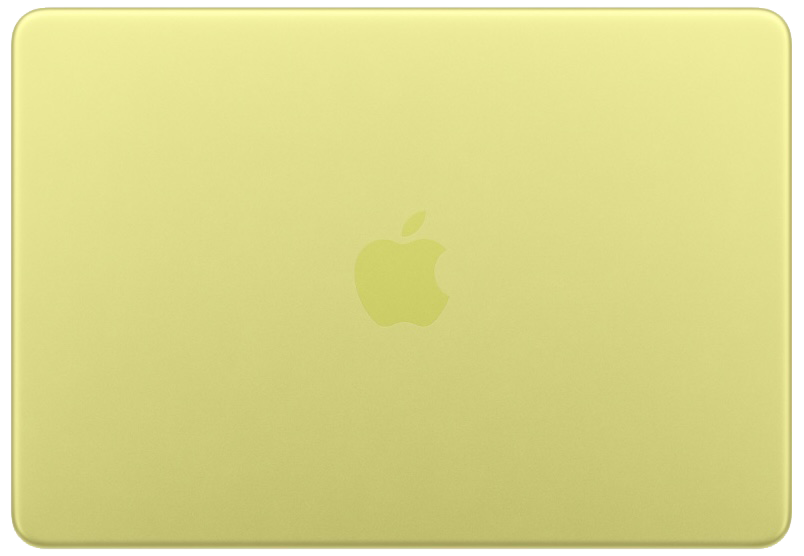
The MacBook Neo distinguishes itself with a vibrant array of color options, moving beyond the traditional silver and space gray. It is available in four distinct finishes: Silver, Blush (a soft pink), Citrus (a bright, zesty yellow reminiscent of Gatorade’s lemon-lime flavor), and Indigo (a deep, faded blue). This deliberate choice in color palette aims to appeal to a younger demographic and those seeking a more personalized computing experience.
The display is a crucial component for any laptop, and the MacBook Neo features a 13-inch IPS LCD panel. This screen boasts a brightness of 500 nits, ensuring good visibility even in well-lit environments. With a pixel density of 219 pixels per inch (ppi) and a resolution of 2408 x 1506, the display is expected to deliver sharp and clear visuals, making it suitable for tasks ranging from web browsing and document editing to media consumption.

Performance Under the Hood: A18 Pro and LPDDR5X Memory
At the heart of the MacBook Neo lies the A18 Pro chip, manufactured on TSMC’s 3nm N3E FinFET process. This cutting-edge manufacturing technology allows for greater power efficiency and increased transistor density, contributing to both performance and battery life. The chip is paired with 8GB of 3750 MHz LPDDR5X-7500 SDRAM. This type of RAM is known for its high bandwidth and low power consumption, which are critical for maintaining smooth multitasking and responsiveness, especially when running macOS and its associated applications. The integrated graphics unit consists of a 5-core GPU, designed to handle graphical tasks with commendable efficiency.
Storage and Expandability: Speed Meets Modularity
The storage subsystem of the MacBook Neo utilizes PCIe NVMe K8A5 NAND flash memory, clocked at approximately 1.4 GB/s for both read and write speeds. This level of storage performance is more than adequate for the vast majority of users, contributing significantly to the overall snappiness of the operating system and application loading times. While the RAM is soldered directly onto the logic board, a common practice in modern ultrabooks to save space and improve efficiency, the onboard storage, though also soldered, offers a degree of upgradability. Reports and demonstrations suggest that with the appropriate tools and technical skill, users can upgrade the internal storage to at least 1 TB, a feature that provides a welcome option for those who require more space.
Out of the box, the MacBook Neo is available in two configurations: a 256 GB SSD model priced at $599 and a 512 GB SSD model for $699. This tiered storage approach allows consumers to select a capacity that best fits their needs and budget.
Design Compromises and Connectivity: A Balancing Act

In its pursuit of affordability and a streamlined design, Apple has made certain concessions in the MacBook Neo. Notably, this model omits the MagSafe charging port, a feature that has been a staple of MacBooks since its reintroduction in 2020. Instead, users will rely on USB-C for charging. Connectivity is also limited, with the device featuring a single USB 3.0 port and a USB 2.0 port. This setup may necessitate the use of dongles or hubs for users who require multiple peripheral connections simultaneously.
Another notable omission is a backlit keyboard. The MacBook Neo features a light-tone colored keyboard that matches the body color of the device, an aesthetic choice that may appeal to some, but the lack of backlighting could be a drawback for users who frequently work in low-light conditions. Touch ID, Apple’s fingerprint sensor for secure authentication and payments, is available exclusively on the $699 model, adding a premium feature to the higher-tier configuration. Beyond the USB ports, a standard 3.5mm headphone jack is included.
Apple Intelligence Integration: A Glimpse into the Future of AI on Mac
A significant aspect of the MacBook Neo’s appeal, regardless of its entry-level status, is its compatibility with Apple Intelligence. This advanced suite of AI features is designed to enhance user productivity and experience across Apple’s ecosystem. macOS supports Apple Intelligence on all Macs equipped with Apple Silicon. This means that even the most affordable MacBook Neo can leverage these intelligent capabilities. The AI features are also available on select iPads with M-series chips and iOS devices running iOS 18 or later with an A17 Pro chip or better, including the iPhone 15 Pro models and all iPhone 16 series devices. This broad integration ensures a consistent and powerful AI experience across Apple’s latest hardware.
Key Features and Specifications
- Closed Lid Mode: Like its more premium counterparts, the MacBook Neo supports "closed lid" or "clamshell" mode. This allows users to connect the laptop to an external display, keyboard, and mouse, and then close the lid, effectively turning it into a desktop-like setup. For this mode to function, the MacBook Neo must be connected to AC power. This feature enhances the device’s versatility, allowing it to serve as both a portable companion and a stationary workstation.
- Battery Life: Apple claims up to 11 hours of wireless web browsing and an impressive 16 hours of video streaming for the MacBook Neo, a testament to the power efficiency of the A18 Pro chip and macOS optimization.
Broader Market Implications and Analysis

The introduction of the MacBook Neo represents a significant strategic pivot for Apple. For years, the company has focused on higher-margin products, often leaving the budget-conscious consumer market largely underserved by its Mac lineup. This new device aims to change that, potentially drawing in a new generation of users who may have previously been priced out of the Apple ecosystem.
The success of the MacBook Neo will likely hinge on its ability to deliver a compelling user experience that justifies the Apple brand, even at a lower price point. Competitors in the sub-$600 laptop market are fierce, with Windows laptops and Chromebooks offering a wide range of options. Apple’s advantage lies in its integrated hardware and software ecosystem, its robust build quality, and the perceived value of macOS.
The inclusion of Apple Intelligence on this affordable model is a particularly shrewd move. It ensures that even entry-level Mac users can benefit from the latest AI advancements, a feature that competitors may struggle to match at a similar price point. This could serve as a significant differentiator and a compelling reason for users to choose the MacBook Neo over other options.

However, the compromises made, such as the lack of MagSafe and a backlit keyboard, along with limited port selection, are areas where competitors might find an edge. Users who prioritize these features may need to consider higher-tier MacBook models or explore alternatives.
The long-term implications of the MacBook Neo could be substantial. If successful, it could lead to a significant increase in Mac adoption rates, particularly among students and younger professionals. This expanded user base could, in turn, drive greater demand for Apple’s services and a stronger overall presence in the computing market. The move also signals Apple’s confidence in its silicon development capabilities, demonstrating that it can deliver high performance and advanced features across a wider spectrum of its product lines. The market will be watching closely to see if this bold new direction redefines the entry-level laptop segment.