Retno Hari Mulyono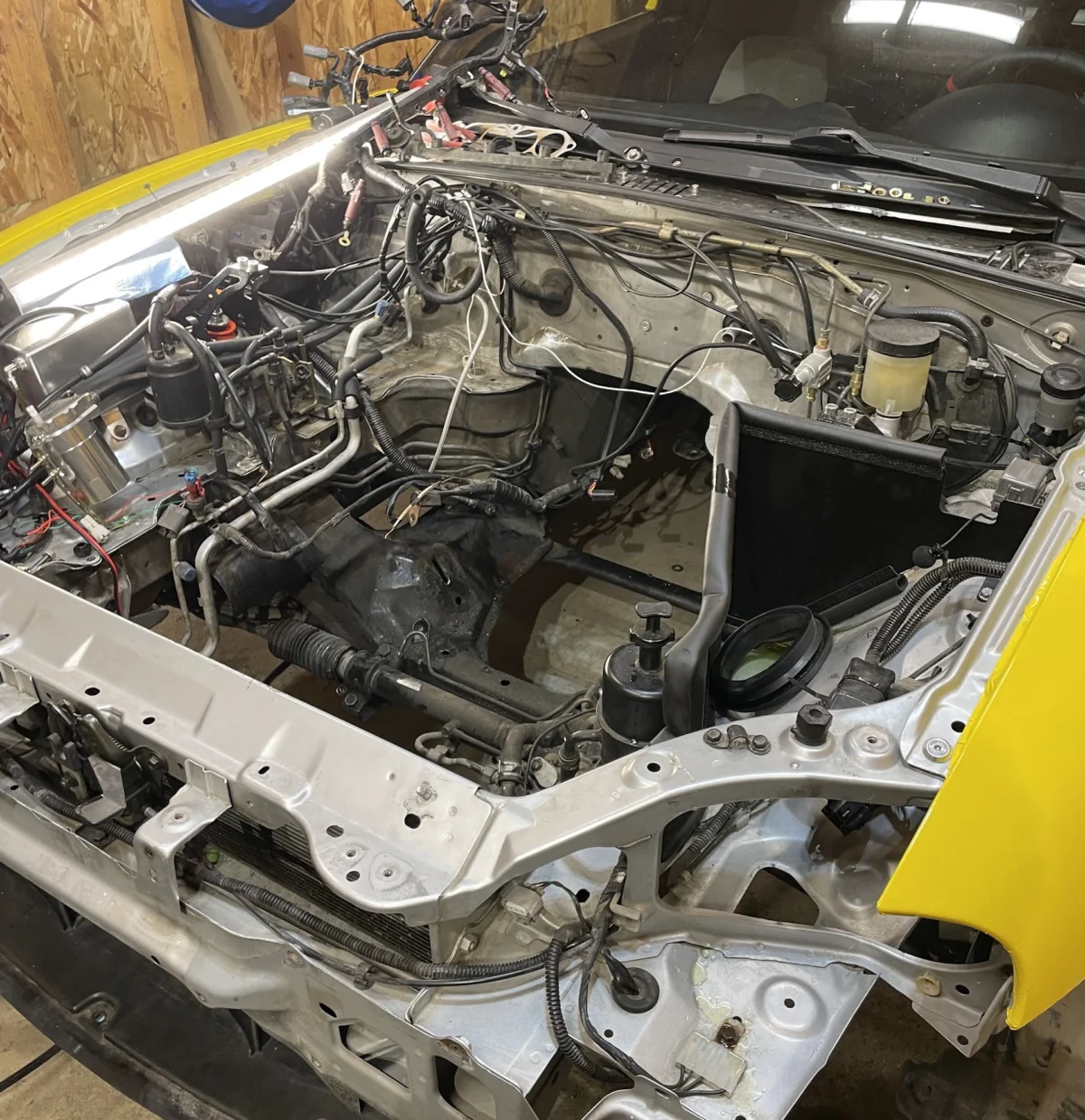
Project Scope and Mechanical Objectives
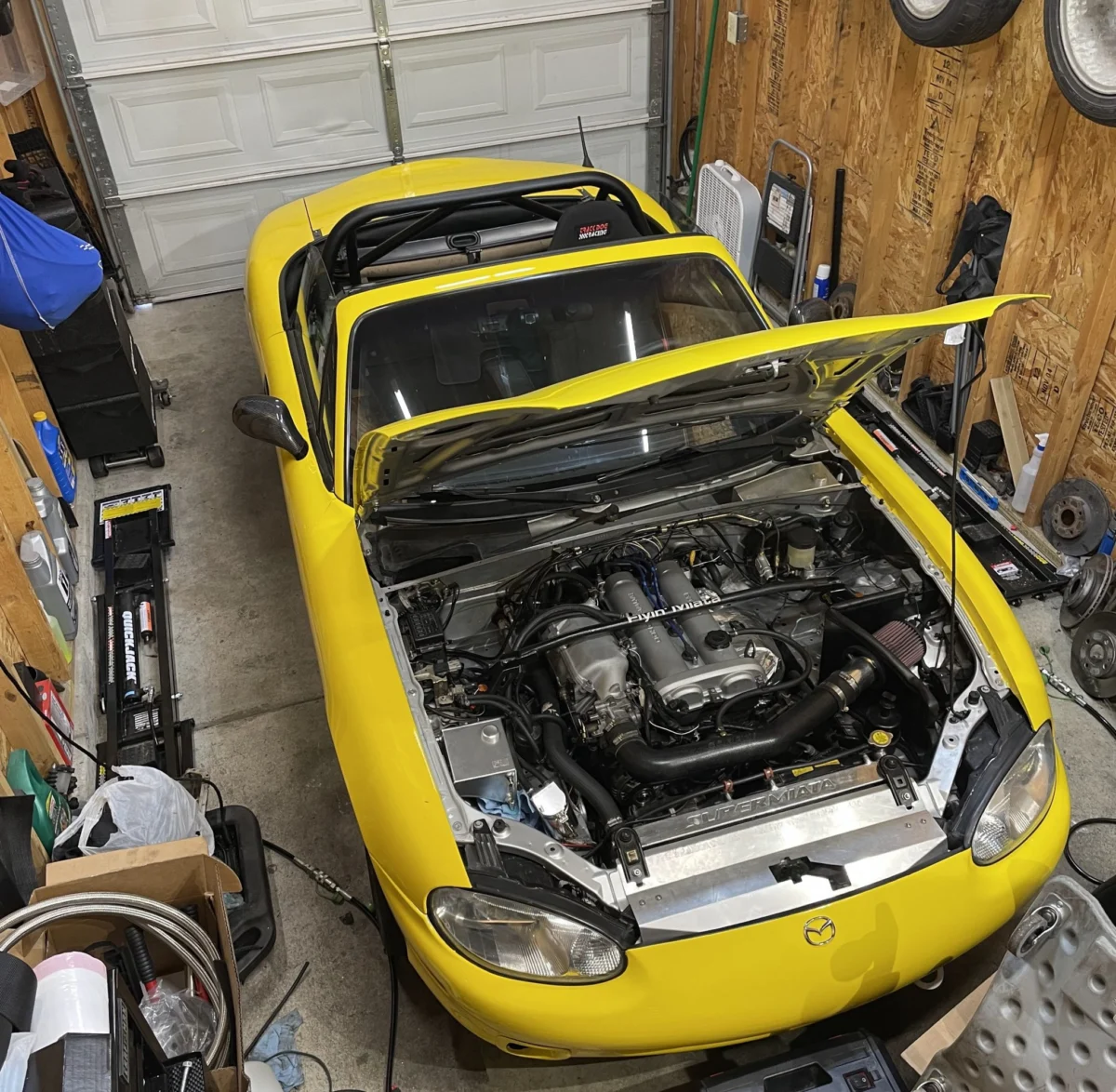
The primary catalyst for this overhaul was a series of persistent oil leaks and minor mechanical compromises that had begun to impact the vehicle’s operational efficiency. Central to these issues was a failing rear main seal, a common point of contention in the Mazda B-series engine family. Additionally, a previously compromised oil pan drain plug—repaired via a conical plug—represented a long-term reliability risk that required a structural solution.
By electing to pull the engine and transmission as a single assembly, the project allowed for the integration of several performance-oriented modifications. These included a high-capacity clutch system, a lightweight flywheel, a revised cooling "reroute," and an international-spec intake manifold. This holistic approach ensures that the vehicle’s infrastructure can support future power increases while maintaining the thermal stability required for competitive driving.
Chronology of the Extraction and Sealing Process
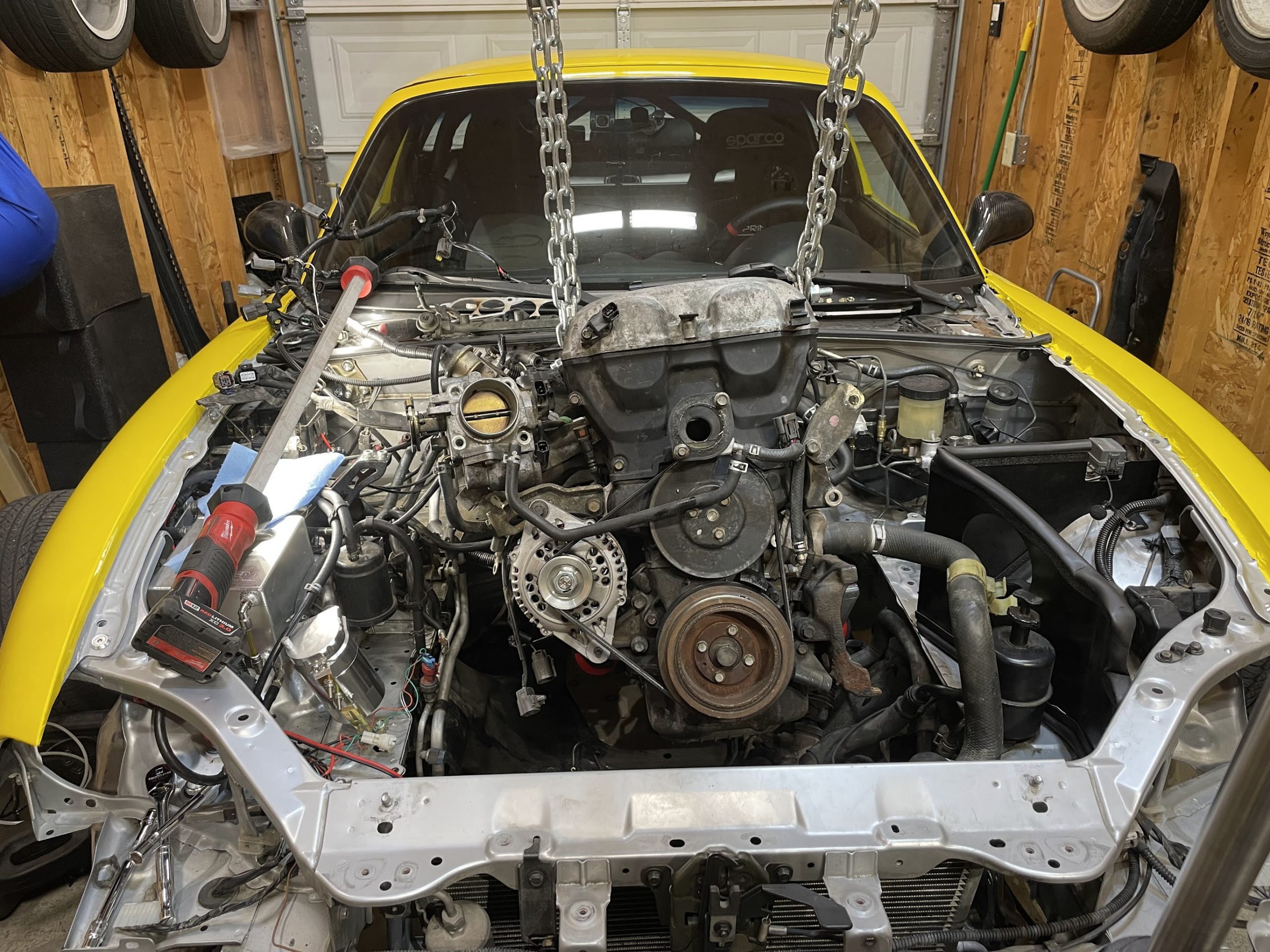
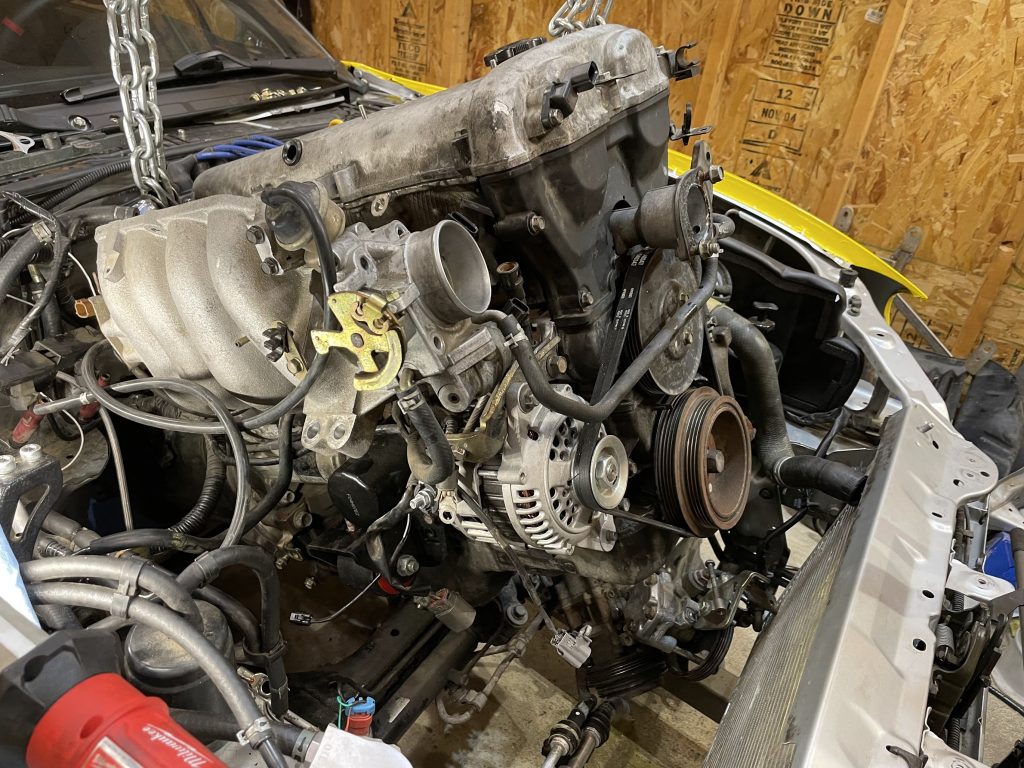
The extraction of the 1.8-liter BP engine from the NB chassis is a well-documented procedure, yet it requires precision to avoid damage to the firewall and wiring harness. The methodology employed for this project involved removing the engine and transmission as a unified unit from the top of the engine bay. This approach, while requiring a higher lift angle, simplifies the re-alignment of the input shaft and clutch assembly during the reinstallation phase.
Rear Main Seal and Transmission Gaskets
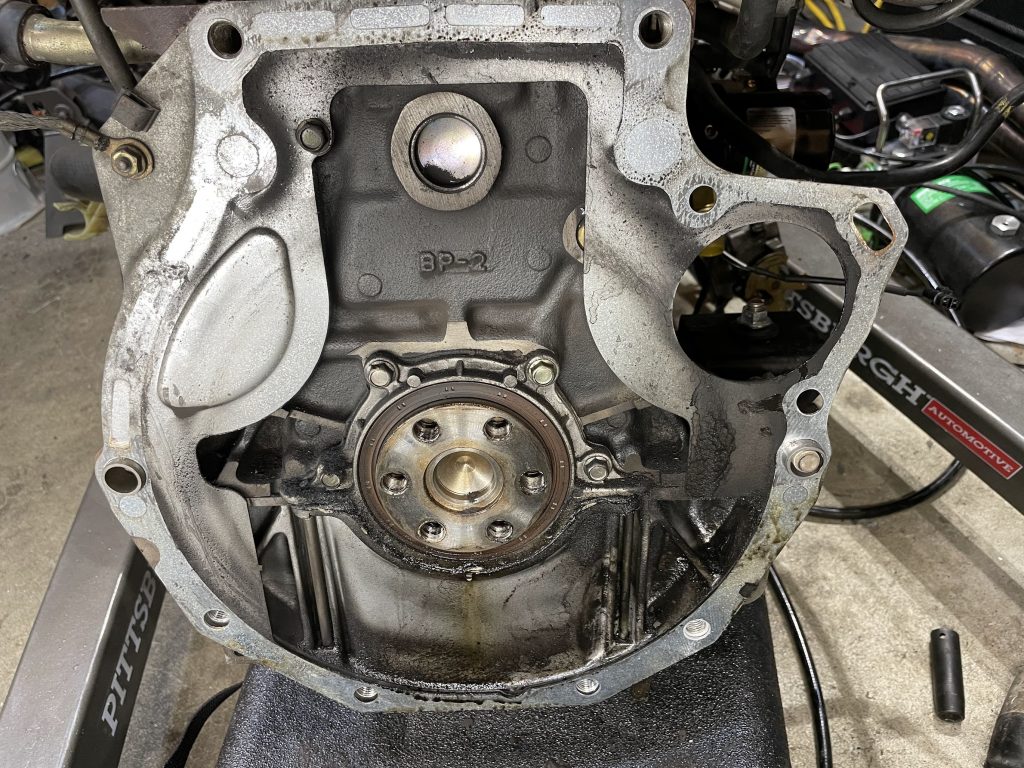
Upon extraction, the extent of the oil saturation confirmed that the rear main seal had reached the end of its service life. The Mazda BP engine is often compared to classic British roadsters regarding its tendency to develop "character-defining" oil leaks. To mitigate this, a comprehensive sealing strategy was implemented. This involved the use of a specialized rear main seal installer tool, sourced from industry specialist Flyin’ Miata, to ensure the seal was seated at the precise depth required to avoid the wear grooves often found on high-mileage crankshafts.
In addition to the engine seals, the transmission’s input and output shaft seals were replaced. Observations during the teardown revealed a minor leak at the rear output shaft, validating the decision to service the gearbox while it was detached from the chassis.
Structural Repair of the Oil Pan
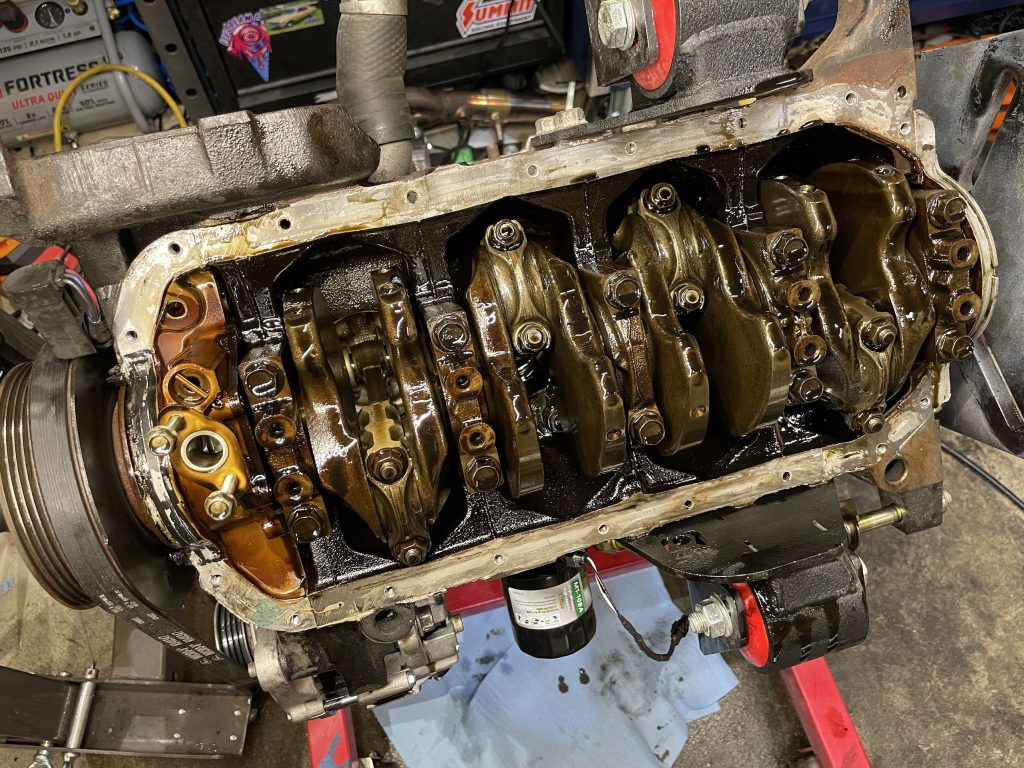
The oil pan on the NB Miata serves a structural role, contributing to the rigidity of the engine block. The removal process is notably complex due to a baffle plate sandwiched between the block and the pan, secured with Room Temperature Vulcanizing (RTV) silicone. During the disassembly, it was noted that the baffle plate is prone to deformation if forced; successful removal requires careful separation of the RTV bonds on both sides of the plate. A replacement pan with intact drain plug threads was installed, utilizing a new oil pickup tube gasket to prevent oil starvation—a critical step in any BP engine refresh.
Drivetrain Optimization: Clutch and Flywheel Integration
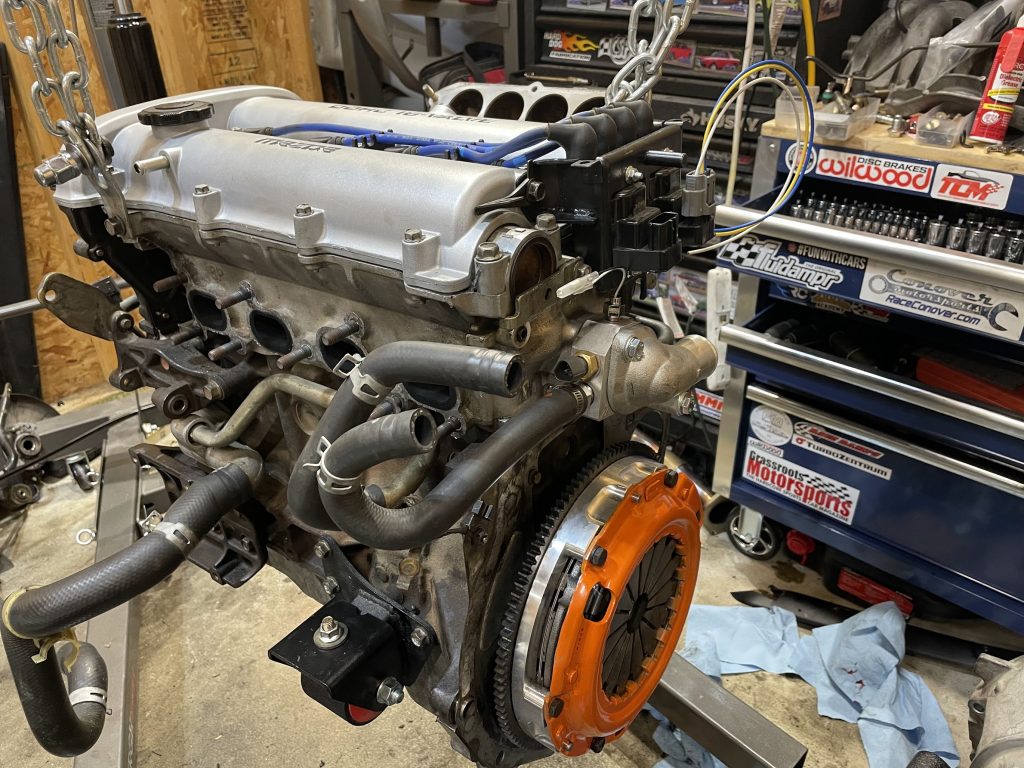
With the engine separated from the transmission, the project shifted toward enhancing the vehicle’s kinetic characteristics. The factory clutch and flywheel, likely original to the vehicle, were replaced with components designed by Supermiata, a firm specializing in MX-5 racing development.
Rotational Mass and Rev-Matching
The installation of a 9lb aluminum flywheel represents a significant reduction in rotational inertia compared to the stock unit, which typically weighs approximately 18-20 lbs. The physical implication of this change is a marked increase in the engine’s ability to gain and shed RPMs rapidly. This is particularly beneficial during downshifting and rev-matching on a circuit, where throttle response is paramount.
Torque Capacity and Driveability
The selected Supermiata Sport Clutch utilizes an organic friction material, designed to maintain factory-like engagement characteristics while offering a higher torque ceiling. This ensures the drivetrain can accommodate future forced induction or high-compression builds without the "on-off" harshness associated with ceramic or puck-style racing clutches. Initial testing indicated a brief break-in period characterized by a low release point and distinct thermal odors, which typically subside as the friction surfaces mate.
Thermal Management: The Coolant Reroute System
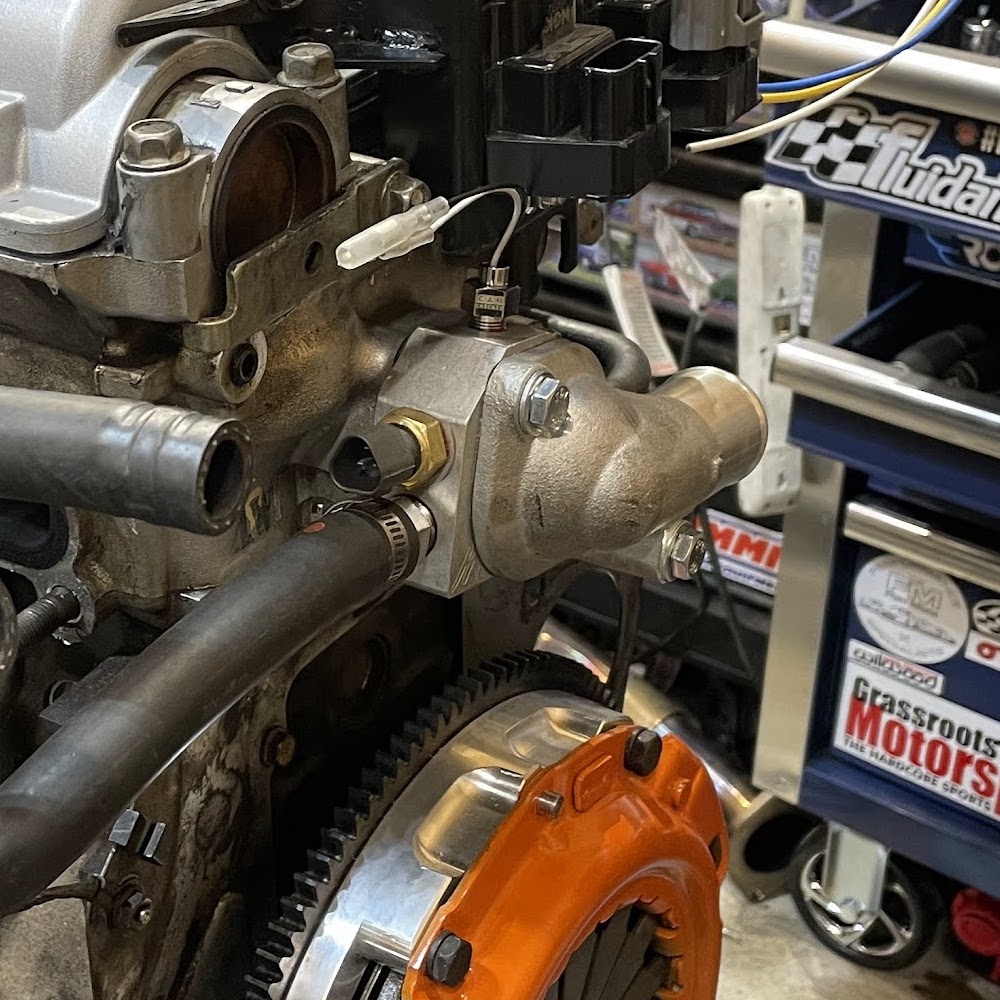
One of the most critical modifications performed was the installation of a coolant reroute kit from Hawley Performance. To understand the necessity of this modification, one must look at the history of the Mazda B-series engine.
Engineering Context
The BP engine was originally designed for transverse mounting in front-wheel-drive applications (such as the Mazda 323). In that configuration, coolant entered one side of the head and exited the other, ensuring even thermal distribution across all four cylinders. When Mazda adapted the engine for the rear-wheel-drive Miata, they moved the thermostat housing to the front of the engine for easier serviceability. This created a "dead end" at the back of the cylinder head, causing cylinders three and four to run significantly hotter than cylinders one and two.
Implementation and Results
The Hawley Performance kit effectively restores the original cooling path by moving the thermostat to the rear of the head. While this makes future thermostat changes more difficult due to the proximity of the firewall, the benefits to engine longevity are substantial. Data collected post-installation showed a decrease in both steady-state coolant temperatures and oil temperatures. However, the modification introduces challenges in bleeding air from the cooling system, necessitating the use of specialized "spill-proof" funnels to ensure no air pockets remain trapped in the rear of the head.
Induction and Aesthetic Refinement
The final phase of the mechanical overhaul involved the installation of a "Flattop" intake manifold, a component sourced from the European and Japanese Domestic Markets (EUDM/JDM).
Volumetric Efficiency
The North American 2000 model year NB Miata originally featured the Variable Inertia Charging System (VICS), which uses butterfly valves to alter the effective runner length. While effective for mid-range torque, the VICS system adds mechanical complexity. The EUDM "Flattop" manifold (also known as the "Square Top") is highly sought after by North American enthusiasts because it lacks these internal butterflies and features a larger plenum volume, which has been shown to improve high-RPM airflow and top-end horsepower—critical for track applications.
Surface Finishing
To complement the mechanical upgrades, the valve cover and the new intake manifold were stripped and refinished in an OEM-plus aluminum coating. This choice was made for its durability and ease of maintenance, providing a clean, professional appearance that resists the visible wear and tear common with polished or brightly colored finishes.
Analysis of Outcomes and Future Projections
Approximately 500 miles after the reinstallation of the powertrain, a minor oil leak was detected at the rear of the engine. This highlights a persistent challenge in automotive restoration: even with specialized tools and new components, the interface between high-mileage castings and new seals can be unpredictable.
Risk Mitigation and the "Spare Engine" Strategy
In response to the recurring leak and the desire for zero-downtime reliability, the project has transitioned into a multi-engine strategy. A high-quality used BP4W engine has been sourced from a specialized importer in the United Kingdom (Prestige Spares). This secondary engine will undergo a blueprinted rebuild, allowing for a rapid swap should the current leak escalate or should the owner decide to pursue a more aggressive performance build.
Broader Implications for the Enthusiast Community
This project underscores the evolving nature of Miata ownership. As the NB platform moves further away from its production years, the "maintenance-as-modification" philosophy becomes essential. By addressing inherent design flaws—such as the cooling path and the VICS limitations—owners are not merely repairing old cars but are re-engineering them to meet modern performance standards.
The integration of global market parts (the Flattop manifold) and specialist aftermarket engineering (Supermiata and Flyin’ Miata) demonstrates a mature ecosystem that continues to support the MX-5. The success of such projects relies heavily on the availability of platform-specific data and the willingness of owners to perform comprehensive, rather than incremental, service. Future reports will focus on the long-term durability of these modifications and the impact of safety-related chassis reinforcements on the vehicle’s overall dynamics.