Johny Imanuel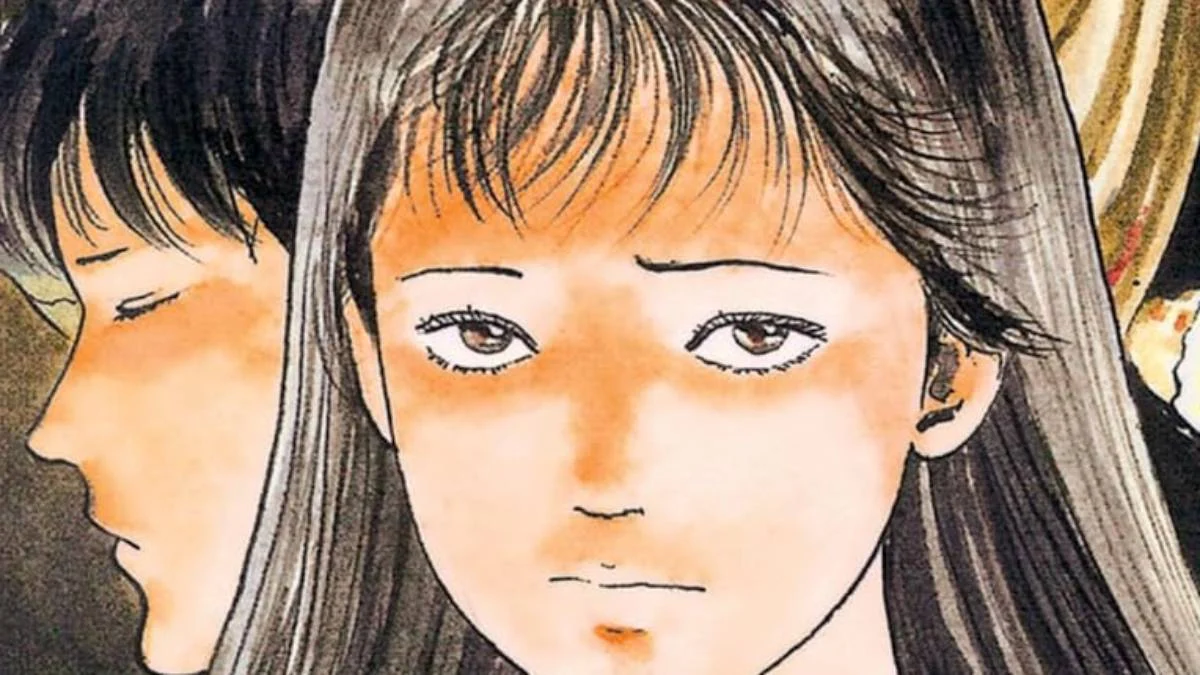
Historical Context and Serialization Timeline
The stories featured in Statues: Junji Ito Story Collection originate primarily from the years 1990 to 1992. This timeframe is crucial for understanding Ito’s development as an artist and storyteller. During this period, Ito was frequently contributing to Japanese horror magazines such as Gekkan Halloween and its various sister publications. These magazines were the breeding ground for modern J-horror tropes, emphasizing urban legends, school-based hauntings, and the intrusion of the grotesque into everyday life.
The chronological distribution of the works in this volume provides a glimpse into Ito’s prolific nature during the early nineties. "The Bridge" and "Red Thread," both published in 1990, represent some of the earlier entries in the collection. These stories demonstrate Ito’s early experimentation with traditional Japanese folklore and the physical manifestation of emotional trauma. By 1992, with the publication of "Suicide Note," Ito’s work had begun to take on a more complex psychological edge, blending the supernatural with the bleak realities of human despair.
While many of these stories were previously available in Japanese-language compilations or scattered throughout various international editions, the release of this specific collection by Viz Media is part of a broader strategic effort to consolidate Ito’s extensive bibliography into high-quality, standardized hardcover volumes. This initiative, often referred to as the "Junji Ito Library," has been instrumental in the revitalization of horror manga in Western markets.
A Comprehensive Inventory of the Collection
The anthology comprises 10 distinct stories, arranged to showcase the breadth of Ito’s imaginative reach. The table of contents includes:
- Red Thread: A narrative centered on a high school student who discovers a mysterious red thread embedded in his skin following a breakup, exploring themes of inescapable connections and physical mutilation.
- The Giver: A more surreal entry involving a son who distributes dolls created by his father under hypnotic suggestion, leaning into the "uncanny valley" and the loss of agency.
- The Bridge: A classic ghost story involving ancestral spirits and the weight of family history in a rural setting.
- The Circus has Come to Town: An exploration of the "sinister circus" trope, where the spectacle of the performance masks a series of deadly and disastrous outcomes.
- Hornet Nest: A story that utilizes Ito’s talent for rendering grotesque biological forms, focusing on the invasive and terrifying nature of the natural world.
- Town of Maps: A conceptual horror piece where the physical geography of a town becomes a source of supernatural disorientation.
- Statues: The titular story, which investigates mysterious disappearances and deaths linked to a school’s art room, focusing on the horrifying transformation of the human form into inanimate objects.
- Die Young: A narrative that touches on the societal obsession with youth and the terrifying consequences of beauty.
- Scarecrow: One of Ito’s more recognizable concepts, dealing with the reanimation of the dead through agricultural effigies.
- Suicide Note: A grim exploration of the supernatural echoes left behind by the deceased.
Thematic Analysis: Body Horror and the Uncanny
The works within this collection are generally categorized into two distinct thematic pillars: visceral body horror and atmospheric, "Twilight Zone"-style oddities.
In stories like "Red Thread" and "Statues," Ito utilizes his background as a former dental technician to render anatomical distortions with clinical precision. This technical expertise allows him to create imagery that is not merely frightening but physically revolting to the viewer. The concept of the "senninbari" (a thousand-stitch belt) in "Red Thread" is subverted from a protective charm into a parasitic, subcutaneous curse, reflecting a common Ito theme: the subversion of traditional symbols of safety or affection into sources of agony.
Conversely, stories such as "Town of Maps" and "The Giver" rely on a sense of existential dread and the surreal. These narratives often lack a traditional "monster" or a clear-cut antagonist, instead focusing on a fundamental breakdown in the laws of reality. Industry analysts have noted that this variety is what makes Ito’s anthologies particularly successful in the North American market; they cater to fans of both "slasher" style horror and more cerebral, psychological thrillers.
Viz Media’s Role in the Global Manga Market
The release of Statues: Junji Ito Story Collection is a testament to the enduring commercial viability of horror manga. According to market data from the NPD Group and various publishing industry reports, manga sales in North America saw an unprecedented surge between 2020 and 2023, with horror becoming one of the fastest-growing sub-genres.
Viz Media has capitalized on this trend by positioning Junji Ito as a "prestige" brand. Unlike many manga series that are released in small, inexpensive paperbacks, Viz’s Ito releases are typically large-format, hardcover editions with high-quality paper and original cover art. This strategy has successfully targeted both the traditional manga reader and the broader "graphic novel" market found in mainstream bookstores like Barnes & Noble and independent retailers.
The "Ito-renaissance" has been further bolstered by cross-media adaptations. The 2023 release of the Netflix series Junji Ito Maniac: Japanese Tales of the Macabre introduced a new generation of viewers to his stories, many of which are featured in this and similar collections. This synergy between streaming platforms and print media has created a feedback loop that sustains high demand for back-catalog material from the 1990s.
Editorial Standards and Preservation
From a journalistic and archival perspective, Statues: Junji Ito Story Collection serves as a preservation project. Manga from the early 1990s often suffers from degrading original film or lost assets. Viz Media’s commitment to high-fidelity reproduction ensures that Ito’s intricate linework—characterized by heavy cross-hatching and obsessive detail—is presented as clearly as possible.
The translation process also plays a critical role in the reception of these works. Translators working on Ito’s material must balance the cultural nuances of Japanese urban legends with the need to make the horror relatable to a Western audience. In "The Bridge," for instance, the lore surrounding hometown spirits requires a delicate touch to maintain the "unsettling" nature of the original text without over-explaining the supernatural elements, which can often dissipate the fear.
Broader Impact and Genre Influence
The influence of the stories found in this collection extends beyond the medium of manga. Ito’s approach to body horror has been cited as an inspiration by numerous Western creators in film, gaming, and literature. The "art room horror" seen in the story "Statues" echoes through modern survival horror video games, where the transformation of humans into statues or mannequins is a recurring motif.
Furthermore, the collection highlights the timeless nature of Ito’s work. Despite being over 30 years old, the stories in this volume do not feel dated. This is largely due to Ito’s focus on universal fears: the loss of autonomy, the betrayal of the body, and the terrifying indifference of the supernatural. While technology and fashion in the stories may reflect the early 90s, the core psychological triggers remain potent for contemporary audiences.
Critical Reception and Audience Engagement
While individual stories in the collection may not reach the iconic status of Ito’s long-form masterpieces like Uzumaki or Tomie, the anthology format is often cited by critics as the best way to experience Ito’s creativity. The short story format allows him to present a singular, terrifying concept, execute it with maximum visual impact, and conclude before the premise loses its potency.
Feedback from the horror community suggests that "Red Thread" and "The Circus has Come to Town" are likely to be the standout tracks for fans of the grotesque, while "Town of Maps" is frequently discussed in academic circles for its unique take on spatial horror. The inclusion of "Suicide Note" provides a somber, more grounded conclusion to the volume, reminding readers of the human cost that often underlies Ito’s supernatural fantasies.
In summary, Statues: Junji Ito Story Collection is more than a mere reprint of old material; it is a vital component of the modern horror landscape. It provides a necessary bridge between Ito’s early experimental years and his later status as a master of the craft. As Viz Media continues to mine the depths of Ito’s archives, this collection stands as a definitive example of why his work continues to resonate across borders and decades. For the publishing industry, it confirms that there is a deep, sustained appetite for horror that challenges the senses and the psyche in equal measure.