Vera Clarissa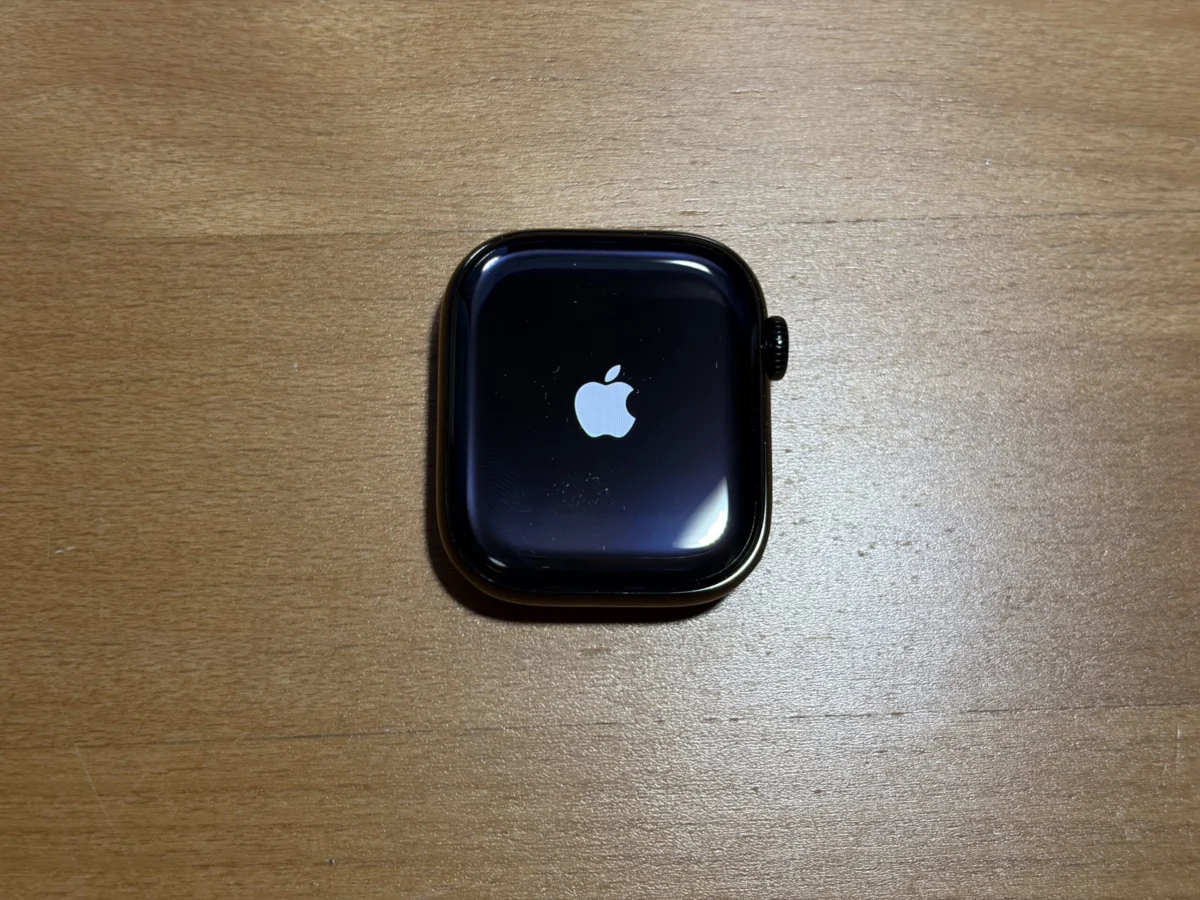
The arrival of the latest Apple Watch, the Series 11, marks a significant point in the wearable technology market, not just for its new features, but also for the evolving perspective of long-time users. This transition is exemplified by the experience of a dedicated Apple user who, after years of reliance on an aging Apple Watch Series 3, has upgraded to the new model, reflecting broader trends in consumer adoption and the perceived utility of smartwatches in contemporary life. The user’s journey highlights the natural lifecycle of technology, the impact of performance degradation, and the strategic decisions consumers make when balancing cost, functionality, and brand loyalty.
A User’s Perspective: From Series 3 to Series 11
The narrative begins with a user’s long-standing relationship with the Apple Watch, specifically the Series 3 model acquired in 2017. This device, a companion through multiple iPhone upgrades, eventually succumbed to the inevitable limitations of aging technology. By 2023, the Series 3’s battery health had significantly deteriorated, leading to noticeable performance issues, including stuttering animations. Despite wearing the device for nearly six years, its utility had diminished primarily to basic timekeeping and notification delivery, a stark contrast to the more integrated smart experiences often envisioned for such devices.

This observation aligns with a broader sentiment among some tech enthusiasts who, despite initial excitement in the mid-2010s, now view smartwatches more as sophisticated smartphone companions rather than standalone powerhouses. The user’s previous experience with a Series 2 model, acquired with a deteriorating battery and subsequently damaged during a battery replacement, further underscored the need for a more reliable and current device. The catalyst for the upgrade to the Series 11 was a combination of observing a partner’s positive experience with a Series 8 and a compelling offer from a mobile carrier, T-Mobile, which presented a "reasonable" price point for the new model.
The Strategic Upgrade: T-Mobile’s Role and Consumer Incentives
The role of telecommunications providers in facilitating consumer upgrades for premium devices like the Apple Watch cannot be overstated. T-Mobile’s promotional offer for the Apple Watch Series 11 played a crucial role in the user’s decision-making process. While the specifics of the offer are not detailed in the provided content, such promotions typically involve device subsidies, installment plans, or bundled deals that reduce the upfront cost of the smartwatch, making it more accessible to a wider consumer base.
These carrier-led initiatives are a strategic move to enhance customer loyalty and increase average revenue per user (ARPU) by integrating wearable technology into their service ecosystems. For consumers, these offers provide a financial incentive to adopt newer models, especially when their current devices are nearing the end of their effective lifespan or when the perceived value proposition of the latest iteration is high. The user’s acknowledgment of the T-Mobile offer as "reasonable" suggests that the pricing structure and potential savings were significant factors in their decision to proceed with the purchase.
Unboxing the Series 11: Design and Aesthetic Evolution
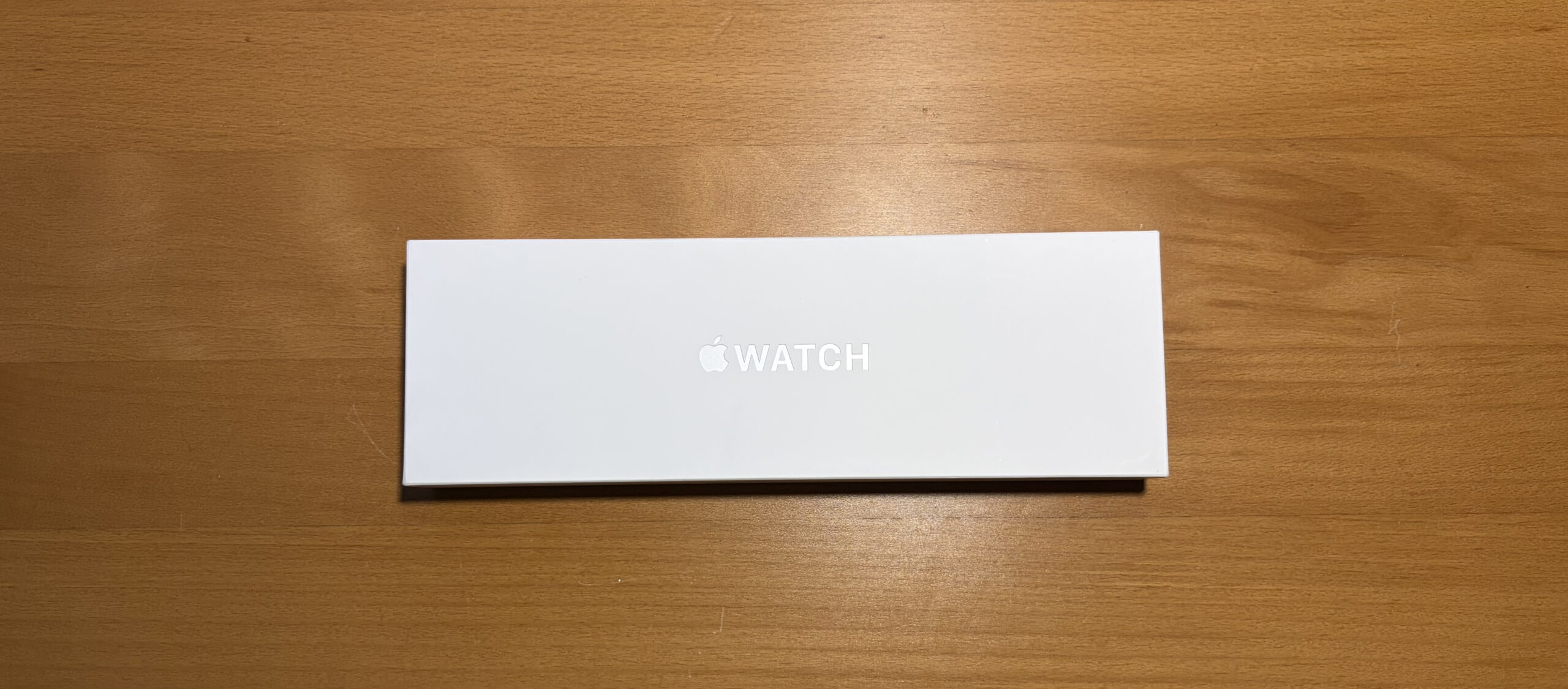
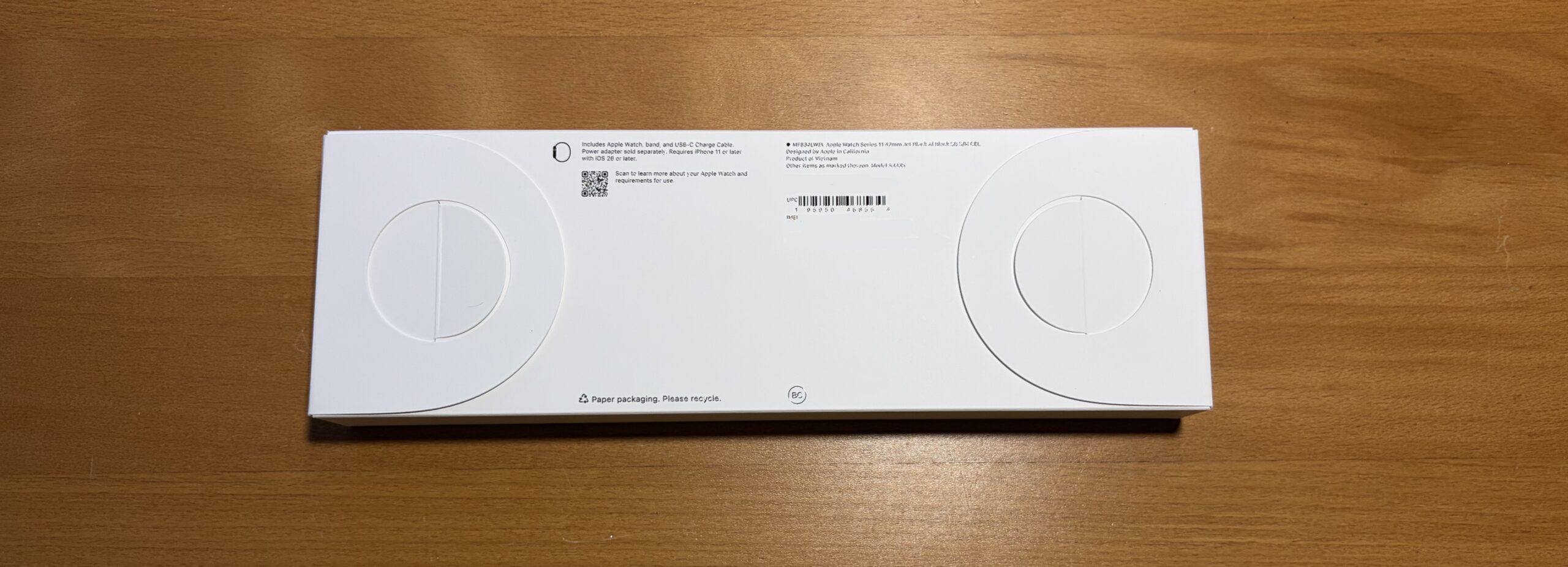
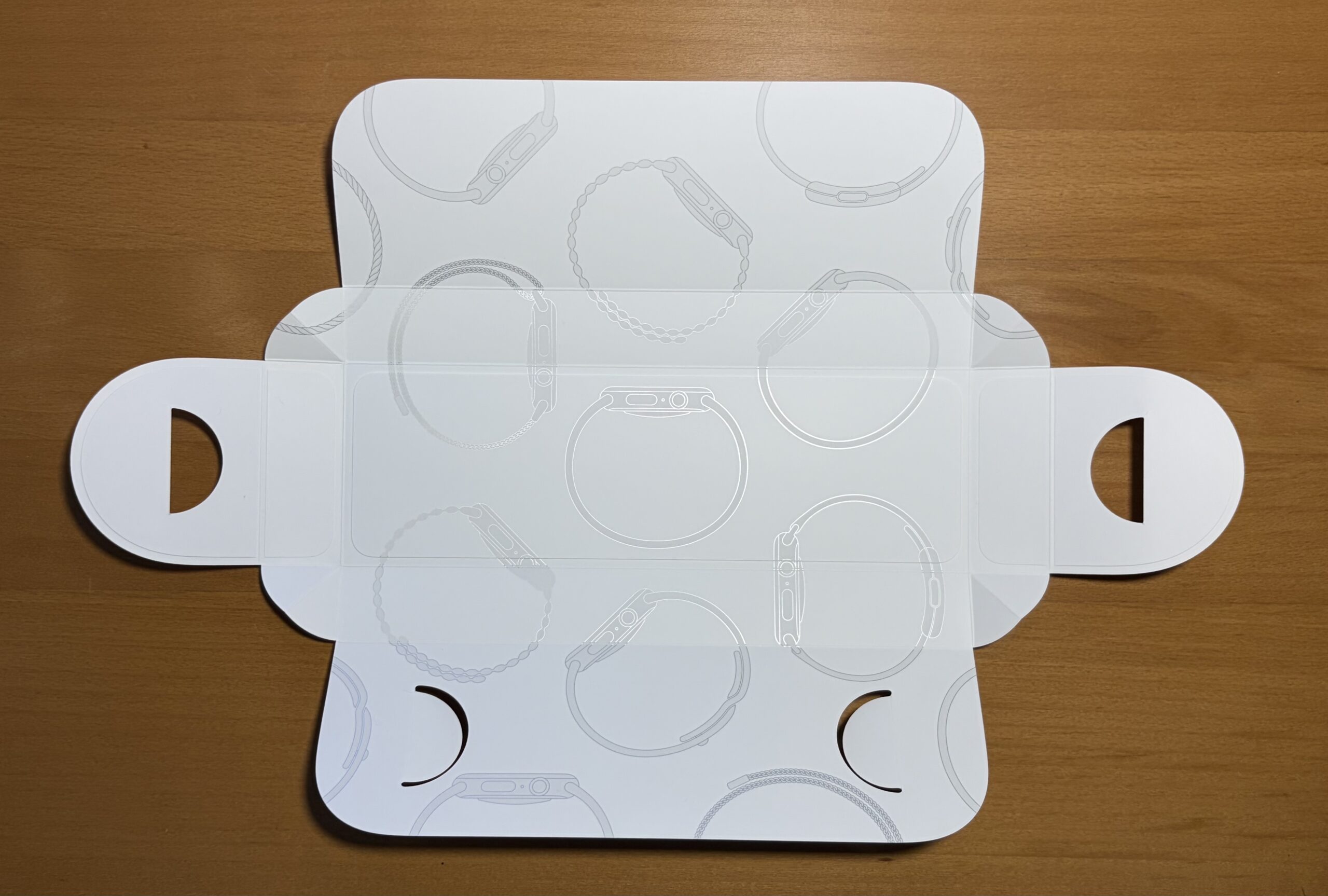
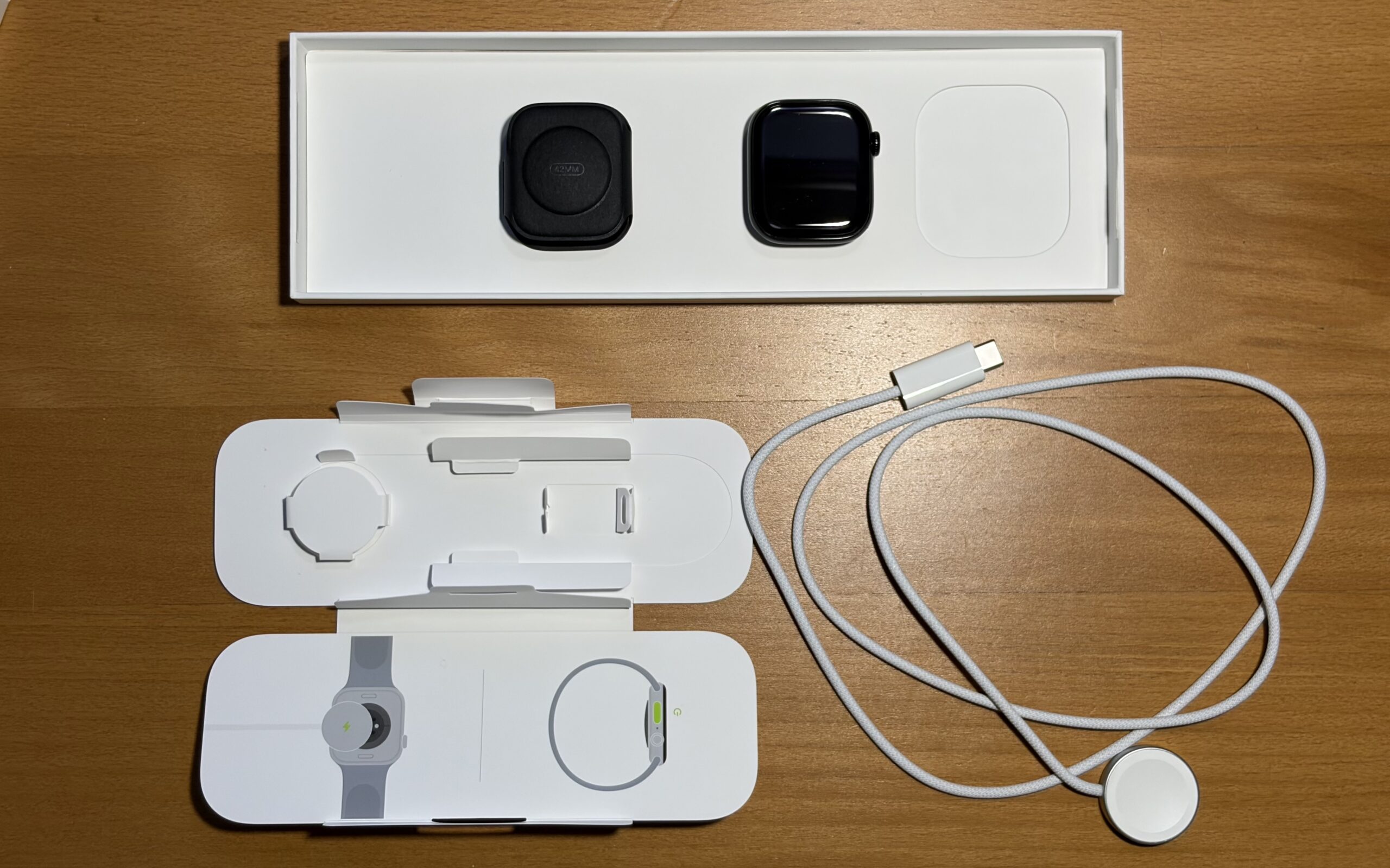
The unboxing experience of the Apple Watch Series 11 reveals a keen attention to detail in packaging and product presentation, a hallmark of Apple’s design philosophy. The packaging itself featured intricate designs, including stylized etchings of Apple Watches on the inside, adding a subtle yet premium touch to the unboxing ritual. This level of detail often contributes to the overall perceived value of the product and enhances the consumer’s initial engagement.
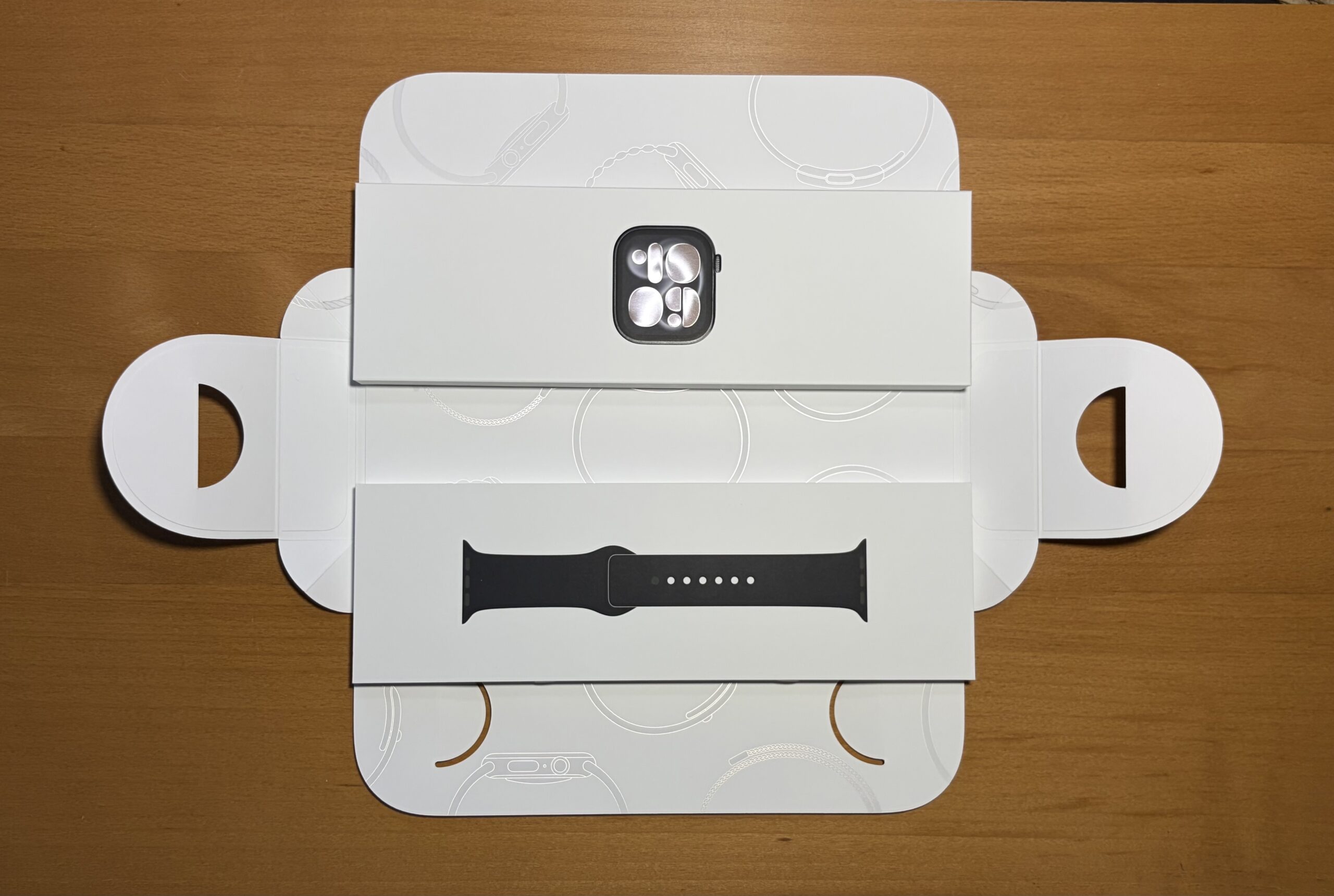
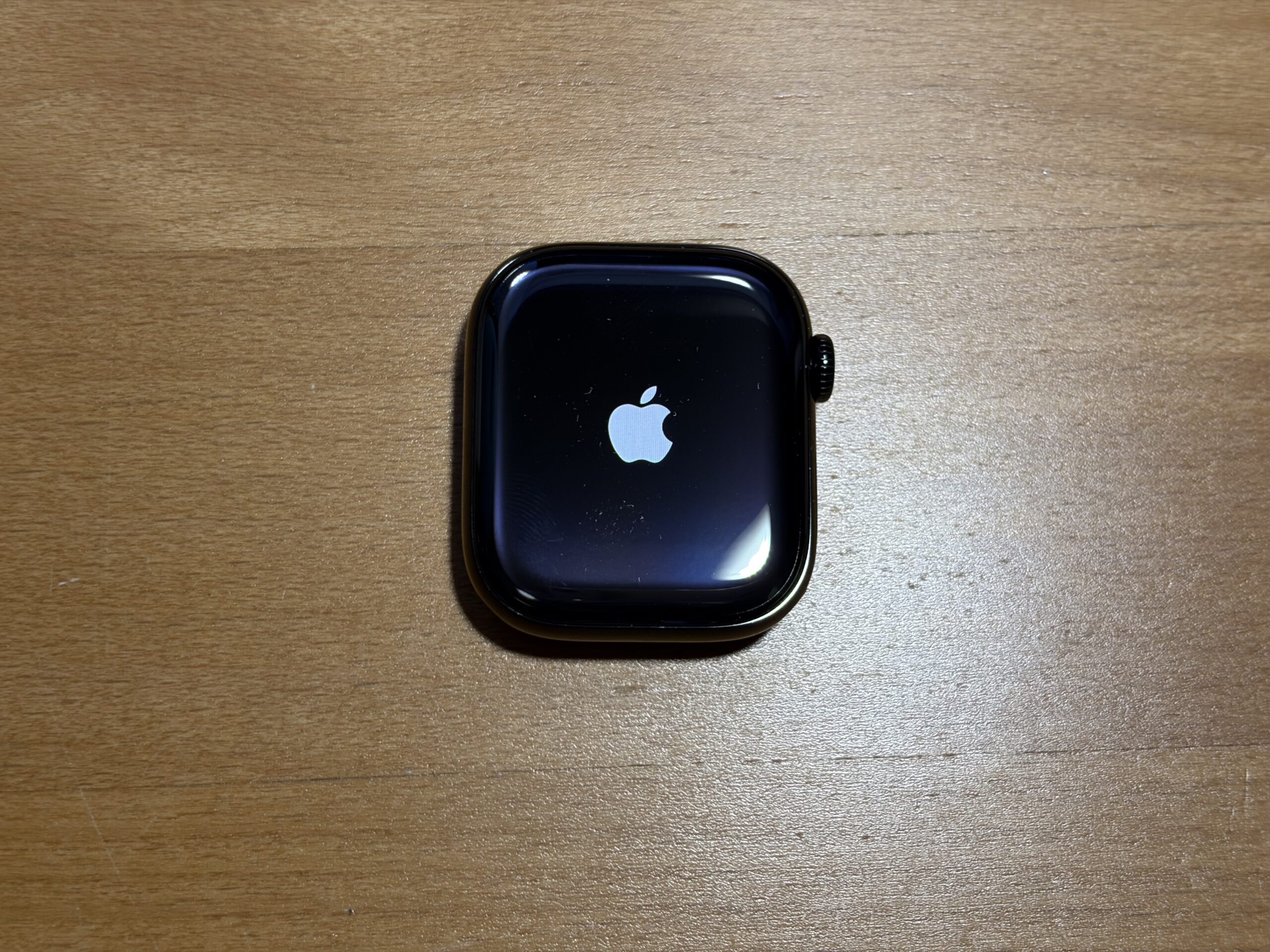
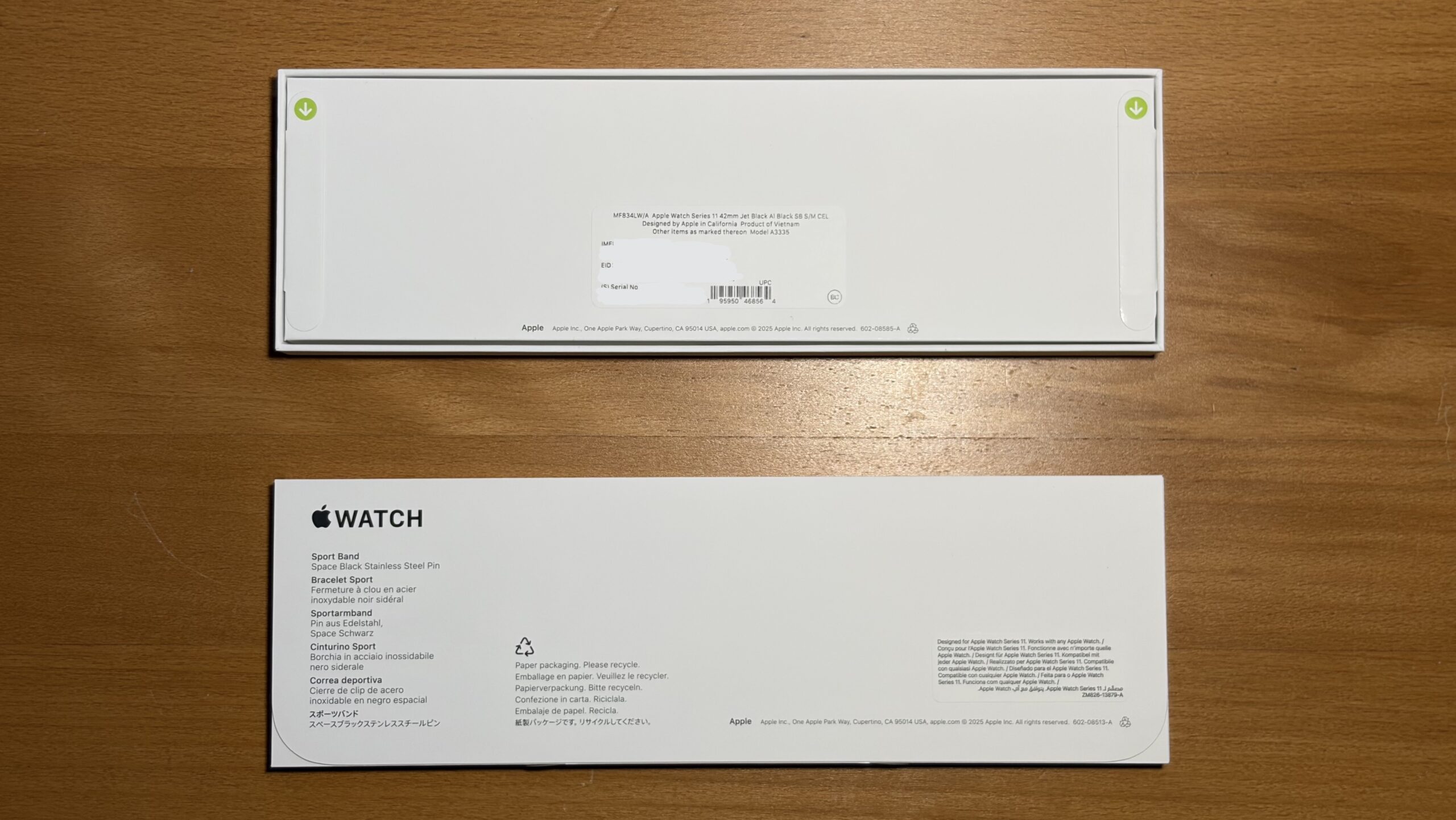
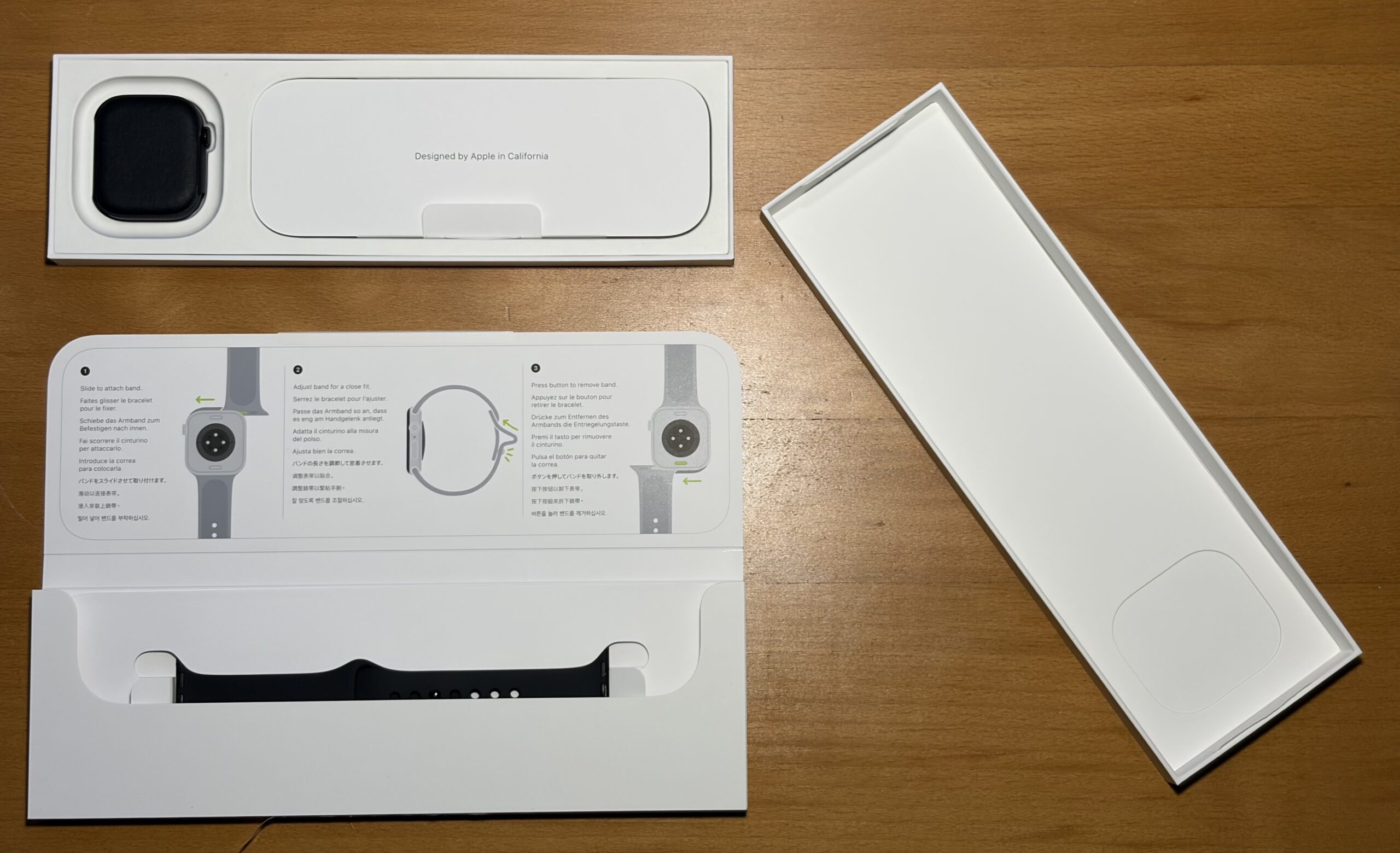
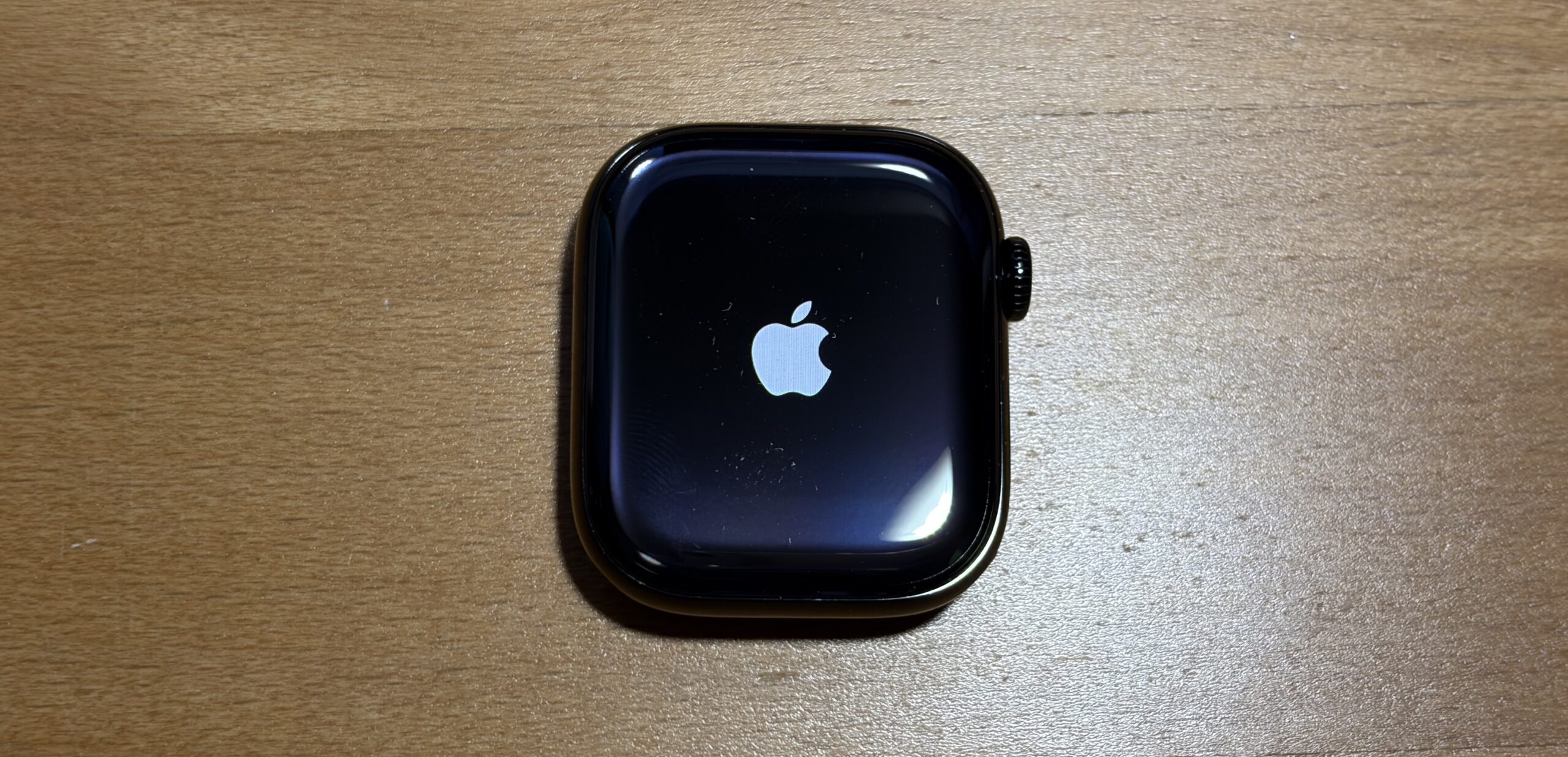
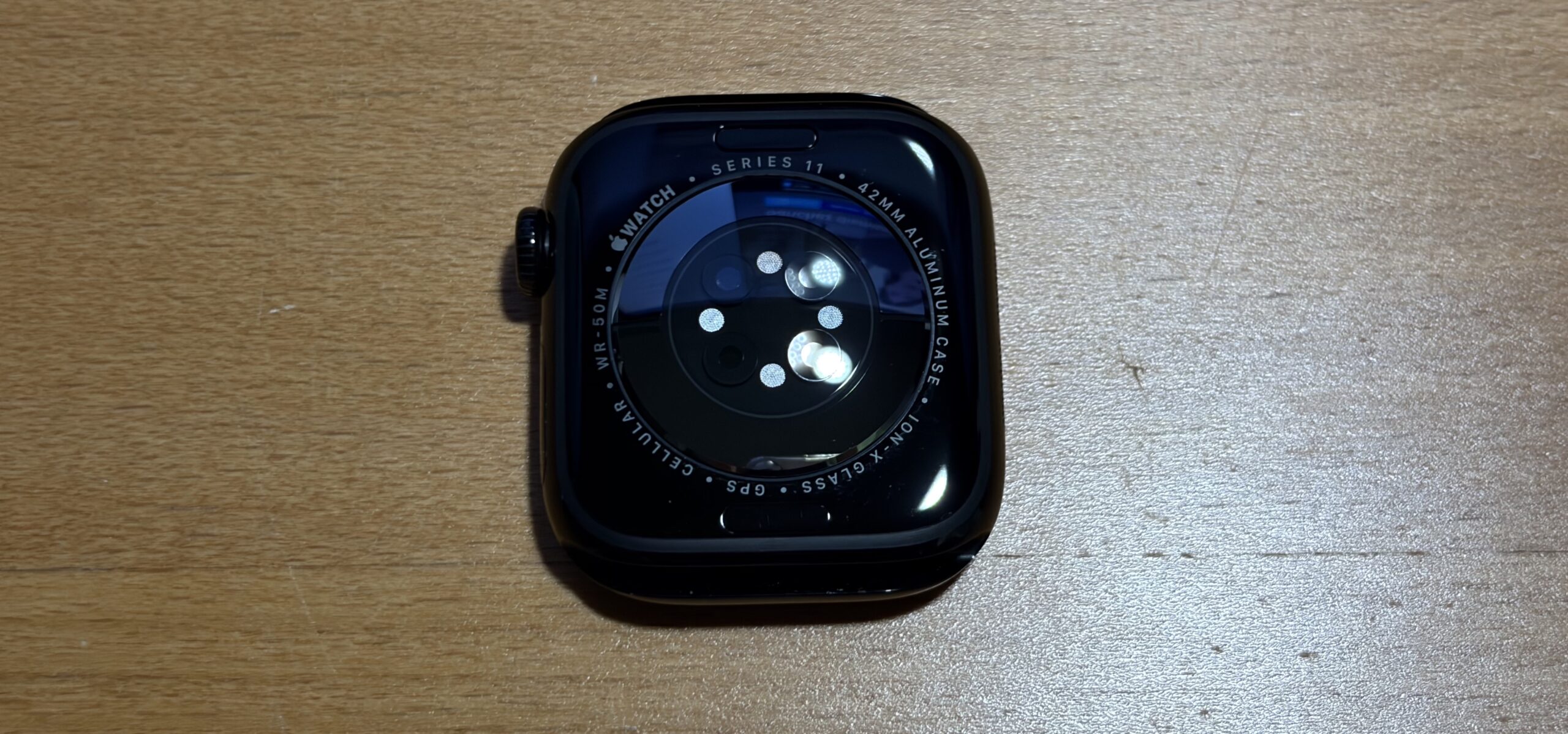
A significant aspect of the user’s unboxing was the selection of the "Jet Black" color for the watch case. This choice was motivated by a desire for a subtle yet aesthetically pleasing finish. The user was particularly struck by the sleek, all-around shiny appearance of the Jet Black Series 11, drawing a parallel to the aesthetic of the iPhone 7 in Jet Black. This finish was described as resembling "shiny obsidian glass stone," leading the user to affectionately nickname the watch "Obsidian." This personal connection to the product’s design underscores the emotional and aesthetic considerations that influence consumer satisfaction beyond mere functionality.
Band Compatibility and the Circular Economy of Accessories
The user’s experience also touched upon the practical aspect of accessory compatibility, specifically watch bands. A preference for Milanese loops was noted due to their ease of adjustment, removal, and wear. The user also highlighted the successful reuse of a "knockoff silver colored Metal watch band" that had previously been used with a Series 2 Apple Watch. This band, despite not being a perfect 1:1 fit for the new Series 11, "snaps in, stays in place, and feels secure enough to use."
This observation has several implications. Firstly, it speaks to Apple’s consistent design language and its commitment to backward compatibility for accessories, even across different generations of the Apple Watch. Secondly, it reflects a growing consumer trend towards sustainability and resourcefulness, where users seek to maximize the lifespan of their accessories. While the user intends to acquire a band that better matches the Jet Black finish, the ability to immediately use a previously owned accessory provides a seamless transition and reduces the immediate need for new purchases. This also suggests a healthy third-party accessory market that often provides cost-effective alternatives to official Apple products.
The Evolving Role of the Smartwatch in the Digital Ecosystem
The user’s reflection on their evolving perception of smartwatches from potential standalone devices to smartphone companions is a critical point. The initial hype surrounding smartwatches in their early years often centered on the promise of liberating users from their phones. However, as the technology has matured, the reality for many has settled into a more integrated model. The Apple Watch, in particular, has found its strongest utility when paired with an iPhone, enhancing the smartphone experience through convenient access to notifications, health tracking, fitness monitoring, and quick interactions.
This shift in perspective can be attributed to several factors:
- Technological Limitations: Early smartwatches often struggled with battery life, processing power, and cellular connectivity to truly operate independently.
- Ecosystem Integration: Apple’s strength lies in its tightly integrated ecosystem. The Apple Watch’s most powerful features are unlocked when connected to an iPhone, enabling seamless data synchronization and access to a broader range of applications.
- User Behavior: Consumers have become accustomed to using their smartphones for more complex tasks. The smartwatch has thus evolved into a more specialized device, excelling at providing glanceable information and facilitating quick actions without requiring the user to pull out their phone.
- Focus on Health and Fitness: While notification management remains a core function, the Apple Watch has increasingly emphasized its role as a health and fitness companion. Features like ECG, blood oxygen monitoring, fall detection, and advanced workout tracking have become significant selling points, further solidifying its place as an integrated health tool rather than a standalone computing device.
The user’s experience with the Series 3, where its functionality was largely reduced to time and notifications, is a testament to how performance degradation and feature obsolescence can limit a device’s perceived value over time. The upgrade to the Series 11, therefore, is not just about acquiring a new gadget but about re-engaging with the potential of wearable technology when it is operating at its optimal performance and with the latest software enhancements.
Broader Implications and Future Trends
The adoption of the Apple Watch Series 11 by users like the one described reflects several key trends in the technology sector:
- Product Lifecycles and Planned Obsolescence: The lifespan of consumer electronics, particularly smart devices, is a subject of ongoing discussion. While the Series 3 served for six years, its eventual decline in performance highlights the challenges of supporting older hardware with newer software updates and the increasing demands of modern applications. This can lead to a cycle of upgrades driven by performance rather than just the desire for new features.
- The Maturation of the Smartwatch Market: The smartwatch market, once nascent and experimental, has matured significantly. Devices are now more refined, feature-rich, and integrated into broader lifestyle and health management strategies. The Apple Watch, in particular, has solidified its position as a market leader, driving innovation and setting expectations for the industry.
- The Importance of Carrier Partnerships: The role of mobile carriers in distributing and promoting smartwatches is becoming increasingly important. Their ability to offer attractive pricing and financing options can significantly influence consumer purchasing decisions and drive adoption rates. This symbiotic relationship benefits both the device manufacturers and the carriers, as it increases device sales and customer engagement.
- Sustainability and Accessory Reuse: The user’s ability to reuse an older watch band points towards a growing awareness of sustainability and the potential for extending the life of accessories. As consumers become more conscious of their environmental impact, the ability to maintain compatibility with older accessories can be a significant factor in their purchasing decisions.
Looking Ahead: A Continued Evolution
The user’s intention to return to regular content creation for Low End Mac signifies a personal recommitment to engaging with the technology landscape. The mention of upcoming content related to "new Tech Specs, the MacBook Neo, and other new things going on at Apple" suggests a broad interest in Apple’s product development and strategic direction. This renewed engagement, sparked by the experience with the new Apple Watch, underscores the personal impact that technological advancements can have on individuals and their broader participation in the tech community.
The Apple Watch Series 11, therefore, represents more than just a hardware upgrade; it embodies the ongoing evolution of wearable technology, the strategic interplay between manufacturers and service providers, and the evolving relationship between consumers and their digital companions. As Apple continues to innovate, the experiences of users like the one detailed here will provide valuable insights into the direction of personal technology and its place in our daily lives. The journey from a six-year-old Series 3 to a "shiny obsidian" Series 11 illustrates a user’s pragmatic approach to technology, balancing nostalgia with the demands of modern performance and the allure of a well-timed offer.