Ganda Hendra Perkasa
The Game History Archive, a prominent institution dedicated to preserving and making accessible the rich legacy of video game development, has announced a substantial expansion of its digital library. This week’s update focuses on enriching two already established collections: the Mark Flitman papers and the Andrew Nelson papers. These additions represent not just new acquisitions but also a deepening of the existing archives, incorporating previously missed materials and upgrading the quality of existing digital assets. The ongoing commitment to these collections underscores the Archive’s mission to provide researchers, historians, and enthusiasts with an unparalleled resource for understanding the evolution of interactive entertainment.
The expansion comes as both Mark Flitman and Andrew Nelson have recently provided additional packages of materials to the Archive. These contributions include items that were inadvertently omitted during the initial cataloging process, as well as materials that have been rescanned to a higher resolution to ensure optimal viewing and preservation. This proactive approach to collection management highlights the Archive’s dedication to maintaining the highest standards of archival integrity and accessibility.
Mark Flitman Papers: Deepening the Dive into Development Milestones
The Mark Flitman papers have received a significant influx of new materials, further illuminating some of his most impactful projects within the game development industry. While specific details of the newly added content were not fully enumerated in the announcement, the implication is that these additions will provide even greater insight into Flitman’s creative processes and contributions. Flitman is recognized for his work on numerous seminal titles, and the expansion of his collection is expected to offer new perspectives on the challenges and innovations of game development during his tenure.
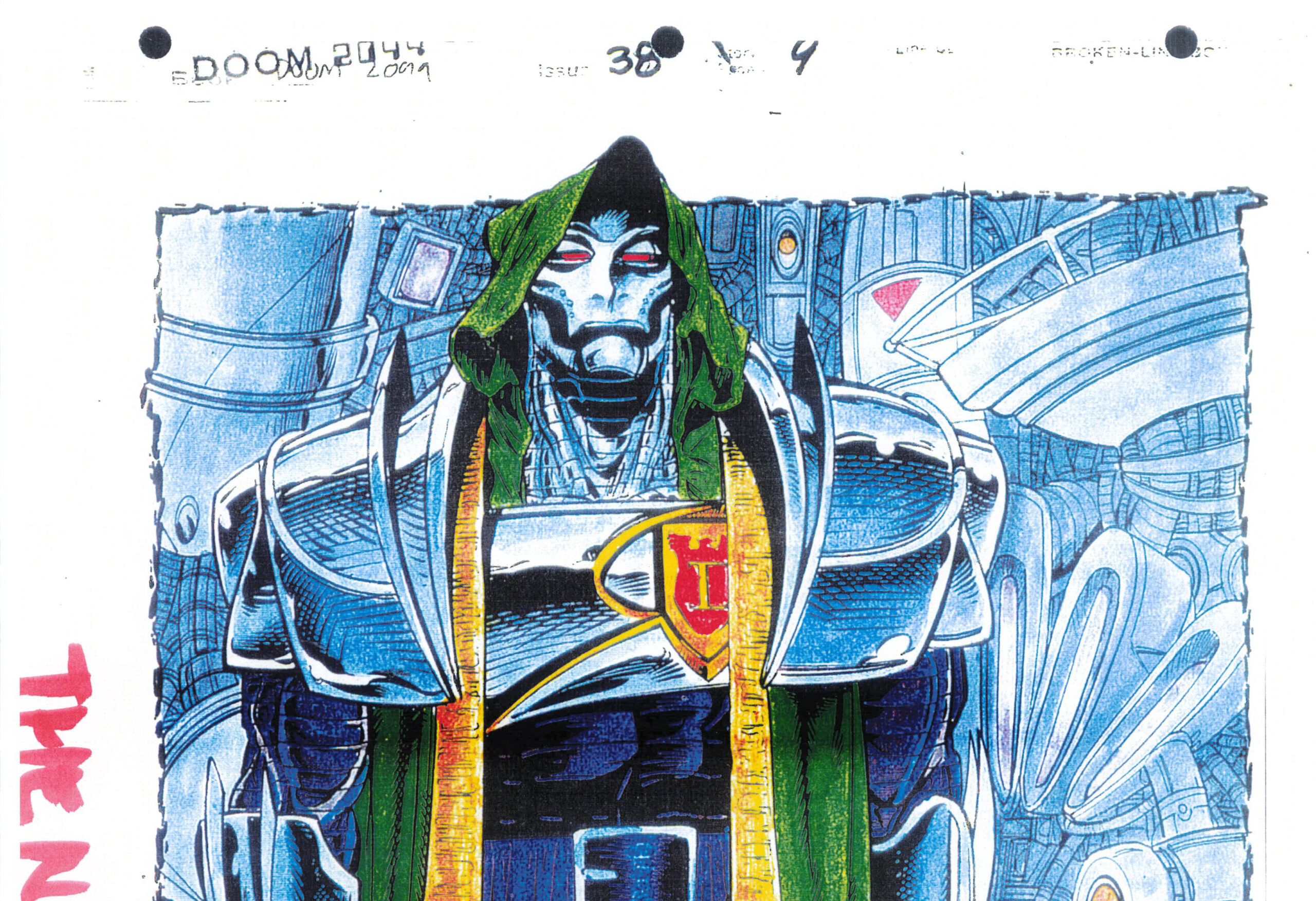
The Archive’s previous cataloging of Flitman’s work likely included a broad range of documents such as design outlines, concept art, programming notes, and marketing materials. The newly acquired items are anticipated to offer more granular details, potentially including early-stage sketches, iterative design documents, or even personal correspondence that sheds light on the collaborative dynamics of game development teams. For instance, if Flitman was involved in projects known for their groundbreaking mechanics or narrative structures, these new additions could provide the foundational documents that trace the genesis of those innovations. The process of developing a video game is notoriously iterative, with numerous concepts explored and discarded. New materials could reveal these "lost" ideas, offering a more complete picture of the decision-making processes that shaped the final products.
Andrew Nelson Papers: Unveiling Design Documents and Visual Storytelling
Similarly, the Andrew Nelson papers have been augmented with a substantial quantity of new design documents. Nelson, a notable figure in game design, has had his contributions to various projects meticulously documented. The latest additions are particularly exciting for their potential to showcase the visual and narrative planning that underpins complex game experiences.
Among the highlights from Andrew Nelson’s collection are materials related to visual storytelling and narrative sequencing. The announcement specifically mentions a storyboard for a scene titled "Letter Sequence w/ Flashback," which depicts a lost treasure superimposed with the graphic of a handwritten letter. This particular item offers a tangible example of how game designers translate abstract narrative concepts into visual representations. Storyboards are crucial tools in pre-production, serving as a blueprint for animators, artists, and directors, ensuring a cohesive vision for cinematic or narrative sequences within a game.
The inclusion of such detailed storyboards allows for an analysis of narrative pacing, camera angles, and emotional beats. The "Letter Sequence w/ Flashback" storyboard, in particular, suggests a narrative technique that relies on layered storytelling, where present events are interwoven with past experiences, often through the medium of found documents like letters. This method is common in adventure games and narrative-driven titles, aiming to create intrigue and provide backstory organically. The juxtaposition of a lost treasure and a handwritten letter implies a mystery or a quest rooted in personal history, a common trope that can be explored with great depth through careful visual design.

The presence of these documents within Nelson’s collection provides invaluable insight into the early stages of game development, where abstract ideas are first given visual and structural form. Researchers can analyze the evolution of these scenes from initial concept to potential implementation, understanding the artistic and technical decisions made along the way. This level of detail is essential for anyone seeking to understand the craft of game design beyond the final product.
The Importance of Archival Augmentation and Preservation
The continuous growth and refinement of digital archives like those maintained by the Game History Archive are critical for several reasons. Firstly, they ensure the long-term preservation of invaluable historical artifacts that might otherwise be lost to time, neglect, or digital obsolescence. Secondly, these archives democratize access to information, allowing a global audience to study and appreciate the history of video games without the need for physical travel or access to private collections.
The process of receiving additional materials from donors like Flitman and Nelson, and then meticulously cataloging and digitizing them, represents a significant investment of time and resources. The decision to rescan items at higher quality speaks to the Archive’s commitment to providing the most comprehensive and high-fidelity digital representations possible. In an era where digital formats evolve rapidly, ensuring high-quality scans is crucial for future accessibility and research. This is particularly relevant for visual assets, where subtle details in artwork or text can be vital for historical analysis.
Supporting Data and Industry Context
The video game industry, now a multi-billion dollar global enterprise, has a relatively short but intensely dynamic history. The early decades, from the 1970s through the 1990s, were characterized by rapid technological advancement and creative experimentation. Collections like those of Mark Flitman and Andrew Nelson represent the foundational work that shaped modern gaming. Understanding the development processes of this era provides crucial context for the innovations that followed.
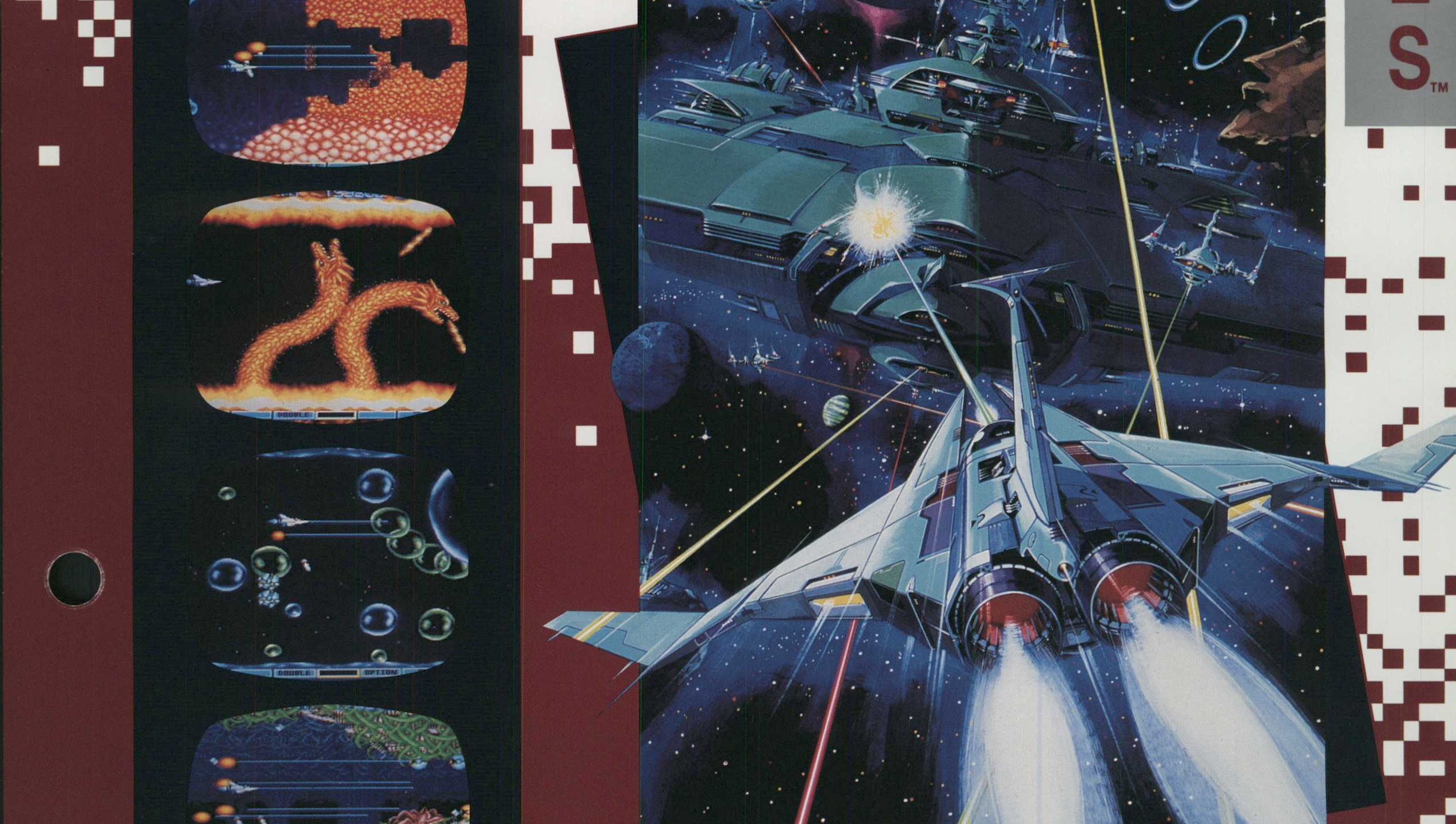
For example, the shift from 2D pixel art to 3D polygonal graphics, the evolution of artificial intelligence in games, and the development of sophisticated narrative structures all have roots in the design philosophies and technical solutions pioneered by individuals like Flitman and Nelson. Access to their papers allows for a deeper understanding of the challenges they faced, such as limited processing power, memory constraints, and evolving player expectations. The iterative nature of game design, as evidenced by the inclusion of multiple drafts and storyboards, highlights the trial-and-error process that is inherent to creative industries.
The sheer volume of data generated during game development is immense. A single AAA game title today can involve hundreds of artists, designers, programmers, and writers, producing terabytes of digital assets. Archiving even a fraction of the materials from earlier eras provides an invaluable snapshot of how these complex projects were conceived and executed with far fewer resources. The Game History Archive’s efforts in collecting and organizing these materials are therefore essential for mapping the trajectory of this complex and influential medium.
Broader Implications and Future Research
The ongoing expansion of the Game History Archive’s digital library has significant implications for the academic study of video games, as well as for the broader cultural understanding of this art form. By making these primary source materials accessible, the Archive empowers researchers to conduct in-depth analyses of game design, narrative construction, artistic evolution, and the business of the industry.
The detailed documentation from individuals like Flitman and Nelson can inform new theories about creativity, collaboration, and innovation in digital media. For instance, the analysis of storyboards can contribute to fields like visual communication and narrative theory. Examining the evolution of design documents can reveal insights into project management and team dynamics within creative industries.
Furthermore, these archives serve as a vital resource for game developers themselves, offering inspiration and historical context for contemporary design challenges. By understanding the solutions that early developers devised for technical and creative hurdles, current creators can gain new perspectives and avoid reinventing the wheel.
The Game History Archive’s commitment to continually updating and improving its collections demonstrates a forward-thinking approach to digital preservation. As technology advances and new forms of digital content emerge, the Archive’s ongoing efforts to secure, digitize, and enhance these materials will ensure that the history of video games remains accessible and relevant for generations to come. The contributions of Mark Flitman and Andrew Nelson, now further enriched within the Archive’s digital vaults, represent a significant step in this ongoing endeavor, providing invaluable resources for anyone interested in the fascinating journey of video game development. The Archive’s reliance on donor support for these critical initiatives underscores the community-driven nature of historical preservation in this dynamic field.