Indra Gunadi
BrewOtaku, a bimonthly English-language print magazine launched in 2024, has rapidly established itself as a critical voice within the burgeoning retro-gaming community, particularly by focusing on new homebrew game development for classic hardware. With a stated mission to "level up your library for less than a health potion," the publication offers a unique blend of affordability and dedicated support for the independent development scene, including an unprecedented policy of providing free digital copies to those who cannot afford it, underscoring its commitment that "everyone deserves to play." This innovative approach, combining a tangible print format with a highly accessible digital option, positions BrewOtaku at the intersection of nostalgia, community engagement, and forward-thinking journalistic practice within the specialized niche of vintage gaming systems.
The magazine’s core content revolves around new games created for 8-bit, 16-bit, and 32-bit systems, encompassing iconic platforms from Commodore, Nintendo, Sega, Atari, Sinclair, MSX, and others. This deliberate focus distinguishes BrewOtaku from many retro-gaming publications that primarily review existing classic titles or focus on emulation and historical retrospectives. Instead, BrewOtaku champions the vibrant, ongoing creativity within the homebrew community, which continues to push the boundaries of aged hardware. Each issue features a dedicated "Homebrew-News-Corner," over 30 full reviews of new titles, in-depth interviews with developers, and articles exploring retro-gaming culture and development techniques.
The Genesis of BrewOtaku: A Niche Carved in Pixels
The launch of BrewOtaku in 2024 is not merely the introduction of another gaming magazine; it signifies a maturing phase for the retro-gaming and homebrew movements. For decades, the enthusiasm for classic video games simmered, largely confined to online forums, emulation communities, and small collector circles. However, in the late 2010s and early 2020s, a significant resurgence in interest propelled retro gaming into the mainstream. This revival was fueled by several factors: a desire for simpler gaming experiences, the artistic appreciation of pixel art and chiptunes, the inherent collectibility of vintage hardware and software, and critically, the advent of sophisticated tools and platforms that empowered independent developers to create new games for old systems.
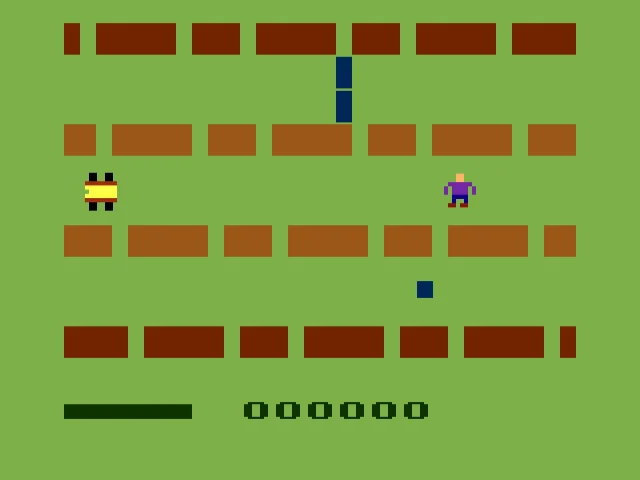
The homebrew scene, as it is colloquially known, represents the pinnacle of this creative resurgence. It comprises a diverse global community of programmers, artists, and musicians who dedicate countless hours to developing original games, porting existing titles, or creating utilities for systems long considered obsolete by mainstream industry standards. These projects often breathe new life into consoles and computers from the late 1970s through the mid-1990s, extending their longevity and demonstrating their untapped potential. The Commodore 64, NES, SNES, Sega Genesis, Atari 2600, Amiga, and various MSX computers are not just relics; they are active development platforms.
BrewOtaku recognized a critical gap in the media landscape: while online blogs and YouTube channels covered homebrew to some extent, there was no dedicated, high-quality print publication providing a curated, comprehensive, and regular overview. The decision to launch a print magazine in an increasingly digital world is itself a statement, appealing to the tactile sensibilities of collectors and enthusiasts who appreciate physical media. The magazine aims to be the "essential" guide, offering structured information, professional reviews, and a tangible artifact that celebrates this unique segment of gaming culture. Its bimonthly cadence ensures a steady stream of fresh content, keeping pace with the active, albeit niche, development cycle of homebrew games.
Content and Editorial Philosophy: Championing the Homebrew Renaissance
BrewOtaku’s editorial philosophy is deeply rooted in supporting and elevating the homebrew scene. The "Homebrew-News-Corner" serves as a vital aggregator, providing updates on new game announcements, development progress, and community events, offering a centralized resource for enthusiasts. The inclusion of "30+ full reviews" per issue is particularly noteworthy. This extensive coverage demonstrates a commitment to thoroughly evaluating a wide array of new homebrew titles, a task often challenging due to the fragmented nature of the scene and the varied quality of independent releases. These reviews not only guide readers to worthy games but also provide valuable feedback to developers, fostering an environment of continuous improvement.
Interviews with homebrew developers, artists, and musicians offer readers an intimate look into the creative process, technical challenges, and personal motivations behind these passion projects. These insights are crucial for understanding the dedication and skill required to work within the constraints of vintage hardware, often without the vast resources available to commercial game studios. Furthermore, articles on "retro-gaming & development related" topics delve into the history of specific systems, the evolution of development tools, programming techniques for classic hardware, and broader cultural analyses of retro gaming. This comprehensive approach ensures that BrewOtaku is not just a review aggregator but a holistic resource for understanding the past, present, and future of classic gaming.
The magazine’s stated goal to "offer partners direct access to this core group of technically savvy enthusiasts" highlights its strategic role as a bridge between homebrew creators, hardware modders, peripheral manufacturers, and a dedicated consumer base. This facilitates a symbiotic ecosystem where innovation can thrive, and niche products can find their audience. Industry analysts suggest that by centralizing information and fostering a strong community around its publication, BrewOtaku helps legitimize and organize a segment of the gaming world that might otherwise remain largely decentralized and underappreciated by broader audiences.
Accessibility and Community Engagement: A Model for Inclusivity
Perhaps the most distinctive and impactful aspect of BrewOtaku’s strategy is its unparalleled commitment to accessibility. The magazine offers a digital issue for a modest €3.50, with a premium paper edition available for those who prefer a physical copy. However, it is the "no questions asked" policy for providing a free digital version upon request that truly sets BrewOtaku apart. This altruistic approach, encapsulated by the maxim "Everyone deserves to play," extends beyond mere game access to access to information, community, and culture.
In an era where many publications struggle with declining readership and the shift towards paywalls and subscription models, BrewOtaku’s decision to offer its content for free to those who cannot afford it is a bold statement. This policy reflects a deep understanding of the homebrew community’s ethos, which often prioritizes sharing, collaboration, and passion over strict commercial gain. It implicitly acknowledges that economic barriers should not prevent enthusiasts from engaging with their passions or from contributing to the collective knowledge base.
Industry observers note that this model, while potentially impacting immediate revenue, could significantly enhance BrewOtaku’s long-term standing and influence within the community. By removing financial barriers, the magazine can reach a broader audience, fostering greater engagement and potentially cultivating a more loyal readership. Those who receive free copies might become advocates for the magazine, contributing to word-of-mouth marketing, and might choose to support BrewOtaku financially in the future when their circumstances improve. This approach aligns with the open-source spirit often found in homebrew development, where knowledge and tools are frequently shared freely. It’s a strategy that prioritizes community building and cultural preservation over strict profit maximization, potentially creating a sustainable model through broad community goodwill and a passionate core of paying supporters.
The Print Paradox: Bridging Digital Nostalgia with Tangible Media
The choice of a print format for BrewOtaku in 2024 represents a fascinating paradox. In an increasingly digital world, where news consumption is dominated by screens and instant gratification, the decision to produce a bimonthly physical magazine might seem anachronistic. However, this choice is precisely what appeals to its target demographic. Retro gamers and collectors often harbor a deep appreciation for physical artifacts – the cartridges, floppy disks, game boxes, and instruction manuals that defined their early gaming experiences. A print magazine serves as a tangible extension of this collecting ethos.
The experience of holding a physical magazine, flipping through its pages, and admiring the layout and artwork offers a sensory experience that digital media cannot replicate. For many, it evokes a sense of nostalgia for a time when gaming magazines were a primary source of information and inspiration. The "premium with the paper edition" option caters directly to this desire for quality and collectibility. Such physical publications become keepsakes, worthy of display alongside vintage consoles and game libraries.
Moreover, print media offers a focused reading experience, free from the distractions of pop-up ads, notifications, and endless links that characterize online content. This allows for deeper engagement with the articles, reviews, and interviews. While the digital version ensures broad accessibility, the print edition solidifies BrewOtaku’s position as a premium, curated source of information for a discerning audience that values both content and presentation. This dual-format strategy effectively bridges the convenience of the digital age with the enduring appeal of physical media.
The Financial Model: Sustaining a Passion Project
Operating a niche print magazine with an inclusive "free access" policy presents unique financial challenges. BrewOtaku’s call to action – "Help us keep the homebrew stories coming – support BrewOtaku and fuel your obsession today!" – implicitly highlights a community-supported model. While the €3.50 digital price and premium print sales provide a revenue stream, the success of such an endeavor likely relies on a diversified financial approach.
Potential revenue sources and sustainability strategies for BrewOtaku could include:
- Direct Subscriptions and Sales: The primary source from paying digital and print readers.
- Advertising: Niche advertisers targeting the retro-gaming market, such as creators of reproduction cartridges, FPGA consoles, retro-themed merchandise, modding services, and indie game developers. By offering "direct access" to its "technically savvy enthusiasts," BrewOtaku presents a valuable platform for these businesses.
- Merchandise: Branded merchandise (t-shirts, posters, mugs) appealing to the magazine’s readership.
- Patreon/Crowdfunding: A common model for passion projects in the indie and niche content space, allowing dedicated fans to provide recurring financial support beyond subscription costs.
- Partnerships and Sponsorships: Collaborations with events, conventions, or hardware manufacturers in the retro-gaming space.
The "no questions asked" free access policy, while philanthropic, also serves as a long-term investment in community loyalty and goodwill. It positions BrewOtaku as a champion of the scene, potentially leading to increased engagement, content contributions, and a stronger collective identity that can translate into indirect financial support through other channels. The perceived value of the magazine, enhanced by its ethical stance, might encourage those who can afford it to pay more or contribute in other ways.
The Landscape of Retro-Gaming Media: Competitors and Collaborators
The retro-gaming media landscape is vibrant and diverse, ranging from large-scale online communities like Reddit’s r/retrogaming, dedicated YouTube channels producing documentaries and reviews, to specialized blogs and forums. BrewOtaku differentiates itself through several key factors: its exclusive focus on new homebrew development for classic systems, its high-quality print format, and its unique accessibility policy.
While other publications might cover retro gaming, they often focus on historical analyses, re-releases, or broad emulation topics. BrewOtaku’s niche within the homebrew scene means it isn’t directly competing with these broader outlets but rather serving a specific, highly engaged segment. This focus allows for greater depth and authority in its chosen field.
There is also significant potential for collaboration. BrewOtaku could partner with homebrew developers for exclusive reveals, feature prominent community members, or even sponsor game development competitions. By integrating itself deeply into the fabric of the homebrew community, it can become an indispensable resource and a central hub for news, reviews, and cultural exchange, thereby solidifying its unique position and expanding its influence.
Looking Ahead: The Future of BrewOtaku and the Homebrew Scene
The future of BrewOtaku is intrinsically linked to the continued vitality of the homebrew scene and the broader retro-gaming movement. As technology advances, the tools for developing games on vintage hardware become more sophisticated, potentially lowering the barrier to entry for new creators. This could lead to an even greater proliferation of homebrew titles, providing BrewOtaku with a rich and continuous stream of content.
Challenges for BrewOtaku include maintaining its high editorial standards, managing the logistics of print publication and distribution, and ensuring financial sustainability in a niche market. The "no questions asked" policy, while laudable, requires careful balancing to ensure the magazine’s long-term viability. However, the strong sense of community and shared passion within the retro-gaming world could prove to be its greatest asset.
Ultimately, BrewOtaku represents more than just a magazine; it embodies a movement. It is a testament to the enduring appeal of classic gaming hardware and the boundless creativity of independent developers. By providing a dedicated platform for these stories, reviews, and insights, and by making this content accessible to all, BrewOtaku is not only fueling obsessions but also actively contributing to the preservation and evolution of a cherished part of gaming history. Its journey, beginning in 2024, is set to be a significant chapter in the ongoing narrative of retro gaming.