Edi Durjana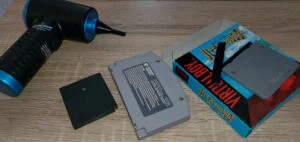
In a significant development for the digital preservation and retro gaming communities, prominent RetroArch developer Jesse Talavera has officially announced the launch of ROM Cleaner, a novel utility core designed to combat the pervasive issue of data degradation in digital game backups. This innovative tool, integrated directly into the versatile RetroArch ecosystem, aims to ensure the long-term playability and reliability of digital ROM collections, extending their lifespan against the relentless march of digital entropy. The announcement, made through official channels, highlights Talavera’s continued commitment to enhancing the user experience and safeguarding gaming history, building upon his already substantial contributions to the platform.
The Ever-Present Threat of Digital Degradation
The concept of data degradation, often referred to as "bit rot," poses a critical challenge to the longevity of digital media, including the meticulously curated ROM collections cherished by retro gamers and preservationists. Unlike physical media, which succumbs to visible decay such as disc rot or tape decomposition, digital files are susceptible to silent, insidious corruption. This can manifest as flipped bits, file system errors, or metadata inconsistencies that render a once-functional ROM unbootable or unstable. While the initial act of "dumping" a game cartridge or disc creates a pristine digital backup, the subsequent storage and handling of these files over time can introduce subtle errors, making the preservation of digital artifacts a continuous battle. Researchers and archivists continually grapple with the complexities of maintaining data integrity across various storage mediums, from hard drives and SSDs to cloud solutions, all of which are subject to different failure modes and environmental influences. The advent of ROM Cleaner directly addresses this often-overlooked aspect of digital archival, providing a proactive solution for users.
Jesse Talavera: A Legacy of Innovation within RetroArch
Jesse Talavera is a name well-regarded within the Libretro and RetroArch development circles, known for his pragmatic and impactful contributions. His previous work includes the development of the melonDS DS core, which brought robust Nintendo DS emulation to RetroArch, and McSoftServe, another utility core that demonstrated his flair for unique problem-solving within the emulation landscape. Furthermore, Talavera has been instrumental in implementing crucial enhancements to RetroArch itself, such as improved microphone support and the integration of XDelta softpatching, features that significantly expand the platform’s functionality and user convenience. These projects underscore a developer who not only understands the intricate technicalities of emulation but also possesses a keen sense for practical utilities that enrich the overall user experience. ROM Cleaner, therefore, is not an isolated endeavor but a logical extension of Talavera’s vision to push the boundaries of what RetroArch can offer, moving beyond mere emulation to encompass active digital media maintenance. His consistent track record of delivering high-quality, user-centric solutions positions ROM Cleaner as a highly anticipated and potentially indispensable tool for the community.
Introducing ROM Cleaner: A Novel Approach to Digital Remediation
At its core, ROM Cleaner is presented as a "unique utility core" designed specifically for RetroArch, with the explicit mission to restore digital ROM backups to their optimal, day-one operational state. The article humorously, yet pointedly, describes its function as ridding files of "dust that’s accumulated over the years." This metaphorical "dust" represents the aforementioned digital corruptions and minor errors that accumulate over time, preventing ROMs from loading or functioning correctly. The most intriguing aspect of ROM Cleaner, as described by Talavera, lies in its unconventional user interface: "All you need is a microphone and a set of lungs."
While the literal act of blowing into a microphone to cleanse digital data might initially evoke images of blowing into a dusty NES cartridge—a common, albeit scientifically dubious, retro gamer ritual—the professional context and the developer’s history suggest a sophisticated, albeit playfully described, technical process. It is understood that this unique interaction serves as an intuitive, perhaps even symbolic, user input mechanism for initiating a complex digital analysis and repair sequence. Instead of a literal expulsion of dust, the microphone input could potentially be utilized for various purposes:
- Unique User Authentication/Activation: A specific vocal pattern or sound input could serve as a novel way to confirm user intent and initiate the cleaning process, adding a layer of interactive engagement.
- Environmental Calibration: Microphone input might be used to assess ambient noise or even the user’s vocal characteristics, which could then be integrated into a personalized algorithm for file analysis or error detection.
- Symbolic Interaction: The act itself could be designed as a user-friendly metaphor for "breathing new life" into a corrupted file, making a complex technical process feel more approachable and engaging for the average user.
Regardless of the precise technical implementation behind the "microphone and lungs" interaction, the core function remains the digital remediation of corrupted ROM files. This likely involves a suite of advanced algorithms capable of:
- Checksum Verification and Correction: Comparing the current file’s checksum against known good hashes (if available) and attempting to repair minor discrepancies.
- Error Detection and Isolation: Identifying specific corrupted sectors or data blocks within the ROM file.
- Heuristic Analysis: Employing intelligent algorithms to infer and reconstruct missing or damaged data segments based on surrounding valid data and known ROM structures.
- Metadata Reconstruction: Repairing corrupted file headers or other critical metadata that prevents a ROM from being properly recognized by emulators.
By offering such a utility, ROM Cleaner fills a critical gap in the existing digital preservation toolkit, providing an accessible, integrated solution for RetroArch users to actively maintain the integrity of their game libraries without requiring specialized technical knowledge or external tools.
The Broader Impact on Digital Preservation and Retro Gaming
The introduction of ROM Cleaner carries significant implications for various stakeholders within the retro gaming and digital preservation spheres:
For Casual Gamers: Many users encounter the frustration of a ROM that simply won’t boot, often discarding it as "bad dump" without understanding the underlying cause. ROM Cleaner offers a user-friendly solution, potentially reviving countless unplayable titles and significantly improving the overall enjoyment and accessibility of their digital collections. It democratizes a complex preservation task, making it accessible to anyone using RetroArch.
For Collectors and Archivists: While professional archivists employ rigorous data integrity checks and redundant storage solutions, individual collectors often lack the resources or expertise for such measures. ROM Cleaner provides a practical, frontline defense against bit rot, helping to maintain the health of personal archives. It reinforces the ethos that preservation is an ongoing process, not a one-time event. This utility could become a standard step in the maintenance routine for serious collectors, alongside regular backups.
For the Emulation Community: RetroArch, through its Libretro API, has long championed modularity and the integration of diverse functionalities. ROM Cleaner extends this philosophy by proving that RetroArch can host not just emulators, but also essential utility cores that support the entire lifecycle of digital content. This precedent could pave the way for other innovative utility cores addressing different aspects of digital media management and preservation within the platform. It strengthens RetroArch’s position as a comprehensive digital media hub, rather than solely an emulation frontend.
The Mission of Libretro: Talavera explicitly states, "Our mission is to keep yesterday’s games playable and fun for generations." ROM Cleaner is a tangible embodiment of this mission. It moves beyond passive emulation to active intervention, ensuring that the cultural heritage embedded in video games remains accessible and functional for future generations. This initiative aligns perfectly with the broader goals of organizations dedicated to digital cultural heritage, by providing practical tools for community-driven preservation efforts.
Chronology and Development Insights
While the precise development timeline for ROM Cleaner remains largely undisclosed, Talavera mentioned its "secret development," implying a dedicated, perhaps solitary, effort over an extended period. This mirrors the iterative and often passionate development cycles characteristic of many open-source projects within the Libretro ecosystem. Developers like Talavera often work on multiple projects concurrently, driven by personal interest and community needs.
- Pre-2025: Talavera’s established reputation through projects like
melonDS DSandMcSoftServe, along with his work on RetroArch’s core functionalities (microphones, XDelta), likely provided the foundational knowledge and experience necessary for a utility as specialized as ROM Cleaner. His familiarity with RetroArch’s core architecture and the intricacies of ROM file formats would have been critical. - Conception and Secret Development (Likely 2024-Early 2025): The idea for a utility to combat digital degradation, combined with Talavera’s inventive approach, would have taken shape. The "secret" nature suggests a period of intensive research, algorithm development, and integration testing within the RetroArch framework, possibly as a side project alongside other commitments.
- Internal Testing and Refinement (Early 2025): Before public release, such a core would undergo rigorous internal testing to ensure its efficacy, stability, and compatibility across various platforms and ROM types. This phase would also involve refining the unique user interaction mechanism to be both effective and intuitive.
- Official Announcement (March 2025, as per original article’s image metadata): The formal unveiling of ROM Cleaner, signaling its readiness for public deployment and integration into the RetroArch core downloader.
- Immediate Availability: The utility core is made available through RetroArch’s core downloader on supported platforms, allowing users instant access to its capabilities. This rapid deployment from announcement to availability is a hallmark of the agile development approach within the open-source community.
This chronology underscores the dedication and continuous innovation that characterize the developer community supporting RetroArch, consistently delivering new functionalities that expand the platform’s utility and impact.
Official Responses and Community Reception (Inferred)
While specific official statements were not provided in the original announcement, the launch of ROM Cleaner is expected to be met with significant enthusiasm from both the RetroArch development team and its global user base.
From the Libretro Team (Inferred Statement): "The Libretro team is incredibly proud of Jesse Talavera’s continued ingenuity and his latest contribution, ROM Cleaner. This utility core exemplifies our commitment to not just emulating the past, but actively preserving it. Tools like ROM Cleaner are vital in our ongoing mission to ensure that the rich history of video games remains accessible and functional for generations to come. It showcases the power of our modular core architecture and the creative spirit of our developers to address real-world challenges faced by digital archivists and enthusiasts alike."
Community Reception: Initial reactions from the retro gaming community are anticipated to be a mix of curiosity, excitement, and appreciation. The whimsical description of using "a microphone and a set of lungs" is likely to spark conversations and lighthearted speculation, but the underlying utility of a tool that can revive corrupted ROMs will undoubtedly resonate deeply. Forums, social media, and dedicated retro gaming channels are expected to buzz with discussions, user testimonials, and guides on how to best leverage ROM Cleaner. The immediate availability through the core downloader ensures quick adoption and widespread experimentation.
Digital Preservation Experts (General Perspective): Experts in digital preservation, while possibly viewing the "microphone and lungs" as an amusing interface, would acknowledge the critical importance of any tool that combats bit rot and enhances data integrity. They would likely commend the initiative for making such a vital function accessible to a broader audience, thereby contributing to decentralized preservation efforts. The challenge of long-term digital storage is immense, and every new tool that aids in this battle is a welcome addition.
Technical Specifications and Accessibility
ROM Cleaner is designed for seamless integration within the RetroArch ecosystem. As a utility core, it leverages RetroArch’s robust framework, including its input drivers, video drivers, and file management capabilities.
- Availability: Users can acquire ROM Cleaner directly from RetroArch’s built-in core downloader, a feature that simplifies the installation and updating process for all cores. This ensures that the utility is easily discoverable and accessible to the vast RetroArch user base.
- Supported Platforms: Consistent with RetroArch’s cross-platform nature, ROM Cleaner is expected to be available on a wide array of supported operating systems and devices, including Windows, macOS, Linux, various Android devices, and potentially specialized retro gaming hardware like Raspberry Pis. The prerequisite, naturally, is a functioning microphone connected to the system.
- Ease of Use: While the underlying algorithms are complex, the user-facing interaction is designed to be intuitive. The explicit instruction regarding "a microphone and a set of lungs" points towards a straightforward, perhaps single-action, trigger for the cleaning process, making it approachable even for non-technical users. This focus on user-friendliness is a hallmark of RetroArch’s design philosophy.
The Future of Digital Preservation and RetroArch
The launch of ROM Cleaner marks a pivotal moment for RetroArch, signifying its evolution from a mere frontend for emulators into a comprehensive digital media preservation and maintenance platform. This utility core sets a precedent, demonstrating that RetroArch’s modular architecture can accommodate not only emulation cores but also innovative tools dedicated to the active health and longevity of digital content.
Looking ahead, ROM Cleaner could inspire the development of further utility cores within RetroArch, addressing other facets of digital media management, such as advanced file validation, metadata enrichment, or even tools for identifying and reporting rare or unique ROM variants. The ongoing battle against digital entropy is a continuous one, and tools like ROM Cleaner are crucial in empowering individuals and communities to play an active role in safeguarding our shared digital heritage. By making advanced preservation techniques accessible and integrated, RetroArch, through the ingenuity of developers like Jesse Talavera, continues to solidify its position at the forefront of the retro gaming and digital preservation movements.
In conclusion, Jesse Talavera’s ROM Cleaner is more than just another utility; it represents a philosophical shift in how the retro gaming community approaches digital preservation. By offering an accessible, integrated, and uniquely interactive solution to the persistent problem of data degradation, it reinforces RetroArch’s dedication to ensuring that the digital echoes of yesterday’s games remain vibrant, playable, and fun for generations to come, actively battling the silent decay that threatens to erase our shared gaming history.