Cecilia Chamidah Nur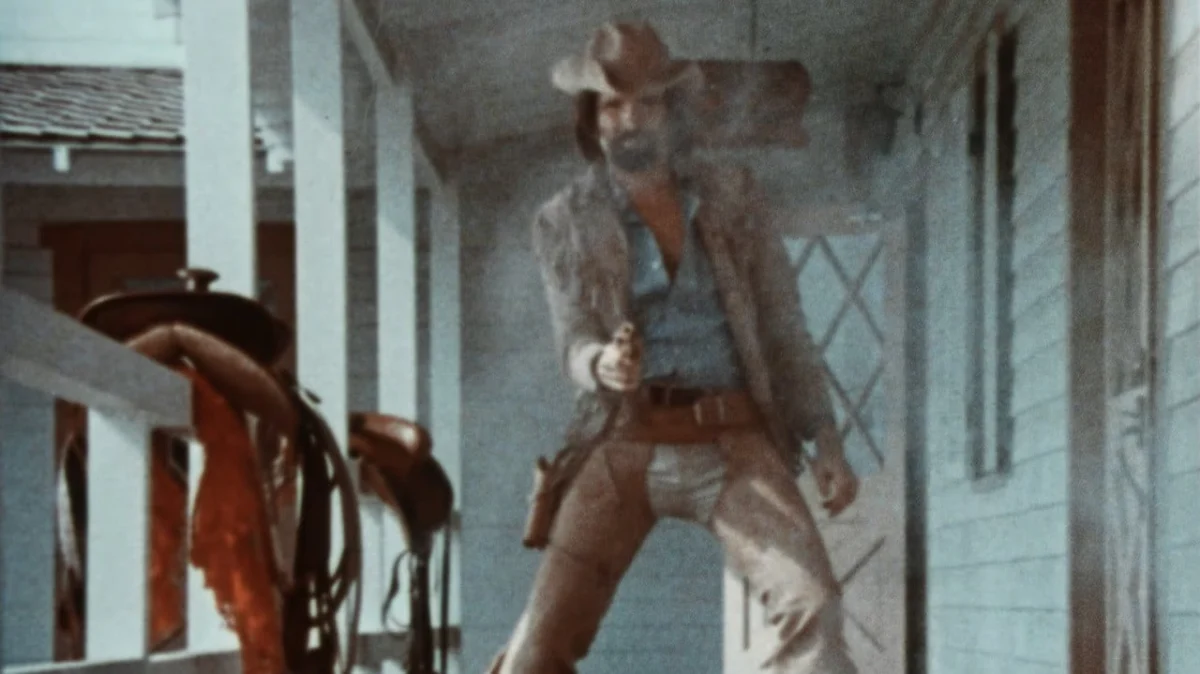
In a significant development for arcade history enthusiasts and Nintendo fans, a dedicated retro collector has successfully acquired and restored rare 16mm film reels of Nintendo’s pioneering 1974 arcade coin-op, Wild Gunman. This groundbreaking effort culminates in the creation of a working replica of the game, slated for public display at an upcoming event in Ontario, Canada, offering a unique glimpse into Nintendo’s early foray into interactive entertainment, a crucial period preceding its global dominance in video gaming.
The Discovery and the Resurrector
Callan Brown, widely recognized online as 74XX Arcade Repair, announced his extraordinary find and the subsequent restoration process in a recent video titled "WILD GUNMAN: Resurrecting Nintendo’s First Coin-Op on its 50th Anniversary." Brown detailed how he stumbled upon the film reels in July 2025 while browsing the arcade parts category on eBay. The auction listing, featuring Nintendo-branded film reels dated 1976, immediately piqued his interest due to their age and the presence of familiar Nintendo quality control stickers, which he recognized from other vintage Nintendo cabinets in his collection, such as a Donkey Kong Jr. machine and a Vs. Dual System. Convinced of their authenticity and historical significance, Brown embarked on a six-month intensive project, driven by an obsession with the elusive Wild Gunman. His journey involved not only meticulously scanning the fragile film reels but also reverse-engineering and constructing a modern recreation of the original arcade machine to bring the classic game back to life.
Unveiling a Precursor: What Was Wild Gunman?
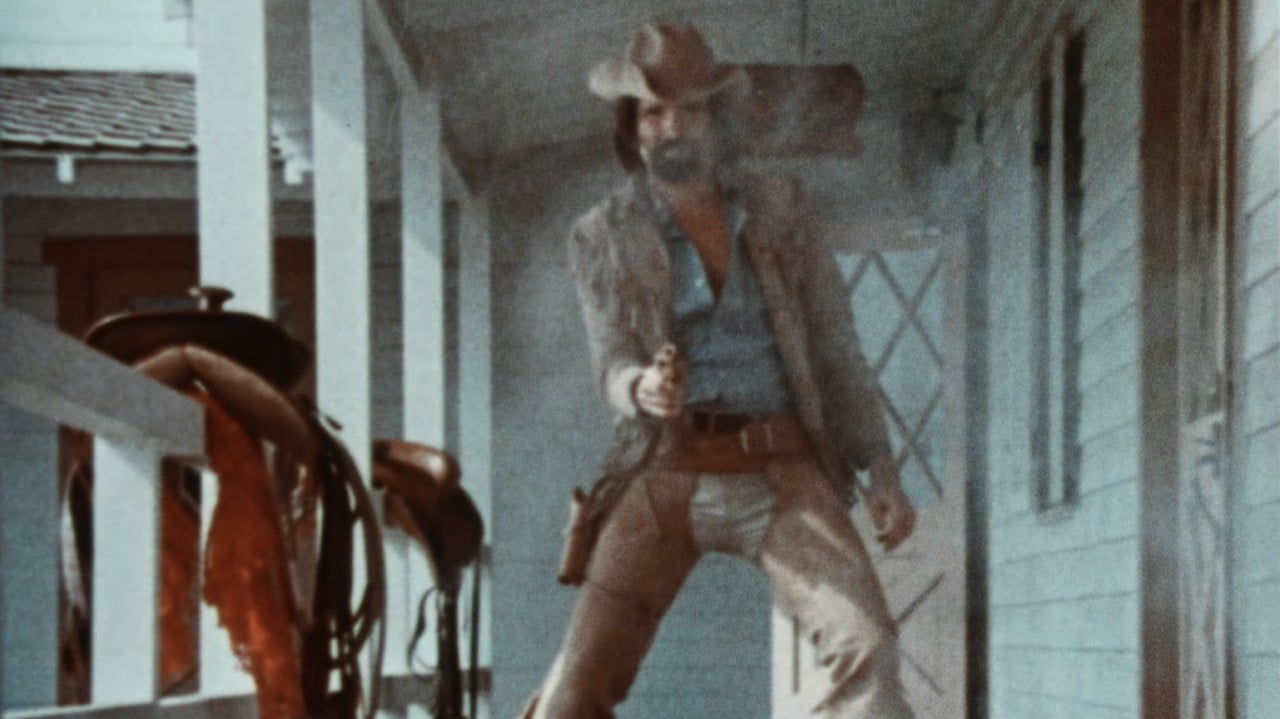
Wild Gunman stands as a pivotal piece in Nintendo’s pre-video game history. Released in Japan in 1974, it was an early electromechanical (EM) arcade game designed by the legendary Gunpei Yokoi, a visionary engineer who would later create the Game & Watch series, the Game Boy, and the Metroid franchise. Unlike the pixelated graphics that would soon define the video game industry, Wild Gunman leveraged actual 16mm film footage. Players faced off against live-action Western gunmen projected onto a screen, with a flashing signal dictating the precise moment to draw a physical pistol from a holster and "shoot." The game’s innovative use of projected film and a light gun mechanism made it a technological marvel of its time, foreshadowing the interactive film games and light gun shooters that would emerge decades later.
This title was part of a small series of 16mm film games produced by Nintendo during this era, which also included Sky Hawk and Battle Shark. Its introduction to North American audiences was facilitated through an unlikely but strategic partnership between Nintendo and the original Sega of America, highlighting Nintendo’s early ambitions for international market penetration. This collaboration underscores a fascinating intersection of two future industry titans during their formative years.
Nintendo’s Early Diversification: A Historical Context
To fully appreciate the significance of Wild Gunman, one must consider Nintendo’s broader historical trajectory. Founded in 1889 by Fusajiro Yamauchi, Nintendo Company, Limited, began as a manufacturer of hanafuda playing cards in Kyoto, Japan. For many decades, this remained its primary business. However, by the mid-20th century, under the leadership of Hiroshi Yamauchi (Fusajiro’s great-grandson), Nintendo began a concerted effort to diversify its business interests. This period, often referred to as Nintendo’s "experimental phase," saw the company venture into various unconventional enterprises, including love hotels, a taxi service, and even instant rice.
It was in the 1960s and early 1970s that Nintendo found more success in the toy market. Gunpei Yokoi, initially hired as an assembly line worker, quickly rose through the ranks due to his innovative ideas. His early creations, such as the Ultra Hand (1966) and the Love Tester (1969), were commercial successes and cemented Nintendo’s reputation for creativity in toy manufacturing. This success naturally led the company towards the burgeoning arcade market.
The arcade industry of the 1970s was a vibrant landscape, dominated by electromechanical games like pinball machines, shooting galleries, and racing simulators. Early video games, such as Atari’s Pong (1972), were just beginning to emerge, but EM games still held a significant market share. Nintendo’s decision to enter this space with sophisticated EM machines like Wild Gunman demonstrated its commitment to technological innovation and its desire to capture a slice of the lucrative arcade pie. Wild Gunman specifically followed earlier Nintendo light gun games like Laser Clay Shooting System (1973), which also utilized film projection, showcasing a clear lineage of design and technological experimentation.

The Rarity and Challenges of Preservation
The survival of Wild Gunman cabinets and, more critically, its film reels, is exceptionally rare due to several factors. Firstly, the original purchase price of the machine was exorbitant for its era, reportedly costing "between three and six times the amount of a typical arcade attraction." This high cost limited its initial distribution, making it a rare sight even upon its release. Secondly, and perhaps most significantly for preservation, the game relied on 16mm film, a medium inherently susceptible to degradation over time. Film reels can warp, shrink, become brittle, or suffer from "vinegar syndrome," where the acetate base deteriorates, emitting a strong vinegar-like odor and eventually rendering the film unusable. Exposure to heat, humidity, and improper storage further accelerates this decay.
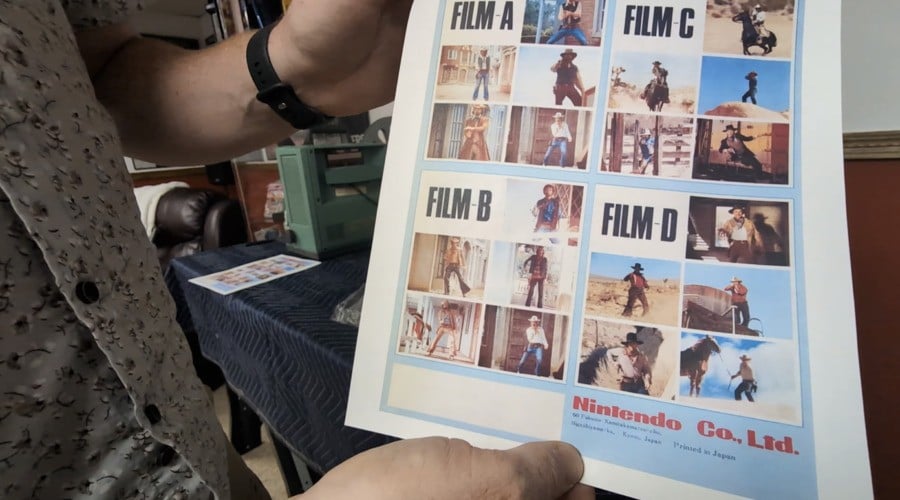
Consequently, working versions of the Wild Gunman arcade cabinet are virtually non-existent today. Actual footage from the original 16mm reels has appeared only sporadically over the years, often in obscure contexts. Historian Kate Willaert notably identified brief appearances in a peculiar 1978 experimental film and in the background of the 1981 "raunchy comedy" Gas. Prior to Brown’s discovery, a significant breakthrough occurred in 2021 when filmmaker Ben Solovey managed to recover footage from one of the four reels, specifically Reel D. However, Brown’s acquisition marks an even more substantial find, providing newly scanned footage from Reels B, D, and a portion of A, collectively representing over half of the complete game’s cinematic content. This expanded collection significantly enriches the historical record and offers a more comprehensive view of the game’s original experience.
The Restoration Process: A Modern Marvel
Brown’s endeavor to resurrect Wild Gunman involved a complex interplay of historical research, digital preservation, and modern engineering. His first critical step was the careful scanning of the newly acquired 16mm film reels. This process required specialized equipment to handle the delicate, decades-old film without causing further damage, converting the analog film frames into high-resolution digital files. The quality of these scans is paramount for accurate historical reproduction, capturing the nuances of the original footage.
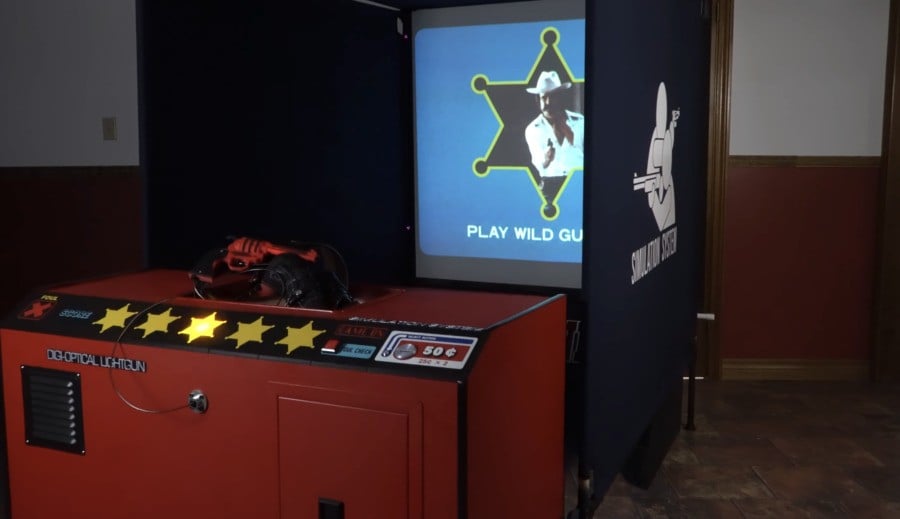
Following the digitization, Brown faced the challenge of recreating the interactive elements of the game. The original Wild Gunman relied on a complex electromechanical system synchronized with the film projector. Replicating this functionality in a modern context demanded a deep understanding of the original hardware and innovative solutions using contemporary electronics. This involved designing and building a custom projection system, developing a robust light gun mechanism that accurately detects "shots" on the projected image, and creating control circuitry to manage the gameplay flow, including the critical flashing signal that cues players to draw. Brown’s recreation is not merely a display of the film footage but a fully interactive experience designed to emulate the original gameplay as closely as possible, marrying authentic visual assets with modern, reliable hardware. This painstaking process underscores the dedication of preservationists who go beyond mere archiving to bring historical artifacts back to functional life.
A Public Showcase: Ontario PinFest 2026
The culmination of Callan Brown’s monumental efforts will be showcased at the 2026 Ontario PinFest, scheduled to take place from May 30th to May 31st. This event, a gathering for pinball and arcade enthusiasts, will provide the perfect platform for the public debut of the restored Wild Gunman recreation. Attendees will have the unprecedented opportunity to experience a piece of Nintendo history that has been largely inaccessible for half a century.
In addition to the working game, Brown plans to exhibit other rare Nintendo Wild Gunman merchandise, offering a comprehensive historical context. This includes the 1972 Wild Gunman toy, a precursor to the arcade game that established the concept of a quick-draw shooting challenge. Also on display will be a 1976 Custom Gunman Toy, another early Nintendo product that many contemporary gamers might recognize from its cameo appearance as a mini-game in the popular WarioWare series, demonstrating the enduring influence of these early designs on Nintendo’s later intellectual properties. The exhibition will serve as a testament to Nintendo’s diverse creative output before its pivot to dedicated video game consoles.
Broader Implications for Gaming History and Preservation
The discovery and restoration of Wild Gunman‘s film reels by Callan Brown hold profound implications for the fields of video game history and digital preservation. This effort sheds new light on Nintendo’s innovative spirit during its pre-video game console era, underscoring its consistent drive for interactive entertainment. It reinforces the understanding that Nintendo’s foundational creativity extends far beyond the NES or Mario, rooted in decades of pioneering work with electromechanical devices and novel gameplay concepts.
This project also highlights the invaluable role of independent collectors and enthusiasts in preserving cultural heritage. With many early arcade games, particularly those relying on perishable media like film, official archival efforts may not always be comprehensive or timely. Individuals like Callan Brown, possessing unique skills, dedication, and resources, often step in to bridge these gaps, saving critical pieces of history from obscurity or complete loss. Their work provides invaluable primary source material for historians, researchers, and future generations seeking to understand the evolution of interactive media.
Furthermore, Wild Gunman‘s restoration offers a deeper insight into the early development of "Full Motion Video" (FMV) games. While often associated with the CD-ROM era of the late 1980s and 1990s, Wild Gunman demonstrates that the concept of integrating live-action footage into interactive experiences dates back much further, revealing a continuous thread of innovation in game design. The challenges overcome in recreating the original machine also provide a blueprint for future preservation projects involving complex electromechanical arcade systems, demonstrating that with modern technology and ingenuity, even the most fragile and archaic gaming relics can be revived. This monumental achievement not only recovers a lost game but enriches our collective understanding of the technological and creative journey that shaped the video game industry into what it is today.