Hartono Sudibyo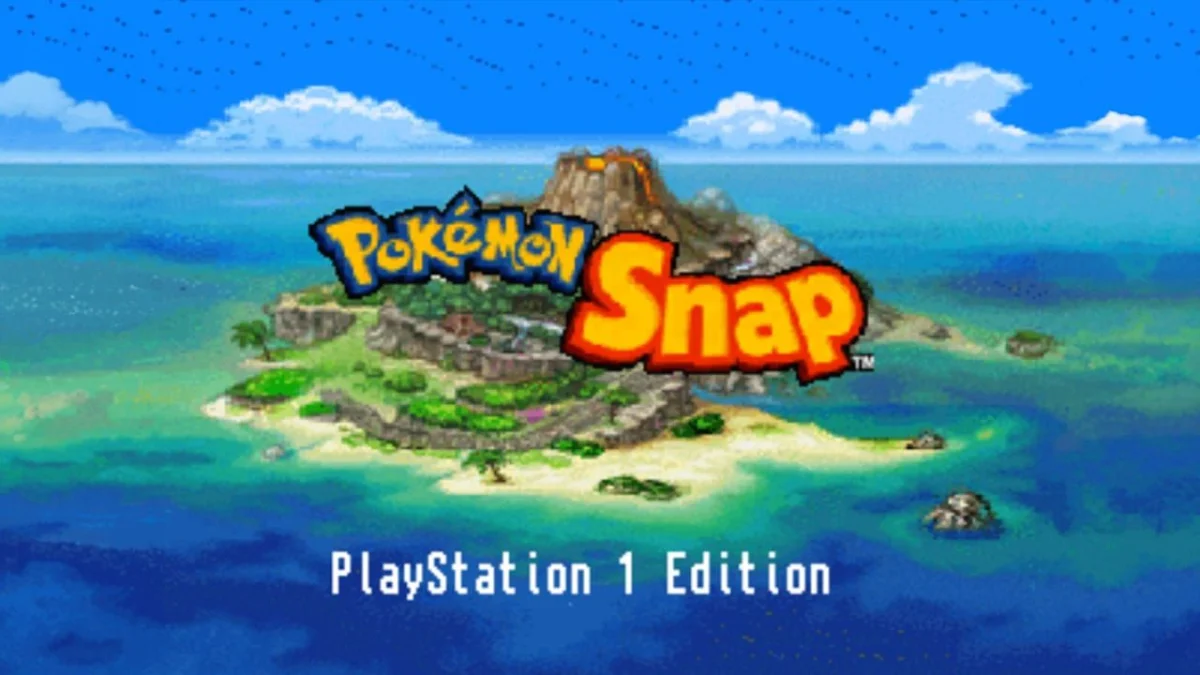
The landscape of retro gaming development continues to surprise and delight enthusiasts, as evidenced by a burgeoning fan project that aims to bring the beloved Nintendo 64 title, Pokémon Snap, to the original PlayStation. This ambitious undertaking, spearheaded by independent developer Manuel Rodríguez Matesanz, represents a fascinating intersection of nostalgia, technical ingenuity, and cross-platform passion. While modern consoles boast unparalleled graphical fidelity and games that command years of development, the enduring appeal of classic gaming experiences, particularly when reimagined for different hardware, continues to capture the imagination of players and creators alike.
This development follows closely on the heels of another significant fan-driven project, the announcement of Lara Croft’s impending arrival on the Nintendo 64, a testament to the vibrant and active retro gaming community. The ability for developers to port or recreate games for platforms they were never originally designed for highlights the power of emulation, modern game engines, and the sheer dedication of individuals passionate about preserving and extending the life of these iconic titles.
The Genesis of a Cross-Platform Dream
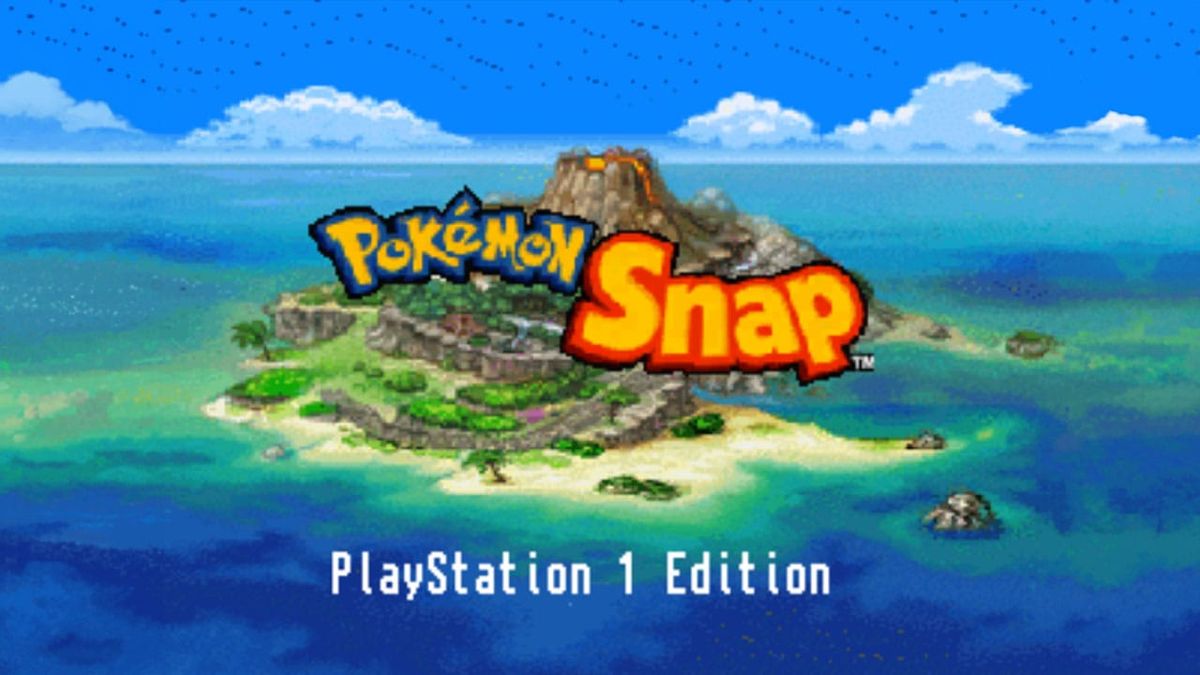
The project’s origin can be traced back to a viral social media post by Manuel Rodríguez Matesanz on April 15, 2026. The tweet, accompanied by a video demonstration, showcased a playable build of Pokémon Snap running on a platform emulating the PlayStation 1, utilizing the Unity game engine. The post quickly garnered attention within the retro gaming sphere, sparking discussions about the technical feasibility and the inherent charm of such a crossover. The hashtag #unity, #madewithunity, #psx, #fangame, #nintendo64, and #pokemonsnap underscored the core technologies and inspirations behind the creation.
Manuel Rodríguez Matesanz, operating as an independent developer, has been instrumental in bringing this concept to fruition. His choice of the Unity engine, a versatile and widely adopted cross-platform development tool, has been crucial in enabling the project to target multiple gaming systems. This adaptability is a key factor in the growing trend of fan-made retro game ports, as it allows developers to streamline the creation process and reach a broader audience.
Technical Foundations and Development Progress
The initial demonstration, as shared on Twitter, utilized Unity 6 and the PSX Exporter tool. This combination allows developers to build projects within the Unity environment and then package them for compatibility with PlayStation 1 emulators or hardware. While the current build is described as a "test build" and a "work in progress," its very existence signifies a significant technical achievement.
Interestingly, while the public demonstration focused on a PlayStation 1 version, Rodríguez Matesanz is also actively developing a separate iteration for the Nintendo 3DS. This version is being built entirely from scratch using Unity 5 and, crucially, does not require the original Pokémon Snap ROM to function. This approach suggests a desire to create a standalone experience rather than a direct port, potentially allowing for enhancements and modifications not bound by the limitations of the original game’s code. The dual development paths for the PS1 and 3DS indicate a comprehensive vision for the project, aiming to leverage the unique capabilities and appeal of each platform.
The Enduring Appeal of Pokémon Snap
Pokémon Snap, originally released for the Nintendo 64 in 1999, offered a unique and tranquil departure from the mainline Pokémon RPGs. Instead of battling and training, players took on the role of a photographer, Todd Snap, tasked with capturing high-quality images of Pokémon in their natural habitats on Pokémon Island. The game’s success lay in its innovative gameplay, charming presentation, and the opportunity to observe Pokémon in a more relaxed and observational manner. Its emphasis on exploration, timing, and finding the perfect shot resonated with a wide audience, cementing its status as a beloved classic.
The decision to bring this particular title to the PlayStation 1 is noteworthy. The PS1, known for its 3D capabilities and a vast library of games, had a distinct visual style and technical architecture compared to the N64. Recreating Pokémon Snap within this framework presents a unique challenge and an intriguing artistic direction. It raises questions about how the game’s visual aesthetic, sound design, and overall atmosphere would be translated to the PS1’s hardware limitations and distinct graphical characteristics. Would the character models be blockier? Would the environments adopt a more polygonal, less textured look? These are the kinds of creative decisions that fan projects often explore, breathing new life into familiar experiences.
Community Reactions and Implications
The announcement of the PS1 Pokémon Snap project has been met with widespread enthusiasm from the retro gaming community. Social media platforms and gaming forums have buzzed with excitement, with many expressing disbelief and eagerness to experience this unconventional crossover. The tweet from Manuel Rodríguez Matesanz quickly became a focal point for discussion, with users sharing their appreciation for the developer’s dedication and the nostalgic appeal of the concept.

The implications of such fan-driven projects extend beyond mere entertainment. They serve as:
- A testament to developer talent: Projects like this showcase the skills and passion of independent creators, often demonstrating a deep understanding of game design principles and technical execution.
- A bridge between platforms: They highlight the interconnectedness of gaming history, demonstrating how beloved titles can transcend their original hardware and find new life on different systems.
- A catalyst for preservation: By recreating and porting classic games, these projects contribute to the preservation of gaming history, ensuring that these experiences remain accessible to future generations.
- An inspiration for new ideas: The success and reception of such unconventional projects can inspire further innovation and exploration within the retro gaming development scene.
The fact that this Pokémon Snap project is being developed without requiring the original ROM is particularly significant. This approach allows the game to be a standalone creation, potentially free from the legal complexities that can sometimes surround fan projects that directly utilize original game assets. It emphasizes the developer’s intent to build something new, inspired by a classic, rather than simply porting an existing game.
The Future of Fan-Made Retro Gaming
The resurgence of interest in retro gaming, coupled with the increasing accessibility of powerful development tools like Unity, has created a fertile ground for fan-made projects. From full game remakes to ambitious ports and entirely new experiences inspired by classic genres, the retro gaming community is a hotbed of creativity. Developers like Manuel Rodríguez Matesanz are at the forefront of this movement, pushing boundaries and demonstrating what is possible with passion and technical skill.
As these projects continue to emerge and gain traction, they not only entertain but also contribute to a broader cultural appreciation for the history of video games. The journey of Pokémon Snap to the PlayStation 1, though still in its early stages, represents a compelling narrative within this evolving landscape, reminding us that the magic of gaming can often be found in the most unexpected of places and through the most dedicated of efforts. The community eagerly awaits further updates on both the PS1 and 3DS versions, anticipating the day they can experience this unique fusion of Pokémon and PlayStation history.