Johny Imanuel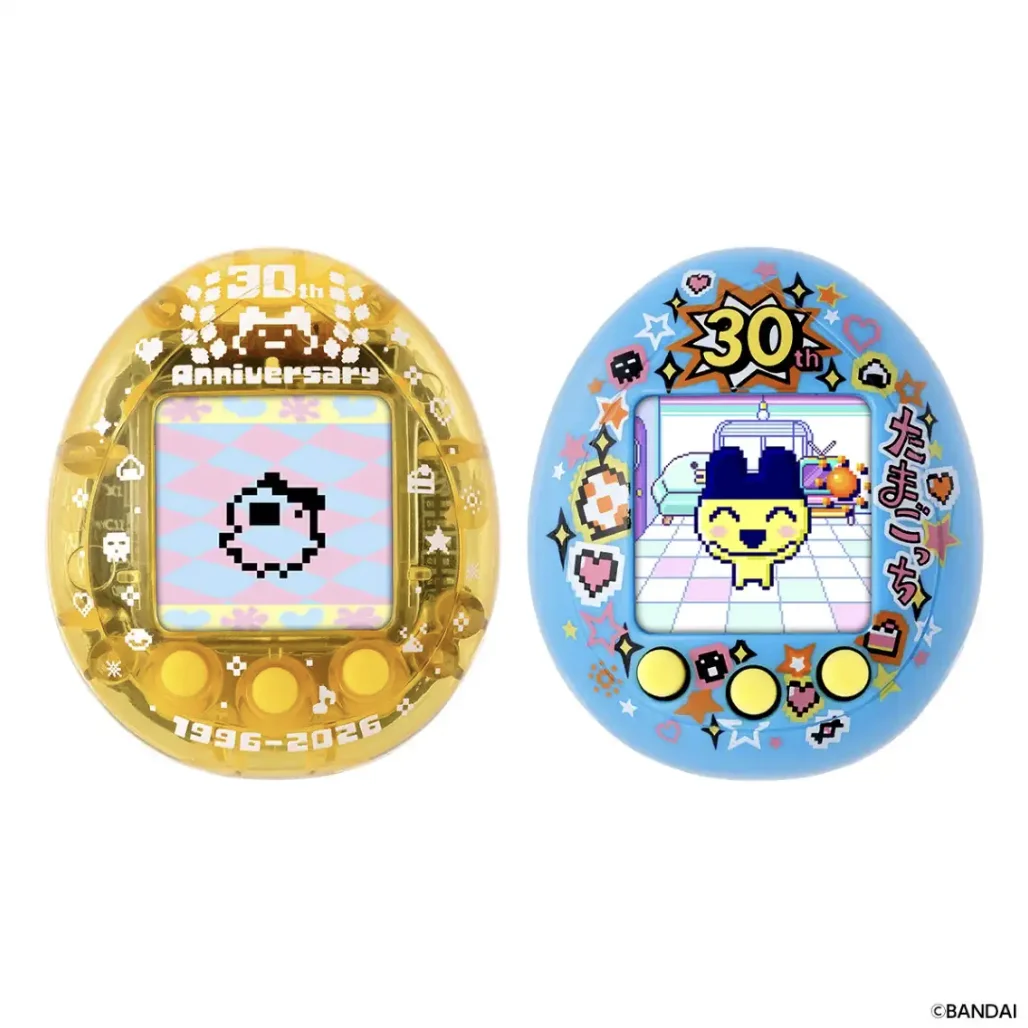
While the initial launch is geographically restricted to the Japanese market, historical retail patterns suggest a high probability of an eventual international rollout. Bandai Namco has increasingly utilized the Premium Bandai global portal and major retailers such as Amazon to bring specialty "Nano" models to North American and European audiences. Early listings have already appeared on secondary import sites like Meccha Japan, indicating the high level of global anticipation for this specific iteration of the hardware.
Technical Specifications and Hardware Design
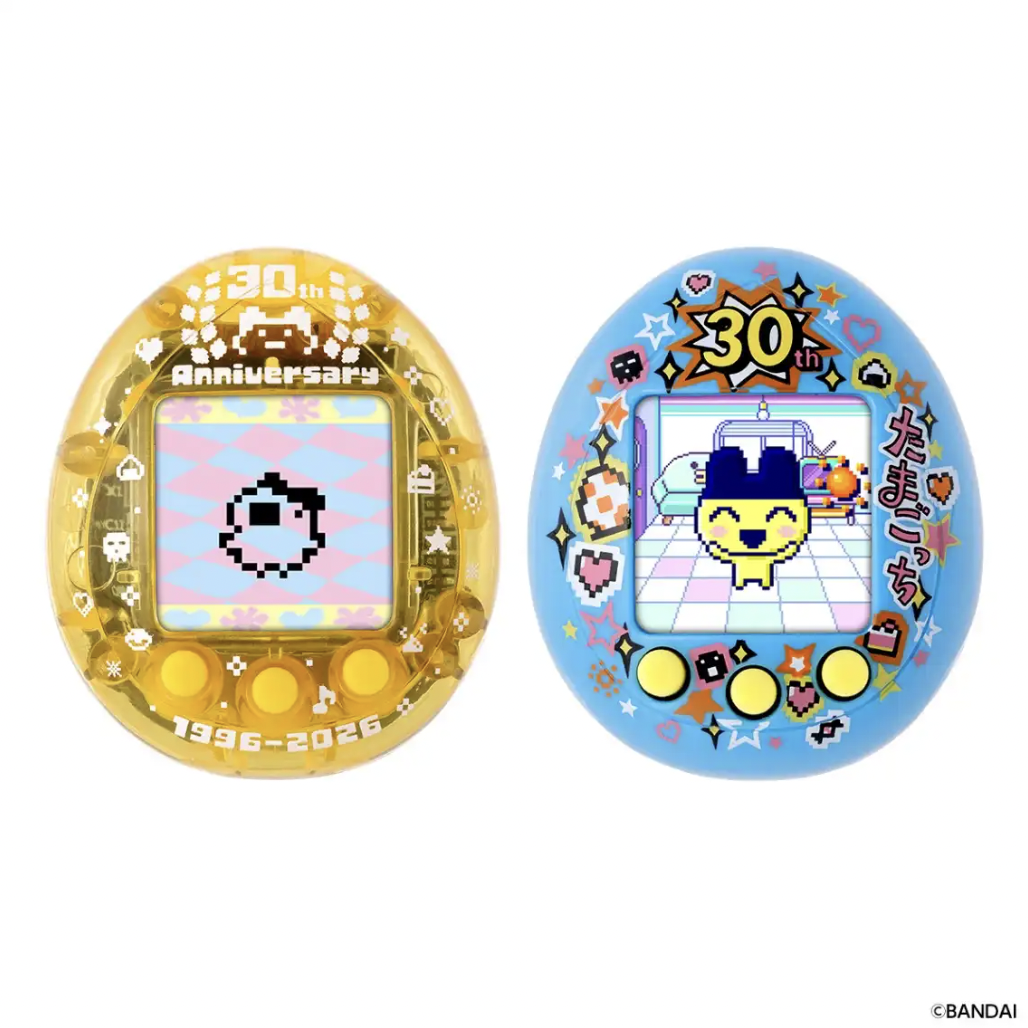
The Mametchi Memories Tamagotchi Nano Colorful is part of the "Nano" sub-series, which is characterized by a more compact form factor compared to the standard Tamagotchi Connection or the modern Tamagotchi Uni. However, the "Colorful" designation denotes a premium hardware tier that includes a full-color liquid crystal display (LCD), a departure from the monochrome screens typically found in the budget-friendly Nano line.
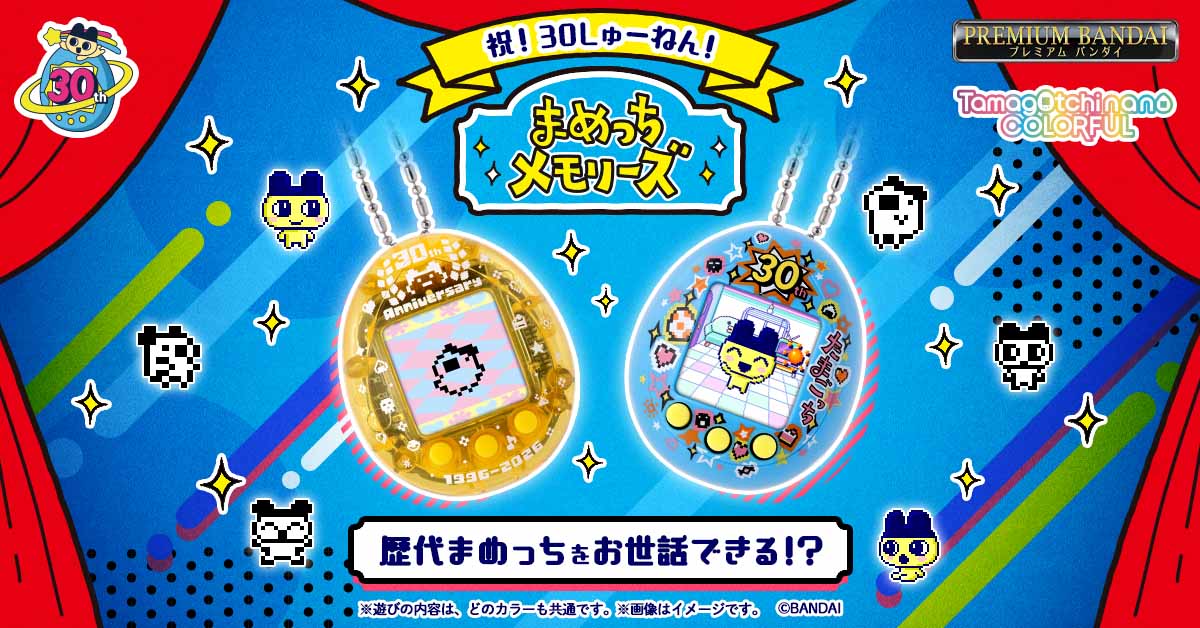
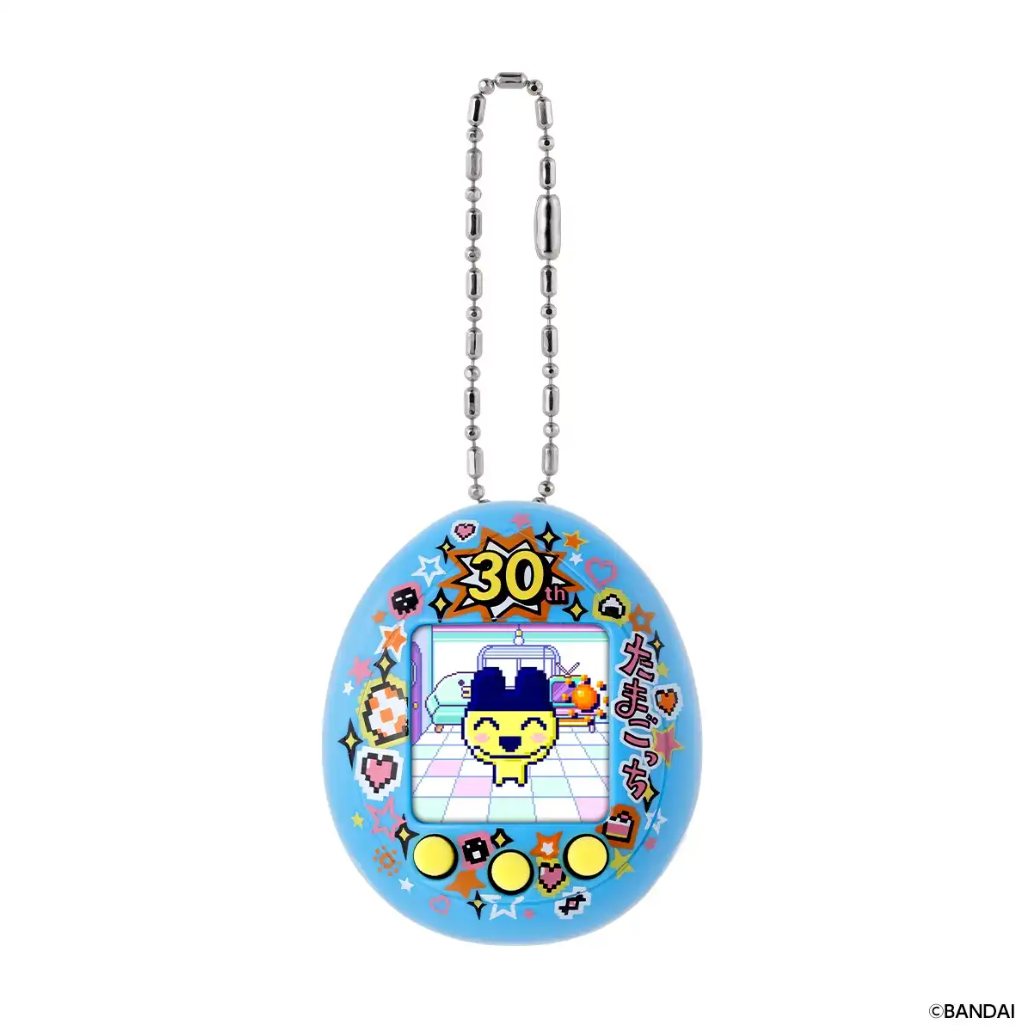
The device will be available in two distinct shell designs, both of which pay homage to the brand’s aesthetic history. The first model features a translucent yellow case, a direct nod to the "clear" plastic craze of the late 1990s and early 2000s. The second model is a solid blue case adorned with stylized Tamagotchi graphics. Both shells prominently feature 30th-anniversary branding, positioning them as collector’s items rather than general-market toys.
Unlike standard Tamagotchis where the user can raise a variety of different species based on care quality, the Mametchi Memories model is a specialized "single-character" experience. The software is programmed to exclusively feature Mametchi, the studious, big-eyed character who has served as the face of the brand since the original 1996 release.
A Gameplay Experience Rooted in Chronology
The core gimmick of the Mametchi Memories device is its chronological depth. Bandai Namco has announced that the device will feature 20 different versions of Mametchi, each representing a specific era of the toy’s evolution. This includes the original pixelated sprite from the 1996 Gen 1 device, the more refined versions from the "Connection" era of the mid-2000s, and the high-definition color renders seen in contemporary models like the Tamagotchi Pix and Uni.
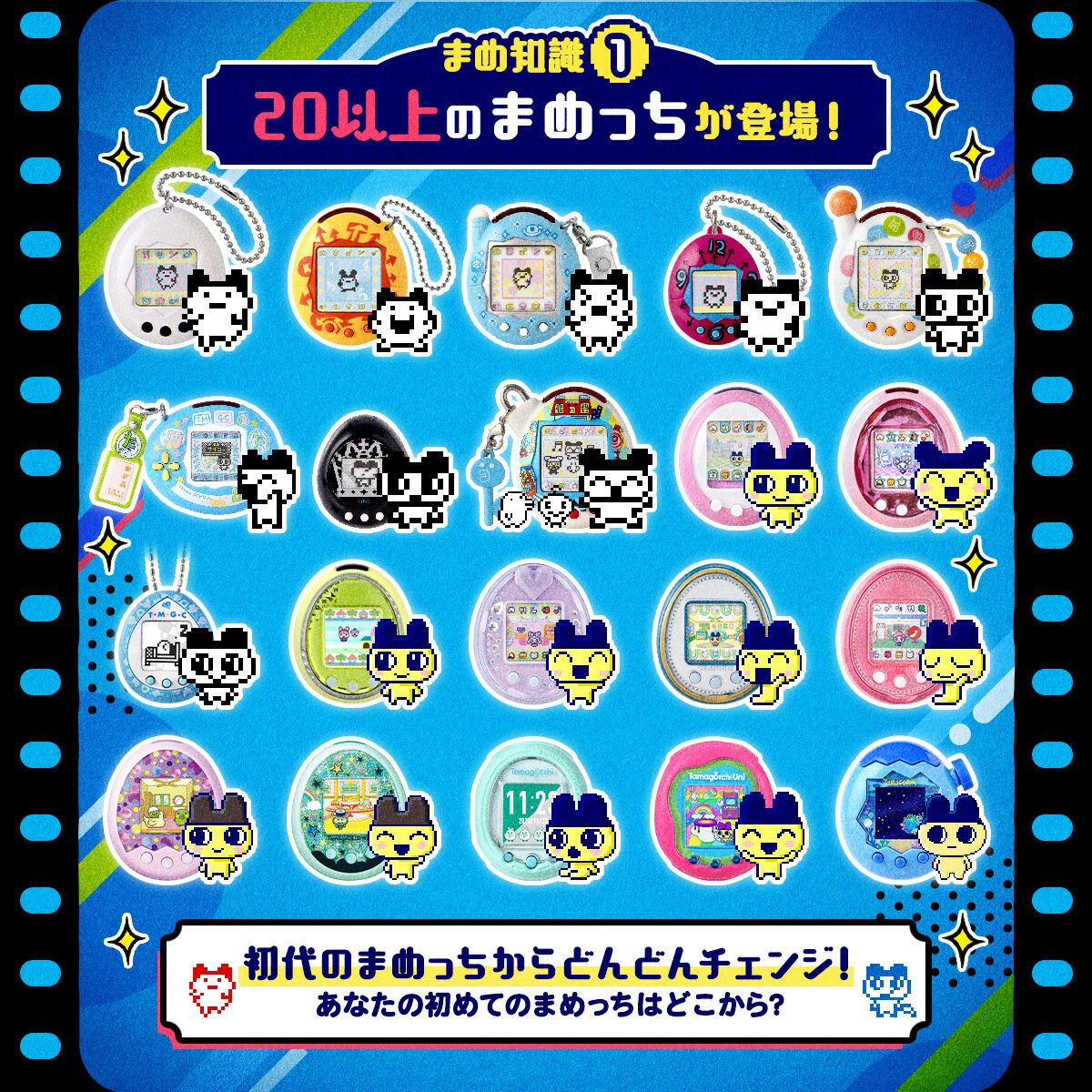
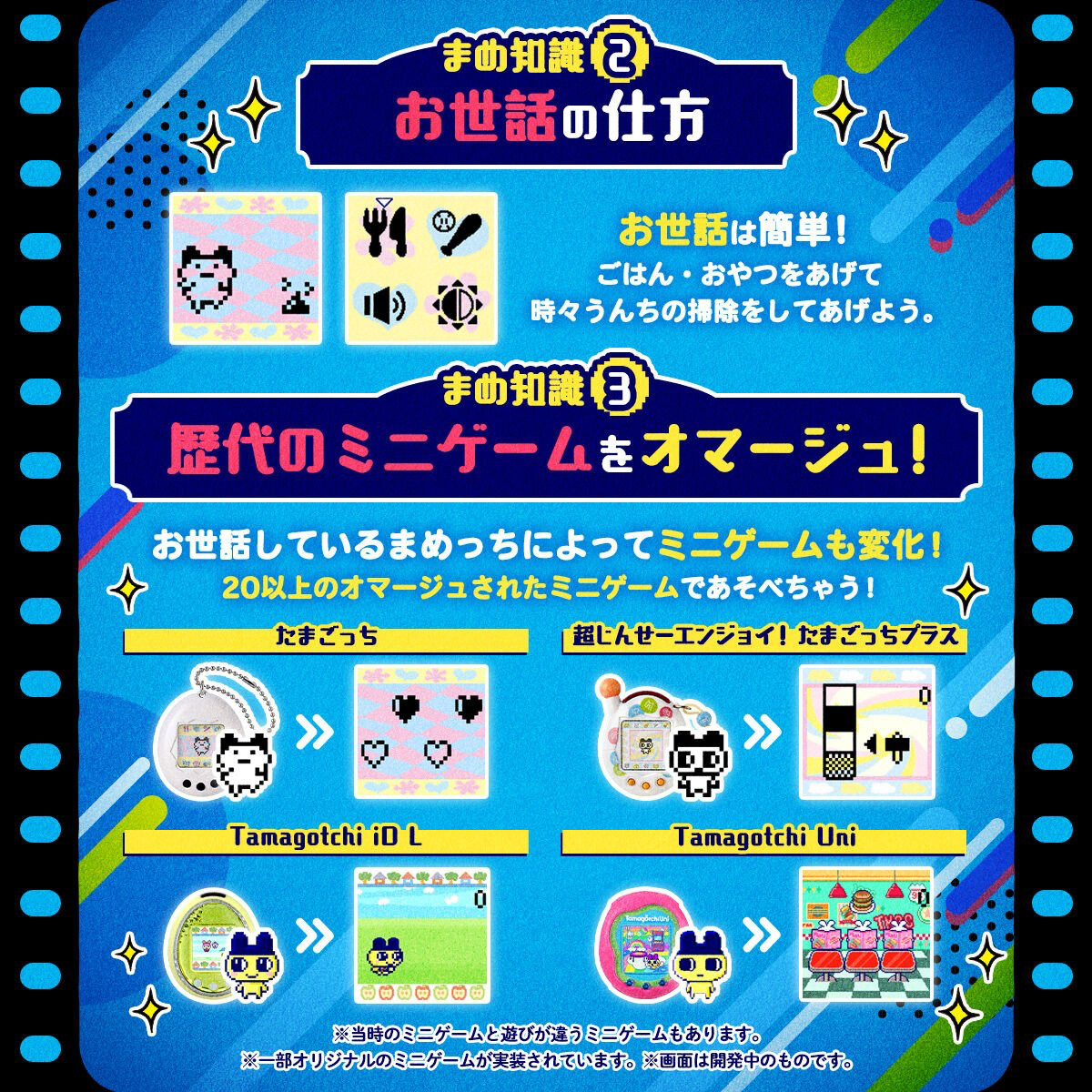
To enhance the immersion, the device utilizes a dynamic background system. As the user "evolves" their Mametchi through the different historical iterations, the on-screen background and user interface (UI) shift to match the aesthetic of the original hardware from that specific year. For example, when raising a 1990s-era Mametchi, the background will replicate the static, paper-style inserts used in early monochrome units. When transitioning to a 2010s-era version, the screen will utilize the full capabilities of the color LCD to display vibrant, animated environments.
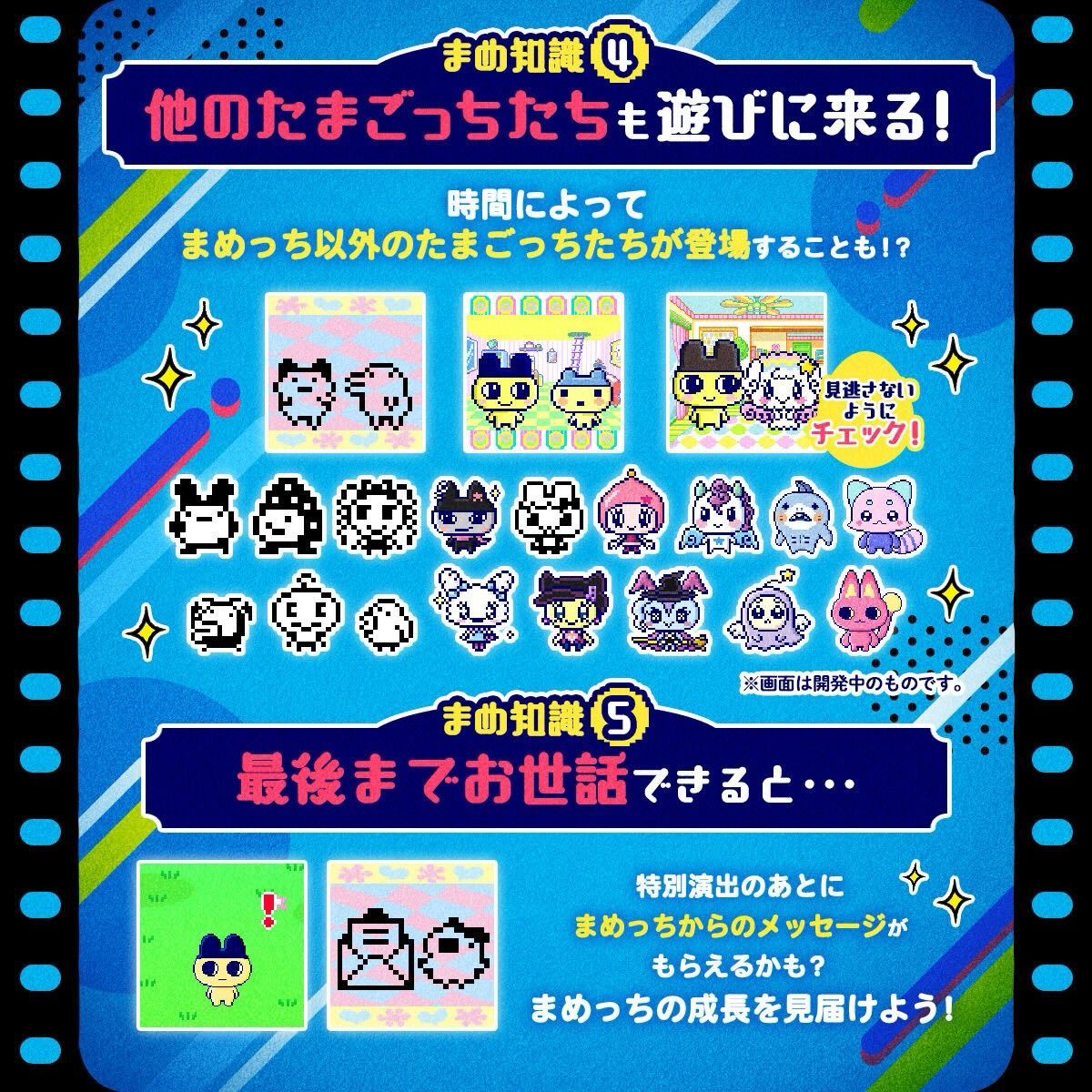
The device also incorporates a "Guest System," a feature previously popularized in the Hello Kitty and Jurassic Park Tamagotchi Nano models. While the player only raises Mametchi, other classic characters from the Tamagotchi universe—such as Kuchipatchi, Memetchi, and Maskutchi—will periodically visit the screen to interact with the protagonist. These interactions are expected to trigger unique animations and minigames that are likewise themed around the franchise’s 30-year history.
Historical Context: 30 Years of the Tamagotchi Phenomenon
The announcement of the 30th-anniversary model serves as a milestone for a product that once defined a global cultural moment. Launched in Japan in November 1996 and internationally in 1997, the Tamagotchi (a portmanteau of the Japanese word "tamago" for egg and the English "watch") was created by Aki Maita and Akihiro Yokoi. It was designed to provide the experience of pet ownership in a portable, digital format, emphasizing the responsibilities of feeding, cleaning, and disciplining a virtual creature.
The impact of the original Tamagotchi was unprecedented. By 1999, Bandai had sold over 40 million units worldwide. The product’s success led to the "Tamagotchi Effect," a psychological phenomenon where humans develop strong emotional attachments to artificial intelligence or digital entities. Over the decades, the brand has evolved through several technological "ages":
- The Vintage Era (1996–1998): Monochrome screens and simple life cycles.
- The Connection Era (2004–2008): Introduction of infrared (IR) communication, allowing pets to visit friends, marry, and have offspring.
- The Color Era (2008–2018): Starting with the Tamagotchi Plus Color, the series moved toward backlit screens and more complex social simulations.
- The Modern/Connected Era (2019–Present): Introduction of Bluetooth, Wi-Fi, and the "Tamaverse" in the Tamagotchi Uni, allowing for global online interactions.
The Mametchi Memories Tamagotchi Nano Colorful acts as a bridge between these eras, utilizing modern color screen technology to simulate the entire timeline of the brand.
The Evolution of the "Nano Colorful" Line
The "Nano Colorful" line is a relatively recent strategic pivot for Bandai Namco. Historically, the Nano series was intended as a low-cost entry point, often used for brand collaborations (IP crossovers) with franchises like Star Wars, Neon Genesis Evangelion, and Demon Slayer. These units were traditionally small, monochrome, and lacked the depth of the flagship models.
The introduction of the "Colorful" variant changed the value proposition. By adding a color screen to the Nano’s portable frame, Bandai Namco has found a middle ground for adult collectors who desire high-quality displays but prefer the compact, "pocketable" size of the Nano. Previous entries in the Nano Colorful line include:
- Detective Conan: A mystery-themed model featuring the titular detective.
- Hololive Fantasy: A collaboration featuring virtual YouTubers (VTubers) such as Usada Pekora and Houshou Marine.
- Blue Lock and Precure: Models targeting sports anime fans and the magical girl demographic, respectively.
The Mametchi Memories edition is notable for being the first Nano Colorful model to focus entirely on internal Tamagotchi lore rather than an external licensed property. This suggests that Bandai Namco is leaning heavily into its own heritage to drive sales among its long-term fanbase.
Market Analysis and the "Kidult" Demographic
The rapid sell-out of the first pre-order wave on Premium Bandai underscores a growing trend in the toy industry: the "Kidult" market. Adults who grew up with Tamagotchi in the 1990s now possess the disposable income to invest in premium, nostalgia-driven collectibles. The ¥6,600 price point—significantly higher than the ¥2,500 typically charged for a standard monochrome Nano—reflects this target audience’s willingness to pay for enhanced features and limited-edition status.
Industry analysts suggest that Bandai Namco’s strategy of releasing these products nearly two years in advance (August 2026) is a calculated move to build long-term momentum for the 30th-anniversary year. By securing pre-orders early, the company can accurately gauge production needs and minimize the risk of overstock, while simultaneously maintaining a high "hype" profile through social media announcements and secondary production runs.
The decision to focus on Mametchi is also viewed as a safe but effective marketing choice. Mametchi is consistently ranked as one of the most popular characters in the franchise, representing the "perfect" care result. By centering a device on this character’s "memories," Bandai Namco is effectively selling a digital autobiography of the brand itself.
Future Outlook and Global Implications
As the August 2026 release date approaches, fans are closely monitoring Bandai Namco’s international divisions for news of a Western localized version. The Tamagotchi brand has seen a massive resurgence in the United States and Europe over the last five years, driven by the re-release of the "Original" Gen 1 and Gen 2 models in various shell designs.
If the Mametchi Memories Tamagotchi Nano Colorful follows the trajectory of the Tamagotchi Uni, a global simultaneous or near-simultaneous launch is possible. However, given that previous Nano Colorful models (like the Hololive and Blue Lock editions) remained Japan-exclusive, there is a lingering concern among collectors regarding accessibility.
Regardless of the distribution method, the Mametchi Memories device stands as a testament to the longevity of the virtual pet genre. What began as a simple 32×16 pixel egg has transformed into a sophisticated piece of commemorative hardware. For Bandai Namco, the 30th anniversary is not just a celebration of past success, but a reinforcement of the Tamagotchi’s place in the modern digital landscape. The upcoming release in 2026 will likely be the cornerstone of a much larger campaign as the company looks toward the next decade of digital companionship.