Farhan hamdan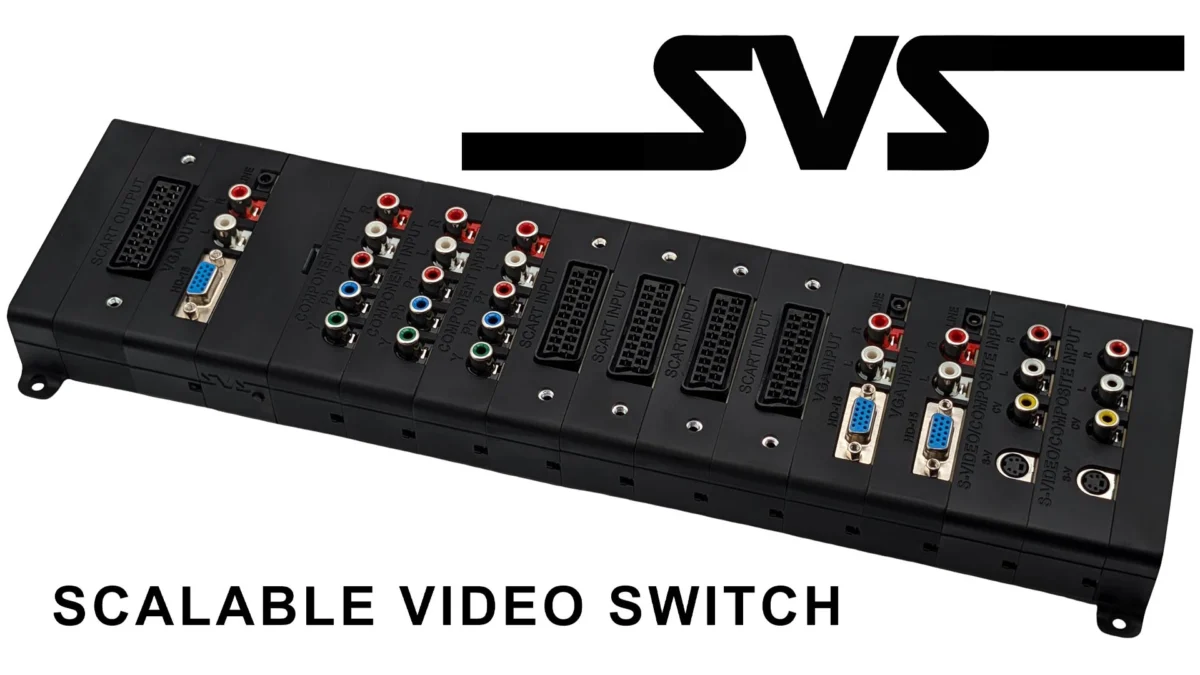
The critically acclaimed Arthrimus Scalable Video Switch (SVS), a modular video routing solution highly regarded within the retro gaming and video enthusiast communities, is scheduled to return to stock this Saturday, April 18th, at 5 PM NYC time. This forthcoming batch marks a significant advancement for the product, with all available modules—including SCART, Component Video, VGA, and Composite/S-Video—now featuring durable, injection-molded shells, a notable upgrade from previous 3D-printed enclosures. Each module will be priced between $25 and $35, and every SVS setup necessitates the inclusion of a $40 control module. Further comprehensive details regarding this release are available on the official product page at https://scalablevideoswitch.com/.
Understanding the Scalable Video Switch and Its Core Functionality
The Arthrimus Scalable Video Switch is not merely another video switcher; it represents a paradigm shift in how enthusiasts manage complex, multi-standard video setups. Designed with an unparalleled degree of modularity, the SVS allows users to custom-configure their video input and output requirements, supporting up to an impressive 32 inputs and 6 outputs. This flexibility is particularly crucial for retro gaming aficionados, video archivists, and professional broadcasters who frequently work with a diverse array of legacy video equipment, each employing different signal types and connector standards.
The essence of the SVS’s appeal lies in its "mix-and-match" capability. Instead of being confined to a fixed number of inputs or a singular video standard, users can select precisely the modules they need. For instance, a retro gamer might require multiple SCART inputs for European RGB consoles, a few Component Video inputs for North American consoles like the PlayStation 2 or Xbox, and perhaps a Composite/S-Video module for older systems such as the Nintendo 64 or original PlayStation. A video production professional, on the other hand, might prioritize VGA modules for legacy computer systems or specific industrial equipment, alongside other analog inputs. The SVS consolidates these disparate needs into a single, cohesive, and highly manageable system, thereby eliminating the need for multiple standalone switches, reducing cable clutter, and minimizing potential signal degradation often associated with daisy-chained or low-quality switchers.
Enhanced Durability and Aesthetic: The Transition to Injection-Molded Shells
A key highlight of this upcoming release is the introduction of injection-molded shells for all available modules. This represents a substantial upgrade in terms of product quality, durability, and aesthetic consistency. Previously, SVS modules were housed in 3D-printed cases, a common practice for niche, low-volume electronic projects due to its cost-effectiveness and rapid prototyping capabilities. While functional, 3D-printed enclosures can sometimes exhibit minor imperfections, vary slightly in finish, and may not offer the same long-term robustness as industrially manufactured parts.
The transition to injection molding signifies Arthrimus’s commitment to elevating the SVS’s production quality to a professional standard. Injection-molded shells provide a superior fit and finish, enhanced structural integrity, and a more uniform appearance across all modules. This improvement not only contributes to the overall premium feel of the product but also ensures greater longevity and resistance to wear and tear. Importantly, Arthrimus has confirmed that these new injection-molded modules are fully compatible with previously sold modules that featured 3D-printed cases, ensuring that existing users can seamlessly expand their setups without compatibility concerns. Furthermore, the company has indicated plans to make extra injection-molded shells available for separate purchase in subsequent batches, allowing current SVS owners the option to upgrade the aesthetics and durability of their older modules. This forward-thinking approach demonstrates a strong commitment to customer satisfaction and product ecosystem longevity.
Current and Future Module Offerings: Expanding Connectivity Horizons
At launch, the available modules cater to some of the most prevalent analog video standards:
- SCART: Essential for European retro consoles providing high-quality RGB output.
- Component Video (YPbPr): A widely adopted standard for consoles like the PlayStation 2, Xbox, Wii, and various DVD players, offering excellent image fidelity.
- VGA: Primarily used for PC monitors and some arcade systems, capable of high-resolution analog output.
- Composite / S-Video: Fundamental for older consoles and video equipment, offering a balance between broad compatibility and improved quality (S-Video over Composite).
This comprehensive initial offering ensures that a vast majority of analog video sources can be integrated into the SVS system. Looking ahead, Arthrimus has confirmed that BNC and DTerminal modules are currently under development and manufacturing. BNC connectors are a professional-grade coaxial connector type often found on broadcast equipment, high-end monitors, and some arcade systems, known for their secure locking mechanism and superior signal integrity. DTerminal is a Japanese video connector standard primarily used on Japanese consumer electronics, particularly high-definition televisions and some game consoles, similar in function to Component Video but with a distinct physical connector. The introduction of these modules will further broaden the SVS’s appeal to an even wider professional and enthusiast base. Additionally, the development of transcoders within the SVS ecosystem is underway, which could potentially allow for seamless conversion between different video standards directly within the switch, further enhancing its utility and reducing the need for external converters. While exact availability dates for these future modules and transcoders are still "a few weeks or months away," their planned release underscores Arthrimus’s long-term vision for the SVS as an evolving and increasingly comprehensive video management solution.

The Niche Market of Retro Gaming and the Demand for Quality Hardware
The demand for sophisticated video routing solutions like the SVS is intrinsically linked to the burgeoning retro gaming and video preservation communities. Over the past decade, there has been a significant resurgence of interest in classic video games and legacy computing platforms. Enthusiasts are increasingly seeking to experience these systems on their original hardware, often connected to modern displays via upscalers or directly to CRT monitors. However, the diverse array of video outputs from these vintage machines—ranging from Composite video of early consoles to the RGB output of arcade boards and later-generation systems—presents a considerable challenge.
Many mass-market video switches are designed for modern digital signals (HDMI) or offer rudimentary analog support that often introduces signal degradation, crosstalk, or impedance mismatches. These issues can result in compromised image quality, manifesting as blurry visuals, color bleed, or flickering. For discerning retro enthusiasts who invest heavily in high-quality cables, displays, and upscaling solutions (like the OSSC or RetroTINK series), a robust and transparent video switch is not just a convenience but a necessity for preserving the integrity of the video signal chain. The Arthrimus SVS fills this critical gap by offering a professional-grade, modular solution tailored specifically to the nuanced requirements of analog video signals, ensuring that the pristine quality of retro systems is maintained from source to display. This commitment to signal fidelity and user-configurable versatility has cemented its reputation as a go-to device for serious hobbyists and professionals alike.
Chronology and Community Endorsement: A Product Evolved from Passion
The journey of the Arthrimus Scalable Video Switch reflects a common trajectory within the niche hardware community: born from a need, refined through iteration, and validated by expert endorsement. While specific founding dates for Arthrimus are not widely publicized, the product’s evolution from 3D-printed enclosures to injection-molded parts suggests a gradual scaling of production and a response to user feedback. The initial reliance on 3D printing is characteristic of projects originating from dedicated hobbyists or small engineering teams, allowing for agile development and rapid prototyping without the high upfront costs of industrial tooling.
The SVS has garnered significant attention and positive reviews from prominent figures and channels within the retro gaming community. Notably, "My Life In Gaming," a highly respected YouTube channel known for its in-depth analyses of retro hardware and video standards, produced a comprehensive video showcasing the SVS. This endorsement from an authoritative source played a crucial role in establishing the SVS’s credibility and visibility within the target audience. Such reviews often delve into the technical aspects of signal quality, ease of use, and overall value proposition, providing invaluable information to potential buyers. Furthermore, Bob from RetroRGB, a leading voice and resource hub for retro video enthusiasts, has announced plans for an upcoming livestream dedicated to testing the SVS in various "weird use cases." This continued engagement from influential community members underscores the SVS’s relevance and its capacity to address a wide range of complex video routing scenarios, further solidifying its standing as a trusted and versatile solution. The iterative development, from initial prototypes to refined, industrially produced units, coupled with robust community validation, illustrates the SVS’s journey from a niche solution to a highly anticipated and essential piece of hardware for retro video enthusiasts worldwide.
Broader Impact and Implications for the Retro Hardware Ecosystem
The consistent availability and continuous improvement of products like the Arthrimus SVS have broader implications for the retro hardware ecosystem. Firstly, it signifies a maturing market where enthusiasts are willing to invest in premium solutions that enhance their experience. This, in turn, encourages innovation and sustained development from specialized manufacturers. The move to injection molding, for instance, suggests a confident outlook on long-term demand, as tooling for injection molding represents a substantial capital investment compared to 3D printing. This commitment to industrial-scale production promises greater consistency in quality, potentially higher production volumes, and ultimately, better availability for consumers.
Secondly, the SVS contributes to the overall accessibility and enjoyment of retro gaming. By simplifying complex video setups and ensuring signal integrity, it lowers the barrier for entry for new enthusiasts while providing advanced tools for veterans. This fosters a more vibrant community where the focus can remain on the games and the experience, rather than wrestling with technical limitations of antiquated or inadequate hardware. The planned future modules and transcoders also point towards a future where a single, modular system could potentially handle an even wider array of video standards and conversion needs, further streamlining advanced setups.
Finally, the success of projects like the SVS highlights the enduring value of analog video signals in specific contexts. While the mainstream consumer electronics industry has largely transitioned to digital interfaces, the niche appeal of authentic retro experiences ensures a continued demand for high-quality analog signal processing. Arthrimus, through the SVS, is not just selling a product; it is providing a critical infrastructure component that supports the preservation and enjoyment of digital cultural heritage, allowing generations to come to experience classic media as authentically as possible. This sustained innovation in a specialized segment of the electronics market ensures that the legacy of diverse video standards can continue to thrive, catering to a passionate global audience.