Johny Imanuel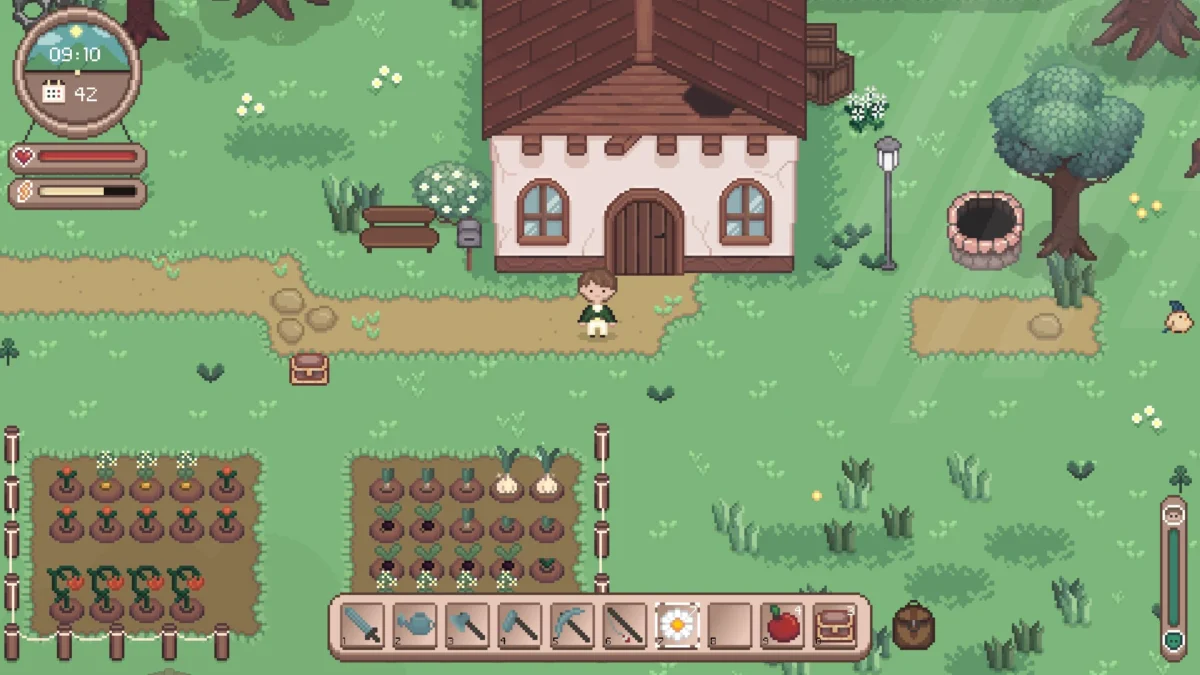
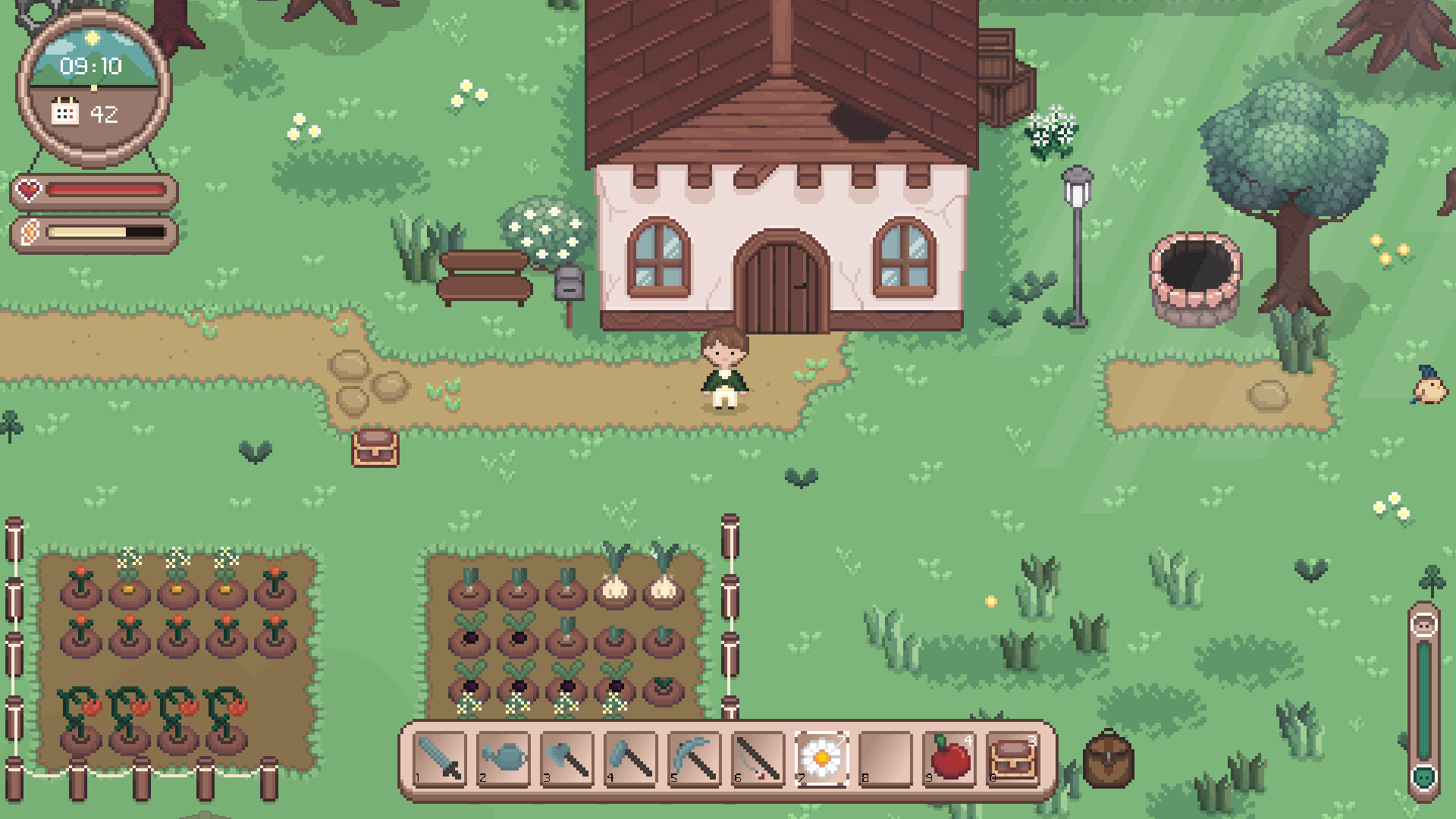
The landscape of independent video game development has seen a significant surge in the "cozy" farming simulation genre over the last decade, largely driven by the monumental success of titles like Stardew Valley. However, Peach Bite’s latest release, Shinehill, seeks to disrupt the established tropes of the genre by introducing a narrative and mechanical framework centered on extraterrestrial espionage and social deception. Rather than the traditional premise of an urban worker inheriting a grandfather’s legacy, Shinehill casts the player as an alien operative on a reconnaissance mission, blending resource management with the tension of maintaining a secret identity.
Narrative Premise and the Mechanics of Deception
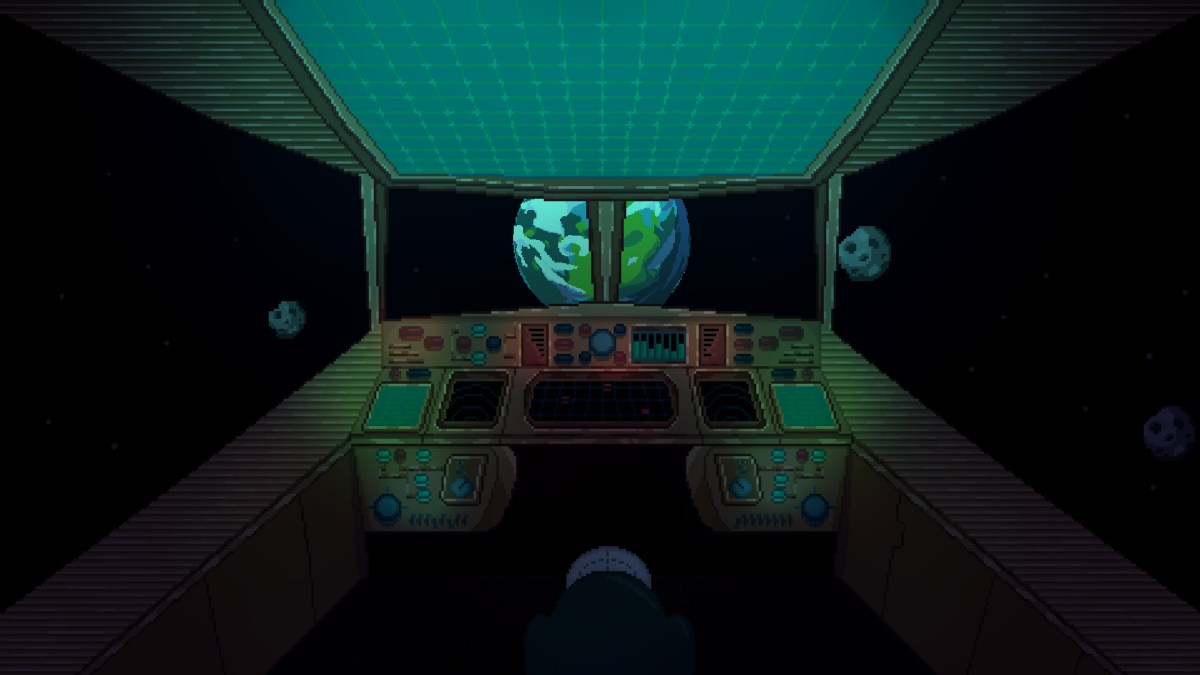
Shinehill begins with a high-stakes prologue that immediately distinguishes it from its contemporaries. The protagonist is a general-purpose alien lifeform tasked with infiltrating Earth to determine its suitability for colonization. The mission involves gathering biodata, assessing natural resources, and evaluating the planetary resistance level. However, the mission is complicated when the alien’s spacecraft encounters an asteroid field, resulting in a crash landing on the outskirts of the titular town, Shinehill.
In a convenient turn of events for the protagonist, the local residents mistake the alien—now donning a holographic human disguise—for a newcomer named Roo. The real Roo was an individual who had purchased an abandoned farm and was scheduled to arrive shortly after the time of the crash. This case of mistaken identity provides the perfect cover for the alien operative. After receiving medical attention from the local physician, Dr. Jack, and an official welcome from Mayor William, the player is granted access to the farmstead and the community at large.
The core gameplay loop revolves around the "Disguise System," a mechanical representation of the protagonist’s effort to remain undetected. Unlike traditional sims where social interactions are purely for building affinity, interactions in Shinehill carry the risk of exposure. Players must manage a "Disguise Points" meter. If this meter falls below a critical threshold—typically 10%—the townspeople become increasingly suspicious, potentially jeopardizing the mission.
Social Simulation and Dialogue Dynamics
The dialogue system in Shinehill is designed to reflect the protagonist’s struggle to understand human social norms. When Mayor William or other NPCs inquire about the player’s well-being or background, the player is often presented with choices that range from "typical farmer behavior" to dangerously honest admissions.
For instance, early in the game, the Mayor expresses concern regarding the player’s health following the "accident." Choosing a response such as "I’m fine; I fall down from space every day" is interpreted by the NPCs as a quirky joke, successfully granting the player disguise points. Conversely, more blunt or alien-centric responses can lead to a loss of social standing. This creates a comedic yet tense atmosphere where the player must constantly "stay in character."
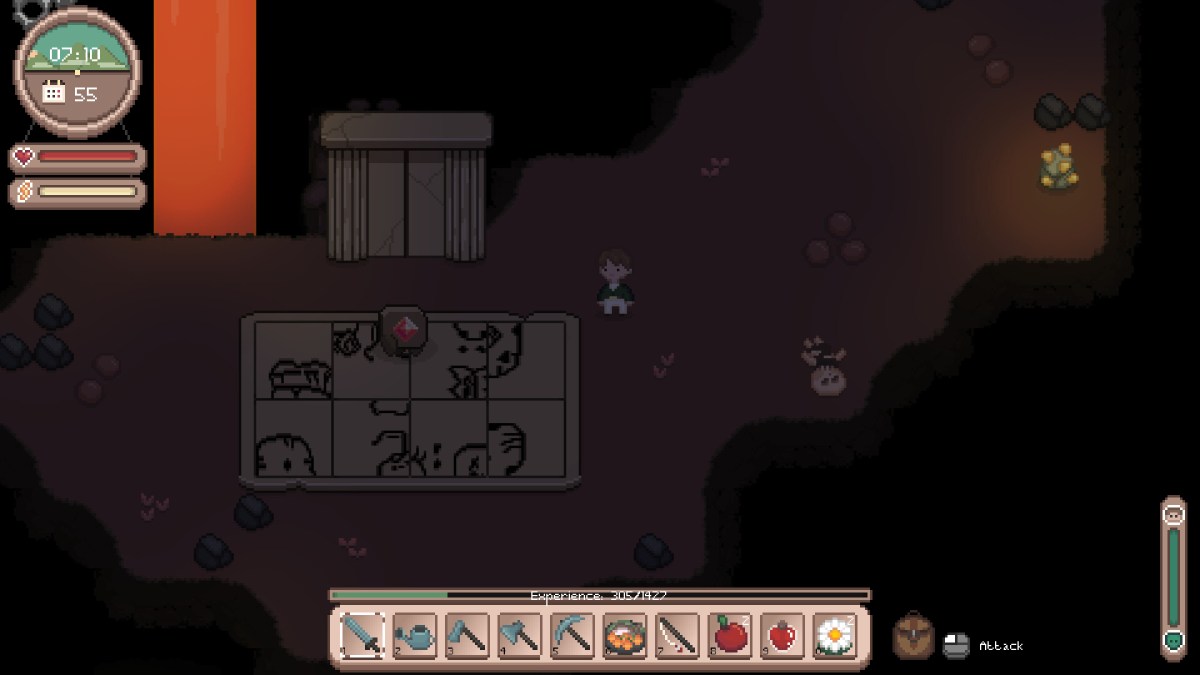
This role-playing element extends to the acquisition of tools and weapons. A notable sequence involves a character named Stacy, who provides the player with weaponry. Before doing so, she subjects the player to a psychological evaluation. The player must choose between reasonable, pacifistic justifications for wanting a sword and more aggressive, alien-coded responses. The writing leans heavily into dark humor; for example, when asked what the player would do with a second sword, the "suspicious" option is "I’ll kill with both hands." This juxtaposition of "cozy" aesthetics with the cold, mission-oriented logic of an invader provides a unique tonal experience.
Chronology of Gameplay and Objective-Based Progression
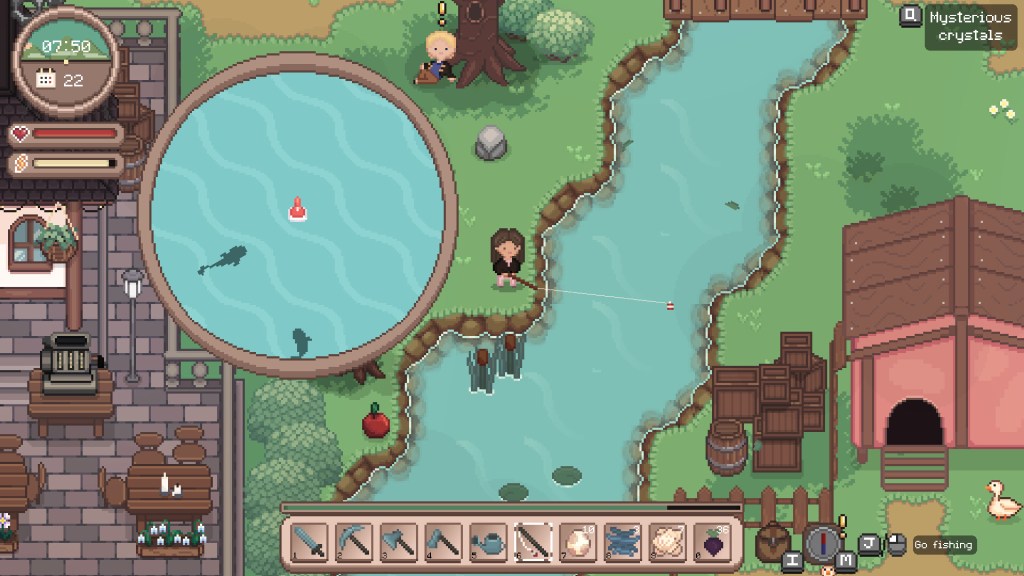
While Shinehill incorporates standard farming activities—clearing land, planting crops, and harvesting resources—these actions are secondary to a quest-driven RPG structure. The progression timeline is dictated by "Mission Orders" received from the alien high command.
- Initial Infiltration (Days 1–3): The player establishes a base of operations, meets key community figures (Dr. Jack, Mayor William, and Stacy), and secures basic survival tools.
- Resource Assessment (Days 4–10): The focus shifts to collecting local biological samples and minerals. This period introduces the game’s various minigames, which are framed as data-gathering exercises.
- Community Integration (Day 11 onwards): The player must navigate more complex social events, including dealing with the looming threat of the "real" Roo’s eventual arrival or discovery of the player’s presence.
This structure ensures that the player always has a sense of purpose beyond simple wealth accumulation. The ultimate goal is not necessarily to have the most profitable farm, but to complete the reconnaissance mission without being discovered by the inhabitants of Shinehill.
Minigame Integration and the "Helpinator 3,000"
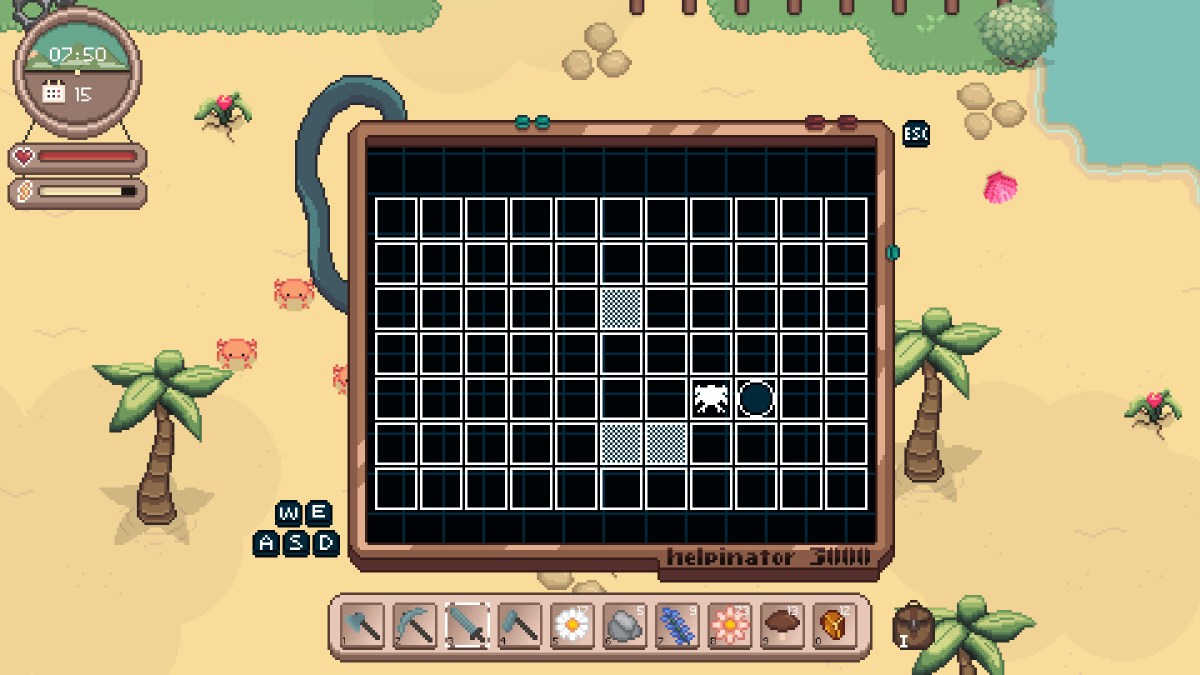
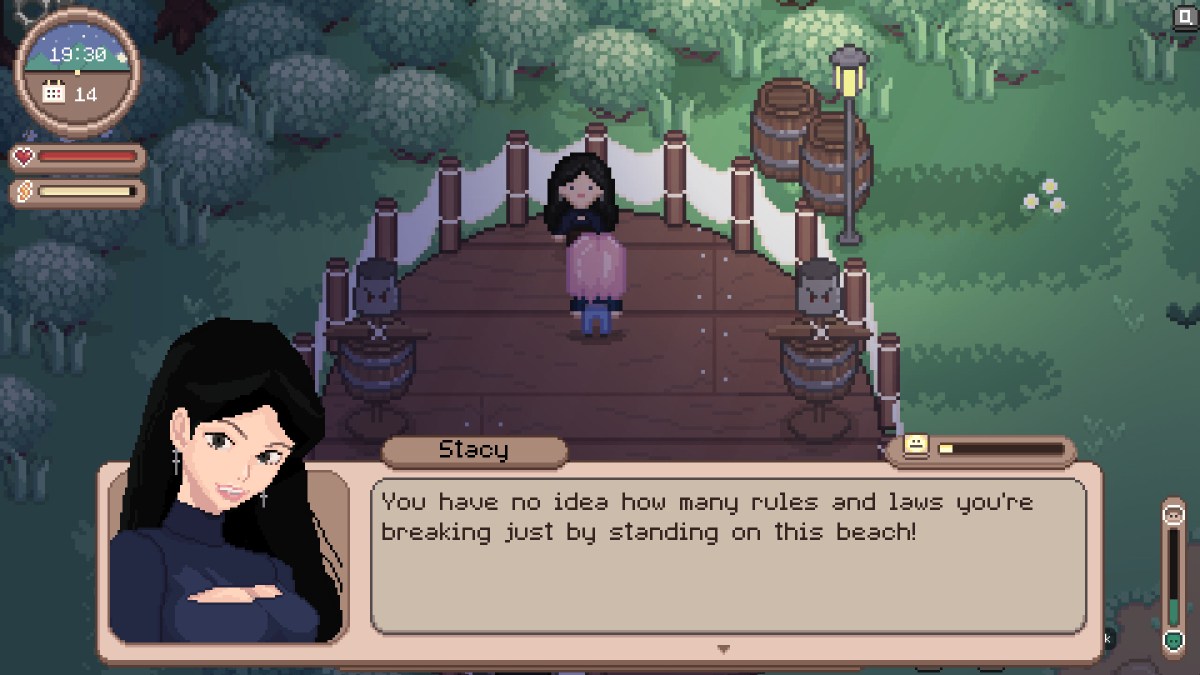
A defining characteristic of Shinehill is its heavy reliance on minigames to facilitate world interactions. These segments are presented through an in-game interface known as the Helpinator 3,000. These games are typically brief, retro-inspired, and rendered in a distinct black-and-white aesthetic.
- Aerial Maneuvering: During the initial crash sequence, players engage in a shoot-’em-up style game reminiscent of classic arcade titles like Astrosmash.
- Biodata Collection: Catching crabs on the beach is transformed into a grid-based strategy game where players must trap the creature by placing walls.
- Ecological Manipulation: A mind-control minigame requires the player to solve a logic puzzle to force a bee to pollinate specific flowers in a designated order.
- Resource Management: Some minigames are more abstract, such as a task requiring the player to move a glass to catch falling liquid drops while avoiding the faces of humans and dogs, who might consume the "specimen."
While these minigames offer variety, they represent a significant departure from the mechanics of traditional life sims. Industry analysts note that such "micro-mechanics" can be a polarizing design choice, potentially disrupting the flow of the game for players who prefer the zen-like repetition of standard farming tasks. However, within the context of Shinehill, they reinforce the theme that the protagonist is viewing the world through a technological, alien lens.
Technical Analysis and Stability Reports
As with many ambitious indie titles, Shinehill has faced challenges regarding technical optimization following its initial launch on PC via Steam. Early adopters and reviewers have reported a series of non-deterministic crashes, particularly when running the game on Windows 11-based handheld devices such as the Lenovo Legion Go.
Data gathered from community forums suggests that crashes often occur during transition states—such as entering the training arena, accessing the world map, or transitioning into the sleep/save cycle. Because the game utilizes a rigid auto-save system tied to specific triggers (like sleeping in a bed), a crash can result in the loss of an entire in-game day of progress.
In response to these reports, the developer, Peach Bite, has demonstrated a high level of engagement with the player base. Official statements on the Steam Discussion Boards indicate that the development team is actively monitoring bug reports and deploying iterative patches to address memory leaks and hardware-specific instabilities. As of the latest update, several of the high-frequency crash triggers have been mitigated, though the game is still considered to be in a state of active refinement.
Broader Implications for the Simulation Genre
The release of Shinehill represents a broader trend in the gaming industry: the "deconstruction" of the cozy sim. By injecting elements of science fiction, espionage, and moral ambiguity into a format typically reserved for escapism and tranquility, Peach Bite is appealing to a demographic of gamers who have grown weary of the standard "Stardew-clone" formula.
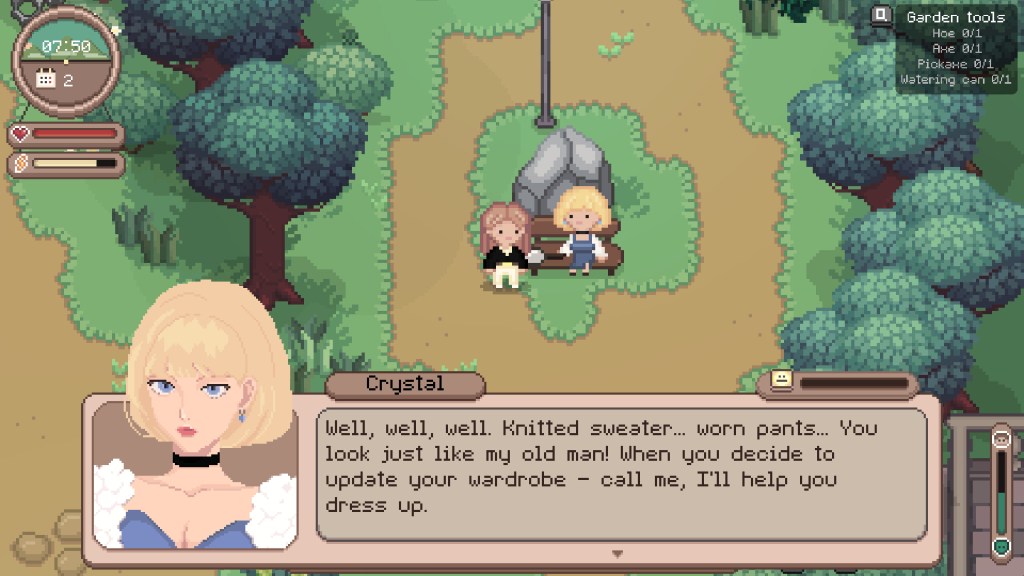
The comparison to the Syfy series Resident Alien is apt, as both works explore the "fish-out-of-water" trope through a lens of dark comedy and hidden agendas. From a market perspective, Shinehill positions itself in a niche that bridges the gap between traditional RPGs and life simulators. Its success or failure will likely influence whether other developers feel empowered to experiment with narrative-heavy, objective-focused variations of the farming genre.
Conclusion
Shinehill is a bold experiment that successfully marries the addictive qualities of a life simulator with a compelling, humorous sci-fi narrative. While technical hurdles remain a point of concern for some players, the game’s unique disguise mechanics, varied minigames, and subversive writing make it a standout title in a crowded market. It proves that the "cozy" genre still has room for innovation, even when the objectives are decidedly less than wholesome. As Peach Bite continues to polish the experience through post-launch support, Shinehill is poised to become a cult favorite among fans of both simulation and role-playing games.