Chalid Lutfie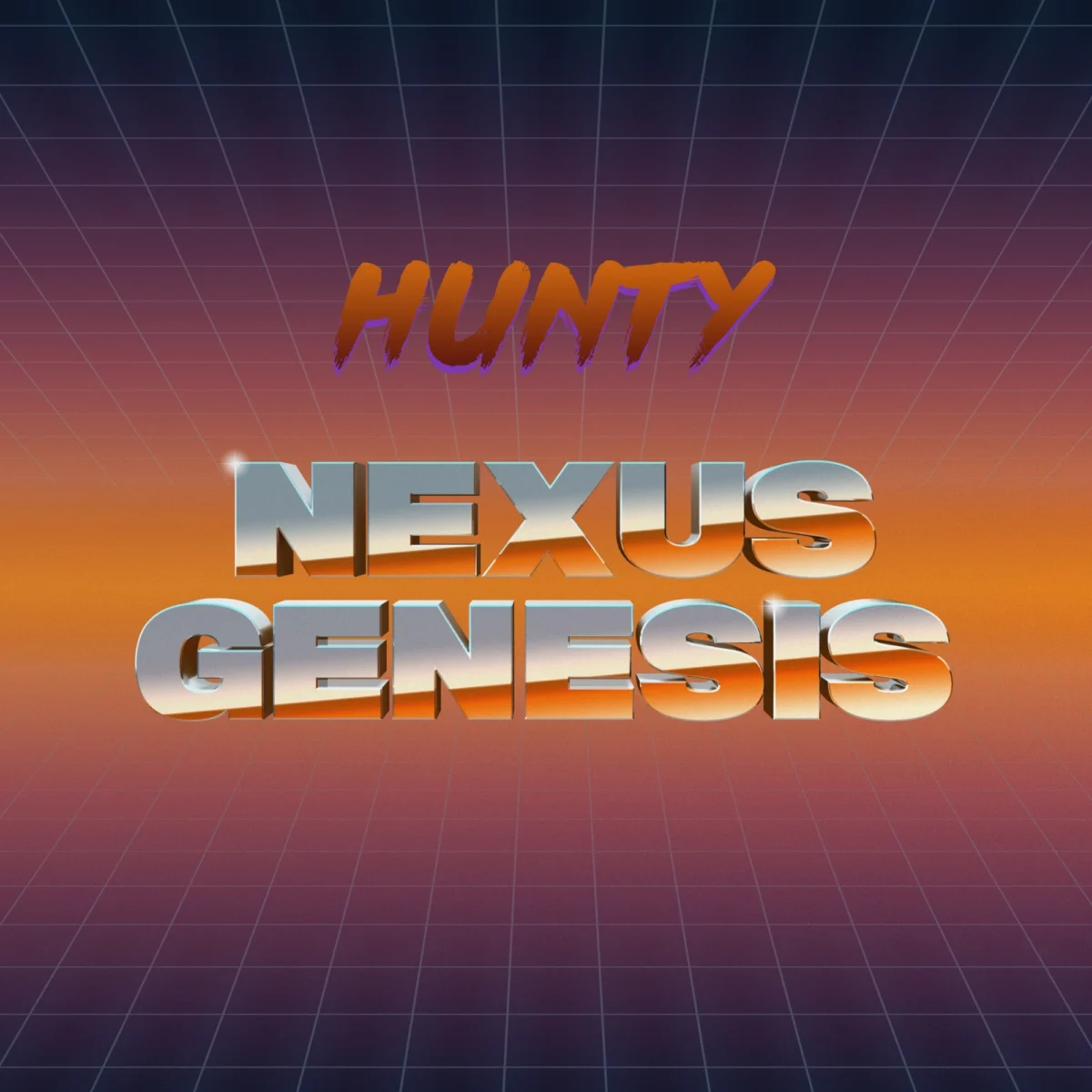
The independent record label Ubiktune has officially announced the release of Nexus Genesis, the debut studio album from composer Hunter Bridges, known professionally as Hunty. This release represents the culmination of nearly a decade of development, serving as both a standalone musical achievement and a historical archive of the soundtrack for Sonic Nexus, a high-profile fan-led video game project that remained unreleased following the professional recruitment of its lead developer by SEGA. The album is positioned as a technical and stylistic homage to the 16-bit era of video game music, specifically emulating the complex FM synthesis and rhythmic structures of the 1994 classic Sonic the Hedgehog 3.
The Genesis of Sonic Nexus and the Nexus Team
The origins of the album date back to the summer of 2006, a period marked by a burgeoning community of amateur developers and musicians dedicated to the Sonic the Hedgehog franchise. Sonic Nexus was conceived as a "fangame"—an unofficial tribute project—led by Brad Flick, known within the community as Slingerland. The project aimed to capture the momentum of the original Sega Genesis trilogy by utilizing modern development tools to create a gameplay experience that felt like an authentic sequel.

During its four-year development cycle from 2006 to 2010, Sonic Nexus gained significant traction within the Sonic Amateur Games Expo (SAGE) and various technology blogs. It was lauded for its visual fidelity and mechanical accuracy. Hunter Bridges joined the project in its infancy, tasked with creating a soundtrack that could bridge the gap between the nostalgia of the 1990s and the higher fidelity requirements of mid-2000s computing.
At the time, the fan game community was undergoing a technological shift. Most early 2000s projects relied on MIDI files due to the limitations of dial-up internet speeds. However, as broadband became the standard, Bridges transitioned from basic MIDI arrangements in Fruity Loops 4 to professional-grade digital audio workstations like Cubase. This allowed for the inclusion of full-resolution waveform audio, a move that significantly elevated the production value of Sonic Nexus compared to its contemporaries.
The Professional Pivot and Project Cancellation
The trajectory of Sonic Nexus changed permanently in 2010 due to the professional success of one of its key contributors, Christian Whitehead (known online as The Taxman). Whitehead had developed the Retro Engine, a proprietary framework designed through the reverse engineering of classic Sega Genesis titles. This engine allowed for a level of performance and accuracy that surpassed the Sonic Worlds engine previously used by the Nexus Team.

In 2010, Whitehead produced a proof-of-concept video showing the 1993 title Sonic CD running natively on an iPhone using his Retro Engine. The video garnered widespread attention, eventually leading SEGA to officially hire Whitehead to produce an authorized remake of the game. This partnership expanded to include remakes of Sonic the Hedgehog (1991) and Sonic the Hedgehog 2 (1992).
The professionalization of Whitehead’s work created a complex legal and ethical situation for the Sonic Nexus team. To protect Whitehead’s burgeoning business relationship with SEGA and to respect the intellectual property rights of the corporation, the decision was made to cease development on Sonic Nexus. While the project "fizzled out" in an official capacity, it left behind a substantial archive of unreleased assets, including level designs by Hector Barreiro and the comprehensive score composed by Bridges.
Hunter Bridges: A Formative History in Sound
Hunter Bridges’ journey to Nexus Genesis was rooted in a musical upbringing in Alabama. The son of a performing musician, Bridges was exposed to professional instrumentation from a young age. His early interest in the mechanical aspects of music led him to experiment with his father’s band equipment during rehearsals, eventually gravitating toward the drums. This rhythmic foundation is a defining characteristic of the Nexus Genesis album, which mirrors the percussion-heavy compositions of the mid-90s.

Bridges’ introduction to the digital music scene occurred in the late 1990s and early 2000s via VGMusic.com, a repository for user-submitted MIDI transcriptions of video game themes. This platform served as a training ground for Bridges, allowing him to deconstruct the arrangements of legendary composers such as Koji Kondo and Masato Nakamura. By the time he entered high school and college, Bridges had moved into formal studies of music theory, digital production, and arrangement, focusing specifically on the nuances of FM (Frequency Modulation) synthesis.
Technical Composition and the FM8 Patch Collection
A primary objective for Bridges with the release of Nexus Genesis was to achieve an unprecedented level of "SEGA authenticity." The sound of the Sega Genesis was defined by the Yamaha YM2612 sound chip, which utilized six-channel FM synthesis. Unlike the sample-based synthesis of the rival Super Nintendo Entertainment System (SNES), the Genesis required composers to program mathematical operators to create sounds, resulting in a metallic, gritty, and often industrial aesthetic.
To prepare for the final production of the album, Bridges spent years mastering FM synthesis. In 2013, he released the "Sonic 3 & Knuckles FM8 Patch Collection," a set of digital instruments for the FM8 software synthesizer that meticulously recreated the specific instrument patches used in the original Sonic 3 soundtrack. This technical deep-dive allowed Bridges to return to his original Sonic Nexus compositions in 2015 and re-render them with the exact sonic signature of the 16-bit hardware he intended to honor.

The resulting album is not merely a collection of game music but a technical exercise in period-accurate synthesis. It pays direct homage to the "New Jack Swing" and funk influences that permeated the Sonic 3 soundtrack, a score famously associated with contributions from American pop icon Michael Jackson and his musical director Brad Buxer.
Structural Overview of Nexus Genesis
Nexus Genesis is structured to lead the listener through the "zones" of the unreleased game. The album functions as a narrative of what might have been, gluing together disparate musical themes into a cohesive world. The tracks are characterized by high-energy basslines, complex slap-bass synth patches, and the iconic "orchestra hit" samples that defined early 90s pop and gaming.
The album art, created by Daniel Warner Smith, further reinforces the connection to the 16-bit era, utilizing an aesthetic that mirrors the Japanese and European box art of the original Sega Mega Drive releases. The release through Ubiktune ensures the album reaches a global audience of chiptune enthusiasts and video game historians, legitimizing a project that started as a hobbyist endeavor in a middle-school bedroom.

Chronology of Development
The timeline of the album’s creation spans nearly a decade, reflecting the evolution of the fan-game community:
- 2002–2005: Hunter Bridges begins submitting MIDI files to VGMusic.com and joins the Sonic Fan Games HQ (SFGHQ) community.
- Summer 2006: Brad Flick initiates Sonic Nexus; Hunter Bridges is recruited as the primary composer.
- 2006–2008: Three demo versions of Sonic Nexus are released to critical acclaim within the fan community.
- 2008: The project attempts to migrate from the Multimedia Fusion engine to Christian Whitehead’s Retro Engine.
- 2010: Christian Whitehead is hired by SEGA; Sonic Nexus development is officially halted to avoid IP conflicts.
- 2013: Bridges releases the Sonic 3 & Knuckles FM8 Patch Collection, laying the technical groundwork for the album.
- August 16, 2015: Nexus Genesis is officially released via Ubiktune.
Broader Implications for the Fan Community and Industry
The release of Nexus Genesis highlights a significant trend in the video game industry: the role of fan projects as incubators for professional talent. The "Sonic Nexus to SEGA" pipeline is one of the most prominent examples of a corporation recognizing and absorbing the skills of its most dedicated fans. While many fan projects are met with "Cease and Desist" orders, the relationship between SEGA and the Sonic fan community has often been characterized by a unique, if sometimes cautious, synergy.
Furthermore, the album serves as a preservation of digital culture. In an era where many fan-made assets are lost to dead links and shuttered forums, the formal publication of the Sonic Nexus soundtrack ensures that the creative labor of the Nexus Team is archived in a professional format.

For the music industry, Bridges’ work represents the ongoing relevance of "legacy hardware" aesthetics. The resurgence of interest in FM synthesis—a technology largely abandoned in the late 90s in favor of high-fidelity sampling—speaks to a broader cultural nostalgia for the specific textures of the 16-bit era. By utilizing modern software to replicate vintage limitations, Bridges has contributed to a genre often referred to as "fakebit" or "neo-chiptune," where the goal is not to use the original hardware, but to perfectly emulate its spirit.
Nexus Genesis stands as a "love letter" to a specific moment in gaming history and a "toast" to the friendships formed during the project’s development. While the game Sonic Nexus may never see a commercial release, its auditory identity has been finalized and preserved, fulfilling a promise made by Bridges nearly a decade ago.