Chalid Lutfie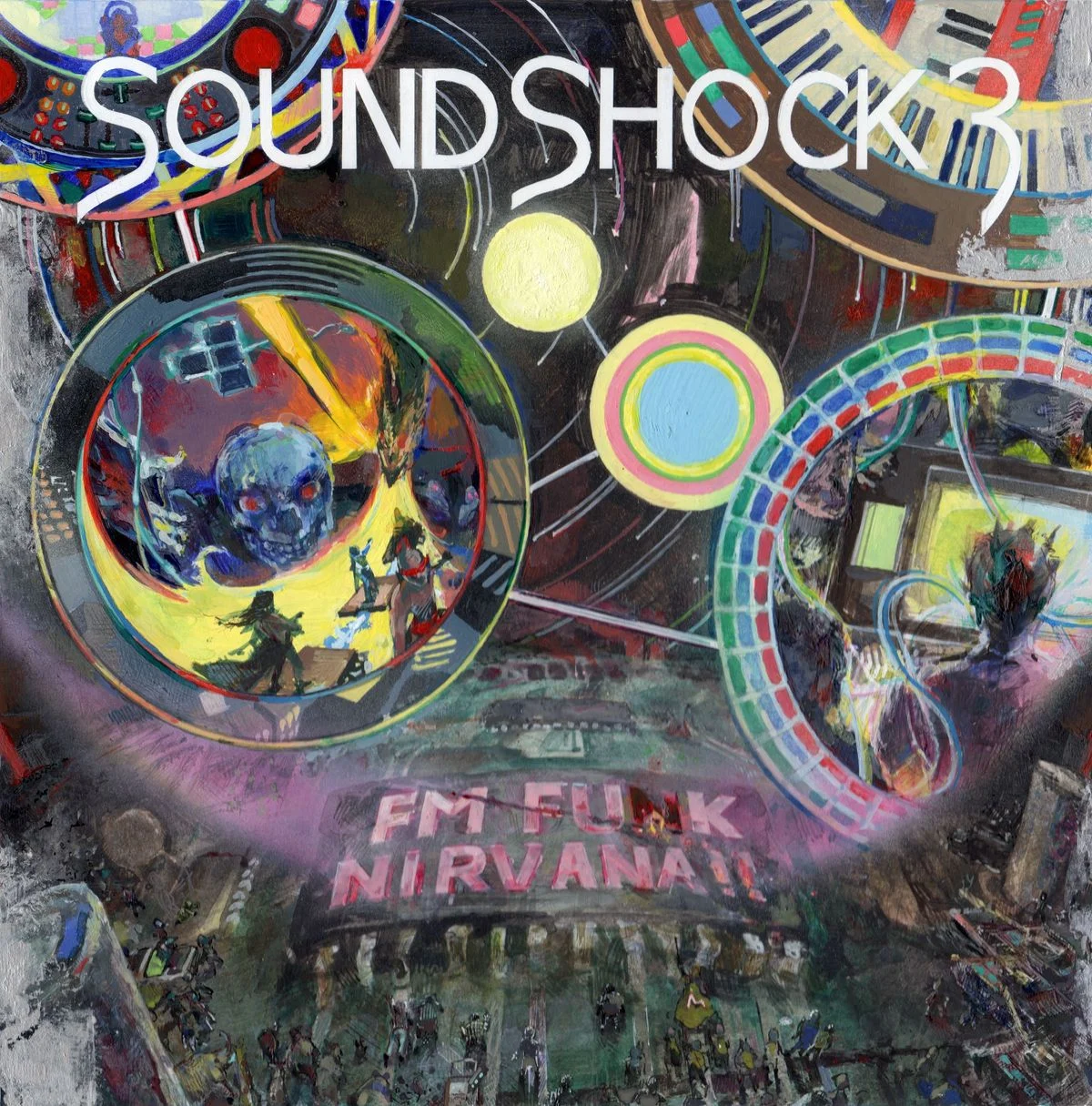
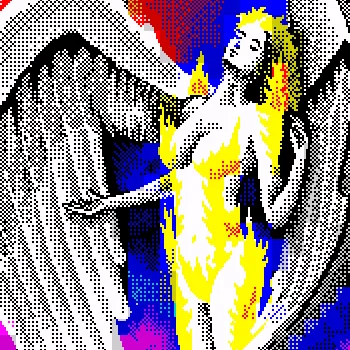
The release of SOUNDSHOCK 3: FM FUNK NIRVANA!! marks a significant milestone in the preservation and evolution of FM synthesis music, culminating a decade of cross-cultural collaboration between the Western demoscene and Japanese video game music pioneers. What began in 2010 as a conceptual proposal between the artist known as zinger and the independent music label Ubiktune has transformed into a definitive anthology of the frequency modulation (FM) sound. The project serves not only as a compilation of contemporary chiptune compositions but also as a bridge connecting disparate geographic communities that share a foundational obsession with the hardware limitations of 1980s and 1990s computing.
The Genesis of a Collaborative Vision
The origins of the SOUNDSHOCK series can be traced back to 2010, when C-jeff, the founder of the Ubiktune label, approached the Swedish composer and organizer zinger regarding the production of a solo album. During these initial discussions, a different vision emerged—one that prioritized a collective exploration of the FM synthesis aesthetic over a single-artist showcase. This pivot laid the groundwork for a series that would eventually feature some of the most prominent names in the global chiptune and video game music (VGM) industries.
Zinger’s motivation for the project was rooted in a lifelong fascination with the auditory landscapes of the Sega Mega Drive (known as the Genesis in North America). The distinctive, metallic timbres produced by the Yamaha YM2612 sound chip in titles such as Golden Axe II and Sonic the Hedgehog served as the primary catalyst for his entry into the tracker and demo scenes. Over fifteen years, this interest evolved from a childhood hobby into a rigorous pursuit of hardware-based composition and the collection of obscure Japanese computer hardware, including systems from the NEC PC-88 and Sharp X68000 lines.
Technical Context: The Resonance of FM Synthesis
To understand the significance of the SOUNDSHOCK series, one must examine the technical medium it celebrates. Frequency Modulation synthesis, popularized by Yamaha in the 1980s, differs fundamentally from the subtractive synthesis common in Western analog synthesizers or the simple pulse-wave generators of the Nintendo Entertainment System. FM synthesis utilizes "operators"—digital oscillators that modulate one another at high frequencies—to create complex, harmonically rich textures.
In the context of the 1990s, FM synthesis was the defining sound of the arcade and home console era. The Yamaha YM2151 and YM2612 chips provided a "gritty" and "funky" quality that became synonymous with high-energy gaming. By the mid-2000s, as high-fidelity recorded audio became the industry standard, these hardware-specific sounds were largely relegated to nostalgia. However, the SOUNDSHOCK project sought to prove that the constraints of FM synthesis could still facilitate cutting-edge musical innovation. By employing modern tracking software and original hardware, the contributors to the series have pushed these vintage chips far beyond the technical boundaries of the original game soundtracks.
Bridging the East-West Divide
One of the most profound achievements of the SOUNDSHOCK series is its success in fostering communication between Western "demoscene" artists and Japanese industry veterans. The demoscene—a computer art subculture focused on pushing hardware limits through real-time programming and music—developed largely in Europe and North America. Conversely, the Japanese chiptune scene was heavily influenced by the "Game Center" culture and the unique soundscapes of Japanese-exclusive personal computers.
Zinger noted that during the early stages of his involvement in the scene, language barriers were a significant obstacle. When first meeting Japanese figures such as Ryu Takami and the artist hex125, communication was initially limited to the exchange of names of influential composers and game titles. This shared vocabulary of "niche" interests eventually paved the way for deeper professional collaborations.
The involvement of Haruhisa "hally" Tanaka, a central figure in the Japanese chiptune community and an expert on the history of game music, proved instrumental. Tanaka’s deep knowledge of the Western demoscene complemented Zinger’s passion for Japanese hardware, creating a symbiotic relationship that allowed the SOUNDSHOCK project to recruit talent from both hemispheres. This synthesis is exemplified by the inclusion of artists like Keishi Yonao, a legendary Japanese composer known for his work on the Asuka 120% series, alongside Western stalwarts such as Zabutom and Metal.
A Chronology of the SOUNDSHOCK Series
The development of the series follows a timeline of increasing complexity and international participation:
- 2010: The Inception: C-jeff and zinger agree to move away from a solo project to create a compilation focused on FM synthesis. Ubiktune provides the digital infrastructure and curation expertise.
- 2011–2012: Growth and Networking: The project gains traction within the international chiptune community. Collaborations with Japanese artists increase as the project bridges the gap between the European tracker scene and the Japanese doujin music scene.
- The Middle Years: Subsequent releases refine the "SOUNDSHOCK sound," characterized by high-tempo, "FM Funk" arrangements that utilize the FM chips’ unique ability to produce slap-bass and percussive metallic sounds.
- Present Day: SOUNDSHOCK 3: FM FUNK NIRVANA!!: The latest installment represents the pinnacle of the series’ production values. It features a roster that includes Tsuyoshi Shimokura, Megus, Rufus Blacklock, MmcM, and Utabi, among others.
Industry Impact and Cultural Analysis
The SOUNDSHOCK series has had a measurable impact on the independent music landscape. By centralizing high-quality FM synthesis compositions under the Ubiktune label, the project has helped legitimize chiptune as a contemporary genre rather than a mere exercise in retro-nostalgia.
Market data from digital platforms suggests a renewed interest in hardware-locked music. While mainstream gaming has moved toward cinematic orchestral scores, the "indie" gaming sector has seen a surge in titles utilizing FM-style soundtracks (e.g., Streets of Rage 4 or Vengeful Guardian: Moonrider). The SOUNDSHOCK series has acted as a talent incubator for this movement, showcasing the versatility of artists who can compose within the strict limitations of 4-operator or 6-operator FM synthesis.
Furthermore, the series highlights the importance of "community-driven curation." Unlike corporate-led soundtracks, SOUNDSHOCK was born from the "united forces" of independent creators. The participation of Rufus Blacklock and Tsuyoshi Shimokura indicates a high level of respect for the project from those within the professional graphic design and music production sectors.
Official Responses and Perspectives
While the project is largely a labor of love, the reactions from those involved reflect a broader sentiment of cultural preservation. Haruhisa "hally" Tanaka has frequently spoken on the importance of "researching the roots" of game music to move the genre forward. His involvement in SOUNDSHOCK 3 is seen as an endorsement of the series’ authenticity.
C-jeff, representing Ubiktune, has maintained that the label’s mission is to provide a platform for music that "defies time." By supporting zinger’s vision, Ubiktune has positioned itself as a premier destination for chiptune enthusiasts worldwide. The label’s commitment to high-quality digital distribution has allowed these niche sounds to reach a global audience that would have been impossible during the original era of the Mega Drive.
The composers themselves, such as the Russian artist MmcM and the Swedish artist Zabutom, represent the "globalized" nature of the modern demoscene. Their contributions to the series are often cited as examples of how regional styles—such as the "Vibrant" style of the Russian tracker scene—can blend seamlessly with the Japanese "FM Funk" aesthetic.
Broader Implications for the Future of Chiptune
The success of SOUNDSHOCK 3: FM FUNK NIRVANA!! suggests that the appetite for FM synthesis music remains strong. As digital audio workstations (DAWs) continue to offer increasingly realistic emulations of vintage hardware, the "purist" approach taken by the SOUNDSHOCK contributors—many of whom still use original trackers and hardware-accurate software—provides a level of texture and "soul" that is difficult to replicate through presets alone.
The series also serves as a model for future international collaborations. By demonstrating that a shared passion for technology can overcome linguistic and geographic barriers, zinger and Ubiktune have created a blueprint for other niche artistic communities. The "sense of community" described by the project’s organizers is perhaps its most lasting legacy, proving that the light of shared interest can indeed bridge the gap between even the most disparate cultures.
As the chiptune scene continues to evolve, the SOUNDSHOCK series stands as a testament to the enduring power of the FM sound. It is a celebration of a specific moment in computing history, transformed into a living, breathing movement that continues to inspire new generations of composers and listeners alike. For the enthusiasts who have followed the series since 2010, SOUNDSHOCK 3 is not just an album; it is the fulfillment of a decade-long journey into the heart of the machine.