Chalid Lutfie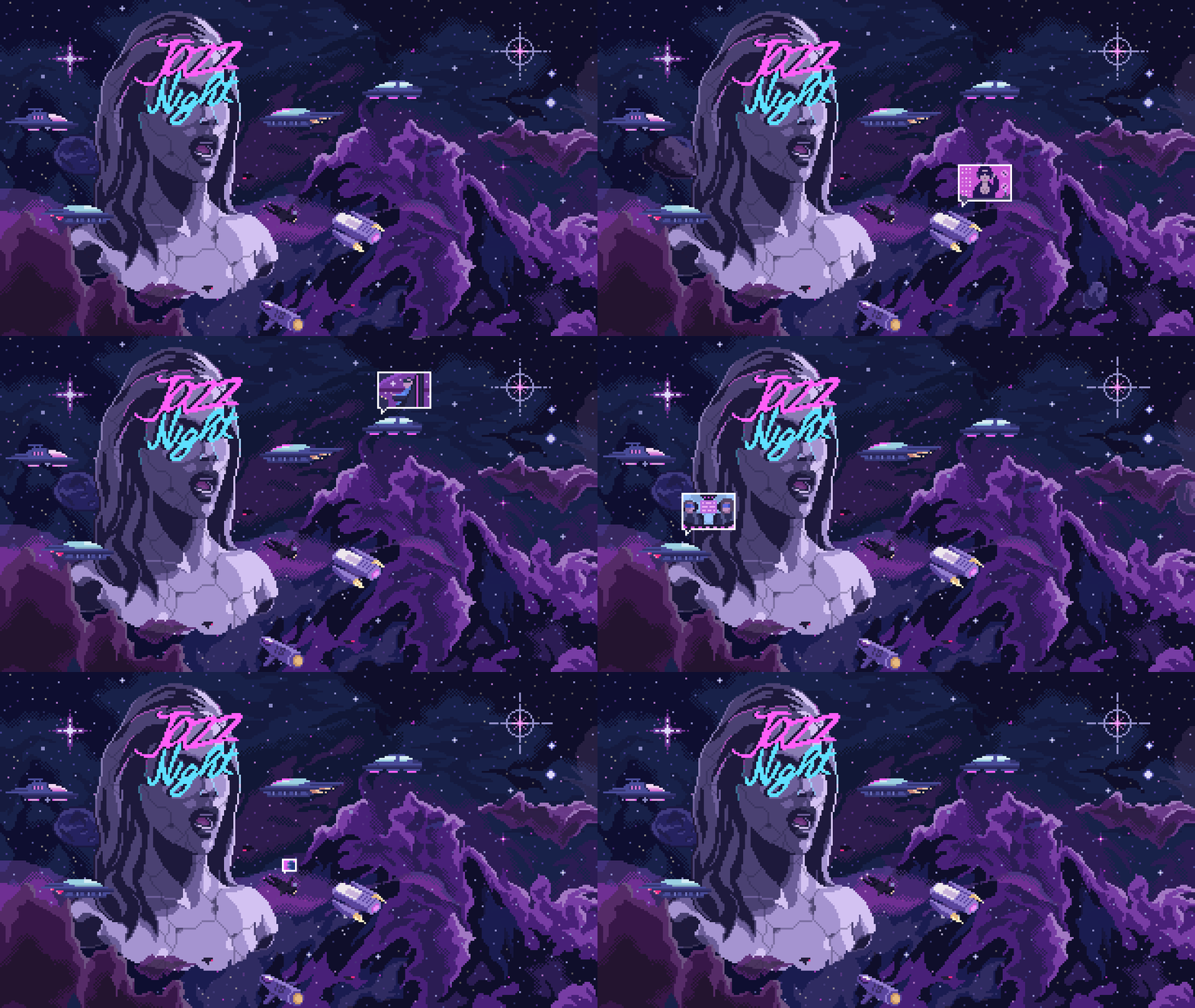
On April 25, 2017, the independent record label Ubiktune officially announced the addition of Los Angeles-based producer and composer Juan Irming, known professionally as Amplitude Problem, to its artist roster. The partnership debuts with the release of The Frequency Modulators Orchestra, Vol. 1, a conceptual project that challenges the traditional boundaries between digital synthesis and organic musical expression. This album represents a sophisticated intersection of retro-electro-jazz and chip-influenced production, utilizing Frequency Modulation (FM) synthesis to recreate the warmth and improvisational depth of live jazz and funk performances.
A Technical and Artistic Synthesis
The core premise of The Frequency Modulators Orchestra, Vol. 1 lies in its technical constraints. The album was composed and produced using FM synthesizers and lo-fi drum machines, a deliberate choice by Irming to explore the versatility of digital sound generation. FM synthesis, which rose to prominence in the 1980s through hardware such as the Yamaha DX7 and the Sound Blaster PC sound cards, is often characterized by its "cold," "metallic," or "glassy" textures. By applying these digital tones to the "warm" and human-centric structures of jazz-funk, Amplitude Problem seeks to bridge a decades-old gap in electronic music production.
The project is described by the artist and the label as a "zany chiptune adventure," designed to function as a synth-funk soundtrack for the listener. Beyond the technical novelty, the album emphasizes nuanced, improvised language, mirroring the spontaneous nature of traditional jazz ensembles. This is reflected in the album’s title and conceptual framework, where Irming envisions the "Frequency Modulators" not merely as a collection of oscillators and algorithms, but as a virtual orchestra where each digital instrument is afforded the space to "improvise" and contribute to a collective groove.

The Professional Trajectory of Juan Irming
Juan Irming’s career spans several decades and multiple facets of the electronic music industry. A native of the European demoscene of the late 1980s, Irming initially gained recognition as a composer for the Atari ST crew known as SYNC (Swedish Youth Network Corp). During this era, the demoscene served as a critical breeding ground for computer programmers and digital musicians who pushed the hardware limitations of 16-bit systems. Irming’s work with SYNC earned him several first-place rankings in international demo music contests, establishing his reputation for high-fidelity composition within low-bitrate environments.
In the early 1990s, Irming transitioned from the hobbyist demoscene to formal musical education, attending the Musicians Institute in Los Angeles. This academic background as a keyboardist provided the foundation for his later work, allowing him to blend complex music theory with his established technical proficiency in sound design.
Since his formal training, Irming has operated as a producer, composer, and sound designer with a focus on synthwave, hip-hop, and video game soundtracks. His portfolio includes collaborations with several prominent figures in the modern retro-electronic scene. Notably, he contributed heavily to the production of Introducing Neals, a cyberpunk-themed album by the renowned "geek-rapper" YTCracker. Irming’s credits extend to over ten LPs, and he has shared billing on compilation albums alongside genre leaders such as Mitch Murder, Lazerhawk, and the synth-pop band GUNSHIP. His live performance history is equally diverse, featuring appearances at high-profile events including Comic-Con and the Game On Expo, where he performed alongside acts such as The Minibosses and The Gothsicles.
Production Excellence and Visual Collaboration
To ensure the high-fidelity standards required for a jazz-fusion project, Amplitude Problem engaged Grammy Award-winning mastering engineer Don Grossinger. Grossinger’s involvement is a significant indicator of the project’s professional aspirations; his previous credits include work with legendary figures such as Miles Davis, Kelly Clarkson, and The Flaming Lips. By bringing a mastering engineer with a background in traditional jazz and pop to a digital FM project, Irming ensured that the final audio product possessed the dynamic range and clarity necessary to satisfy both audiophiles and electronic music enthusiasts.
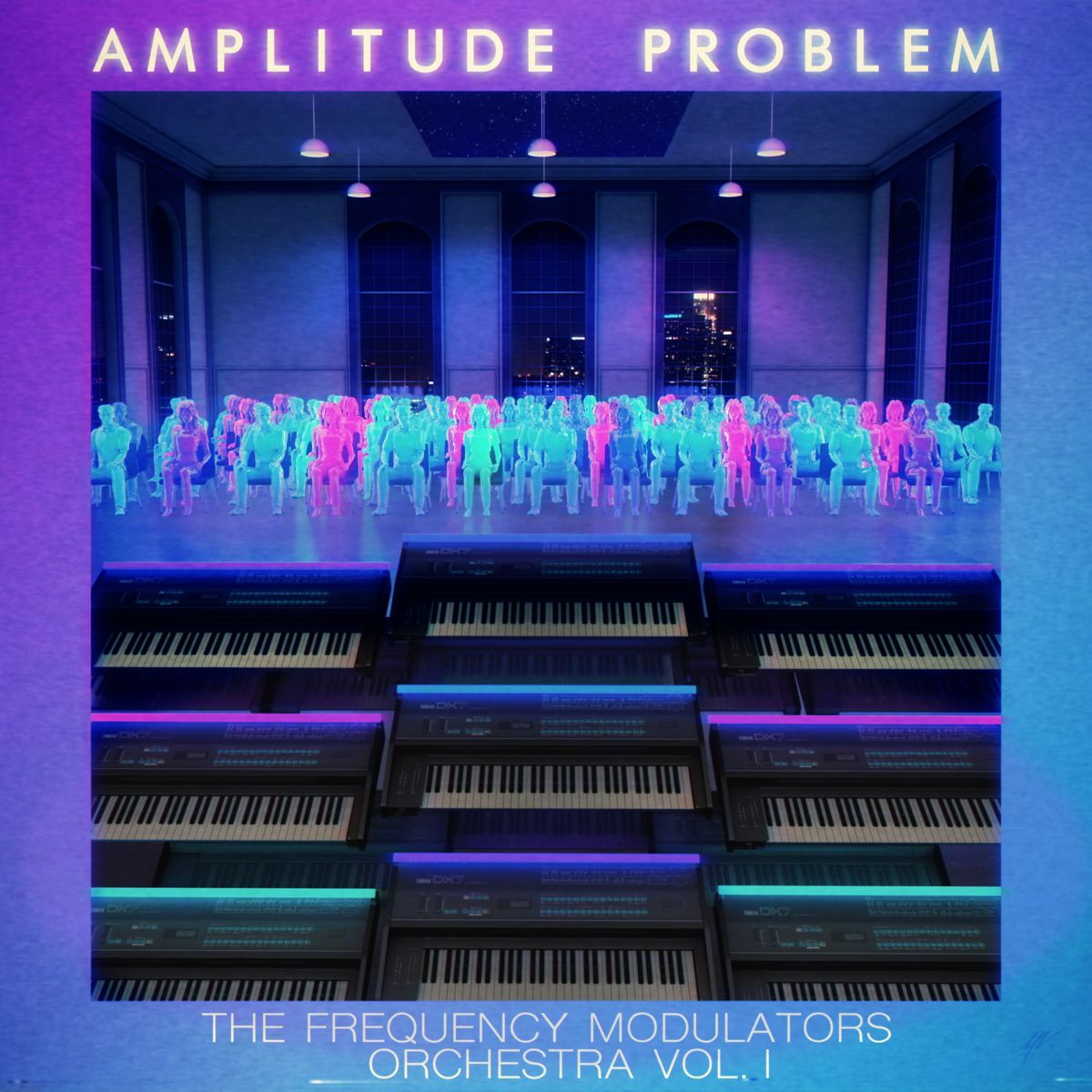
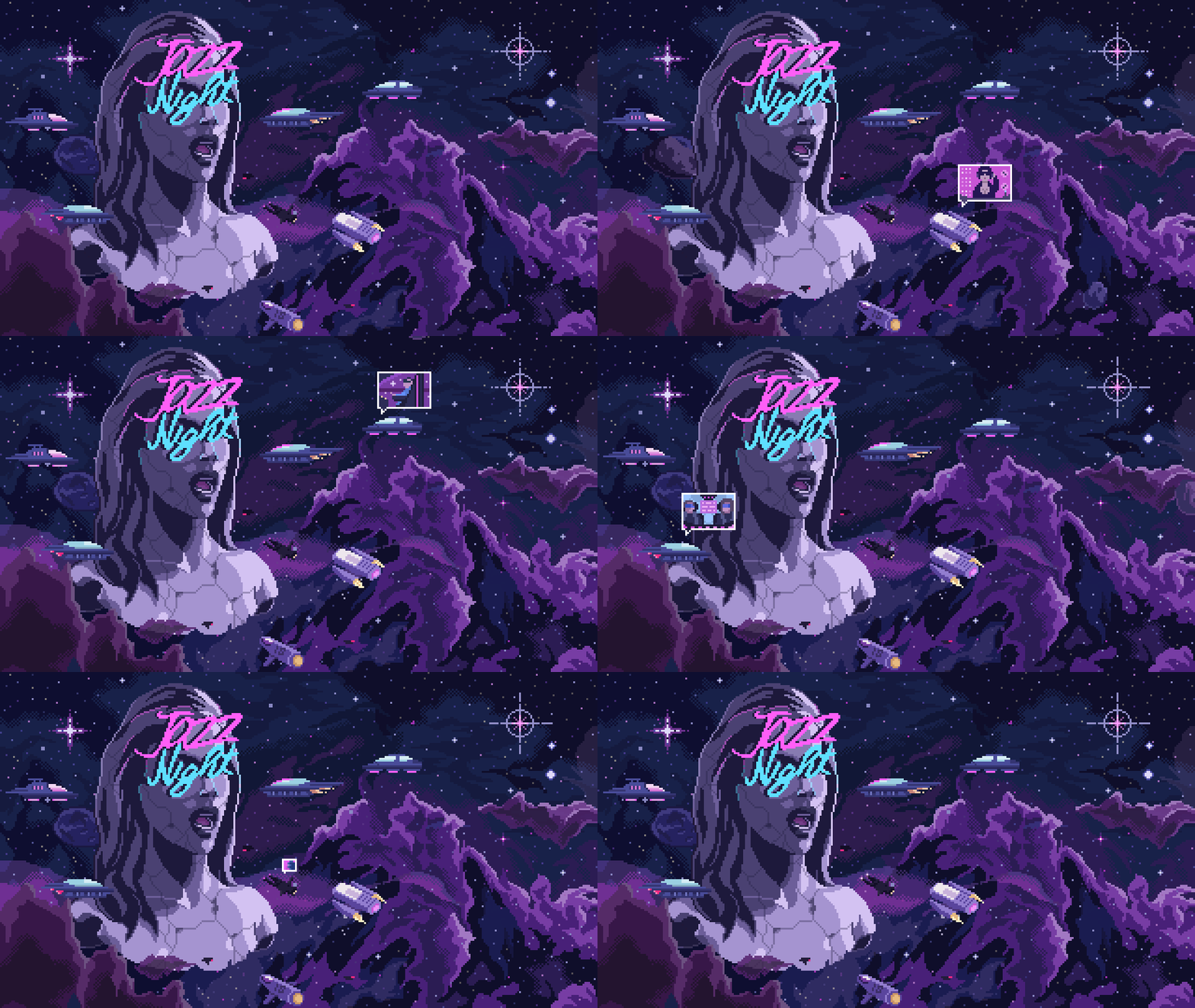
The visual identity of The Frequency Modulators Orchestra, Vol. 1 was developed through a collaboration with two distinct artists. The primary front cover artwork was created by Mythical Vigilante, while additional art and pixel-based animations were provided by Valenberg. Valenberg, a well-known figure in the "dark-synth" and pixel art communities, created a specific "Jazz Night" animation to accompany the release, reinforcing the album’s aesthetic ties to both 1980s computing and the nocturnal atmosphere of urban jazz clubs.
Chronology of Development
The development of the album can be traced back to 2014, following Irming’s work on YTCracker’s Introducing Neals. While the majority of that project was rooted in the synthwave genre, the track "Feel Like Leisure Suit Larry" sparked Irming’s renewed interest in the percussive and zany potential of FM synthesis.
- 2014: Production of "Feel Like Leisure Suit Larry" provides the stylistic blueprint for a jazz-influenced FM sound.
- 2015: Irming releases the track "Funky Mustache" on his album Blue Bots Dots, further refining the "chip-funk" aesthetic.
- Late 2015: The conceptual framework for The Frequency Modulators Orchestra is finalized.
- 2016: A ten-month intensive creative period begins. Irming focuses on heavy improvisation and keyboard tracking to ensure the music feels "in-the-moment."
- Early 2017: Mastering is completed by Don Grossinger, and visual assets are finalized by Valenberg and Mythical Vigilante.
- April 25, 2017: The album is officially released via Ubiktune.
Stylistic Analysis and Track Insights
The Frequency Modulators Orchestra, Vol. 1 is structured as a deeply personal narrative. According to Irming, the first four tracks of the album serve as an introspective journey, while the final three tracks offer commentary on broader existential themes. This narrative depth is intended to elevate the album beyond simple background music, challenging the listener to engage with the instrumental tracks as they would with vocal-driven songs.
Irming has stated that writing purely instrumental music imposes a higher burden of responsibility on the composer to maintain listener interest. Without lyrics to convey a message, the emotional weight is carried entirely by the melodies, harmonies, and rhythmic "pockets." Tracks such as "Ghosts in My Medicine Cabinet" exemplify this "all-in" approach, where the artist embraces unconventional structures and bold sound choices to convey specific stories or emotional states.

The decision to frame the project as an "Orchestra" or a band was a strategic move to distance the work from the typical solo-producer persona. By personifying the FM instruments as band members, Irming cultivated a collaborative atmosphere within his studio, allowing for the "good vibes" and spontaneous energy that define the funk and jazz genres.
Broader Industry Context and Implications
The release of The Frequency Modulators Orchestra, Vol. 1 occurs at a time of transition within the independent electronic music scene. By 2017, the "synthwave" movement had reached a saturation point, with many artists adhering strictly to the aesthetic tropes of 1980s film scores. Amplitude Problem’s move toward jazz-fusion and technical FM synthesis represents a broader trend of "genre-bending," where established electronic musicians look toward complex musical traditions to differentiate their work.
For the Ubiktune label, this release reinforces its commitment to "brave and high-quality" music that defies easy categorization. Ubiktune has long been a home for artists who utilize video game hardware (such as the NES or Commodore 64) to create sophisticated contemporary music. Amplitude Problem’s focus on the Atari ST heritage and FM synthesis aligns perfectly with this mission, providing a bridge between the historical demoscene and modern independent production.
Furthermore, the involvement of a Grammy-winning engineer like Don Grossinger suggests a narrowing gap between "niche" electronic subgenres and the professional recording industry. As digital tools become more sophisticated, the distinction between "chiptune" and "mainstream" production continues to blur, allowing for projects that are technically niche but sonically competitive on a global scale.
The Frequency Modulators Orchestra, Vol. 1 is now available across all major digital distribution platforms and streaming services. The release stands as a testament to the enduring relevance of FM synthesis and the ability of digital artists to infuse mathematical precision with human soul. As Juan Irming continues to develop the Amplitude Problem project, this debut serves as a foundational work in his exploration of the "frequency modulated" landscape.